

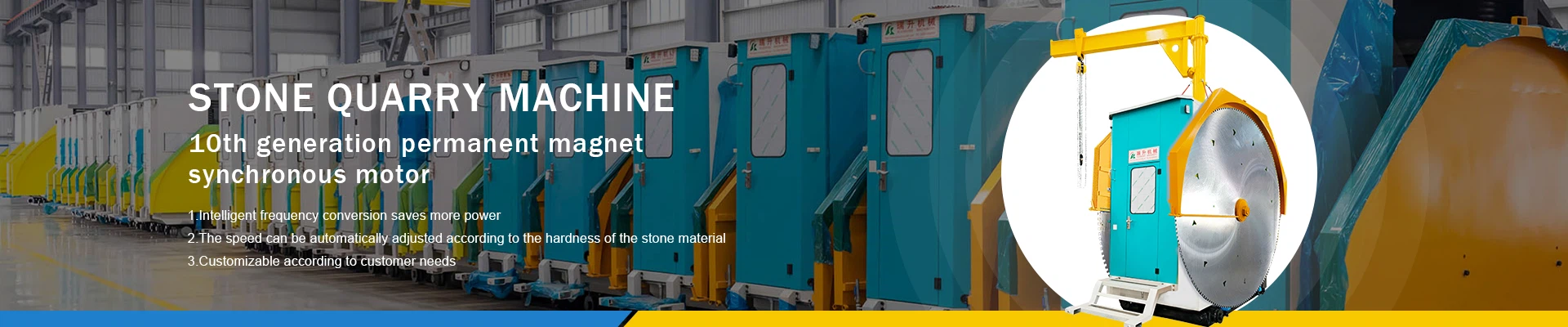


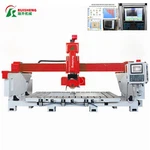


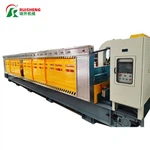


Block Cutting Machine
Block cutting machine is a type of equipment that is used for cutting large blocks of materials, such as stone, marble, or concrete, into smaller and more manageable pieces. It typically uses a hydraulic press or a diamond wire saw to perform the cutting process. The block cutting machine is often used in construction sites, quarries, and other industrial applications where large amounts of cutting are required.
Advantages of Block Cutting Machine
Precision cutting
Block cutters are designed to make precise cuts in blocks or boards. They use advanced cutting mechanisms, such as diamond blades or wires, to ensure clean, precise cuts and minimize material waste.
Improve efficiency
Block cutters significantly increase the efficiency of cutting operations. They cut blocks or boards quickly and consistently, reducing the time required for manual cutting and increasing overall productivity.
Versatility
Dicers are versatile and can be used to cut a variety of materials, including natural stone, concrete, bricks, tiles, and more. They can handle blocks of different sizes and thicknesses, making them suitable for a variety of applications.
Automated and easy to use
Many block cutting machines are equipped with automated features such as programmable cutting modes and digital controls. This automation simplifies the cutting process, reduces the need for manual intervention, and makes the machine easy to operate.
Save costs
By increasing cutting efficiency and reducing material waste, block cutters can significantly save labor, time and material expenses. They also minimize the need for rework or additional finishing processes.
Consistency and quality
Block cutters ensure consistent and high-quality cuts throughout the entire production process. This consistency is crucial for industries that require precise dimensions and uniformity, such as the production of slate or bricks.
Safety
Dicers are designed with safety features to protect the operator and minimize the risk of accidents. These features may include safety guards, emergency stop buttons, and automatic shutdown systems.
Reduce physical labor
By automating the cutting process, block cutters reduce the need for manual labor. This not only increases productivity but also reduces physical stress on workers, creating a safer and more comfortable working environment.
Customization
Many block cutters offer customization options that allow users to adjust cutting parameters, blade speed, cutting depth, and other settings to their specific requirements. This flexibility enables users to achieve desired results and meet unique project needs.


Why Choose Us
High quality
Our products are manufactured or executed to very high standards, using the finest materials and manufacturing processes.
Competitive Price
We offering a higher-quality product or service at an equivalent price. As a result we have a growing and loyal customer base.
Rich experience
Our company has many years of production work experience. The concept of customer-oriented and win-win cooperation makes the company more mature and stronger.
Global shipping
Our products support global shipping and the logistics system is complete, so our customers are all over the world.
After-sale service
Professional and thoughtful after -sales team, let you worry about us after -sales Intimate service, strong after -sales team support.
Advanced equipment
A machine, tool or instrument designed with advanced technology and functionality to perform highly specific tasks with greater precision, efficiency and reliability.
Types of Block Cutting Machine
Hydraulic block cutters
These machines use hydraulic pressure to cut blocks of materials such as stone, concrete, and asphalt. They are typically used in construction sites and quarries.
Diamond wire saws
These machines use a wire with a diamond coating to cut through hard materials such as stone and concrete. They are often used for precision cutting and can create complex shapes.
Bridge saws
These machines are designed for cutting large blocks of materials such as marble and granite. They have a large table surface for supporting the block and a powerful saw for precise cutting.
CNC block cutters
These machines use computer numerical control (CNC) technology to automate the cutting process. They are highly accurate and can perform complex cutting tasks with minimal human intervention.
Chain saws
These machines use a chain with sharp teeth to cut through wood and other soft materials. They are often used in logging and construction applications.
Application of Block Cutting Machine
Block cutting machines are widely used in the construction industry for cutting materials such as stone, marble, granite and concrete. They are used in the manufacture of building blocks, pavers, curbs and other masonry products
Block cutters are also used in the mining industry to cut and size large blocks of rock and ore. They are used to extract raw materials from the earth and prepare them for transportation and processing.
In the quarrying industry, block cutters are used to cut and shape large blocks of stone and marble for architectural and monumental applications. The machine can cut the blocks into plates, tiles or other shapes as needed.
Block cutters are used in manufacturing to cut and shape a variety of materials such as foam, rubber, plastic, and wood. They are used to make components for furniture, auto parts and other consumer products.
Block cutters are also used in landscaping and garden design to create custom pavers, retaining walls and other outdoor features. The ability to cut blocks to precise sizes allows for unique and personalized designs.
Components of Block Cutting Machine
Hydraulic system
This is the heart of the block cutter and is responsible for generating the pressure required to cut the blocks. The hydraulic system consists of hydraulic pumps, hydraulic cylinders, hoses and valves that work together to control the movement of the cutting head.
Cutting head
The cutting head is equipped with a cutting tool, which can be a blade, wire, or chain, depending on the type of block cutter. The cutting head is mounted on the machine's carriage and can be moved up, down and sideways to achieve the desired cutting pattern.
Transportation
The carriage is a movable platform that supports the cutting head and allows it to move along the X and Y axes. It is usually mounted on a rail or rail to ensure smooth and precise movement.
Control System
The control system is the brain of the block cutting machine and is responsible for controlling and monitoring all aspects of machine operation. These include PLCs (programmable logic controllers), touch-screen interfaces, and software that enable machines to automate complex cutting tasks.
Power supply
The power supply provides the electrical energy required to operate the block cutter. This can include generators, batteries or direct connection to the grid, depending on the location and requirements of the machine.
Security features
Block cutting machines are equipped with various safety features to protect the operator and prevent accidents. These include emergency stop buttons, safety sensors, interlocks and guards to prevent contact with cutting tools.
Material of Block Cutting Machine
Structural steel
Due to its strength and durability, structural steel is a common material used in building block cutter frames and support structures. It can withstand high loads and resist deformation under pressure, making it ideal for applications requiring heavy cutting and material handling.
Aluminum
Aluminum alloy is lightweight and corrosion-resistant, making it a popular choice for carriage frames, guide rails, and other moving parts of block cutting machines. Aluminum is also easy to work with and can be anodized for extra protection and wear resistance.
Hard steel
Hardox is a high-strength, wear-resistant steel used in the manufacture of cutting tools and blades. It can withstand high impact and abrasion, making it ideal for applications that require frequent, heavy cutting of hard materials such as concrete and stone.
High strength cast iron
Cast iron is a popular material for manufacturing hydraulic components such as pumps, cylinders and valves due to its high strength, wear and corrosion resistance. Cast iron can withstand high pressures and temperatures, making it ideal for applications requiring heavy-duty hydraulic operations.
Eraser
Rubber is often used in the construction of block cutter guards and bumpers to protect against impacts and absorb shock. Rubber is also abrasion resistant and provides a non-slip surface for safe handling of blocks.
How to Maintain Block Cutting Machine
Regular cleaning
Clean the machine after each use to remove any debris, dust or residue. Use a brush or compressed air to clean the cutting area, blades and other parts. This will prevent dirt buildup and increase the efficiency of the machine.
lubricating
Lubricate the moving parts of the machine, such as bearings, gears and sliding mechanisms. This will reduce friction and ensure smooth operation. Consult your machine manual for recommended lubrication points and intervals.
Blade inspection and replacement
Check the condition of the cutting blade regularly. Look for signs of wear, damage or dullness. If the blade is worn or damaged, replace it immediately to maintain the machine's cutting performance and prevent accidents.
Belt tension
Check the tension of the belt that drives the cutting blade. Loose or worn belts can affect the cutting accuracy and efficiency of your machine. Adjust or replace belts as needed to ensure proper tension.
Electrical connections
Check the machine's electrical connections and wiring. Check for any loose or damaged wires, connectors, or switches. Make sure all connections are tight and free of corrosion. If you notice any problems, consult a qualified technician for repairs.
Security features
Test machine safety features such as emergency stop buttons and safety guards. Ensure they function properly and provide adequate protection to the operator. Replace any damaged or malfunctioning safety parts.
Regular maintenance plan
Develop a maintenance schedule for your block cutter and stick to it. This should include routine inspections, cleaning, lubrication, and any other specific maintenance tasks recommended by the manufacturer.
Operator training
Provide machine operators with appropriate training on how to use and maintain block cutting machines. Educate them on safety precautions, maintenance procedures and troubleshooting techniques. This will help prevent accidents and ensure proper use of the machine.

A block cutting machine works on the principle of a fixed abrasive cutting process. The machine uses a high-speed spindle to rotate a disc made of an abrasive material such as aluminum oxide or silicon carbide. As the disc rotates, it comes into contact with the surface of the block being cut. The abrasive particles on the disc score and chip away at the block until it is cut through. The machine may also use water or another coolant to keep the temperature of the cutting zone low and prevent damage to the abrasive disc or the block material. The precision and accuracy of the cut depend on various factors, including the skill of the operator, the sharpness of the abrasive disc, and the control of the cutting parameters such as speed and feed rate.
How to Choose the Block Cutting Machine Correctly
Block type
Determine the type and size of block you want to cut. Different machines are designed for specific materials such as concrete, stone or clay. Consider the size and hardness of the blocks to ensure the machine can handle them efficiently.
Cutting ability
Evaluate the cutting capabilities of the machine. This includes the maximum block size it can accommodate and the depth of cut it can achieve. Make sure the machine's capacity meets your requirements.
Cutting method
There are different cutting methods to choose from, such as scroll saws, diamond saw blades or grinding wheels. Each method has its advantages and limitations. Consider the type of cutting you need to make and choose a machine that offers the appropriate cutting method.
Power and speed
Check the machine's power rating and cutting speed. Higher power and speed allow for faster, more efficient cuts. However, it’s important to balance power and speed with the precision and quality of your cuts.
Precision and accuracy
Look for a machine that delivers precise cuts. Features like adjustable cutting depth, laser guidance, or digital display help achieve consistent, precise cuts.
Security features
Make sure the machine has adequate safety features to protect the operator. Look for features like emergency stop buttons, safety guards, and automatic blade braking systems.
Durability and reliability
Consider the manufacturer's build quality and reputation. Look for a machine that is made of high-quality materials and can withstand heavy use. Read reviews and ask for recommendations to ensure your machine is reliable and durable.
Maintenance and support
Check the maintenance requirements of the machine and the availability of spare parts. Consider manufacturer support and after-sales service, including warranty coverage and technical assistance.
Budget
Determine your budget for the machine and consider the long-term value it provides. While it's important to stay within your budget, prioritize quality and performance over cost.
User friendliness
Consider ease of use and operator comfort. Look for features like ergonomic controls, adjustable cutting angles, and an intuitive interface that make the machine user-friendly.
Precautions for Using an Air Block Cutting Machine
Read the manual
Familiarize yourself with the manufacturer's instructions and guidelines provided in the machine's manual. Understand the proper operation, maintenance, and safety procedures before using the machine.
Personal protective equipment (PPE)
Always wear appropriate personal protective equipment, including safety goggles, ear protection, gloves, and a dust mask. This will protect you from flying debris, noise, and dust generated during cutting.
Machine inspection
Before using the machine, inspect it for any visible damage or loose parts. Ensure that all safety guards and shields are in place and functioning properly. Do not operate the machine if any defects are found. Report and repair them immediately.
Workspace preparation
Clear the work area of any obstacles, debris, or flammable materials. Ensure that the cutting area is well-lit and properly ventilated. Keep bystanders at a safe distance to prevent accidents.
Air Supply
Check the air supply system and ensure that it is properly connected and functioning. Verify that the air pressure is within the recommended range specified by the manufacturer.
Secure the block
Make sure the block to be cut is securely positioned and clamped in place. This will prevent it from moving or shifting during cutting, reducing the risk of accidents.
Cutting depth
Adjust the cutting depth according to the requirements. Avoid cutting too deep at once, as it may strain the machine and increase the risk of kickback. Gradually increase the cutting depth as needed.
Cutting speed
Use the appropriate cutting speed recommended by the manufacturer. Avoid excessive speed, as it may cause the blade to overheat or wear out quickly. Maintain a steady and controlled cutting motion.
Avoid overloading
Do not overload the machine by forcing it to cut through materials that exceed its capacity. This can lead to motor burnout or blade damage. Use the machine within its specified limits.
Regular maintenance
Follow the manufacturer's recommended maintenance schedule. Clean the machine after each use, lubricate moving parts as required, and inspect for any signs of wear or damage. Replace worn-out or damaged parts promptly.
How to Install Block Cutting Machine
Select installation location
Choose a suitable location for the machine to provide adequate space for operation and maintenance. Consider factors such as power supply, ventilation, and proximity to the cutting area.
Prepare the basics
Make sure the mounting surface is level, stable and able to support the weight of the machine. If necessary, pour a concrete foundation or use leveling pads to create a stable foundation.
Unpack and inspect the machine
Carefully unpack the machine and inspect it for any shipping damage. Check that all components, accessories and documentation meet manufacturer's specifications.
Positioning machine
Place the machine on the prepared foundation and align it according to the manufacturer's guidelines. Use a level to make sure the machine is perfectly level and adjust as needed.
Protect the machine
Once the machine is properly positioned, secure it to the foundation using anchor bolts or other recommended fastening methods. Make sure the machine is stable and does not shake or move during operation.
Connect the power supply
If the machine requires power, connect it to a suitable power source according to the manufacturer's specifications. Make sure the power supply meets the voltage and amperage requirements of the machine.
Connect air supply (if applicable)
If the machine is pneumatic and requires an air supply, connect it to a suitable source of compressed air. Make sure the air source meets the pressure and flow requirements of the machine.
Install security features
Install any necessary safety features such as emergency stop buttons, safety guards or interlocks according to the manufacturer's instructions. Make sure these security features are installed correctly and functioning properly.
Testing machine
Before using the machine, perform a thorough test to make sure all parts are working properly. Check the operation of the cutting mechanism, motor, controls and safety features. Make any necessary adjustments or repairs before continuing.
Follow manufacturer's recommendations
Please follow any additional installation instructions or recommendations provided by the manufacturer. This may include specific maintenance procedures, lubrication points, or calibration requirements.
Automation and digitalization
The trend towards automation and digitalization of block cutting machines is becoming increasingly evident. Manufacturers are adopting advanced technologies such as computer numerical control (CNC), robotics and artificial intelligence (AI) to increase precision, efficiency and productivity. These technologies enable automated cutting processes, real-time monitoring and data analysis to improve performance.
The integration of Iot and industry 4.0
Block cutting machines are incorporating Internet of Things (IoT) and Industry 4.0 concepts. This allows for connectivity and communication between machines, enabling remote monitoring, predictive maintenance and optimization of the cutting process. IoT integration also facilitates data-driven decision-making and implementation of smart manufacturing practices.
Improve cutting speed and efficiency
Manufacturers are constantly working to improve the cutting speed and efficiency of block cutting machines. This includes advancements in blade technology, motor power, and cutting mechanisms. Faster cutting speeds and greater efficiency increase productivity and reduce production time.
Improve precision and accuracy
Precision and accuracy are critical in block cutting operations. Machine builders are focusing on developing technologies and features that ensure precise cutting. This includes the use of laser guidance systems, digital displays and advanced control algorithms to achieve consistent, high-quality cutting results.
Versatility and Versatility
Block cutters are designed to provide versatility and versatility. This allows them to handle blocks of various sizes, shapes and materials. Machines with adjustable cutting angles, interchangeable blades and modular design provide flexibility and adaptability to different cutting requirements.
Safety and operator-friendly features
Safety is a top priority in the design and development of block cutting machines. Manufacturers are incorporating safety features such as emergency stop buttons, safety guards and automatic blade braking systems to protect operators from accidents. Additionally, emphasis is placed on ergonomic controls, user-friendly interface and intuitive operation to enhance operator comfort and ease of use.
Environmental sustainability
The block cutting machine market is increasingly focusing on environmental sustainability. Manufacturers are developing machines that are energy efficient, use environmentally friendly materials and incorporate recycling and waste reduction measures. This is in line with global trends in sustainable manufacturing practices.
Customization and personalization
Customers are increasingly seeking customized solutions to meet their specific cutting requirements. Manufacturers offer customization options such as blade type, cutting parameters and machine configurations to meet individual customer needs. This enables personalized cutting solutions and increases customer satisfaction.
Global market expansion
The block cutting machine market is expanding across the globe with manufacturers targeting emerging markets and regions where construction and infrastructure development is growing. These include countries in Asia, the Middle East and Africa, where the demand for block cutting machines is high.
Continuous research and development
The block cutting machine market is driven by continuous research and development efforts. Manufacturers are investing in R&D to innovate and improve their machines, stay ahead of the competition, and meet changing customer demands. This includes working with technology partners, universities and research institutions to explore new cutting technologies and materials.
Our Factory
Ruisheng Machinery is located in Shuitou Town, the stone capital of China, 40 kilometers away from Xiamen. As a global supplier of double-blade mining machinery, wire saw machines, fully automatic polishing machines and other products, Ruisheng Machinery is committed to creating added value for customers around the world.


FAQ
Q: What is a block cutting machine?
Q: What types of blocks can be cut using a block cutting machine?
Q: What are the different types of block cutting machines available?
Q: How does a wire saw block cutting machine work?
Q: What are the advantages of using a diamond blade block cutting machine?
Q: Can a block cutting machine cut blocks of different sizes?
Q: How deep can a block cutting machine cut?
Q: Are block cutting machines safe to use?
Q: What safety precautions should I take when using a block cutting machine?
Q: Can block cutting machines be used for both residential and commercial applications?
Q: How do I choose the right block cutting machine for my needs?
Q: How often does a block cutting machine require maintenance?
Q: Can I rent a block cutting machine instead of purchasing one?
Q: Can I use a block cutting machine for other cutting applications?
Q: How long does it take to cut a block using a block cutting machine?
Q: Can a block cutting machine be used for precision cutting?
Q: Are block cutting machines noisy?
Q: Can I cut blocks with irregular shapes using a block cutting machine?
Q: Can a block cutting machine be used for wet cutting?
Q: Can I cut blocks at different angles using a block cutting machine?