

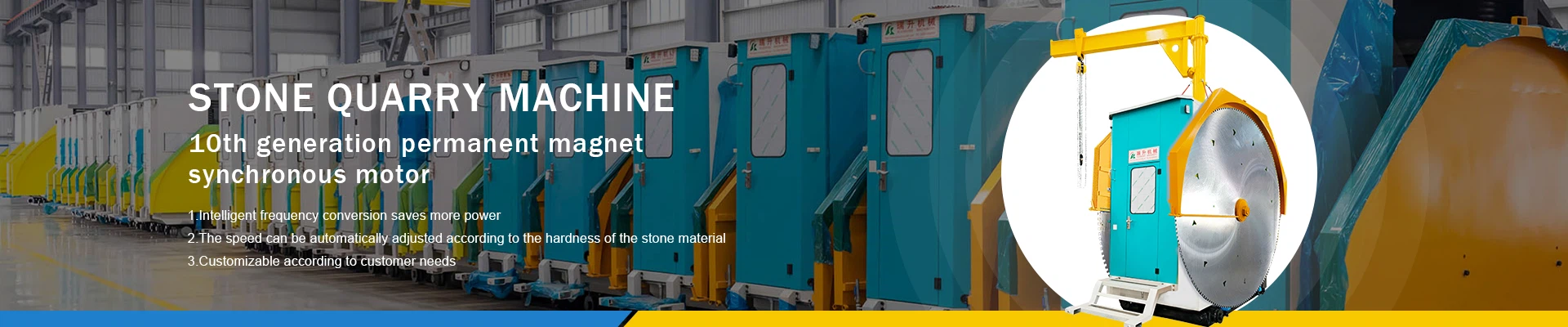


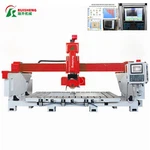


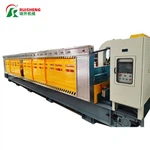


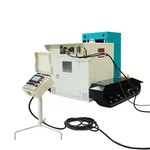

Slab Cutting Machine
A slab cutting machine is a type of equipment used in the construction and manufacturing industries to cut large pieces of materials, such as stone, concrete, or metal, into smaller, more manageable slabs or blocks. These machines are typically powered by hydraulic or electric motors and use a high-speed cutting tool or abrasive wheel to slice through the material.Slab cutting machines are commonly used in the production of countertops, flooring, and wall cladding made from materials like granite, marble, and engineered stone. They can also be used in the quarrying industry to cut large blocks of stone into slabs for further processing and finishing.
Advantages of Slab Cutting Machine
Increased precision
Slab cutting machines use advanced cutting technologies that can produce precise and consistent cuts in materials. This is especially important when working with expensive or delicate materials, as it helps to minimize waste and ensures that the finished product meets exact specifications.
Increased speed
Manual cutting methods can be time-consuming and labor-intensive. Slab cutting machines, on the other hand, can quickly and efficiently cut large pieces of material into smaller slabs or blocks. This can help to reduce production time and increase output, resulting in higher profitability for manufacturers.
Improved safety
Cutting large pieces of material by hand can be dangerous, as it involves heavy lifting and the use of sharp tools. Slab cutting machines, on the other hand, are designed with safety in mind. They typically have automated features that minimize the risk of injury to workers, such as automatic shut-offs in case of emergency or safety sensors that prevent the machine from operating if the operator's hands are in the cutting area.
Reduced waste
Slab cutting machines can help to reduce waste by minimizing the amount of material that is lost during the cutting process. This is because the machines can be programmed to make precise cuts that maximize the use of the material, resulting in less waste and lower production costs.
Versatility
Slab cutting machines can be used to cut a wide variety of materials, including stone, concrete, metal, and glass. This makes them a versatile tool for manufacturers who work with multiple types of materials. Additionally, many slab cutting machines can be customized to suit specific applications, allowing manufacturers to tailor the machine to their specific needs.


Why Choose Us
High quality
Our products are manufactured or executed to very high standards, using the finest materials and manufacturing processes.
Competitive Price
We offering a higher-quality product or service at an equivalent price. As a result we have a growing and loyal customer base.
Rich experience
Our company has many years of production work experience. The concept of customer-oriented and win-win cooperation makes the company more mature and stronger.
Global shipping
Our products support global shipping and the logistics system is complete, so our customers are all over the world.
After-sale service
Professional and thoughtful after -sales team, let you worry about us after -sales Intimate service, strong after -sales team support.
Advanced equipment
A machine, tool or instrument designed with advanced technology and functionality to perform highly specific tasks with greater precision, efficiency and reliability.
Types of Slab Cutting Machine


Bridge saw
A bridge saw is a large stationary machine used for cutting slabs of stone, marble, granite or other materials. It has a bridge-like structure with a diamond blade mounted on a motorized arm that moves across the sheet for precise cutting.
Wire saw
A wire saw is a machine that uses a continuous loop of diamond wire to cut stone slabs or other materials. The wire passes through a series of pulleys and is driven by a motor, allowing for precise and efficient cutting.
Water jet cutting machine
Water jet cutting machines use a high-pressure stream of water mixed with abrasive particles to cut sheets of various materials. This method is ideal for cutting heat-sensitive materials, such as glass or certain metals.
Laser cutter
Laser cutting machines use a focused laser beam to cut sheets of various materials. They have high precision and can cut complex shapes and patterns. Laser cutting is commonly used to cut sheets of metal, wood, acrylic, and other materials.
Diamond saw blade
A diamond saw blade is a versatile machine that uses a round diamond saw blade to cut sheets of various materials. They can be handheld or mounted on a table or stand, depending on the size and type of material being cut.
Slab splitting machine
A slab splitter is a machine used to split stone or concrete slabs into small pieces. It has a hydraulic or mechanical mechanism that applies pressure to the plate, causing it to break along a predetermined line.
Guillotine cutting machine
A guillotine cutter is a manual or hydraulic machine used to cut stone or concrete slabs. It features a blade that lowers onto the board, applying pressure for a clean cut.
Circular saw
Circular saws with diamond blades can also be used to cut panels of various materials. They can be handheld or mounted on a table or stand and offer versatility for different cutting applications.
Application of Slab Cutting Machine
Construction industry
Slab cutting machines are used in the construction industry to cut materials such as marble, granite, and concrete into slabs for use in building construction. The machines can cut the materials into precise sizes and shapes, which makes them ideal for use in construction projects.
Automotive industry
Slab cutting machines are used in the automotive industry to cut and shape materials such as aluminum and steel into slabs for use in manufacturing car parts. The machines can cut the materials into precise sizes and shapes, which makes them ideal for use in car manufacturing.
Food Processing industry
Slab cutting machines are used in the food processing industry to cut and shape materials such as meat and cheese into slabs for use in food production. The machines can cut the materials into precise sizes and shapes, which makes them ideal for use in food processing plants.
Plastic industry
Slab cutting machines are used in the plastic industry to cut and shape materials such as PVC and polystyrene into slabs for use in manufacturing plastic products. The machines can cut the materials into precise sizes and shapes, which makes them ideal for use in plastic manufacturing plants.
Components of Slab Cutting Machine
Frame
The frame provides the structural support for the machine. It is usually made of sturdy materials such as steel or cast iron to ensure stability and durability.
Cutting head
The cutting head is the part of the machine that holds the cutting tool, such as a diamond blade or wire saw. It is designed to move across the slab and make the necessary cuts.
Motor
The motor provides the power to drive the cutting head and move it along the slab. It can be an electric motor or a hydraulic motor, depending on the type and size of the machine.
Cutting tool
The cutting tool is the actual tool used to cut through the slab. It can be a diamond blade, a wire saw, or other types of cutting tools depending on the specific machine and cutting requirements.
Control panel
The control panel houses the controls and switches that allow the operator to control the machine's movements and cutting parameters. It may include buttons, knobs, and digital displays for adjusting the cutting speed, depth, and other settings.
Guide rails
Guide rails are used to guide the cutting head along a straight path and ensure accurate and precise cuts. They are typically made of hardened steel and are mounted on the machine's frame.
Water system
Many slab cutting machines use water to cool the cutting tool and reduce dust during the cutting process. The water system includes a water tank, pump, and hoses to deliver water to the cutting area.
Safety features
Slab cutting machines are equipped with various safety features to protect the operator and ensure safe operation. These may include emergency stop buttons, safety guards, and sensors to detect any abnormalities or hazards.
Power supply
The machine requires a power supply, either from an electrical outlet or a separate power source such as a generator, to operate the motor and other electrical components.
Optional accessories
Depending on the specific machine and cutting requirements, there may be additional accessories or attachments available. These can include laser guides for precise cutting, dust collection systems, and material handling equipment.
Material of Slab Cutting Machine
Frame
Cutting head
Guide rails
Cutting tool
Control panel
Water system
Safety features
How to Maintain Slab Cutting Machine
Read the manual
Familiarize yourself with the manufacturer's instructions and recommendations for maintenance. The manual will provide specific guidelines for your machine model.
Regular cleaning
Clean the machine regularly to remove dust, debris, and residue that can accumulate during cutting operations. Use a brush or compressed air to clean the cutting head, guide rails, and other components.
Lubrication
Lubricate the moving parts of the machine as recommended by the manufacturer. This includes the guide rails, bearings, and other mechanical components. Use the appropriate lubricant specified in the manual.
Check and replace cutting tools
Inspect the cutting tool regularly for wear and damage. Replace the cutting tool when it becomes dull or damaged to ensure clean and efficient cuts. Follow the manufacturer's guidelines for replacing the cutting tool.
Check belts and chains
Inspect the belts and chains that drive the cutting head for signs of wear or damage. Replace any worn or damaged belts or chains to maintain proper operation.
Check electrical connections
Regularly inspect the electrical connections and wiring for any loose or damaged connections. Ensure that all electrical components are properly connected and functioning.
Check water system
If your machine has a water system for cooling and dust suppression, regularly check the water tank, pump, and hoses for any leaks or blockages. Clean or replace filters as necessary.
Calibration
Periodically check and calibrate the machine to ensure accurate cutting. This may involve adjusting the cutting depth, speed, or other parameters as specified by the manufacturer.
Safety inspections
Conduct regular safety inspections to ensure that all safety features, such as emergency stop buttons and safety guards, are in proper working condition. Replace any damaged or malfunctioning safety components.
Professional servicing
Schedule regular maintenance and servicing by a qualified technician. They can perform more in-depth inspections, adjustments, and repairs to keep the machine in optimal condition.

An slab cutting machine works on the principle of abrasive cutting, which utilizes a high-speed stream of abrasive particles to cut through the workpiece. The machine typically consists of a spindle that houses a disc or wheel made of abrasive material, such as diamond or aluminum oxide. The wheel is spun at high speed, generating centrifugal forces that propel the abrasive particles outward against the workpiece surface.As the wheel rotates, it also moves along a linear guide or rail system, allowing it to cut into the workpiece in a controlled manner. The operator can adjust the depth and angle of the cut to achieve the desired shape and dimensions.
How to Choose the Slab Cutting Machine Correctly
Cutting requirements
Determine the type of material you will be cutting and the thickness of the slabs. Different machines are designed for specific materials such as stone, marble, granite, or concrete. Consider the maximum cutting depth and width that the machine can handle.
Cutting method
Decide on the cutting method that suits your needs. Slab cutting machines can use various cutting methods, including diamond blades, wire saws, or abrasive discs. Each method has its advantages and is suitable for different materials and cutting applications.
Machine size and capacity
Consider the size and capacity of the machine. Ensure that the machine can accommodate the size and weight of the slabs you will be cutting. Check the maximum length, width, and thickness capacity of the machine to ensure it meets your requirements.
Power source
Determine the power source available in your workspace. Slab cutting machines can be powered by electricity, hydraulic systems, or compressed air. Choose a machine that is compatible with the power source you have access to.
Cutting speed and accuracy
Consider the cutting speed and accuracy of the machine. Faster cutting speeds can increase productivity, but it's important to balance speed with the desired level of accuracy. Look for machines that offer adjustable cutting speeds and precise cutting controls.
Ease of use
Consider the ease of use and operator-friendly features of the machine. Look for machines with intuitive controls, clear displays, and ergonomic designs. This will make it easier for operators to set up and operate the machine effectively.
Safety features
Ensure that the machine has adequate safety features to protect the operator and prevent accidents. Look for features such as emergency stop buttons, safety guards, and sensors that detect abnormalities or hazards.
Maintenance and service
Consider the maintenance requirements and availability of service and support for the machine. Look for machines that are easy to maintain and have a reliable service network. Regular maintenance and timely servicing are essential for the longevity and performance of the machine.
Budget
Determine your budget for the slab cutting machine. Consider the initial cost of the machine, as well as any additional costs for accessories, maintenance, and servicing. Compare prices and features of different machines to find the best value for your budget.
Reviews and recommendations
Read reviews and seek recommendations from industry professionals or other users who have experience with slab cutting machines. Their insights can provide valuable information about the performance, reliability, and suitability of different machines.
How to Install Slab Cutting Machine
Prepare the workspace
Clear the area where the machine will be installed. Ensure that there is enough space for the machine, including clearance for the operator to move around comfortably. Remove any obstacles or debris that may interfere with the installation or operation of the machine.
Check power requirements
Determine the power requirements of the slab cutting machine. Ensure that the electrical supply in the workspace meets the machine's power needs. If necessary, consult an electrician to install the appropriate power outlets or make any necessary electrical modifications.
Position the machine
Position the slab cutting machine in the desired location. Use a level to ensure that the machine is properly aligned and balanced. If the machine is heavy or requires anchoring, follow the manufacturer's instructions for securing it to the floor or work surface.
Connect power and utilities
Connect the machine to the power supply and any necessary utilities, such as compressed air or water lines. Follow the manufacturer's instructions for proper connection and ensure that all connections are secure and properly sealed.
Install safety features
Install any necessary safety features, such as emergency stop buttons, safety guards, or sensors. These features are essential for the safe operation of the machine and should be installed according to the manufacturer's guidelines.
Test the machine
Before using the machine, perform a thorough test to ensure that it is functioning properly. Check all controls, switches, and safety features to ensure they are working correctly. Test the cutting operation with a sample material to verify the accuracy and performance of the machine.
Operator training
Provide proper training to the operators who will be using the slab cutting machine. Ensure that they are familiar with the machine's controls, safety features, and operating procedures. Train them on proper maintenance and troubleshooting techniques as well.
Regular maintenance
Establish a regular maintenance schedule for the slab cutting machine. Follow the manufacturer's recommendations for routine maintenance tasks, such as cleaning, lubrication, and blade replacement. Regular maintenance will help ensure the longevity and optimal performance of the machine.
Precautions for Using an Air Slab Cutting Machine
Read the manual
Familiarize yourself with the manufacturer's instructions and recommendations for operating your air slab cutter. Please follow the guidelines provided in the manual for safe and effective use.
Personal protective equipment (PPE)
Always wear appropriate personal protective equipment, including goggles or face shield, ear protection, gloves and dust mask. This will protect you from flying debris, noise and dust generated during cutting operations.
Work space preparation
Clear the work space of any obstructions or debris that may interfere with machine operation. Make sure the area is well ventilated to minimize the accumulation of dust and smoke.
Machine inspection
Before using the machine, inspect it for any signs of damage or wear. Check the cutting blade, air hose and connections for any defects or leaks. If any problem is found, do not use the machine and have it repaired or replaced by a qualified technician.
Safety artifact
Before starting a cutting operation, make sure the workpiece is securely clamped or secured in place. This will prevent the sheet from moving or shifting during the cutting process, thus reducing the risk of accidents.
Cutting depth and speed
Adjust cutting depth and speed according to the material being cut and the desired result. Follow the manufacturer's recommendations for maximum cutting depth and speed for your specific machine and material.
Handle it correctly
Hold the machine firmly with both hands and maintain a stable posture during operation. Avoid overreaching or leaning too much while cutting to maintain balance and control.
Cutting direction
Always stay away from your body and avoid cutting to yourself or others. This will minimize the risk of injury from accidental contact with the cutting blade.
Avoid using too much force
Let the machine and cutting blade do the work. Do not apply excessive force or pressure to the machine as this may result in loss of control and potential accidents.
What Products Can the Slab Cutting Machine Cut
Stone
Slab cutting machines are commonly used to cut natural stones such as granite, marble, limestone, and slate. These machines can create precise cuts to produce slabs of different sizes and thicknesses.
Concrete
Slab cutting machines equipped with diamond blades or abrasive discs can cut through concrete slabs. This is useful for construction projects, where concrete slabs need to be cut to specific dimensions or for demolition purposes.
Ceramic and porcelain tiles
Slab cutting machines can be used to cut ceramic and porcelain tiles into slabs of various sizes. This is commonly done in the tile industry to create custom-sized tiles or to cut tiles for specific installations.
Glass
Specialized slab cutting machines with diamond blades or waterjet cutting technology can cut glass into slabs. This is often used in the glass industry for creating glass panels, tabletops, and other glass products.
Engineered stone
Slab cutting machines can also cut engineered stone materials such as quartz and composite stone. These materials are commonly used in countertops, vanity tops, and other interior applications.
Other materials
Depending on the cutting method and the capabilities of the machine, slab cutting machines can also cut materials such as metal, plastic, wood, and foam. However, it is important to ensure that the machine is specifically designed and equipped for cutting these materials safely and effectively.
What Are the Trends and Development Directions of Slab Cutting Machine in the Market
Automation and digitalization
Automation and digitalization are changing the slab cutting machine industry. Manufacturers are adopting advanced technologies such as CNC (computer numerical control) systems, robotics, and artificial intelligence to automate the cutting process and increase accuracy and efficiency. Digitalization enables remote monitoring, data analytics and predictive maintenance to optimize operations and reduce downtime.
The integration of IoT and Industry 4.0
Internet of Things (IoT) and Industry 4.0 concepts are being integrated into slab cutting machines. IoT connectivity allows machines to collect and share data, enabling real-time monitoring, remote control and predictive maintenance. This integration increases productivity, reduces costs and improves the overall efficiency of the equipment.
Versatility and Versatility
Slab cutting machines are designed to provide versatility and versatility. Manufacturers are developing machines capable of performing various cutting techniques such as straight cuts, bevel cuts, miter cuts and profile cuts. This enables users to achieve a wide range of cutting applications with one machine, increasing efficiency and reducing the need for multiple machines.
Improve precision and accuracy
There is a growing demand for slab cutting machines that offer greater precision and accuracy. Manufacturers are adopting advanced cutting technologies such as laser guidance systems, optical sensors and advanced control algorithms to achieve precise cuts. This is particularly important in industries such as stone manufacturing and glass cutting, where precision is critical to achieving the desired results.
Environmental sustainability
Environmental sustainability is becoming a key consideration in slab cutting machine development. Manufacturers focus on energy-efficient design, reducing waste generation and using environmentally friendly materials and processes. This includes the use of water recycling systems, dust collection systems, and energy-efficient motors and components.
Customization and personalization
Customers are increasingly looking for customized and personalized solutions. Manufacturers offer slab cutting machines that can be customized to specific customer requirements such as cutting size, cutting speed, and cutting technology. This customization allows users to optimize their cutting process and achieve desired results.
Our Factory
Ruisheng Machinery is located in Shuitou Town, the stone capital of China, 40 kilometers away from Xiamen. As a global supplier of double-blade mining machinery, wire saw machines, fully automatic polishing machines and other products, Ruisheng Machinery is committed to creating added value for customers around the world.


FAQ
Q: What is a slab cutting machine?
Q: What types of materials can be cut using a slab cutting machine?
Q: What are the different types of slab cutting machines available?
Q: How does a bridge saw slab cutting machine work?
Q: What is a wire saw slab cutting machine?
Q: How does a waterjet cutting machine work?
Q: What are the advantages of using a slab cutting machine?
Q: Can a slab cutting machine cut curves and intricate shapes?
Q: What safety features should a slab cutting machine have?
Q: How do I choose the right slab cutting machine for my needs?
Q: How do I maintain a slab cutting machine?
Q: Can I use a slab cutting machine for DIY projects?
Q: How long does it take to cut a slab using a slab cutting machine?
Q: Can a slab cutting machine be used for both straight cuts and bevel cuts?
Q: Can a slab cutting machine be used for wet and dry cutting?
Q: Can a slab cutting machine be used for cutting thick materials?
Q: Can a slab cutting machine be used for cutting fragile materials like glass?
Q: Can a slab cutting machine be used for cutting irregularly shaped materials?
Q: Can a slab cutting machine be used for cutting large slabs?
Q: Can a slab cutting machine be used for commercial production?