







Drilling Machine
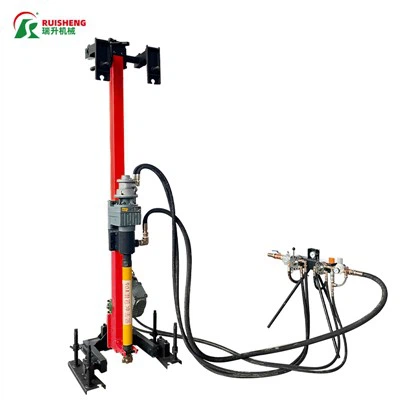
A drilling machine, also called a drill press, is a powerful tool used to cut a round hole into or through metal, plastic, wood, or other solid materials through turning and advancing rotary drill bits into a workpiece. This drilling cutting tool is held in the drill press by a chuck and fed into the work at variable speeds. The speed and feed should be set properly and coolant needs to be provided for the desired finished part. The drilling machine can not only be applied in the drilling process, but also useful for many other machining operations. There are various operations can be performed on a drilling machine, such as plane drilling, step drilling, core drilling, boring, counterboring, reaming, countersinking, spot facing, tapping, and trepanning.
Advantages of Drilling Machine
Versatility
Drilling machines are versatile and can be used to drill holes in a wide range of materials, including wood, metal, plastic, and concrete. This makes them suitable for use in different industries and applications.
Efficiency
Drilling machines are efficient and can quickly drill holes in materials. They can also be adjusted to drill holes of different sizes and depths, making them suitable for a variety of applications.
Precision
Drilling machines are precise and can drill holes with high accuracy. This is important in applications where precise hole placement is required, such as in the manufacturing of components and parts.
Durability
Drilling machines are durable and can withstand heavy use. They are also easy to maintain and can be repaired when necessary, extending their lifespan.
Flexibility
Drilling machines can be used in different settings, including workshops, factories, and construction sites. They can also be mounted on benches or stands for more precise drilling operations.
Variety of attachments
Drilling machines can be equipped with different attachments, such as drill bits, countersinks, and taps, allowing for a wide range of drilling operations.
Safety
Drilling machines have safety features such as emergency stop buttons and safety guards to prevent accidental contact with moving parts. Proper training and adherence to safety guidelines can further reduce the risk of accidents or injuries.




Why Choose Us
High quality
Our products are manufactured or executed to very high standards, using the finest materials and manufacturing processes.
Competitive Price
We offering a higher-quality product or service at an equivalent price. As a result we have a growing and loyal customer base.
Rich experience
Our company has many years of production work experience. The concept of customer-oriented and win-win cooperation makes the company more mature and stronger.
Global shipping
Our products support global shipping and the logistics system is complete, so our customers are all over the world.
After-sale service
Professional and thoughtful after -sales team, let you worry about us after -sales Intimate service, strong after -sales team support.
Advanced equipment
A machine, tool or instrument designed with advanced technology and functionality to perform highly specific tasks with greater precision, efficiency and reliability.
Types of Drilling Machine


CNC drilling machine
A CNC (Computer Numerical Control) drilling machine is mechanically similar to a standard drilling machine. However, it is automatically controlled via a computer that interprets a set of machine-readable instructions called G-code. A CNC drilling machine is more accurate and offers improved productivity when compared to standard hand-operated machines.
Sensitive drilling machine
A sensitive drilling machine is designed for low-volume drilling of small-diameter holes. The feed rate of these machines is manually controlled by turning a wheel that drives the tool into the workpiece. It is called a "sensitive drilling machine" because a skilled operator is closely attuned to the feel of the work under the drill, and he can manually control the exact amount of pressure he applies to complete the drilling operation.
Radial drilling machine
A radial drilling machine has its spindle mounted on an arm that can be rotated around the column while also allowing the drill head, spindle, and feed mechanism to move radially along the arm. This machine allows the operator to drill in various locations without having to reposition the workpiece.
Upright drilling machine
An upright drilling machine is similar in construction to a sensitive drilling machine but is more robust. It typically has a power feed that automatically plunges the tool into the workpiece. Upright drilling machines are better suited to heavy-duty applications.
Gang drilling machine
A gang drilling machine has multiple independent columns, each with its own drive and spindle mounted to a shared base. These machines are typically used when multiple successive operations must be performed, for example, drilling and then tapping. A multi-spindle drill on the other hand is typically designed to drill multiple holes at once.
Deep-hole drilling machine
Deep-hole drilling machines are typically used to drill holes with at most a 20:1 diameter to depth ratio. Deep-hole drilling machines are usually oriented horizontally to allow for larger workpieces to lay on their sides and require high-pressure coolant to be pumped to the cutting interface to flush chips away from the hole.
Multiple-spindle drilling machine
A multiple-spindle drilling machine is designed to drill multiple holes into a single workpiece simultaneously, repeating that same hole pattern for every part. These machines are ideally suited to mass production of identical parts. Gang drilling machines have similar capabilities and are more flexible in terms of capabilities.
Portable drilling machine
A portable drilling machine is hand-operated. It is used for light-duty drilling operations. A portable drill can be powered with a battery, pressurized air, or an electrical cable plugged into a wall socket. This is the perfect drill machine for home use.
Portable hand drill
This handheld drilling machine is compact and lightweight, making it easy to carry and use in various applications. It is commonly used for drilling small holes or in situations where mobility is required.
Bench Drill Press
This is a stationary drilling machine mounted on a workbench or stand. It is commonly used for drilling precise holes in small to medium-sized workpieces. It has a vertical spindle and a table that can be adjusted for height and angle.
Application of Drilling Machine
Metalworking
Drilling machines are extensively used in metalworking industries for drilling holes in metal components. They are used in manufacturing processes such as fabrication, machining, and assembly.
Woodworking
Drilling machines are used in woodworking industries for drilling holes in wooden materials. They are commonly used in furniture making, cabinetry, and carpentry.
Construction
Drilling machines play a crucial role in construction projects. They are used for drilling holes in concrete, masonry, and other construction materials. They are commonly used in tasks such as installing electrical wiring, plumbing, and anchoring structures.
Mining and exploration
Drilling machines are used in mining and exploration activities to extract minerals and resources from the earth. They are used for drilling boreholes, exploration wells, and extracting core samples.
Oil and gas industry
Drilling machines are essential in the oil and gas industry for drilling oil wells and extracting petroleum and natural gas. They are used in both onshore and offshore drilling operations.
Automotive industry
Drilling machines are used in the automotive industry for various applications such as drilling holes for bolts, screws, and fasteners. They are used in manufacturing processes for engines, chassis, and other automotive components.
Aerospace industry
Drilling machines are used in the aerospace industry for drilling holes in aircraft components, such as wings, fuselage, and engine parts. They are used in the manufacturing, maintenance, and repair of aircraft.
Electrical and electronics industry
Drilling machines are used in the electrical and electronics industry for drilling holes in circuit boards, panels, and enclosures. They are used in the production of electronic devices and electrical equipment.
Medical industry
Drilling machines are used in the medical industry for various applications, such as drilling holes in bone during surgical procedures. They are used in orthopedic surgeries, dental procedures, and other medical interventions.
DIY and home improvement
Drilling machines are commonly used by DIY enthusiasts and homeowners for various home improvement projects. They are used for drilling holes in walls, installing shelves, hanging curtains, and other household tasks.
Components of Drilling Machine
Base
The base of the drilling machine supports the machine and can either be fixed to a workshop floor or mounted to a work table in the case of smaller machines. Some bases have slots to allow for bolting and holding larger workpieces that cannot fit on the table.
Column
The column is usually a hollow, cylindrical structure that connects the base, table, and head of a drilling machine. The column also serves as a linear slide on which the table moves up and down. The table clamps onto the column once positioned as desired.
Arm
On larger drilling machines the arm is attached to the column and is used to support the spindle and drill chuck. The arm also allows for some travel in a direction perpendicular to the column. Smaller machines do not have an arm and instead, have the spindle positioned relatively close to the column on the head assembly.
Drill head
The drill head contains the spindle, feed mechanism, and drill chuck. The spindle is usually driven by an electric motor via a gearbox. For larger machines with arms, the electric motor’s power can be transmitted via a series of V-belts and pulleys.
Worktable
The table provides a stable surface for the workpiece. It can be raised or lowered to adjust the drill bit's distance from the workpiece. The table also has T-slots or holes to facilitate clamping of the workpiece. A sensitive drill has a much smaller worktable when compared to a gang drill, for example. A sensitive drilling machine worktable is not designed for heavy loads whereas a gang drills worktable is.
Feed mechanism
The feed mechanism is designed to control the rate at which the drill is lowered into the material. The optimal feed rate and the speed of the drill bit are determined by the type of material being drilled and the size of the drill bit.
Spindle
The spindle is a shaft assembly with bearings that connects the electric motor to the chuck. Spindles are designed to have as little rotational eccentricity as possible to ensure drilled holes are concentric.
Chuck
The chuck is a mechanism used to grip the tool tightly enough to stop the tool from slipping during drilling operations. A drill chuck typically has three jaws whose position can be adjusted to account for different drill bit diameters. When adjusted, these jaws move either radially inwards or outwards to account for different diameters.
Electric motor
All our products have warranty service,the motor warranty ten years,other accessories warranty two years,any problem we will try to solve for you!
Material of Drilling Machine
Cast iron
Cast iron is a popular material used in the manufacture of drilling machines due to its strength and durability. It is often used in the construction of heavy-duty industrial drilling machines.
Steel
Steel is another commonly used material for drilling machines. It is strong and durable, and can withstand high levels of stress and pressure. Steel is often used in the manufacture of portable drilling machines, as well as in industrial applications.
Aluminum
Aluminum is a lightweight material that is often used in the manufacture of drilling machines. It is corrosion-resistant and easy to machine, making it a popular choice for drilling machines used in construction and other applications.
High-speed steel (HSS)
HSS is a material often used in the manufacture of drilling machine components, such as drill bits. It is known for its high hardness and wear resistance, making it ideal for drilling through tough materials.
Titanium
Titanium is a lightweight and durable material that is sometimes used in the manufacture of high-end drilling machines. It is known for its strength and resistance to corrosion, making it a popular choice for drilling machines used in harsh environments.
How to Maintain Drilling Machine
Keep the machine clean: Regularly clean the machine to remove dust, debris, and other contaminants that can affect its performance. Use a soft cloth or brush to clean the machine and avoid using harsh chemicals that can damage the machine.
Lubricate moving parts: Lubricate the moving parts of the machine, such as the spindle, gears, and bearings, to reduce friction and wear. Use the recommended lubricant and follow the manufacturer's instructions for lubrication.
Check and replace worn parts: Regularly inspect the machine for worn or damaged parts, such as belts, pulleys, and drill bits. Replace any worn or damaged parts to prevent further damage to the machine.
Adjust the machine: Check and adjust the machine's settings, such as the table height, drill depth, and speed, to ensure optimal performance. Follow the manufacturer's instructions for adjusting the machine.
Store the machine properly: Store the machine in a dry and clean place to prevent rust and damage. Cover the machine with a protective cover when not in use.
Follow safety guidelines: Follow the safety guidelines and precautions when using the machine. Wear appropriate safety gear, such as eye protection and gloves, and avoid wearing loose clothing or jewelry that can get caught in the machine.
Schedule regular maintenance: Schedule regular maintenance and servicing of the machine to ensure its optimal performance. Follow the manufacturer's recommended maintenance schedule and seek professional help if necessary.
A drilling machine operates on the principle of creating holes in a workpiece by rotating a cutting tool called a drill bit at high speed. The drill bit, often made of high-speed steel or tungsten carbide, has cutting edges that are sharpened to cut into the material. When the drill bit is rotated, these sharp edges slice through the material, gradually forming a hole. The drilling machine typically has a motor that drives the rotation of the drill bit, and a feed mechanism that controls the depth of the hole being drilled. The machine may also have adjustable components, such as a depth stop, to control the drilling depth accurately.
How to Choose the Drilling Machine Correctly
Type of drilling
Consider the type of drilling you will be doing, such as drilling through metal, wood, concrete, or other materials. Different types of drilling machines are designed for specific materials, so choose a machine that is suitable for your needs.
Size and capacity
Consider the size and capacity of the drilling machine, such as the maximum drilling depth and diameter. Choose a machine that can handle the size and capacity of the drilling tasks you will be performing.
Power source
Consider the power source of the drilling machine, such as electric, pneumatic, or hydraulic. Choose a power source that is suitable for your needs and available power supply.
Speed and torque
Consider the speed and torque of the drilling machine, which can affect the efficiency and accuracy of the drilling. Choose a machine with adjustable speed and torque settings to suit different drilling tasks.
Chuck type
Consider the type of chuck on the drilling machine, such as keyless or keyed. Choose a chuck type that is suitable for your needs and preferences.
Brand and quality
Consider the brand and quality of the drilling machine, as this can affect its durability, reliability, and performance. Choose a reputable brand and high-quality machine that is built to last.
Precautions for Using an Drilling Machine
Wear appropriate protective equipment
Always wear safety glasses, gloves and a dust mask to protect your eyes, skin and respiratory system from flying particles and dust.
Check the machine before use
Check the air hoses or connections for any visible damage or leaks. If any defects are found, do not use the machine.
Use the correct drill bit
Choose the right drill bit for the material you want to drill. Using an inappropriate drill bit may result in poor machine performance or damage.
Keep work area clean
Clear the work area of any debris or tripping hazards to prevent accidents.
Fixed workpiece
Be sure to clamp or otherwise secure the workpiece to prevent it from moving while drilling.
Lubricate the machine regularly
Regular lubrication helps prevent overheating and excessive wear.
Use the correct air pressure
Adjust air pressure according to manufacturer's recommendations. Using too much or too little pressure can damage the machine or affect the quality of drilling.
Follow lockout/tagout procedures
When performing maintenance or repairs, be sure to follow proper lockout/tagout procedures to isolate the machine from its energy source and prevent accidental start-up.
Disconnect hose when not in use
To prevent accidental start-up or potential tripping hazards, disconnect the air hose from the machine when the machine is not in use.
Train operator
Ensure all operators receive appropriate training on safe rig operation, including emergency procedures.
How to Install Drilling Machine
Unpack the machine
Carefully remove the drill from the packaging and inspect for any obvious damage or missing parts.
Choose the right location
Choose a flat, stable surface to place the drill. The surface should be strong enough to support the weight of the machine and the material being drilled.
Leveling machine
Use a level to ensure the drill is balanced on the base. Adjust the legs or feet of the machine until it is level.
Connect the power supply
Plug the power cord into a properly wired, grounded electrical outlet with the appropriate amperage for the machine.
Assembling a drill press
If the machine comes with any add-ons, such as a table or vise, assemble according to the manufacturer's instructions.
Install drill bit
Insert the desired drill bit into the machine's chuck and use the chuck key to tighten it until it is securely seated.
Test the machine
Before using your drill for the first time, perform a test run to make sure it is working properly. Turn on the machine and observe the motor operation and drill bit rotation.
Adjust depth stop
If your drill has a depth limiter, set it to the desired drilling depth to prevent over-drilling.
Fixed workpiece
Use a vise or clamp to hold the workpiece securely in place while drilling.
Perform regular maintenance
Regularly inspect and maintain your drilling rig to ensure it is in good working order. Clean and lubricate the machine according to the manufacturer's recommendations.
What Are the Trends and Development Directions of Drilling Machine in the Market
Automation
There is a growing trend towards automation in drilling machines, with the use of robotics and artificial intelligence to improve efficiency and accuracy. Automated drilling machines can perform complex drilling tasks with minimal human intervention, reducing the risk of errors and improving productivity.
Integration with other technologies
Drilling machines are increasingly being integrated with other technologies, such as sensors, data analytics, and cloud computing. This integration allows for real-time monitoring and analysis of drilling operations, enabling better decision-making and optimization of drilling processes.
Energy efficiency
There is a growing focus on energy efficiency in drilling machines, with the use of advanced technologies such as variable frequency drives and regenerative braking systems. These technologies can reduce energy consumption and improve the sustainability of drilling operations.
Safety features
Safety is a top priority in drilling operations, and there is a growing trend towards the development of drilling machines with advanced safety features. These features include automatic shut-off systems, emergency stop buttons, and safety guards to protect operators from hazards.
Lightweight and portable designs
There is a growing demand for lightweight and portable drilling machines that can be easily transported and used in remote locations. These machines are designed to be compact and easy to handle, without compromising on performance or durability.
Customization
There is a growing trend towards the customization of drilling machines to meet the specific needs of industries and applications. Manufacturers are offering a range of customization options, such as different drilling heads, drilling depths, and drilling speeds, to meet the unique requirements of customers.
Our Factory
Ruisheng Machinery is located in Shuitou Town, the stone capital of China, 40 kilometers away from Xiamen. As a global supplier of double-blade mining machinery, wire saw machines, fully automatic polishing machines and other products, Ruisheng Machinery is committed to creating added value for customers around the world.


FAQ
Q: What is a drilling machine?
Q: What are the different types of drilling machines?
Q: What are the key components of a drilling machine?
Q: How does a drilling machine work?
Q: What factors should I consider when choosing a drilling machine?
Q: Can drilling machines be used for different materials?
Q: What safety precautions should I take when using a drilling machine?
Q: How do I maintain a drilling machine?
Q: Can drilling machines be used for precision drilling?
Q: What are the advantages of using a magnetic drilling machine?
Q: Can drilling machines be used for tapping threads?
Q: What is the difference between a corded and cordless drilling machine?
Q: Can drilling machines be used for countersinking or counterboring?
Q: Can drilling machines be used for woodworking?
Q: Are there drilling machines suitable for DIY or home use?
Q: Can drilling machines be used for other operations besides drilling?
Q: What is the maximum drilling depth and diameter of a drilling machine? The maximum drilling
Q: Can drilling machines be used for drilling in tight spaces?
Q: Can drilling machines be used for drilling at an angle?