

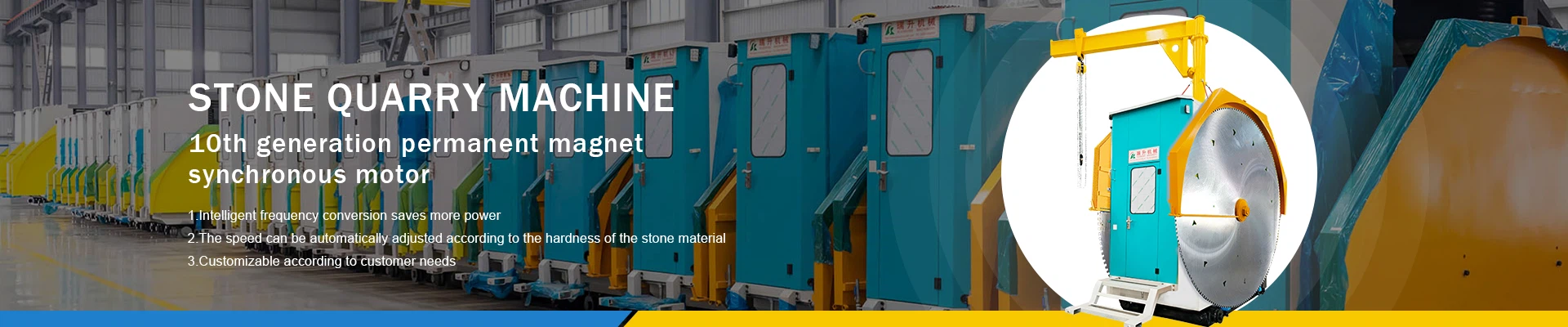


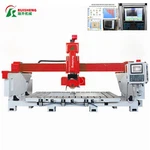




CNC Stone Machine
CNC (Computer Numerical Control) stone machine is a high-tech equipment used for carving, cutting, and polishing stone materials. It is programmed using a computer to control the movement of the machine's tools, allowing for precise and complex designs to be created on stone surfaces. The CNC stone machine is commonly used in the construction and monument industries for creating architectural elements, sculptures, and decorative items. It offers high efficiency, accuracy, and versatility compared to traditional stone carving techniques.
Advantages of CNC Stone Machine
High precision
CNC machines are programmed with exact measurements and patterns, allowing for very precise cutting, carving, and shaping of stone. This level of accuracy is difficult to achieve with manual methods
Increased efficiency
The automated nature of CNC machines means that they can work continuously without the need for constant operator intervention. This can significantly increase productivity and throughput compared to traditional stone working techniques.
Versatility
CNC machines can be programmed to perform a wide range of tasks, from simple cuts to complex designs. This allows for a high degree of customization and the ability to create a variety of products.
Reduced labor costs
While CNC machines can be expensive to purchase and maintain, they can reduce labor costs in the long run by eliminating the need for skilled stone carvers to perform every task manually.
Repeatability
Once a pattern or design is programmed into a CNC machine, it can be repeated exactly every time. This is especially useful for mass production or when multiple identical pieces are needed.
Improved safety
Using CNC machines can reduce the risk of workplace accidents, as many of the tasks that were previously done by hand can now be automated.
Environmental benefits
CNC machines can help reduce waste by allowing for more efficient use of stone materials. They can also reduce the amount of energy used in the stone working process compared to traditional methods.
Quality control
CNC machines can ensure a consistent level of quality in every piece produced, as the parameters for each task are set in advance and closely monitored by the machine's controller.
Ease of use
With modern user-friendly interfaces, operators with minimal training can effectively program and operate CNC machines, making them accessible to a wider range of users.
Scalability
CNC machines can be used for small-scale production as well as large-scale industrial projects, making them flexible tools for a variety of applications.




Why Choose Us
High quality
Our products are manufactured or executed to very high standards, using the finest materials and manufacturing processes.
Competitive Price
We offering a higher-quality product or service at an equivalent price. As a result we have a growing and loyal customer base.
Rich experience
Our company has many years of production work experience. The concept of customer-oriented and win-win cooperation makes the company more mature and stronger.
Global shipping
Our products support global shipping and the logistics system is complete, so our customers are all over the world.
After-sale service
Professional and thoughtful after -sales team, let you worry about us after -sales Intimate service, strong after -sales team support.
Advanced equipment
A machine, tool or instrument designed with advanced technology and functionality to perform highly specific tasks with greater precision, efficiency and reliability.
Types of CNC Stone Machine
CNC bridge saw
A CNC bridge saw is a versatile machine used for cutting stone slabs. It has a bridge-like structure on which a diamond blade is mounted. The machine can perform straight cuts, bevel cuts and miter cuts with high precision.


CNC water jet cutting machine
CNC waterjet cutting machines use high-pressure water jets mixed with abrasive particles to cut stone. It can create complex shapes and designs with high precision. Waterjet cutting is ideal for cutting heat-sensitive materials such as marble and glass.
CNC milling machine
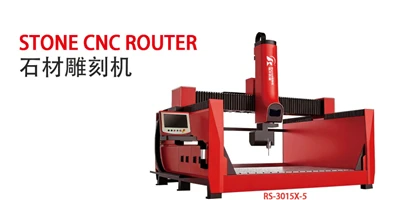
CNC milling machines are versatile machines that can be used for a variety of applications, including stone cutting and engraving. It uses rotating cutting tools to carve, shape and cut stone. CNC milling machines are often used to create intricate designs, patterns and decorative elements on stone surfaces.


CNC wire saw
CNC wire saw machines use wires with diamond beads to cut stone. The wire is passed through a series of pulleys and driven by a motor, allowing for continuous cutting. Wire saws are often used to cut large rocks into flat sheets or to form curved or irregular shapes.
CNC profiling machine
CNC profiling machines are used for shaping and profiling stone edges. It can create various edge profiles such as fillets, bevels, hyperbolas, etc. The machine uses a diamond profiling wheel to precisely shape the edge of the stone.


CNC bridge milling machine
CNC bridge milling machines are used for milling and shaping stone surfaces. It has a bridge-type structure with a milling spindle that moves along the X, Y and Z axes. The machine can perform precise milling, drilling and shaping operations on stone.
Application of CNC Stone Machine
Stone cutting
CNC stone machines are mainly used to cut stone into various shapes and sizes. They can cut straight lines, curves, bevels and complex designs with high precision and accuracy.
Stone analysis
CNC stone machines can be used to create different edge profiles on the stone surface. They can shape and polish the edges of countertops, vanities, and other stone products to achieve desired profiles such as fillets, bevels, double curves, and more.
Stone carving
CNC stone machines are capable of engraving complex designs, patterns and text on the surface of stone. This is often used to create personalized memorials, signage, decorative elements and artistic stonework.
Stone carving
CNC stone machines can be used to carve stone into three-dimensional shapes and sculptures. They can accurately carve intricate details and create intricate sculptures with ease.
Stone inlays and mosaics
CNC stone machines can be used to create stone inlays and mosaics by cutting and shaping small stones to fit together in patterns or designs. This technique is commonly used in flooring, wall cladding and decorative applications.
Stone repair
CNC stone machines can be used for stone restoration projects, such as repairing damaged or worn stone surfaces. They can accurately cut and shape replacement pieces to match the existing stone and restore the original look.
Stone carvings and inscriptions
CNC stone machines can be used to create precise lettering and inscriptions on stone surfaces. This is commonly used to add names, dates and other text to memorials, monuments and architectural stone elements.
Stone processing
CNC stone machinery is crucial in the entire stone manufacturing process. They are used to cut, shape, and finish stone to create a variety of products such as countertops, tabletops, fireplace surrounds, and more.
Components of CNC Stone Machine


Control unit
This is the brain of the CNC machine tool. It consists of a computer or microcontroller running software that controls the movement of the machine. The control unit processes G-code (geometric code) instructions, which are programmed by the operator to define the machine's movements.
Servo motor
Servo motors are used to drive the various axes of the machine. These are high-precision electric motors that position the machine's cutting head with extreme precision.
Linear Guides
These precision rails allow the machine's axes to move smoothly and accurately. They are usually made of hardened steel and help maintain the precise positioning required for stone cutting.
Cutting head
The cutting head holds tools for cutting, shaping or polishing stone. This may include a variety of drill bits, blades and grinding wheels, depending on the type of stone work being done.
Spindle
The spindle is the motor that powers the cutting head. It rotates the tool at high speed to cut or shape the stone.
Workholding system
These devices are used to hold gemstones securely in place during the cutting or shaping process. They may include vacuum pumps, suction cups, clamps or specialized fixtures designed for specific types of stone.
User interface
This is the interface between the operator and the machine. It typically includes a screen for displaying instructions and feedback, and an input device, such as a keyboard or touch screen, for entering commands.
Power supply
The electrical components of the machine require a stable power supply. This can be a standard power socket, or in some cases a dedicated industrial power supply.
Cooling system
Cutting stone generates a lot of heat. Cooling systems usually involve water or air and are used to prevent the machine from overheating and maintain optimal performance.
Dust removal system
Stone cutting generates large amounts of dust, which is harmful to both the operator and the machine. Dust collection systems help remove this dust and keep your work environment clean and safe.
Material of CNC Stone Machine
Steel
Steel is commonly used for the main frame and structural components of CNC stone machines. It provides strength, rigidity, and stability to the machine.
Cast iron
Cast iron is often used for the machine bed and other heavy-duty components. It offers excellent vibration damping properties, which helps to maintain cutting accuracy and stability.
Aluminum
Aluminum is used for certain non-structural components of CNC stone machines, such as covers, panels, and brackets. It is lightweight and corrosion-resistant, making it suitable for these applications.
Granite or marble
Some CNC stone machines may have granite or marble components, such as worktables or guide rails. These materials provide a flat and stable surface for precise cutting and positioning.
Composite materials
In some cases, CNC stone machines may incorporate composite materials, such as fiberglass-reinforced plastics (FRP), for certain components. These materials offer a good balance of strength, weight, and cost-effectiveness.
How to Maintain CNC Stone Machine
Regular cleaning
Clean the machine regularly to remove dust, debris and gravel. Use a soft brush or vacuum cleaner to clean machine surfaces, including the table, guide rails, and spindle areas. Avoid using harsh chemicals that may damage machine parts.
Lubrication
Proper lubrication is essential for smooth operation and preventing wear. Follow the manufacturer's guidelines for lubricating the machine's moving parts, such as guide rails, ball screws, and spindles. Use recommended lubricant and apply at specified intervals.
Check and adjust belt tension
Check your machine's belt regularly to make sure it is properly tensioned. Loose or worn belts can affect machine accuracy and performance. Follow the manufacturer's instructions and adjust or replace the belt as needed.
Check and clean filters
CNC stone machines are often equipped with air or water filtration systems to remove dust and debris. Check and clean filters regularly to maintain their effectiveness. Replace filters when necessary to ensure proper airflow and filtration.
Check electrical connections
Regularly check the machine's electrical connections and wiring. Find any loose or damaged connections and fix them immediately. Make sure the machine is properly grounded to prevent electrical problems.
Calibration and alignment
Calibrate and align the machine regularly to maintain its accuracy. Use precision measuring tools to check the machine for plumbness, parallelism and plumbness. Make necessary adjustments to ensure precise cutting and positioning.
Software updates
Keep your machine’s control software up to date by installing the latest updates and patches from the manufacturer. Software updates often include bug fixes, performance improvements, and new features.
Operator training
Provide appropriate training to machine operators to ensure they understand machine operation, maintenance procedures and safety protocols. Well-trained operators can identify and resolve potential issues before they become major problems.
Regular maintenance
Follow the manufacturer's recommended CNC stone machine maintenance schedule. This may include regular inspections, lubrication, belt replacement and other maintenance tasks. Adhering to the schedule will help prevent breakdowns and extend the life of your machine.
Professional services
If you encounter any major issues or your machine requires complex repairs, it is recommended to seek professional repairs from a qualified technician. They have the expertise and tools to diagnose and solve problems effectively.
The first step is to create a digital design or model of the desired stone product using computer-aided design (CAD) software. The design includes the dimensions, shapes, and details of the stone piece.Once the design is complete, the CAD software generates a toolpath, which is a series of instructions that guide the CNC machine on how to cut and shape the stone. The toolpath takes into account factors such as cutting depth, tool speed, and tool orientation. The stone material is securely placed on the machine's worktable or fixture. The machine is then set up by aligning the cutting tools, calibrating the machine's position, and inputting the necessary parameters into the machine's control system.The CNC stone machine is operated by a computer control system, which receives the toolpath instructions and translates them into precise movements of the machine's axes. The machine's axes include the X-axis (horizontal movement), Y-axis (vertical movement), and Z-axis (depth or cutting movement).The machine's cutting tools, such as diamond saw blades or router bits, are activated and move along the programmed toolpath. The tools cut, shape, and remove material from the stone according to the design specifications. The machine's high precision and accuracy ensure that the cuts and shapes are executed with minimal errors.During the cutting process, water or coolant is often used to cool the cutting tools and reduce heat buildup. This helps to prevent damage to the tools and the stone material. Additionally, dust extraction systems are employed to remove the stone dust and debris generated during cutting, ensuring a clean working environment.After the initial cutting and shaping, the CNC stone machine may be equipped with additional tools for finishing and polishing the stone surface. These tools can smooth out rough edges, polish the surface to a desired finish, and add decorative details if needed.Once the machining process is complete, the finished stone product is inspected for quality and accuracy. Any necessary adjustments or refinements can be made before the final product is considered complete.
How to Choose the CNC Stone Machine Correctly
Machine size and capacity
Determine the size and capacity of the machine based on the size of the stone pieces you will be working with. Consider the maximum dimensions and weight that the machine can handle. Ensure that the machine's worktable or fixture can accommodate your stone material.
Cutting and shaping capabilities
Evaluate the machine's cutting and shaping capabilities. Consider the types of cutting tools and attachments that the machine can accommodate. Determine if the machine can perform the specific cutting and shaping operations you require, such as straight cuts, curves, bevels, and intricate designs.
Precision and accuracy
Choose a CNC stone machine that is built with durable and reliable components. Look for machines made from high-quality materials that can withstand the demands of stone cutting and fabrication. Consider the reputation and track record of the manufacturer for producing reliable machines.
Speed and efficiency
Assess the machine's speed and efficiency in terms of cutting and shaping operations. Consider the machine's cutting speed, tool change time, and overall production rate. A faster and more efficient machine can increase productivity and reduce production time.
Control system and software
Evaluate the machine's control system and software. Look for a user-friendly interface that allows for easy programming and operation. Consider the compatibility of the machine's software with your CAD/CAM software for seamless design transfer.
Durability and reliability
Choose a CNC stone machine that is built with durable and reliable components. Look for machines made from high-quality materials that can withstand the demands of stone cutting and fabrication. Consider the reputation and track record of the manufacturer for producing reliable machines.
Maintenance and support
Consider the maintenance requirements of the machine and the availability of technical support. Look for machines that are easy to maintain and have readily available spare parts. Ensure that the manufacturer or supplier offers comprehensive technical support and assistance.
Safety features
Prioritize the safety features of the CNC stone machine. Look for machines that have safety guards, emergency stop buttons, and other safety mechanisms to protect operators and prevent accidents.
Budget and cost
Determine your budget for the CNC stone machine and consider the overall cost of ownership. Compare the prices of different machines and consider the long-term value and return on investment. Avoid compromising quality and features for a lower price.
Precautions for Using an Air CNC Stone Machine
Personal protective equipment (PPE)
Always wear appropriate personal protective equipment, such as safety glasses, gloves, and ear protection. This will protect you from flying debris, dust, and noise generated during the cutting process.
Machine inspection
Before operating the machine, inspect it thoroughly for any signs of damage or wear. Check the cutting tools, belts, and other components for proper alignment and condition. Do not operate the machine if you notice any issues or abnormalities.
Proper ventilation
Ensure that the work area is well-ventilated to prevent the accumulation of dust and fumes. Use exhaust fans or ventilation systems to remove airborne particles and maintain a clean working environment.
Secure workpiece
Make sure the stone material is securely clamped or fastened to the machine's worktable or fixture. This will prevent the material from shifting or moving during the cutting process, reducing the risk of accidents or damage.
Tool Selection and maintenance
Use the appropriate cutting tools for the specific stone material and cutting operation. Ensure that the tools are sharp and in good condition. Dull or damaged tools can cause poor cutting performance and increase the risk of accidents.
Cutting parameters
Set the cutting parameters, such as cutting speed, feed rate, and depth of cut, according to the manufacturer's recommendations and the characteristics of the stone material. Avoid excessive cutting speeds or depths that can strain the machine or compromise cutting quality.
Emergency stop
Familiarize yourself with the location and operation of the emergency stop button or switch. In case of any emergencies or unexpected situations, immediately press the emergency stop to halt the machine's operation.
Operator training
Ensure that operators are properly trained in the operation of the air CNC stone machine. They should be familiar with the machine's controls, safety features, and operating procedures. Regular training and refresher courses can help maintain safe and efficient operation.
Regular maintenance
Follow the manufacturer's recommended maintenance schedule for the machine. Regularly inspect and clean the machine, lubricate moving parts, and replace worn-out components. Proper maintenance will ensure the machine's optimal performance and longevity.
Manufacturer's guidelines
Always follow the manufacturer's guidelines and instructions for the safe operation of the air CNC stone machine. These guidelines provide specific information and precautions for your particular machine model.
How to Install CNC Stone Machine
Prepare the installation site
Choose the right location for your CNC stone machine. Make sure there is enough space on site to accommodate the machine, including moving clearance and utility access. The site should also have a level and stable floor to support the weight of the machine.
Check power requirements
Determine the power requirements of the CNC stone machine and ensure that the necessary power supply is available at the installation site. Refer to your machine's specifications or manufacturer's guidelines for required voltage, phase, and amperage. If necessary, hire a licensed electrician to install proper electrical connections.
Prepare the basics
If necessary, prepare a solid foundation for the CNC stone machine. This may involve pouring a concrete pad or installing reinforced floors to support the weight of the machine and minimize vibrations. Follow the manufacturer's recommendations for base design and dimensions.
Unpack and assemble the machine
Carefully unpack the CNC stone machine and its components. Assemble the machine according to the manufacturer's instructions, including attaching the base, gantry, and other structural components. Properly secure the machine using the tools and hardware provided.
Level and align the machine
Use a level and precision measuring tools to ensure the machine is level and properly aligned. Adjust the machine's feet or leveling pads as needed to achieve a level and stable position. Check machine alignment along the X, Y and Z axes to ensure precise cutting and positioning.
Connect utilities
Connect the necessary utilities to the CNC stone machine. If the machine has a cooling or dust collection system, this may include electricity, compressed air and water supply. Please follow the manufacturer's guidelines for connecting and configuring the utility.
Install control system and software
Install the control system and software of the CNC stone machine. This may involve connecting control panels, computers, and other peripherals. Install the necessary software and configure the machine's settings according to the manufacturer's instructions.
Testing and calibration
Perform initial testing and calibration procedures to ensure proper operation of the CNC stone machine. Test the machine's movement along its axes, check positioning accuracy, and verify the functionality of cutting tools. Make any necessary adjustments or calibrations for optimal performance.
Operator training
Provide training to machine operators on how to operate CNC stone machines safely and efficiently. Familiarize them with the machine's controls, software interface and safety features. Train operators on proper maintenance procedures and troubleshooting techniques.
Final acceptance
After the CNC stone machine is installed and running, conduct a final inspection to ensure that all components are installed correctly and functioning properly. Obtain any necessary certifications or approvals from regulatory agencies, if required.
What Are the Trends and Development Directions of CNC Stone Machine in the Market
The trend of automation and integration of CNC stone machinery is growing day by day. Manufacturers are integrating advanced robotics and artificial intelligence (AI) technologies to automate a variety of processes, such as tool changing, material handling, and quality control. Integration with other systems such as CAD/CAM software and production management systems enables seamless workflow and increased efficiency.
Customers are increasingly demanding CNC stone machinery with higher precision and accuracy. Manufacturers are developing machines with improved positioning systems, advanced control algorithms and enhanced feedback mechanisms to achieve tighter tolerances and better cut quality. This trend is driven by the demand for intricate designs, complex shapes and high-quality finishes in stone products.
CNC stone machines are designed to provide versatility, allowing for a wider range of cutting and shaping operations. Manufacturers are integrating other cutting tools, such as water jets, lasers and engraving tools, to expand the capabilities of their machines. This trend enables customers to use one machine to perform a variety of stone processing tasks, reducing the need for multiple machines and increasing productivity.
The CNC stone machinery market is paying increasing attention to environmental sustainability. Manufacturers are developing machines with energy-efficient components, eco-friendly cooling systems and advanced dust collection systems to minimize energy consumption and reduce environmental impact. This trend is driven by growing awareness of environmental issues and the need for sustainable manufacturing practices.
With the advancement of Internet of Things (IoT) technology, CNC stone machinery is becoming more and more interconnected and capable of remote monitoring and control. Manufacturers are integrating sensors and data analytics into machines, allowing operators to monitor machine performance, track production metrics and diagnose problems remotely. This trend enables real-time decision-making, predictive maintenance, and increases overall equipment efficiency.
Customers are looking for CNC stone machines that offer customization and personalization options. Manufacturers are developing machines with flexible programming capabilities, intuitive user interfaces and easy-to-use design software. This trend enables customers to create unique custom stone products to meet personal preferences and market demands.
Safety is the top priority in the CNC stone machine market. Manufacturers are integrating advanced safety features such as collision detection systems, emergency stop mechanisms and operator protection devices to ensure safe operation. This trend is driven by the need to protect operators, prevent accidents and comply with strict safety regulations.
Manufacturers are focusing on improving the user experience of CNC stone machines. This includes developing machines with ergonomic design, intuitive interfaces and user-friendly software. The goal is to make the machine easier to operate, reduce training time and increase overall user satisfaction.
Our Factory
Ruisheng Machinery is located in Shuitou Town, the stone capital of China, 40 kilometers away from Xiamen. As a global supplier of double-blade mining machinery, wire saw machines, fully automatic polishing machines and other products, Ruisheng Machinery is committed to creating added value for customers around the world.


FAQ
Q: What is a CNC stone machine?
Q: What are the advantages of using a CNC stone machine?
Q: What types of stone materials can be processed with a CNC stone machine?
Q: What are the main components of a CNC stone machine?
Q: How does a CNC stone machine work?
Q: What types of cutting operations can be performed with a CNC stone machine?
Q: How accurate are CNC stone machines?
Q: Can a CNC stone machine create intricate designs and patterns?
Q: How long does it take to learn how to operate a CNC stone machine?
Q: Is programming knowledge required to operate a CNC stone machine?
Q: Can a CNC stone machine be used for both small-scale and large-scale production?
Q: How do I maintain a CNC stone machine?
Q: What safety precautions should I take when operating a CNC stone machine?
Q: Can a CNC stone machine be used for other materials besides stone?
Q: Can a CNC stone machine be used for restoration and repair work?
Q: How do I choose the right CNC stone machine for my needs?
Q: Can a CNC stone machine be upgraded or retrofitted with new features?
Q: What is the lifespan of a CNC stone machine?
Q: Can a CNC stone machine be operated in a dusty environment?
Q: Can a CNC stone machine be operated by multiple operators?