

Selecting the appropriate coolant for a drilling machine is a crucial decision that can significantly impact the performance, efficiency, and longevity of the equipment. As a drilling machine supplier, I understand the importance of this choice and aim to provide valuable insights to help you make an informed decision. In this blog, I will discuss the factors to consider when selecting a coolant, the different types of coolants available, and how to determine the best fit for your drilling operations.
Factors to Consider When Selecting a Coolant
1. Drilling Material
The type of material you are drilling plays a vital role in coolant selection. Different materials have different properties, such as hardness, heat conductivity, and chemical reactivity. For example, drilling hard metals like stainless steel or titanium generates more heat and requires a coolant with better cooling and lubricating properties. On the other hand, softer materials like aluminum may require a coolant that prevents chip welding and provides good flushing.

2. Drilling Process
The drilling process, including the speed, feed rate, and depth of cut, also affects the coolant requirements. High-speed drilling operations generate more heat and require a coolant with excellent cooling capabilities. Similarly, deep-hole drilling may require a coolant that can effectively penetrate and flush chips out of the hole.
3. Machine Compatibility
It is essential to ensure that the selected coolant is compatible with your drilling machine. Some coolants may cause corrosion or damage to certain machine components, such as seals or gaskets. Check the machine manufacturer's recommendations and specifications to ensure that the coolant you choose is suitable for your equipment.
4. Environmental and Safety Considerations
Environmental and safety regulations are becoming increasingly stringent. When selecting a coolant, consider its environmental impact and safety requirements. Look for coolants that are biodegradable, non-toxic, and have low volatility to minimize the impact on the environment and protect the health of your workers.
5. Cost
Cost is always a factor in any purchasing decision. While it may be tempting to choose the cheapest coolant available, it is important to consider the long-term costs. A high-quality coolant may initially cost more but can provide better performance, reduce tool wear, and extend the life of your machine, ultimately saving you money in the long run.
Types of Coolants
1. Water-Based Coolants
Water-based coolants are the most commonly used type of coolant in drilling operations. They are made by mixing water with additives, such as emulsifiers, lubricants, and corrosion inhibitors. Water-based coolants offer excellent cooling properties, are relatively inexpensive, and are environmentally friendly. They can be further classified into three categories:
- Emulsifiable Oils: These coolants are made by mixing mineral oil with water using an emulsifier. They provide good lubrication and cooling and are suitable for a wide range of drilling applications.
- Semi-Synthetic Coolants: Semi-synthetic coolants contain a mixture of water, oil, and synthetic additives. They offer better lubrication and corrosion protection than emulsifiable oils and are more stable in hard water.
- Fully Synthetic Coolants: Fully synthetic coolants are made entirely of synthetic additives and water. They provide excellent cooling, lubrication, and corrosion protection and are suitable for high-speed and heavy-duty drilling operations.
2. Straight Oils
Straight oils, also known as neat oils, are pure mineral or synthetic oils without any water. They offer excellent lubrication and are suitable for applications where high lubricity is required, such as drilling hard metals. However, they have poor cooling properties and can be messy and difficult to clean up.
3. Gaseous Coolants
Gaseous coolants, such as compressed air or nitrogen, are sometimes used in drilling operations. They offer good cooling and flushing capabilities and are suitable for applications where low heat generation is required. However, they have limited lubrication properties and may not be suitable for all types of materials.
Determining the Best Coolant for Your Drilling Operations
1. Evaluate Your Requirements
Start by evaluating your specific drilling requirements, including the material you are drilling, the drilling process, and the machine you are using. Consider the factors discussed above to determine the key properties you need in a coolant.
2. Research Different Coolants
Once you have identified your requirements, research different types of coolants available in the market. Look for coolants that are specifically designed for your application and meet your performance, environmental, and safety requirements. Read product specifications, reviews, and case studies to get a better understanding of the coolant's capabilities.
3. Conduct Testing
Before making a final decision, it is recommended to conduct testing with different coolants on your drilling machine. This will allow you to evaluate the coolant's performance in your specific operating conditions and determine which one provides the best results. You can test factors such as tool life, surface finish, chip evacuation, and heat generation.
4. Consult with Experts
If you are unsure about which coolant to choose, consult with experts in the field. This could include coolant manufacturers, drilling machine suppliers, or industry professionals. They can provide valuable insights and recommendations based on their experience and expertise.
Our Drilling Machines and Coolant Recommendations
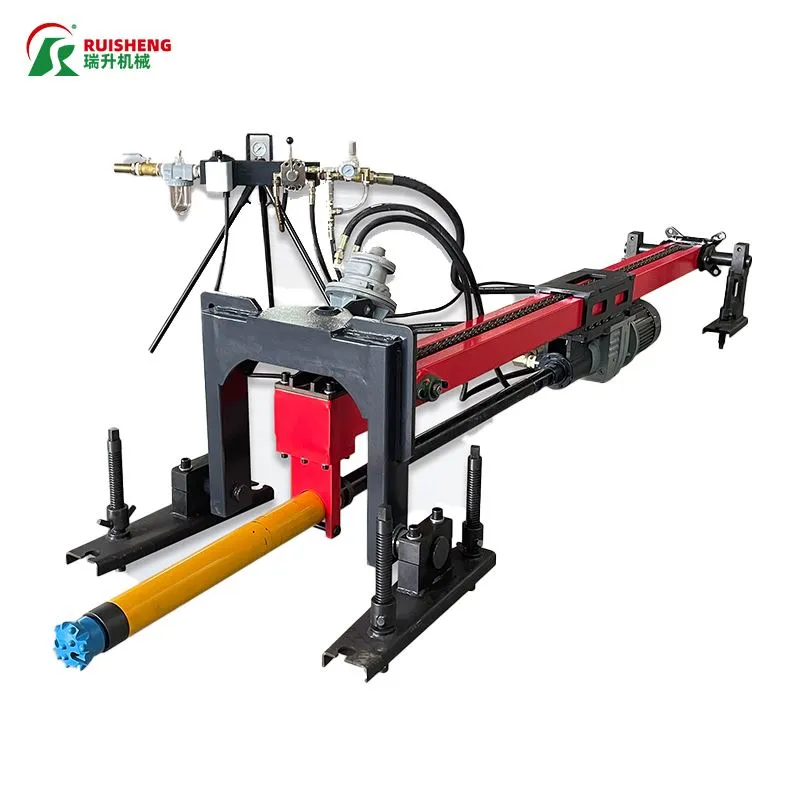
As a drilling machine supplier, we offer a range of high-quality drilling machines, including Handheld Pneumatic Rock Drills, Portable DHT Drilling Machine, and Hand Held Rock Drilling Equipment. Our machines are designed to deliver optimal performance and productivity, and we understand the importance of using the right coolant to achieve the best results.
For our handheld pneumatic rock drills, we recommend using a water-based coolant with good lubrication and cooling properties. This will help to reduce heat generation, extend tool life, and improve the overall performance of the drill. For our portable DHT drilling machines, a semi-synthetic coolant may be more suitable, as it provides better lubrication and corrosion protection, especially for drilling harder materials. Our hand-held rock drilling equipment is also compatible with a range of coolants, depending on the specific application.
Contact Us for More Information
Selecting the appropriate coolant for your drilling machine is a critical decision that can have a significant impact on your operations. If you have any questions or need further assistance in selecting the right coolant for your needs, please do not hesitate to contact us. Our team of experts is here to help you make an informed decision and ensure that you get the best performance from your drilling machine.
References
- American Machinist. (n.d.). Coolant Selection Guide. Retrieved from https://www.americanmachinist.com/technologies/coolants/article/21898379/coolant-selection-guide
- Sandvik Coromant. (2021). Coolant Basics. Retrieved from https://www.sandvik.coromant.com/en-us/knowledge/training/learning-center/coolant/coolant-basics
- Kennametal. (n.d.). Coolant Selection for Drilling. Retrieved from https://www.kennametal.com/en-us/knowledge-center/learning/coolant-selection-for-drilling.html


