

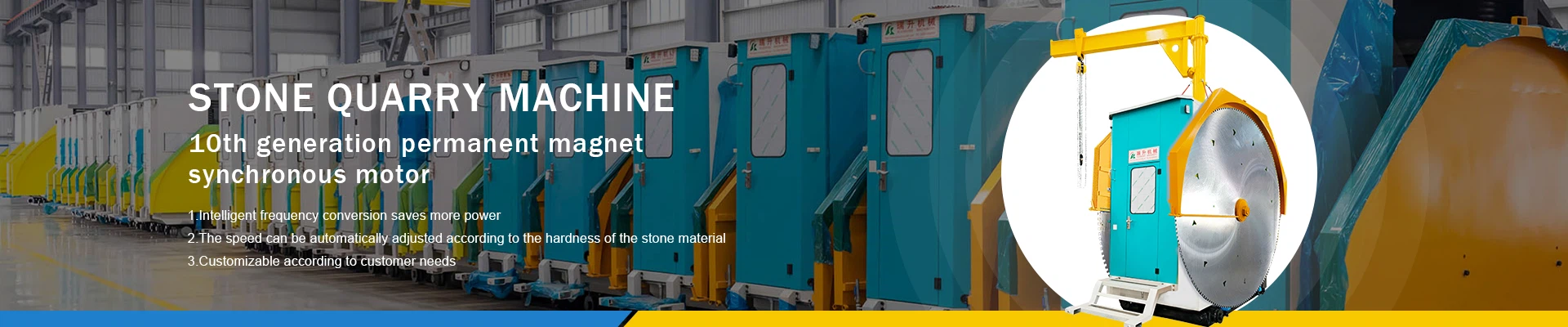
Cutting machine blades are not universal; they are designed for specific materials and applications. Here's why:
Material Compatibility
Different materials require different types of blades. For example:
Metals: High-speed steel (HSS) or tungsten carbide blades are commonly used for cutting metals.
Plastics and Composites: High-speed steel (HSS) or tungsten carbide tools are suitable for these materials.
Paper and Cardboard: Razor blades or circular knives are often used for these materials.
Blade Design and Grinding
Blades come in various designs and grinds to suit different cutting needs:
Circular Knives: These are versatile and can cut a wide range of materials, but their design and grinding must be appropriate for the specific material.
Razor Blades: These are designed for clean cuts with minimal dust, making them ideal for materials like plastic film and paper.

Blade Materials
The material of the blade also affects its compatibility with different materials:
Tungsten Carbide: Known for its high hardness and durability, making it suitable for cutting hard materials.
High-Speed Steel (HSS): Offers good heat resistance and is suitable for cutting materials that generate high friction.
Blade Coatings
Coatings can enhance the performance of cutting blades:
Coated Blades: Coatings like TiN (titanium nitride) or TiCN (titanium carbonitride) can improve wear resistance and reduce friction.
What should I consider when choosing a blade?
Choosing the right blade for your cutting machine involves several considerations to ensure optimal performance and longevity. Here are the key factors to keep in mind:
1. Material Being Cut
Metal: For cutting metals like steel, aluminum, and stainless steel, choose blades made from high-speed steel (HSS) or tungsten carbide. These materials offer durability and resistance to wear.
Plastic and Composite: For plastics and composites, HSS or tungsten carbide blades are suitable. Ensure the blade is designed for the specific type of plastic or composite.
Wood: For woodworking, use blades designed for cutting wood, such as those with carbide tips for durability and sharpness.
Stone and Ceramic: For cutting stone, ceramic, or glass, diamond blades are essential for their hardness and ability to cut through these materials without chipping.
2. Blade Material
High-Speed Steel (HSS): Offers good heat resistance and is suitable for cutting a variety of materials.
Tungsten Carbide: Known for its high hardness and durability, making it ideal for cutting hard materials.
Diamond: Essential for cutting extremely hard materials like stone, ceramic, and glass.
3. Blade Design and Geometry
Tooth Configuration: The number and shape of teeth on the blade affect cutting performance. More teeth generally provide a smoother cut but may require slower feed rates.
Grind and Coating: Blades with specific grinds and coatings (e.g., TiN, TiCN) can improve wear resistance and reduce friction, enhancing cutting performance.
4. Cutting Speed and Feed Rate
Material Compatibility: Ensure the blade is rated for the cutting speed and feed rate required for the material you are cutting.
Machine Capability: Consider the speed and power of your cutting machine to ensure it can handle the blade's requirements.
5. Blade Size and Fit
Machine Compatibility: Ensure the blade fits your cutting machine. Check the machine's specifications for compatible blade sizes and types.
Cutting Width and Depth: Choose a blade that provides the desired cutting width and depth for your application.
6. Safety and Durability
Safety Features: Look for blades with safety features such as guards and protective coatings to reduce the risk of injury.
Durability: High-quality blades made from durable materials will last longer and provide consistent performance.
7. Cost and Value
Budget: Consider your budget and the cost of the blade. High-quality blades may have a higher upfront cost but can offer better performance and longevity.
Return on Investment: Evaluate the blade's performance and durability to ensure it provides good value for your specific application.
What's the role of blade coatings in cutting performance?
Blade coatings play a crucial role in enhancing cutting performance, durability, and overall efficiency. Here's a detailed look at the role of blade coatings in cutting performance:
1. Increased Wear Resistance
Hard Coatings: Coatings like titanium nitride (TiN) and titanium carbonitride (TiCN) significantly increase the hardness of the blade surface. This reduces wear and tear, allowing the blade to maintain its sharpness and cutting efficiency for longer periods.
Reduced Friction: Coatings can reduce friction between the blade and the material being cut. Lower friction means less heat generation, which helps prevent thermal damage to both the blade and the material.
2. Improved Heat Resistance
Thermal Barriers: Coatings act as thermal barriers, protecting the blade from high temperatures generated during cutting. This is particularly important when cutting metals that produce significant heat.
Stable Cutting Conditions: By managing heat, coatings help maintain stable cutting conditions, reducing the risk of blade deformation and material damage.
3. Enhanced Cutting Performance
Smooth Cuts: Coatings can improve the surface finish of the cut, resulting in smoother and more precise cuts. This is especially important in applications requiring high precision, such as machining aerospace components or cutting delicate materials.
Reduced Vibration: Some coatings can dampen vibrations, leading to more stable and accurate cuts. This is beneficial for thin or flexible materials that are prone to vibration during cutting.
4. Extended Blade Life
Reduced Dulling: By protecting the blade from wear and reducing heat, coatings help extend the life of the blade. This means fewer replacements and lower maintenance costs over time.
Consistent Performance: Coated blades maintain their cutting performance longer, ensuring consistent results throughout their lifespan.
5. Corrosion Resistance
Protective Layer: Coatings can provide a protective layer against corrosive materials or environments. This is particularly important when cutting materials that are chemically reactive or when working in corrosive environments.
Long-Term Durability: Enhanced corrosion resistance means the blade will last longer, even in challenging conditions.
6. Reduced Tool Failure
Prevent Chipping and Cracking: Coatings can help prevent chipping and cracking of the blade, which are common causes of tool failure. This is especially important when cutting hard or abrasive materials.
Increased Toughness: Some coatings enhance the toughness of the blade, making it more resistant to impact and breakage.
Common Blade Coatings and Their Benefits
Titanium Nitride (TiN): Improves wear resistance and reduces friction, suitable for a wide range of materials.
Titanium Carbonitride (TiCN): Offers higher hardness and wear resistance compared to TiN, suitable for more demanding applications.
Diamond-Like Carbon (DLC): Provides excellent wear resistance and low friction, ideal for high-precision cutting.
Aluminum Oxide (Al₂O₃): Enhances wear resistance and thermal stability, suitable for high-temperature applications.
Cubic Boron Nitride (CBN): Offers extreme hardness and wear resistance, ideal for cutting very hard materials like hardened steel.
What is the difference between HSS and tungsten carbide blades?
High-Speed Steel (HSS) and tungsten carbide blades are both used for cutting a variety of materials, but they have distinct differences in terms of composition, performance, and applications. Here's a detailed comparison:
Composition and Material Properties
1.High-Speed Steel (HSS) Blades
Material: HSS blades are made from a type of steel alloy that contains elements like tungsten, chromium, vanadium, and molybdenum. These elements give HSS its high hardness and wear resistance.
Hardness: HSS blades typically have a hardness of around 64-66 on the Rockwell scale (HRC).
Heat Resistance: HSS blades can withstand temperatures up to around 1000°F (540°C) without losing their cutting edge.
2.Tungsten Carbide Blades
Material: Tungsten carbide blades are made from a composite material that consists of tungsten carbide particles embedded in a cobalt matrix. This material is extremely hard and wear-resistant.
Hardness: Tungsten carbide blades have a hardness of around 88-92 on the Rockwell scale (HRC), making them significantly harder than HSS blades.
Heat Resistance: Tungsten carbide blades can withstand temperatures up to around 2000°F (1090°C), making them suitable for high-temperature applications.
Performance and Cutting Applications
1.Cutting Performance
HSS Blades: HSS blades are suitable for cutting a wide range of materials, including metals, plastics, and wood. They are known for their sharpness and ability to cut cleanly.
Tungsten Carbide Blades: Tungsten carbide blades are ideal for cutting hard materials like steel, stainless steel, and cast iron. They offer superior wear resistance and can handle higher cutting speeds without losing their edge.
2.Durability and Longevity
HSS Blades: HSS blades are relatively durable and can last for a reasonable amount of time, especially when used with proper cutting techniques. However, they are more prone to wear and dulling compared to tungsten carbide blades.
Tungsten Carbide Blades: Tungsten carbide blades are much more durable and can last significantly longer than HSS blades. They are highly resistant to wear and can maintain their cutting edge for extended periods.
Cost and Availability
1.HSS Blades
Cost: HSS blades are generally more affordable compared to tungsten carbide blades. They are widely available and suitable for a variety of applications.
Applications: HSS blades are commonly used in woodworking, metalworking, and general-purpose cutting applications.
2.Tungsten Carbide Blades
Cost: Tungsten carbide blades are more expensive due to the high cost of the materials and manufacturing process. However, their longevity and durability often justify the higher cost.
Applications: Tungsten carbide blades are preferred for cutting hard materials and high-precision applications, such as aerospace and automotive manufacturing.
Can you explain the importance of blade tooth configuration?
The tooth configuration of a cutting blade plays a crucial role in determining its cutting performance, efficiency, and suitability for specific applications. Here's a detailed explanation of the importance of blade tooth configuration:
1. Cutting Performance
Sharpness and Precision: The shape and arrangement of the teeth affect the sharpness and precision of the cut. Sharp, well-configured teeth ensure clean and precise cuts, reducing the risk of chipping or tearing the material.
Material Compatibility: Different materials require different tooth configurations. For example, a blade with more teeth is generally better for cutting metals, while fewer teeth are suitable for cutting wood or plastics.
2. Cutting Speed and Feed Rate
Feed Rate: The number of teeth on the blade affects the feed rate. More teeth generally allow for a faster feed rate, as they provide more cutting edges to remove material.
Cutting Speed: The tooth configuration also influences the cutting speed. Blades with fewer teeth may require a slower cutting speed to prevent overheating and blade wear.
3. Material Removal Rate
Efficiency: The tooth configuration affects how efficiently material is removed during cutting. More teeth typically result in a higher material removal rate, making the cutting process faster and more efficient.
Chip Clearance: The design of the teeth helps in clearing chips and debris from the cutting area. Proper chip clearance is essential to prevent overheating and maintain cutting efficiency.
4. Heat Generation and Management
Heat Resistance: The tooth configuration can influence heat generation during cutting. Blades with fewer teeth generate less heat, which is beneficial for cutting heat-sensitive materials.
Cooling Efficiency: The design of the teeth can also affect cooling efficiency. Proper tooth spacing helps dissipate heat more effectively, reducing the risk of blade damage and extending its lifespan.
5. Vibration and Noise
Vibration Control: The tooth configuration can help reduce vibration during cutting. Properly designed teeth minimize vibration, resulting in smoother cuts and reduced wear on the machine.
Noise Reduction: Blades with optimized tooth configurations can operate more quietly, reducing noise levels in the workspace.
6. Tool Life and Durability
Wear Resistance: The tooth configuration affects the wear rate of the blade. Blades with more teeth generally have a longer lifespan, as the cutting load is distributed among more teeth.
Durability: Proper tooth design enhances the overall durability of the blade, ensuring consistent performance over time.

Common Tooth Configurations and Their Applications
1.Flat Top Teeth (FT)
Characteristics: Flat top teeth are designed for heavy material removal and are ideal for rough cutting applications.
Applications: Suitable for cutting soft metals, plastics, and wood.
2.Alternate Top Bevel (ATB)
Characteristics: Alternate top bevel teeth have alternating left and right beveled edges, providing a smoother cut.
Applications: Ideal for cutting hardwoods, plywood, and laminates.
3.Triple Chip Grind (TCG)
Characteristics: Triple chip grind teeth have a combination of flat and beveled edges, offering a balance between material removal and smoothness.
Applications: Suitable for cutting non-ferrous metals, aluminum, and plastics.
4.High-Density Teeth (HDT)
Characteristics: High-density teeth have a large number of small teeth, providing a very smooth cut.
Applications: Ideal for cutting thin materials, such as sheet metal, thin wood, and plastic sheets.
How does blade tooth configuration affect the tool life?
The tooth configuration of a cutting blade significantly affects its tool life. Here's how different aspects of tooth configuration influence the longevity and performance of the blade:
1. Number of Teeth
More Teeth: Blades with more teeth generally have a longer tool life because the cutting load is distributed among more teeth. This reduces the wear on each individual tooth, extending the blade's lifespan.
Fewer Teeth: Blades with fewer teeth may wear out faster because each tooth takes on more of the cutting load. However, they can be more efficient for certain applications, such as cutting softer materials or making rough cuts.
2. Tooth Shape and Design
Flat Top Teeth (FT): These teeth are designed for heavy material removal and are ideal for rough cutting applications. They tend to wear out faster due to the high cutting load on each tooth.
Alternate Top Bevel (ATB): These teeth have alternating left and right beveled edges, providing a smoother cut. The beveled design helps in chip clearance and reduces heat generation, which can extend tool life.
Triple Chip Grind (TCG): These teeth have a combination of flat and beveled edges, offering a balance between material removal and smoothness. The design helps in reducing heat and wear, extending the blade's lifespan.
High-Density Teeth (HDT): These blades have a large number of small teeth, providing a very smooth cut. The high number of teeth distributes the cutting load, reducing wear and extending tool life.
3. Tooth Spacing
Wide Spacing: Wider spacing between teeth allows for better chip clearance, reducing the risk of overheating and wear. This can extend the tool life, especially when cutting hard materials.
Narrow Spacing: Narrow spacing between teeth can increase the cutting speed and smoothness but may lead to higher heat generation and faster wear.
4. Heat Management
Heat Resistance: Proper tooth configuration helps manage heat during cutting. Blades with fewer teeth generate less heat, which is beneficial for cutting heat-sensitive materials and extending tool life.
Cooling Efficiency: The design of the teeth can also affect cooling efficiency. Proper tooth spacing helps dissipate heat more effectively, reducing the risk of blade damage and extending its lifespan.
5. Material Compatibility
Material Hardness: The hardness of the material being cut affects tool life. Softer materials are easier on the blade, while harder materials can cause faster wear.
Material Composition: Some materials, like certain types of steel or composites, are more abrasive and can wear down the blade more quickly.
6. Cutting Conditions
Feed Rate and Cutting Speed: Proper feed rate and cutting speed are crucial for extending tool life. Cutting too fast can generate excessive heat and wear, while cutting too slow can reduce efficiency.
Coolant Use: Using coolant can significantly reduce heat generation and wear, extending the tool life. Ensure the coolant is compatible with the material and blade.
What are the benefits of using a blade with fewer teeth?
Using a blade with fewer teeth offers several benefits, particularly for specific cutting applications. Here are the key advantages:
1. Increased Cutting Speed
Faster Material Removal: Blades with fewer teeth can remove material more quickly, resulting in faster cutting speeds. This is particularly useful for rough cutting applications where precision is less critical.
Efficiency: Fewer teeth mean less friction and resistance, allowing the blade to cut through material more efficiently.
2. Reduced Heat Generation
Lower Heat Buildup: Fewer teeth generate less heat during cutting, which is beneficial when working with heat-sensitive materials. This reduces the risk of thermal damage to both the blade and the material being cut.
Extended Blade Life: Lower heat generation can help extend the life of the blade by reducing wear and the risk of overheating.
3. Improved Chip Clearance
Better Chip Removal: Blades with fewer teeth have wider gullets (the space between teeth), which allows for better chip clearance. This reduces the risk of clogging and ensures a smoother cutting process.
Reduced Dulling: Effective chip clearance helps prevent the blade from dulling quickly, maintaining its cutting efficiency over time.
4. Enhanced Durability
Reduced Wear: Fewer teeth mean less contact with the material, reducing wear on the blade. This can lead to a longer tool life, especially when cutting hard or abrasive materials.
Increased Toughness: Blades with fewer teeth are often designed to be more robust, making them less prone to chipping and breaking.
5. Cost-Effectiveness
Lower Initial Cost: Blades with fewer teeth are generally less expensive to manufacture and purchase. This can be a cost-effective option for applications where high precision is not required.
Reduced Maintenance: The reduced wear and longer life of these blades can lower overall maintenance costs and downtime.
6. Suitability for Specific Materials
Soft Materials: Blades with fewer teeth are often more suitable for cutting softer materials like wood, plastic, and some types of metal. These materials require less precision and can benefit from the faster cutting speeds and reduced heat generation.
Rough Cutting: For applications where rough cutting is acceptable, fewer teeth can provide a more efficient and faster solution.
Common Applications for Blades with Fewer Teeth
Woodworking: Ideal for cutting softwoods and plywood.
Plastic Cutting: Suitable for cutting plastics and composites where precision is less critical.
Rough Metal Cutting: Useful for rough cutting of metals, especially when precision is not the primary concern.

How does material hardness relate to tool life?
Material hardness has a significant impact on tool life. Here's how the hardness of the material being cut affects the lifespan of cutting tools:
1. Increased Wear
Harder Materials: Cutting harder materials like steel, stainless steel, and hardened alloys results in increased wear on the cutting tool. The harder the material, the more force is required to cut through it, leading to faster dulling of the tool.
Softer Materials: Cutting softer materials like aluminum, plastic, and wood results in less wear on the tool. These materials require less force to cut, reducing the rate of tool dulling.
2. Heat Generation
Harder Materials: Cutting harder materials generates more heat due to the increased force and friction. High temperatures can cause the cutting tool to lose its hardness and become more susceptible to wear.
Softer Materials: Cutting softer materials generates less heat, which helps maintain the tool's hardness and extends its life.
3. Tool Coatings and Materials
Harder Materials: To cut harder materials, tools often need to be made from or coated with harder materials like tungsten carbide or diamond. These materials are more resistant to wear and can extend tool life.
Softer Materials: For softer materials, high-speed steel (HSS) tools may be sufficient, and they generally have a longer lifespan due to the reduced wear.
4. Cutting Speed and Feed Rate
Harder Materials: Cutting harder materials typically requires slower cutting speeds and feed rates to prevent excessive heat and wear. This can reduce the tool's life due to the increased time spent cutting.
Softer Materials: Cutting softer materials allows for faster cutting speeds and feed rates, which can increase productivity but may also lead to faster tool wear if not managed properly.
5. Tool Geometry
Harder Materials: Tools designed for cutting harder materials often have a more robust geometry, such as a larger flute area for chip clearance and a stronger cutting edge. This can help extend tool life but may also increase the cost of the tool.
Softer Materials: Tools for softer materials can have a more delicate geometry, which may be more prone to wear but is sufficient for the application.
6. Coolant Use
Harder Materials: Using coolant is crucial when cutting harder materials to manage heat and reduce wear. Proper coolant use can significantly extend tool life.
Softer Materials: While coolant is still beneficial for cutting softer materials, it may not be as critical, and tools may last longer without it.
What are the common tool materials used for cutting harder materials?
When cutting harder materials such as steel, stainless steel, cast iron, and other tough alloys, specific tool materials are required to ensure durability, wear resistance, and cutting efficiency. Here are the common tool materials used for cutting harder materials:
1. Tungsten Carbide
Properties: Tungsten carbide is an extremely hard material with high wear resistance and thermal stability. It can withstand high cutting forces and temperatures.
Applications: Ideal for cutting hard metals like steel, stainless steel, and cast iron. It is also used for high-speed machining operations.
Advantages: High hardness, excellent wear resistance, and good thermal conductivity.
2. Ceramics
Properties: Ceramics are known for their extreme hardness and high-temperature resistance. They can maintain their cutting edge even under high thermal loads.
Applications: Suitable for cutting very hard materials like hardened steel and superalloys. They are also used in high-speed machining applications.
Advantages: High hardness, excellent wear resistance, and high-temperature stability.
3. Cubic Boron Nitride (CBN)
Properties: CBN is one of the hardest materials available, second only to diamond. It offers excellent wear resistance and can handle very high cutting forces.
Applications: Ideal for cutting hardened steels, superalloys, and other very hard materials. It is also used in high-speed machining.
Advantages: Extremely high hardness, superior wear resistance, and excellent thermal stability.
4. Diamond
Properties: Diamond is the hardest known material, offering unparalleled hardness and wear resistance. It can cut through very hard materials with ease.
Applications: Used for cutting extremely hard materials like ceramics, glass, and certain types of stone. It is also used in precision machining applications.
Advantages: Highest hardness, excellent wear resistance, and good thermal conductivity.
5. High-Speed Steel (HSS)
Properties: HSS is a type of tool steel that offers good hardness and wear resistance. It is more flexible than carbide, making it suitable for certain applications.
Applications: While not as hard as carbide, HSS can be used for cutting softer metals and in applications where flexibility is needed.
Advantages: Good hardness, wear resistance, and flexibility. It is also more cost-effective compared to carbide.
6. Coated Tools
Properties: Tools coated with materials like titanium nitride (TiN), titanium carbonitride (TiCN), or diamond-like carbon (DLC) offer enhanced wear resistance and reduced friction.
Applications: Coated tools are used for a variety of applications, including cutting hard metals and high-precision machining.
Advantages: Improved wear resistance, reduced friction, and extended tool life.
How does cutting speed affect tool life when dealing with softer materials?
Cutting speed has a significant impact on tool life, especially when dealing with softer materials. Here's how cutting speed affects tool life in such scenarios:
1. Faster Cutting Speeds
Increased Productivity: Softer materials can be cut at faster speeds, increasing productivity and reducing the time required for each cut.
Heat Generation: Faster cutting speeds generate more heat. However, since softer materials typically have lower thermal conductivity, the heat may not dissipate as quickly, potentially leading to tool wear and reduced tool life.
2. Slower Cutting Speeds
Reduced Heat: Slower cutting speeds generate less heat, which is beneficial for tool life as it reduces the risk of thermal damage to the tool.
Wear and Tear: Slower speeds may result in less wear and tear on the tool, extending its life. However, this can also lead to reduced productivity.
3. Optimal Cutting Speed
Material-Specific Speeds: Each material has an optimal cutting speed that balances productivity and tool life. For softer materials, this speed is often higher than for harder materials.
Tool Material: The type of tool material also affects the optimal cutting speed. For example, high-speed steel (HSS) tools may require slower speeds compared to tungsten carbide tools.
4. Coolant Use
Heat Management: Using coolant can help manage the heat generated during cutting, reducing tool wear and extending tool life.
Chip Clearance: Coolant also helps in chip clearance, reducing the risk of clogging and tool damage.
5. Tool Coatings
Wear Resistance: Coated tools, such as those with titanium nitride (TiN) or diamond-like carbon (DLC) coatings, can handle higher cutting speeds with less wear, extending tool life.
6. Feed Rate
Feed Rate Adjustment: Adjusting the feed rate in conjunction with cutting speed can help maintain tool life. For softer materials, a higher feed rate may be used to reduce the cutting time without significantly increasing tool wear.


