

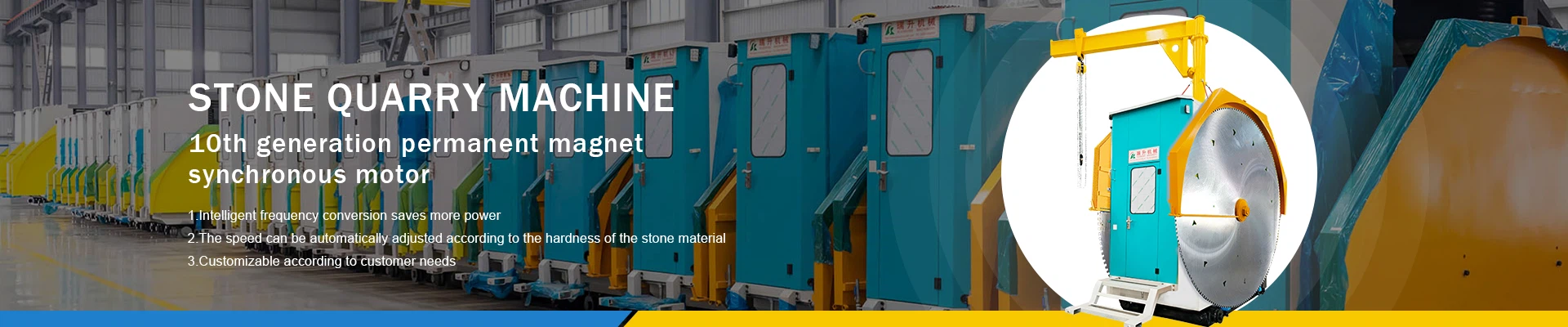
You can cut granite, but it requires the right tools and techniques due to its hardness. Here are the essentials for cutting granite:
Tools Needed:
Diamond Blade: Essential for cutting granite. Choose a wet saw blade for cleaner cuts or a dry circular saw blade for more flexibility.
Wet Saw or Circular Saw: Wet saws are preferred for dust reduction and blade cooling, but circular saws can also be used.
Safety Gear: Safety goggles, gloves, dust mask, and ear protection.
Measuring and Marking Tools: Measuring tape, straight edge, and marker.
Clamps: To secure the granite slab during cutting.

Steps to Cut Granite:
1.Measure and Mark: Measure the granite slab accurately and mark the cut line with a marker and straight edge.
2.Secure the Slab: Place the slab on a stable surface and clamp it down to prevent movement.
3.Set Up the Saw: Ensure the diamond blade is securely attached and the saw is in good working condition.
4.Cutting Process: Turn on the saw and let the blade reach full speed. Guide the saw along the marked line, applying steady pressure. For wet saws, ensure water is flowing to keep the blade cool.
5.Edge Finishing: After cutting, use a grinder with a diamond pad to smooth any rough edges.
can you cut already installed granite
You can cut already installed granite countertops, but it requires careful planning, the right tools, and adherence to safety precautions. Here's how you can do it:
Tools and Equipment
Diamond Blade Circular Saw or Angle Grinder: These tools are essential for cutting granite. A wet saw is preferred as it uses water to cool the blade and reduce dust.
Safety Gear: Always wear safety goggles, gloves, and a dust mask to protect against flying debris and inhalation of dust.
Measuring and Marking Tools: Use a measuring tape, straight edge, and pencil to mark the cut line accurately.
Steps to Cut Installed Granite
1.Measure and Mark: Measure the area where the cut will be made and mark the cut line with a pencil or utility knife. Double-check your measurements to ensure accuracy.
2.Secure the Area: Use clamps to secure the granite slab to prevent movement during cutting.
3.Cutting Process: Align the saw or grinder with the marked cut line. Start the tool and let the blade reach full speed before beginning the cut. Guide the tool steadily along the line, applying steady pressure.
4.Edge Finishing: After cutting, use an angle grinder with a diamond pad to smooth any rough edges.
can you cut already installed granite
You can cut an already installed granite countertop to install a new sink. However, it requires careful planning, specialized tools, and adherence to safety precautions. Here's a step-by-step guide to help you through the process:
Tools and Equipment Needed
Diamond Blade Circular Saw or Angle Grinder: Essential for cutting granite.
Safety Gear: Safety goggles, gloves, dust mask, and ear protection.
Measuring and Marking Tools: Measuring tape, straight edge, and marker.
Clamps or Supports: To secure the countertop during cutting.
Steps to Cut the Granite Countertop for a New Sink
1.Measure and Mark:
Measure the dimensions of the new sink accurately and mark the cutout area on the granite countertop. Use a straight edge to ensure the markings are precise.
2.Secure the Countertop:
Clamp the countertop securely to prevent movement during cutting.
3.Cutting Process:
If using a circular saw, cover the shoe of the saw with blue tape to prevent scratching. Start the saw and let the blade reach full speed before beginning the cut.
Guide the saw steadily along the marked line, applying steady pressure. Do not force the tool to avoid chipping or cracking.
4.Edge Finishing:
Use an angle grinder with polishing pads to smooth any rough edges.
can you cut granite for new sink
You can cut an already installed granite countertop to install a new sink. However, it requires careful planning, specialized tools, and adherence to safety precautions. Here's a step-by-step guide to help you through the process:
Tools and Equipment Needed
Diamond Blade Circular Saw or Angle Grinder: Essential for cutting granite.
Safety Gear: Safety goggles, gloves, dust mask, and ear protection.
Measuring and Marking Tools: Measuring tape, straight edge, and marker.
Clamps or Supports: To secure the countertop during cutting.
Steps to Cut the Granite Countertop for a New Sink
1.Measure and Mark:
Measure the dimensions of the new sink accurately and mark the cutout area on the granite countertop. Use a straight edge to ensure the markings are precise.
2.Secure the Countertop:
Clamp the countertop securely to prevent movement during cutting.
3.Cutting Process:
If using a circular saw, cover the shoe of the saw with blue tape to prevent scratching. Start the saw and let the blade reach full speed before beginning the cut.
Guide the saw steadily along the marked line, applying steady pressure. Do not force the tool to avoid chipping or cracking.
4.Edge Finishing:
Use an angle grinder with polishing pads to smooth any rough edges.
can you cut granite with a circular saw
You can cut granite with a circular saw, but it requires a diamond blade designed for cutting granite. These blades are harder and more durable than standard blades. Always wear safety goggles, gloves, and a dust mask to protect against flying debris and inhalation of dust. Measure and mark the cut line accurately with a straight edge and pencil. Secure the granite slab to prevent movement during cutting. Start the circular saw and let the blade reach full speed before beginning the cut. Guide the saw steadily along the marked line, applying steady pressure. After cutting, use a grinder with a diamond pad to smooth any rough edges. Work in a well-ventilated area to avoid inhaling dust. If you're not confident in your ability to cut granite, consider hiring a professional.
can you cut granite with a concrete saw
You can cut granite with a concrete saw, but it requires a diamond blade designed for cutting granite. Concrete saws, also known as cut-off saws or chop saws, are powerful tools that can handle the hardness of granite. Always wear safety goggles, gloves, and a dust mask to protect against flying debris and inhalation of dust. Measure and mark the cut line accurately with a straight edge and pencil. Secure the granite slab to prevent movement during cutting. Start the saw and let the blade reach full speed before beginning the cut. Guide the saw steadily along the marked line, applying steady pressure. After cutting, use a grinder with a diamond pad to smooth any rough edges. Work in a well-ventilated area to avoid inhaling dust. If you're not confident in your ability to cut granite, consider hiring a professional.
can you cut granite with a diamond blade
You can cut granite with a diamond blade. Diamond blades are specifically designed for cutting hard materials like granite. They come in various types, including continuous rim blades for wet cutting and segmented blades for dry cutting. Wet cutting is recommended as it reduces dust and keeps the blade cool. Always wear safety goggles, gloves, and a dust mask to protect against flying debris and inhalation of dust. Measure and mark the cut line accurately with a straight edge and pencil. Secure the granite slab to prevent movement during cutting. Start the saw and let the blade reach full speed before beginning the cut. Guide the saw steadily along the marked line, applying steady pressure. After cutting, use a grinder with a diamond pad to smooth any rough edges. Work in a well-ventilated area to avoid inhaling dust. If you're not confident in your ability to cut granite, consider hiring a professional.

does cutting granite cause silicosis
Cutting granite can cause silicosis. Silicosis is a serious, irreversible lung disease caused by inhaling respirable crystalline silica (RCS), a component found in granite. When granite is cut, ground, or polished, it releases RCS into the air. Prolonged exposure to RCS can lead to inflammation and scarring of the lungs, making it difficult to breathe.
Key Points:
Exposure Risk: Workers involved in cutting, grinding, and polishing granite are at risk of inhaling RCS.
Health Impact: Silicosis can develop after long-term exposure to RCS. In some cases, high levels of exposure can lead to more rapid onset and severe disease.
Prevention: To reduce the risk of silicosis, it is crucial to implement effective dust control measures such as using wet cutting methods, local exhaust ventilation, and wearing appropriate respiratory protection.
Silicosis is preventable through proper workplace exposure controls and adherence to safety regulations. Regular medical screening and monitoring are also essential for early detection and management of the disease.
does home depot cut granite
Home Depot does offer cutting services for granite countertops, but this service is contingent on whether you purchase the countertops and the installation service through them. When you order granite countertops along with the installation service from Home Depot, their professional installers will come to your home, create a precise template of your countertop layout, and cut the granite to fit perfectly. However, if you purchase the granite countertops alone without opting for the installation service, Home Depot will not cut the countertops for you. In such cases, you would need to either cut the granite yourself or hire an independent contractor to handle the cutting and installation.
does lowes cut granite
Lowe's does offer cutting services for granite countertops. When you purchase granite countertops from Lowe's, their professional installers can come to your home to take precise measurements and create a template for your countertops. The actual cutting and polishing are then performed off-site by experienced technicians. This ensures that the granite is cut to the exact dimensions needed for your kitchen or bathroom.
However, it's important to note that Lowe's does not cut granite countertops in-store. The cutting process is done by specialized contractors who Lowe's works with to ensure high standards of quality and service. If you have purchased granite countertops from another retailer, Lowe's may still be able to cut them, but it's best to check with your local store for specific details.
In summary, Lowe's provides professional cutting services for granite countertops as part of their installation package, ensuring a perfect fit for your space.
how are granite slabs cut
Granite slabs are cut using specialized tools and techniques to ensure precision and minimize damage. Here's a detailed process on how granite slabs are typically cut:
Tools and Equipment Needed
Diamond Blades: Essential for cutting granite. Wet saw blades are preferred for cleaner cuts, while circular saw blades can be used for more flexibility.
Wet Saw or Circular Saw: Wet saws use water to cool the blade and reduce dust, while circular saws are more portable but generate more dust.
Safety Gear: Safety goggles, gloves, dust mask, and ear protection.
Measuring and Marking Tools: Measuring tape, straight edge, and marker.
Clamps or Supports: To secure the granite slab during cutting.

Steps to Cut Granite Slabs
1.Measure and Mark:
Measure the granite slab accurately and mark the cut line with a marker. Use a straight edge to ensure the line is straight and precise.
2.Secure the Slab:
Place the granite slab on a stable work surface and secure it with clamps to prevent movement during cutting.
3.Set Up the Saw:
If using a wet saw, ensure the water supply is connected and flowing properly to keep the blade cool and reduce dust.
For a circular saw, attach the diamond blade securely and ensure the saw is in good working condition.
4.Start Cutting:
Turn on the saw and let the blade reach full speed before starting the cut.
Guide the saw along the marked line, applying steady, even pressure. Do not force the blade through the granite.
5.Cooling and Dust Control:
If using a wet saw, the water will help keep the blade cool and reduce dust. For a circular saw, you may need to stop periodically to let the blade cool down and use a wet/dry vacuum to control dust.
6.Smooth the Edges:
After cutting, use a grinder with a diamond grinding pad to smooth and polish the edges. Start with a coarser grit pad and progress to finer grits for a polished finish.
how did ancient egypt cut granite
The ancient Egyptians used several techniques to cut granite, which was a challenging task given the stone's hardness. Here are the primary methods they employed:
1.Dolerite Pounders: These were hard, ball-shaped stones used to create indentations and fracture the granite along marked lines. By repeatedly striking the granite, they could extract large blocks.
2.Copper Saws and Drills: Despite copper being softer than granite, the Egyptians used copper tools enhanced with sand abrasion. The sand, containing quartz, acted as an abrasive to help cut through the stone. This method was used for both sawing and drilling.
3.Water and Wooden Wedges: Another technique involved inserting water-soaked wooden wedges into cracks or holes in the granite. As the wood expanded, it exerted force, causing the stone to split.
4.Hollowing Out Sarcophagi: For creating hollowed-out structures like sarcophagi, they drilled a series of closely spaced holes along the desired cut line, then connected these holes by sawing.
These methods demonstrate the ingenuity of ancient Egyptian craftsmen who, despite having relatively simple tools, were able to work with granite to create monumental structures and artifacts.
how do you polish granite edges after cutting
Polishing granite edges after cutting is essential to achieve a smooth and professional finish. Here's a step-by-step guide to help you polish granite edges effectively:
Tools and Materials Needed
Diamond Polishing Pads: Available in different grits (e.g., 50, 100, 200, 400, 800, 1500, 3000).
Polishing Machine: A variable-speed angle grinder or a dedicated stone polisher.
Water: For wet polishing to reduce dust and prevent overheating.
Bucket and Sponge: For applying water during the polishing process.
Protective Gear: Safety goggles, gloves, and a dust mask.
Microfiber Cloth: For final buffing.

Steps to Polish Granite Edges
1.Prepare the Surface:
Ensure the granite surface is clean and free of debris. Remove any dust or dirt with a damp cloth.
2.Secure the Polishing Machine:
Attach the coarsest grit diamond pad (e.g., 50 or 100 grit) to your polishing machine.
3.Start Polishing:
Turn on the polishing machine and let it reach full speed. Apply water to the surface to keep it wet during the polishing process.
Gently press the pad against the granite edge and move it in a circular motion, overlapping each pass to ensure even coverage.
4.Progressive Polishing:
After the initial coarse grinding, switch to a finer grit pad (e.g., 200 grit) and repeat the process. Continue to use water to keep the surface wet.
Gradually move to even finer grits (400, 800, 1500, 3000) until you achieve the desired level of shine. Each finer grit pad should be used to remove the scratches left by the previous grit.
5.Check for Consistency:
Periodically check the surface to ensure even polishing. Pay special attention to edges and corners, which may require additional attention.
6.Final Buffing:
Once the desired shine is achieved, use a microfiber cloth to buff the surface. This will remove any remaining residue and enhance the shine.
how hard is it to cut granite
Cutting granite is a challenging task due to its hardness and durability. Here are some key points that highlight the difficulty and considerations involved in cutting granite:
1.Hardness and Durability
Mohs Hardness Scale: Granite has a Mohs hardness of around 6 to 7, making it extremely hard and durable. This high hardness means that traditional cutting tools like regular saw blades are ineffective.
Resistance to Cutting: Granite's hardness and density make it resistant to chipping and breaking, which can make cutting it a slow and labor-intensive process.
2.Tools and Equipment
Diamond Blades: Cutting granite requires specialized tools, such as diamond blades. These blades are embedded with industrial-grade diamonds that can cut through the hard stone.
Wet Saws: Wet saws are often used because they use water to cool the blade and reduce dust, which helps prevent overheating and prolongs the life of the blade.
Circular Saws: Circular saws with diamond blades can also be used, but they generate more dust and require more frequent blade cooling.
3.Techniques and Skills
Precision: Cutting granite requires precise measurements and markings to ensure accurate cuts. Any mistakes can lead to costly repairs or replacements.
Controlled Cutting: The cutting process must be done slowly and steadily to avoid chipping or cracking the granite. Applying too much force can damage the stone.
Edge Finishing: After cutting, the edges need to be smoothed and polished, which requires additional tools and skills.
4.Safety Considerations
Dust and Debris: Cutting granite generates a significant amount of dust, which can be harmful if inhaled. Protective gear, including dust masks, goggles, and gloves, is essential.
Noise and Vibration: The cutting process is noisy and can cause vibrations, so ear protection is recommended.
5.Professional Assistance
Complex Projects: For large or complex projects, it is often best to consult or hire a professional stone fabricator. They have the experience, tools, and expertise to handle the cutting process efficiently and safely.
Conclusion
Cutting granite is a challenging task that requires specialized tools, precision, and adherence to safety protocols. While it can be done with the right equipment and techniques, it is often recommended to seek professional assistance for complex projects to ensure high-quality results and safety.
how long does it take to cut granite
The time it takes to cut granite can vary significantly depending on several factors, including the size of the slab, the complexity of the cut, the type of tools used, and the skill level of the operator. Here's a general breakdown:
Factors Affecting Cutting Time
Size of the Slab:
Small Slabs: Cutting small granite slabs (e.g., tiles or small countertops) can take anywhere from 15 minutes to an hour, depending on the complexity of the cut.
Large Slabs: Cutting large granite slabs (e.g., full countertops or large architectural pieces) can take several hours, especially if multiple cuts or intricate designs are required.
Type of Cut:
Straight Cuts: Straight cuts are relatively straightforward and can be done relatively quickly, often within 30 minutes to an hour for a large slab.
Complex Cuts: Curved cuts, notches, and intricate designs can take significantly longer, sometimes up to several hours or even a full day for very complex pieces.
Tools Used:
Wet Saw: A wet saw is efficient and can cut through granite relatively quickly, especially for straight cuts. It can take around 15-30 minutes for a straight cut on a medium-sized slab.
Circular Saw: A circular saw with a diamond blade can also be used but may take slightly longer due to the need for more frequent blade cooling and dust management.
Skill Level:
Experienced Operator: An experienced stone fabricator can cut granite more efficiently and accurately, often completing tasks in less time.
Novice Operator: A novice may take longer due to a lack of experience and the need for more careful handling to avoid mistakes.

General Time Estimates
Small Slabs (e.g., tiles): 15-30 minutes per cut.
Medium Slabs (e.g., countertops): 30 minutes to 2 hours per cut.
Large Slabs (e.g., architectural pieces): 2-6 hours or more, depending on complexity.
Additional Time for Finishing
After cutting, additional time is required for smoothing and polishing the edges. This can add anywhere from 30 minutes to 2 hours, depending on the desired finish.
Conclusion
Cutting granite can take anywhere from 15 minutes to several hours, depending on the size of the slab, the complexity of the cut, the tools used, and the skill level of the operator. For large or complex projects, it is often best to consult a professional stone fabricator to ensure precision and efficiency.
how much does it cost to cut granite
The cost to cut granite can vary significantly based on several factors, including the type of cut, the size of the slab, and whether you opt for professional installation or do it yourself. Here are some general cost estimates:
Cutting Costs
Sink Cutouts: Cutting a sink hole in granite typically costs around $100 to $250 per cutout. If you need multiple cutouts, the cost can increase.
Cooktop Cutouts: Similar to sink cutouts, cooktop cutouts cost around $100 to $200 per cut.
Edge Polishing: Polishing the edges of granite countertops can add $10 to $40 per linear foot.
Specialty Edges: More intricate edges like ogee or bullnose can cost an additional $10 to $30 per linear foot.
Labor and Installation
Professional Installation: If you hire a professional to cut and install granite countertops, labor costs can range from $35 to $85 per hour. On average, professional installation adds around $35 per square foot.
DIY Cutting: If you choose to cut the granite yourself, you can save on labor costs but will need to invest in specialized tools like diamond blades and wet saws.
Additional Costs
Material Costs: The cost of granite slabs themselves can range from $40 to $200 per square foot. Installed, this can be $75 to $135 per square foot.
Removal of Old Countertops: Removing and disposing of old countertops can cost an additional $100 to $200.
Delivery Fees: Delivery of granite slabs can cost $150 to $200 if not included in the installation rate.
Total Project Costs
Low-End: $30 to $60 per square foot installed.
Mid-Grade: $50 to $80 per square foot installed.
High-End: $70 to $150 per square foot installed.
These costs can vary based on the specific project requirements, the rarity of the granite, and regional labor rates. It's always a good idea to get multiple quotes from professionals to get a clear understanding of the total cost for your project.


