

The primary difference between a 10mm and a 13mm drill machine lies in the size of the chuck, which determines the maximum diameter of the drill bit that can be used. Here's a detailed comparison of the two:
1. Chuck Size
10mm Chuck: This is a smaller chuck size, suitable for lighter tasks and smaller drill bits. It is commonly found in compact and portable drills.
13mm Chuck: This is a larger chuck size, capable of holding larger drill bits. It is often found in more powerful and heavy-duty drills, making it suitable for tougher materials and larger holes.
2. Power and Torque
10mm Drill: Typically, drills with a 10mm chuck are lighter and more compact. They are designed for general-purpose use and are often more affordable. These drills are suitable for tasks like drilling holes in wood, plastic, and light metals.
13mm Drill: Drills with a 13mm chuck are generally more powerful and offer higher torque. They are designed for heavy-duty tasks and can handle larger drill bits, making them suitable for drilling into harder materials like concrete, masonry, and thick metal.

3. Versatility
10mm Drill: More versatile for smaller tasks and a variety of materials. It is easier to handle and maneuver, making it suitable for DIY projects and home use.
13mm Drill: Offers greater versatility for heavy-duty tasks and professional use. It can handle larger bits and tougher materials, making it ideal for construction, automotive, and industrial applications.
4. Weight and Portability
10mm Drill: Generally lighter and more portable, making it easier to carry around and use in tight spaces.
13mm Drill: Heavier and bulkier, which can be a disadvantage for extended use or tasks that require frequent movement.
5. Price
10mm Drill: Usually more affordable, making it a cost-effective option for occasional use and light-duty tasks.
13mm Drill: Often more expensive due to its higher power and durability, making it a better investment for professional use or frequent heavy-duty tasks.
6. Applications
10mm Drill: Ideal for general-purpose drilling, woodworking, plastic work, and light metalwork. Suitable for home improvement projects, furniture assembly, and minor repairs.
13mm Drill: Better suited for heavy-duty tasks such as drilling into concrete, masonry, and thick metal. Commonly used in construction, automotive repair, and industrial settings.
difference between 110c and 220c in drill machine
The terms "110C" and "220C" in the context of drill machines typically refer to the voltage ratings of the power supply used by the drill. Here's a detailed comparison of the differences between a 110C and a 220C drill machine:
1. Voltage
110C: This indicates that the drill machine is designed to operate on a 110-volt power supply. This is common in countries like the United States and Canada.
220C: This indicates that the drill machine is designed to operate on a 220-volt power supply. This is common in many European and Asian countries.
2. Power Output
110C: Drills operating on 110 volts generally have lower power output compared to those operating on 220 volts. This is because power (watts) is calculated as voltage multiplied by current (amps). Lower voltage means the drill needs to draw more current to achieve the same power output, which can lead to higher heat generation and reduced efficiency.
220C: Drills operating on 220 volts can achieve higher power output with less current, making them more efficient and capable of handling heavier tasks.
3. Efficiency
110C: These drills may be less efficient due to higher current draw, which can lead to more heat generation and reduced lifespan of the motor.
220C: These drills are generally more efficient, producing less heat and offering better performance for heavy-duty tasks.

4. Compatibility
110C: If you are in a country with a 110-volt power supply, a 110C drill will work directly without needing a voltage converter.
220C: If you are in a country with a 220-volt power supply, a 220C drill will work directly. However, if you are in a 110-volt country, you will need a voltage converter to use a 220C drill.
5. Weight and Size
110C: These drills are often lighter and more compact, making them easier to handle and use in tight spaces.
220C: These drills can be heavier and bulkier, especially if they are designed for heavy-duty use.
6. Price
110C: Generally more affordable, making them a cost-effective option for occasional use and light-duty tasks.
220C: Often more expensive due to their higher power and durability, making them a better investment for professional use or frequent heavy-duty tasks.
7. Applications
110C: Ideal for general-purpose drilling, woodworking, plastic work, and light metalwork. Suitable for home improvement projects, furniture assembly, and minor repairs.
220C: Better suited for heavy-duty tasks such as drilling into concrete, masonry, and thick metal. Commonly used in construction, automotive repair, and industrial settings.
difference between bench drilling machine and pillar drilling machine
The terms "bench drilling machine" and "pillar drilling machine" refer to different types of drilling machines, each designed for specific applications and environments. Here's a detailed comparison of the two:
Bench Drilling Machine
Features
Size and Portability: Bench drilling machines are smaller and more compact. They are designed to be mounted on a workbench or table.
Chuck Size: Typically have a smaller chuck size, often around 1/2 inch or 3/8 inch, which limits the size of the drill bits they can accommodate.
Power: Generally less powerful compared to pillar drilling machines, making them suitable for lighter tasks.
Speed Control: Often come with variable speed settings to adapt to different materials.
Applications: Ideal for woodworking, light metalworking, and general-purpose drilling in a workshop or home setting.
Advantages
Portability: Easy to move around and set up in different locations.
Cost-Effective: Generally less expensive than pillar drilling machines.
Versatility: Suitable for a wide range of materials and tasks.
Disadvantages
Limited Power: May struggle with heavy-duty tasks or drilling into very hard materials.
Smaller Work Area: The workbench or table limits the size of the workpieces that can be drilled.

Pillar Drilling Machine
Features
Size and Stability: Pillar drilling machines are larger and more robust. They are mounted on a sturdy base and have a vertical pillar for support.
Chuck Size: Typically have a larger chuck size, often 1/2 inch or larger, allowing for the use of larger drill bits.
Power: More powerful, making them suitable for heavy-duty tasks and drilling into hard materials like metal and concrete.
Speed Control: Often come with variable speed settings and advanced features like electronic speed control.
Applications: Ideal for industrial use, construction, and heavy-duty manufacturing tasks.
Advantages
High Power: Capable of handling heavy-duty tasks and drilling into hard materials.
Precision: Offers high precision and accuracy, making it suitable for detailed work.
Stability: The sturdy base and pillar provide stability, reducing vibrations and improving drilling quality.
Disadvantages
Size and Weight: Larger and heavier, making them less portable.
Cost: Generally more expensive than bench drilling machines.
Space Requirements: Require more space to set up and operate.
Conclusion
The choice between a bench drilling machine and a pillar drilling machine depends on your specific needs and the tasks you plan to undertake. If you need a versatile, portable tool for general-purpose drilling and light-duty tasks, a bench drilling machine is likely sufficient. However, if you require a more powerful, stable, and precise tool for heavy-duty tasks and industrial use, a pillar drilling machine is the better option.
difference between drilling and tapping machine
Drilling and tapping are two distinct processes in machining, each requiring specific tools and techniques. Here's a detailed comparison of drilling and tapping machines:
Drilling Machine
Purpose
Drilling: The primary purpose of a drilling machine is to create holes in various materials such as wood, metal, plastic, and masonry.
Key Features
Drill Bit: Uses a drill bit to create holes.
Chuck: The drill bit is held in place by a chuck, which can be tightened or loosened to change the bit.
Speed Control: Often comes with variable speed settings to adapt to different materials.
Depth Gauge: Some models include a depth gauge to control the depth of the hole being drilled.
Applications
General Drilling: Suitable for creating holes in a wide range of materials.
Woodworking: Drilling holes for dowels, tenons, or mortise-and-tenon joints.
Metalworking: Creating holes in metal parts for bolts, pins, or other components.
Construction: Drilling holes in concrete, brick, or other masonry materials for anchors or fixtures.

Tapping Machine
Purpose
Tapping: The primary purpose of a tapping machine is to create internal threads in pre-drilled holes. This process is known as tapping and is essential for preparing holes to receive screws or bolts.
Key Features
Tap: Uses a tap, which is a cutting tool designed to create threads inside a hole.
Tap Holder: The tap is held in place by a tap holder, which can be adjusted for different tap sizes.
Speed Control: Often comes with variable speed settings to adapt to different materials and tap sizes.
Reverse Function: Some tapping machines have a reverse function to help remove the tap from the hole after threading.
Applications
Thread Creation: Creating internal threads in holes for screws or bolts.
Manufacturing: Used in factories for mass production of threaded parts.
Repair and Maintenance: Creating or repairing threads in existing holes.
Differences
Tooling:
Drilling: Uses drill bits.
Tapping: Uses taps.
Process:
Drilling: Creates holes by removing material.
Tapping: Creates threads inside existing holes.
Purpose:
Drilling: To create holes in materials.
Tapping: To create internal threads in holes for screws or bolts.
Speed and Torque:
Drilling: Often requires higher speeds and moderate torque.
Tapping: Requires lower speeds and higher torque to create threads without breaking the tap.
Machine Design:
Drilling Machine: Designed to hold and rotate a drill bit.
Tapping Machine: Designed to hold and rotate a tap, often with features like reverse function and adjustable speed.
difference between hammer drill and impact drill machine
Hammer drills and impact drills are both powerful tools designed for specific tasks, but they operate differently and are suited for different applications. Here's a detailed comparison of the two:
Hammer Drill
Purpose
Drilling into Hard Materials: Specifically designed for drilling into hard materials like concrete, masonry, and brick.
Key Features
Hammering Action: Combines rotational motion with a hammering action that delivers rapid impacts to the drill bit. This helps break through hard materials more effectively.
Chuck: Typically uses a keyed or keyless chuck to hold the drill bit securely.
Speed Control: Often comes with variable speed settings to adapt to different materials.
Clutch: Some models have a clutch to control the amount of torque, preventing over-tightening or stripping of screws.
Applications
Construction: Drilling holes in concrete walls, floors, and slabs for installing anchors, pipes, and conduits.
Home Improvement: Installing shelves, cabinets, and other fixtures into concrete or masonry walls.
Geotechnical Exploration: Drilling holes for soil sampling and installing monitoring wells.
Impact Drill (Impact Driver)
Purpose
Driving Screws and Bolts: Specifically designed for driving screws, bolts, and other fasteners with high torque.
Key Features
Rotational Impact: Delivers rotational impacts to the screw or bolt, providing high torque for driving fasteners.
Chuck: Typically uses a 1/4-inch hex shank chuck, which is designed to hold hex shank bits and sockets.
Speed Control: Often comes with variable speed settings to adapt to different fasteners and materials.
Clutch: Many models have a clutch to control the amount of torque, preventing over-tightening or stripping of screws.
Applications
Construction: Driving large screws and bolts into wood, metal, and other materials.
Automotive: Installing or removing screws and bolts in vehicles.
DIY Projects: Assembling furniture, installing fixtures, and making repairs around the home.

Differences
1.Mechanism:
Hammer Drill: Combines rotational motion with a hammering action to break through hard materials.
Impact Drill: Delivers rotational impacts to provide high torque for driving fasteners.
2.Purpose:
Hammer Drill: Primarily used for drilling holes in hard materials like concrete and masonry.
Impact Drill: Primarily used for driving screws, bolts, and other fasteners.
3.Chuck:
Hammer Drill: Uses a keyed or keyless chuck to hold drill bits.
Impact Drill: Uses a 1/4-inch hex shank chuck to hold hex shank bits and sockets.
4.Speed and Torque:
Hammer Drill: Typically has higher speed settings and moderate torque.
Impact Drill: Typically has lower speed settings and higher torque.
5.Applications:
Hammer Drill: Ideal for construction and drilling into hard materials.
Impact Drill: Ideal for driving screws, bolts, and other fasteners in various materials.
difference between horizontal and vertical drilling machine
Horizontal and vertical drilling machines are designed for different types of drilling operations and are used in various applications. Here's a detailed comparison of the two:
Horizontal Drilling Machine
Purpose
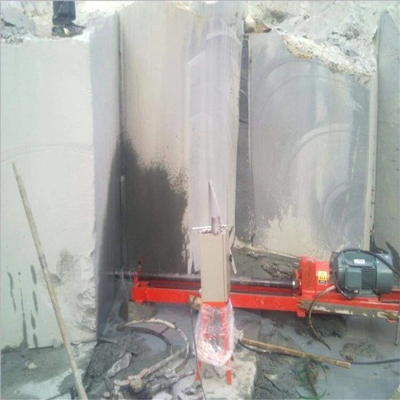
Horizontal Drilling: Designed for drilling holes in a horizontal direction. This is particularly useful for applications where the hole needs to be drilled parallel to the ground.
Key Features
Horizontal Spindle: The spindle and drill bit are oriented horizontally.
Table or Workholding: The workpiece is placed on a table or workholding mechanism that can be adjusted to different positions.
Feed Mechanism: The drill bit is fed into the workpiece horizontally, often using a manual or automatic feed mechanism.
Applications: Commonly used in manufacturing, construction, and industrial settings where horizontal holes are required.
Advantages
Efficiency: Ideal for drilling multiple holes in a single setup, especially when the holes are in a straight line.
Precision: Provides high precision and accuracy, making it suitable for manufacturing processes.
Versatility: Can be used for a variety of materials, including metal, wood, and plastic.
Disadvantages
Space Requirements: Typically larger and requires more space to set up.
Complexity: May require more setup and adjustment compared to vertical drilling machines.
Vertical Drilling Machine
Purpose
Vertical Drilling: Designed for drilling holes in a vertical direction. This is useful for applications where the hole needs to be drilled perpendicular to the ground.
Key Features
Vertical Spindle: The spindle and drill bit are oriented vertically.
Table or Workholding: The workpiece is placed on a table or workholding mechanism that can be adjusted to different positions.
Feed Mechanism: The drill bit is fed into the workpiece vertically, often using a manual or automatic feed mechanism.
Applications: Commonly used in woodworking, metalworking, and general-purpose drilling tasks.
Advantages
Versatility: Suitable for a wide range of materials and tasks, making it a versatile tool for workshops and home use.
Ease of Use: Generally easier to set up and use compared to horizontal drilling machines.
Space Efficiency: Typically smaller and more compact, making it suitable for workshops with limited space.
Disadvantages
Limited Precision: May not offer the same level of precision as horizontal drilling machines for certain tasks.
Power: Generally less powerful compared to horizontal drilling machines, making it less suitable for heavy-duty tasks.

Differences
1.Orientation:
Horizontal Drilling Machine: Spindle and drill bit are oriented horizontally.
Vertical Drilling Machine: Spindle and drill bit are oriented vertically.
2.Applications:
Horizontal Drilling Machine: Ideal for drilling horizontal holes, commonly used in manufacturing and construction.
Vertical Drilling Machine: Ideal for drilling vertical holes, suitable for woodworking, metalworking, and general-purpose drilling.
3.Precision:
Horizontal Drilling Machine: Offers high precision and accuracy, making it suitable for manufacturing processes.
Vertical Drilling Machine: Generally versatile but may not offer the same level of precision for certain tasks.
4.Size and Space:
Horizontal Drilling Machine: Typically larger and requires more space to set up.
Vertical Drilling Machine: Generally smaller and more compact, making it suitable for workshops with limited space.
5.Complexity:
Horizontal Drilling Machine: May require more setup and adjustment.
Vertical Drilling Machine: Generally easier to set up and use.
different uses of drilling machine
Drilling machines are versatile tools with a wide range of applications across various industries. Here are some of the most common uses of drilling machines:
1. Creating Holes
Woodworking: Drilling holes for dowels, tenons, or mortise-and-tenon joints.
Metalworking: Creating holes in metal parts for bolts, pins, or other components.
Plastic and Composite Materials: Drilling holes for screws or other fasteners.
Masonry: Drilling holes in concrete, brick, or stone for anchors, hooks, or other fixtures.
2. Driving Fasteners
Screws: Driving screws into wood, metal, or other materials.
Bolts: Inserting bolts into pre-drilled holes.
Nails: Driving nails into various materials.
3. Reaming and Countersinking
Reaming: Enlarging or smoothing out holes using a reamer bit.
Countersinking: Creating conical holes to allow countersunk screws or bolts to sit flush with the surface.
4. Tapping Threads
Metal: Creating internal threads in holes for screws or bolts.
Plastic: Preparing holes for threaded inserts.
5. Drilling Wells and Boreholes
Water Wells: Drilling deep holes for water extraction.
Geothermal Wells: Drilling holes for geothermal energy systems.
Boreholes: Creating holes for geological surveys or environmental studies.
6. Geotechnical and Environmental Applications
Soil Sampling: Collecting soil samples for analysis.
Monitoring Wells: Drilling holes for installing monitoring wells.
Remediation: Drilling holes for injecting remediation fluids.

7. Industrial and Manufacturing
Mass Production: Drilling multiple holes in parts for assembly.
Precision Engineering: Creating precise holes in metal and alloy parts.
Tool Making: Drilling holes in tools and machinery.
8. Medical and Dental Applications
Dental Drills: Used for cavity preparation and filling.
Surgical Drills: Used in orthopedic and neurosurgical procedures.
9. Woodworking and Furniture Making
Joinery: Drilling holes for dowels, tenons, or mortise-and-tenon joints.
Carving and Shaping: Using specialized bits to carve and shape wood.
10. Electronics and Circuit Board Manufacturing
Micro Drilling: Creating small, precise holes in circuit boards and other electronic components.
11. Construction
Drilling Holes in Concrete: For installing anchors, pipes, and conduits.
Creating Openings: For windows, doors, and other structural elements.
12. Repair and Maintenance
Installing Fixtures: Drilling holes for mounting shelves, cabinets, and other fixtures.
Making Repairs: Drilling holes for screws or bolts to fix or replace parts.


