

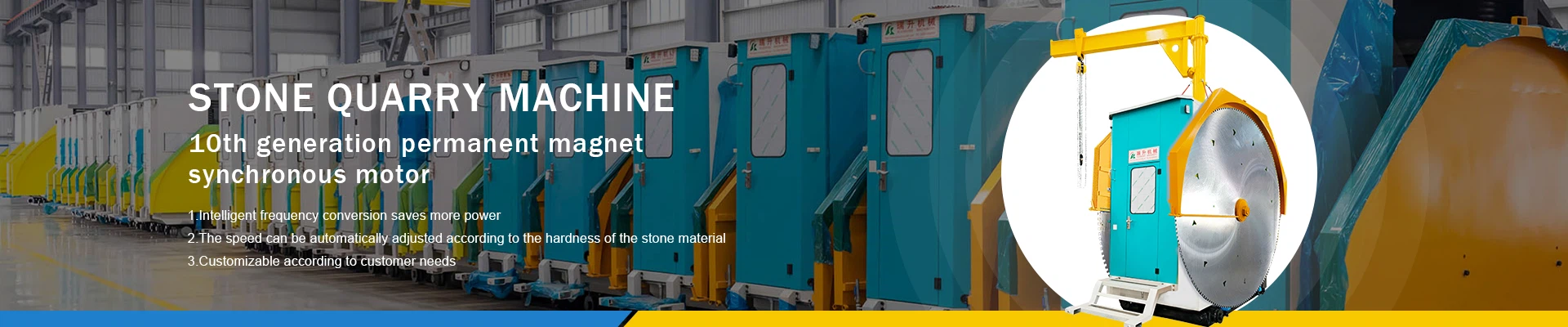
Cutting granite requires precision, the right tools, and adherence to safety protocols. Here are some key do's and don'ts to keep in mind:
Do's
Use the Right Tools: Always use diamond blades designed for cutting granite. Wet saws are highly recommended for cleaner, dust-free cuts.
Wear Protective Gear: Always wear safety goggles, gloves, and a dust mask to protect against flying debris and dust inhalation.
Secure the Slab: Use clamps to secure the granite slab to a stable work surface to prevent movement during cutting.
Measure Accurately: Measure and mark the cut line precisely with a straight edge and marker. Double-check measurements to avoid mistakes.
Cool the Blade: Use water to cool the blade if possible, especially with wet saws, to reduce heat and extend blade life.
Take Your Time: Let the blade do the work and avoid applying excessive force, which can cause the blade to bind or the granite to crack.
Smooth the Edges: After cutting, use a grinder with diamond pads to smooth any rough edges and achieve a polished finish.
Ventilate the Workspace: Ensure proper ventilation to avoid inhaling harmful dust particles.
Practice on Scrap Material: If you are new to cutting granite, practice on scrap material before cutting your final piece.
Consult Professionals: For large or complex projects, consider consulting or hiring a professional stone fabricator to ensure precision and safety.

Don'ts
Don't Use Inappropriate Tools: Avoid using standard metal blades or tools not designed for cutting granite, as they will wear out quickly and may damage the stone.
Don't Force the Blade: Applying excessive force can cause the blade to overheat, wear out faster, and potentially damage the granite.
Don't Skip Safety Gear: Never cut granite without wearing safety goggles, gloves, and a dust mask.
Don't Cut in Poor Ventilation: Avoid cutting granite in an enclosed space without proper ventilation to prevent inhaling harmful dust.
Don't Ignore Dust Control: Always use water or a dust collection system to control the spread of dust.
Don't Cut Without Securing the Slab: Never cut granite without securing it to a stable surface to prevent movement and ensure precision.
Don't Rush: Take your time to ensure accurate cuts and avoid mistakes that could lead to costly repairs or replacements.
Don't Cut Without Proper Training: If you are not experienced with cutting granite, avoid attempting it yourself and instead seek professional help.
do turbo rim diamond blades cut granite smooth
Turbo rim diamond blades can indeed cut granite smoothly, but they may not achieve the same level of smoothness as continuous rim blades.These blades feature a serrated edge that combines the speed of segmented blades with the smoothness of continuous rim blades.They are designed to provide faster cutting speeds while maintaining a relatively smooth finish, making them versatile for various granite cutting applications.
Advantages of Turbo Rim Diamond Blades for Cutting Granite
Faster Cutting Speed: The serrated edge of turbo rim blades allows for quicker material removal compared to continuous rim blades.
Smooth Finish: While not as smooth as continuous rim blades, turbo rim blades still provide a cleaner cut than segmented blades.
Versatility: Suitable for both wet and dry cutting, making them adaptable for different working conditions.
Heat Dissipation: The design of the blade helps in better heat dissipation, reducing the risk of blade wear and tear.
Considerations
Edge Quality: If you require an extremely smooth, chip-free finish, continuous rim blades might be a better choice.
Cost: Turbo rim blades can be slightly more expensive than standard segmented blades.
Application: For intricate designs or detailed work, continuous rim blades are preferred, while turbo rim blades are more suitable for general-purpose cutting.
does cutting on granite dull knives
Cutting on granite can dull knives quickly. Granite is an extremely hard material with a Mohs hardness of around 6 to 7, which is significantly harder than most knife blades. Here's why cutting on granite dulls knives and how to avoid it:
Why Cutting on Granite Dulls Knives
Hardness Difference: The hardness of granite is much higher than that of typical knife blades, which are usually made of steel. The high hardness of granite means that it can wear down the softer steel of the knife blade rapidly.
Abrasive Nature: Granite is abrasive, and cutting on it can cause micro-abrasions on the knife blade, leading to dulling.
Impact Damage: The force exerted during cutting can cause small chips or nicks in the knife blade, further reducing its sharpness.
Tips to Avoid Dulling Knives
Use Appropriate Cutting Surfaces: Avoid using granite countertops for cutting food. Instead, use wooden or plastic cutting boards, which are softer and less likely to dull knives.
Regular Sharpening: Keep your knives sharp by sharpening them regularly. A sharp knife requires less force to cut, reducing the wear on the blade.
Knife Steeling: Use a honing steel to maintain the edge of your knives between sharpenings. This helps to realign the edge and keep it sharp.
Proper Knife Handling: Always handle knives with care and avoid dropping them, as impacts can cause chips and dulling.
Professional Sharpening Services: Consider using professional knife sharpening services to ensure your knives are sharpened correctly and maintain their edge longer.
does granite change color when cut
Granite can sometimes change color when cut, but this is not a common occurrence. The color change, if it happens, is usually due to one of the following reasons:
1. Exposure to Light
Surface Oxidation: When granite is cut, the fresh surface is exposed to air and light. This exposure can sometimes cause a slight oxidation effect, which might alter the appearance of the stone slightly.
Moisture Content: The newly cut surface may appear different due to the moisture content in the stone. As the stone dries, its color may change slightly.
2. Natural Variations
Veins and Minerals: Granite is a natural stone with a variety of minerals and veins. Cutting through these veins can reveal different colors and patterns that were not visible on the surface.
Polishing Effects: The process of polishing the cut surface can enhance the stone's natural colors and patterns, making them appear more vibrant or different from the unpolished surface.
3. Environmental Factors
Temperature and Humidity: Changes in temperature and humidity can affect the appearance of granite. For example, in humid conditions, the stone may appear darker due to moisture absorption.
Chemical Reactions: Exposure to certain chemicals or cleaning agents can cause temporary or permanent color changes in granite.
4. Cutting and Polishing Techniques
Heat from Cutting: The heat generated during the cutting process can sometimes cause minor discoloration, especially if the stone is not cooled properly.
Polishing Compounds: The compounds used in polishing can temporarily alter the stone's appearance. Some polishing compounds can enhance the stone's natural colors, while others might cause slight changes.
does granite pruduce radiation when cut
Granite does contain trace amounts of naturally occurring radioactive elements such as uranium, thorium, and radium. These elements can emit low levels of radiation, including alpha, beta, and gamma rays, as well as radon gas.However, the radiation levels emitted by granite countertops are generally very low and are not considered harmful.In fact, the radiation levels from granite countertops are typically lower than the background radiation levels we are exposed to daily from natural sources.

Key Points:
Radiation Levels: Granite countertops emit radiation levels between 0.01 to 0.5 micro Sieverts per hour, which is significantly lower than the average annual background radiation exposure.
Health Risks: The EPA and other health organizations have found that the radiation from granite countertops does not pose a significant health risk. The levels of radon gas produced by granite countertops are usually below the actionable level of 4 picocuries per liter (pCi/L).
Safety Measures: To minimize any potential exposure, maintain good ventilation in your home and consider testing for radon levels.
how are stone steps constructed stringers slab cut granite
Constructing stone steps using granite involves several steps, including cutting the granite slabs to the desired shape and size, and then assembling them to form the steps. Here's a detailed guide on how to construct stone steps with granite:
Tools and Materials Needed
Granite Slabs: Choose high-quality granite slabs.
Diamond Blade Circular Saw or Wet Saw: For cutting the granite.
Safety Gear: Safety goggles, gloves, dust mask, and ear protection.
Measuring and Marking Tools: Measuring tape, straight edge, and marker.
Clamps or Supports: To secure the granite slabs during cutting.
Grinder with Diamond Pads: For smoothing and polishing edges.
Construction Adhesive or Mortar: For securing the steps in place.
Level and Shovel: For preparing the base and ensuring the steps are level.
Steps to Construct Stone Steps
Measure and Plan:
Measure the area where the steps will be installed. Determine the number of steps needed and their dimensions.
Plan the layout, including the rise (vertical height) and run (horizontal depth) of each step.
Prepare the Base:
Clear the area and remove any existing materials.
Dig a trench for the base of the steps and compact the soil.
Pour a concrete base or use gravel to create a stable foundation.
Cut the Granite Slabs:
Mark the granite slabs according to the planned dimensions for each step.
Use a wet saw or circular saw with a diamond blade to cut the granite slabs. Ensure the cuts are precise and straight.
Smooth the edges of the cut slabs using a grinder with diamond pads.
Assemble the Steps:
Start with the bottom step and work your way up.
Apply construction adhesive or mortar to the base and place the first step slab in position.
Use a level to ensure the step is perfectly horizontal.
Repeat the process for each subsequent step, ensuring each one is level and securely attached.
Secure the Steps:
Use additional mortar or adhesive to secure the steps to each other and to the base.
Allow the adhesive or mortar to cure according to the manufacturer's instructions.
Final Touches:
Once the steps are securely in place and the adhesive has cured, clean the steps to remove any residue.
Apply a sealant to protect the granite from stains and weathering.
Safety Tips
Wear Protective Gear: Always wear safety goggles, gloves, and a dust mask to protect against flying debris and dust inhalation.
Use Proper Technique: Let the blade do the work and avoid applying excessive force, which can cause the blade to bind or the granite to crack.
Ventilation: Ensure proper ventilation in your workspace to avoid inhaling dust particles.
Additional Tips
Practice on Scrap Material: If you are new to cutting granite, practice on scrap material before cutting your final pieces.
Consult Professionals: For large or complex projects, consider consulting or hiring a professional stone fabricator to ensure precision and safety.
how close can granite fabricator cut holes to an edge
When fabricating granite (e.g., for countertops, monuments, or architectural features), the minimum safe distance to cut holes or notches from an edge depends on several factors, including the type of granite, slab thickness, hole size, and the tools/methods used. Here are general guidelines and considerations:
General Rule of Thumb:
Minimum Distance from Edge:
Most fabricators recommend keeping holes (e.g., for plumbing, dowels, or mounting) at least 3 inches (7.5 cm) away from the edge of the slab.
Smaller holes (e.g., 1–2 inches in diameter) may tolerate slightly less distance (2–3 inches), but this depends on slab thickness and structural support.
Larger holes or cutouts (e.g., sink openings) require more distance (4–6 inches) to avoid cracking.

Key Factors Affecting Proximity:
1.Slab Thickness:
Thicker slabs (3 cm / 1.25" or more) are stronger and allow holes closer to edges.
Thinner slabs (2 cm / 0.75") require greater distances to prevent fractures.
2.Hole Size and Shape:
Larger holes (>3 inches) create more stress concentration.
Round holes are safer than square/rectangular cuts (sharp corners are weak points).
3.Granite Type:
Some granites are more brittle or have natural fissures (e.g., "exotic" stones like Uba Tuba or Absolute Black). These require extra caution.
Denser, uniform stones (e.g., Baltic Brown) are more forgiving.
4.Edge Profile:
Polished edges are more prone to chipping if holes are too close.
Bullnose or eased edges may offer slightly more tolerance.
5.Tooling and Technique:
Diamond-tipped core drills or CNC waterjet cutters produce cleaner cuts with less risk of chipping.
Handheld tools (e.g., angle grinders) increase the risk of uneven stress.
Risks of Cutting Too Close:
Cracking: Stress from drilling or daily use (e.g., heavy objects placed near the edge) can cause fractures.
Chipping: Edges near holes may chip during fabrication, installation, or use.
Structural Failure: In extreme cases, the slab can split along weak points.
Exceptions & Workarounds:
1.Reinforcement:
Adding epoxy resin or fiberglass mesh to the underside of the slab can strengthen areas near holes.
Rarely used for countertops but common in monuments or structural pieces.
2.Undermount Sinks:
Sink cutouts often require 4–6 inches of clearance from the edge, depending on sink size and overhang.
3.Small Pilot Holes:
Tiny holes (e.g., for screws) can sometimes be placed closer (1–2 inches) if the slab is thick and stable.
Best Practices:
1.Consult Your Fabricator: Always confirm tolerances with the professional handling your granite. They will assess the specific stone and design.
2.Avoid Corners: Holes should be kept farther from corners (e.g., 6+ inches) due to higher stress points.
3.Test Cuts: For critical projects, fabricators may perform test cuts on scrap pieces to check for weaknesses.
Example Applications:
Kitchen Countertops: Faucet holes typically need 3–4 inches from the edge.
Monuments: Mounting holes for plaques may require 4+ inches of clearance.
Outdoor Installations: Greater distances are advised due to thermal expansion/contraction.
Final Note:
While modern tools allow precise cuts, granite is brittle and unforgiving. Always prioritize structural integrity over aesthetics when planning hole placement. When in doubt, increase the distance from the edge or opt for smaller holes.
how did egyptians cut granite
The ancient Egyptians' ability to cut and shape granite-a hard, dense stone-remains a marvel of engineering and ingenuity. While some details are still debated, historians and archaeologists have identified several techniques and tools they likely used, based on evidence from quarries, tool marks on artifacts, and experimental archaeology. Here's an overview of their methods:
1. Quarrying Granite
Location: The primary source of Egyptian granite was the quarries at Aswan, where massive blocks were extracted.
Tools and Techniques:
Dolerite Pounders: Harder than granite, dolerite (a type of basalt) stone balls (3–6 inches in diameter) were used to pound and fracture the granite along natural fissures. Workers would create trenches around a block and hammer repeatedly to split it free.
Wooden Wedges: Channels were cut into the rock, and wooden wedges were inserted. When soaked with water, the wedges expanded, cracking the granite along desired lines.
Levering: Once a block was partially detached, levers made of wood or stone were used to pry it loose.
2. Cutting and Shaping
Copper Saws with Abrasives:
Copper saws (without teeth) were used with abrasive sand (quartz or corundum) to cut granite. The sand, harder than granite, acted as a grinding agent when dragged back and forth under pressure.
Evidence: Saw marks on granite artifacts show parallel grooves consistent with abrasive cutting.
Drilling:
Tubular Drills: Hollow copper tubes were rotated using a bow-drill mechanism. Abrasive sand and water were added to create a slurry, grinding through the stone. Core samples (like those found in the Great Pyramid) show spiral grooves from this process.
Stone Borers: For smaller holes, hand-held stone borers with abrasives were used.
Chisels and Adzes:
Copper or bronze chisels (hardened by work-hardening) were used for finer detailing, though they wore down quickly. Dolerite chisels may have been used for rougher work.
3. Surface Finishing
Grinding and Polishing:
Abrasive stones (like sandstone) and finer sands were used to smooth surfaces.
Polishing was done with leather pads and increasingly fine abrasives, achieving the iconic mirror-like finish seen on statues and sarcophagi.
4. Precision Engineering
Fitting Blocks:
The Egyptians achieved remarkably tight joints between granite blocks (e.g., in the Pyramid of Khafre). This precision likely involved:
Rubbing blocks together with abrasive slurry to ensure flatness.
Using wooden or stone guides to maintain alignment.
Carving Hieroglyphs and Reliefs:
Hard stone (dolerite) chisels and copper tools with abrasives were used to carve intricate details.
Key Challenges and Innovations
Granite's Hardness: At 6–7 on the Mohs scale, granite is harder than copper (2.5–3), so abrasives were essential.
Labor-Intensive Process: Cutting granite required immense time and labor. For example, experiments suggest it took 1–2 hours to cut 1 cm of granite with a copper saw and abrasives.
Transportation: Once cut, blocks were moved via sledges, rollers, and barges on the Nile, leveraging manpower and ingenuity.
Debates and Mysteries
Laser-Like Precision: Some theorists speculate about "lost technologies" due to the extreme precision of certain artifacts (e.g., the sarcophagus in the Great Pyramid). However, mainstream archaeology attributes this to skilled craftsmanship and abrasives.
Advanced Drilling: The perfectly cylindrical cores found in ancient drill holes suggest highly efficient tubular drilling techniques, but no "mysterious tools" beyond copper and abrasives are needed to explain them.
Legacy
The Egyptians' mastery of granite cutting laid the foundation for their monumental architecture, including:
Obelisks: Single-piece granite shafts weighing hundreds of tons.
Pyramids and Temples: Granite was used for structural elements and decorative purposes (e.g., the Valley Temple of Khafre).
Statues and Sarcophagi: Lifelike sculptures and polished coffins for pharaohs.
how difficult is it to cut granite
Cutting granite is a challenging task due to its hardness and durability. Here's a detailed look at the difficulty and considerations involved in cutting granite:
Difficulty Factors
1.Hardness:
Granite has a Mohs hardness of around 6 to 7, making it extremely hard and durable. This high hardness means that standard cutting tools like regular saw blades are ineffective. Specialized tools like diamond blades are required to cut through granite.
2.Tool Requirements:
Cutting granite requires specialized equipment such as diamond blades, wet saws, circular saws, or angle grinders. These tools are more expensive and require proper handling to achieve precise cuts.
3.Technique and Skill:
Cutting granite requires precision and skill to avoid chipping or cracking the stone. The process involves making multiple passes and using the right technique to prevent overheating the blade or damaging the granite.
4.Safety Considerations:
Cutting granite generates a significant amount of dust, which can be harmful if inhaled. Proper safety gear, including goggles, gloves, and dust masks, is essential. Additionally, the cutting process can produce flying debris, posing a risk of injury.
5.Environmental Impact:
The dust generated from cutting granite can be harmful to both the operator and the environment. Proper ventilation and dust control measures are necessary to minimize health risks.

Steps to Cut Granite
1.Measure and Mark:
Accurately measure and mark the cut line on the granite slab using a straight edge and marker. Double-check measurements to avoid mistakes.
2.Secure the Slab:
Place the granite slab on a stable work surface and secure it with clamps to prevent movement during cutting.
3.Set Up the Saw:
Attach a diamond blade to a wet saw or circular saw. Wet saws are preferred for cleaner, dust-free cuts.
4.Start Cutting:
Turn on the saw and let the blade reach full speed before starting the cut. Guide the saw along the marked line, applying steady, even pressure. Avoid forcing the blade through the granite.
5.Cooling and Dust Control:
If using a wet saw, ensure a continuous flow of water to cool the blade and reduce dust. For dry cutting, use a dust collection system.
6.Smooth the Edges:
After cutting, use a grinder with diamond pads to smooth any rough edges and achieve a polished finish.
how do i cut through granite
To cut through granite, you need specialized tools and techniques to ensure precision and safety. Here's a comprehensive guide based on the latest information:
Tools Needed for Cutting Granite
Diamond Blades: Essential for cutting granite. Choose between continuous rim blades for smooth cuts or turbo blades for faster cutting .
Wet Saws: Use water to cool the blade and reduce dust, making the cutting process cleaner and safer .
Circular Saws: Portable and effective for straight cuts on granite .
Angle Grinders: Ideal for smaller, intricate cuts and smoothing edges .
Safety Gear: Safety goggles, gloves, and a dust mask to protect against flying debris and dust inhalation .
Steps to Cut Granite
1.Prepare the Workspace:
Set up a stable support table to hold the granite slab securely .
Ensure proper ventilation and dust control measures are in place .
2.Measure and Mark:
Measure the granite slab accurately and mark the cut line with a marker or chalk. Use painter's tape to guide the cut and minimize chipping .
3.Secure the Granite:
Clamp the granite slab to a stable surface to prevent movement during cutting .
4.Set Up the Saw:
Attach the diamond blade securely to the saw. Ensure the blade is designed for cutting granite .
5.Start Cutting:
Turn on the saw and let the blade reach full speed before starting the cut. Guide the saw along the marked line, applying steady, even pressure .
Use water to cool the blade and reduce dust, especially if using a wet saw .
6.Make Multiple Passes:
For thicker granite, make multiple shallow passes instead of one deep cut to reduce the risk of cracking .
7.Smooth the Edges:
After cutting, use a grinder with diamond pads to smooth any rough edges and achieve a polished finish .
how do you polish cut granite
Polishing cut granite edges is essential for achieving a smooth, professional finish. Here's a detailed guide to help you polish cut granite edges effectively:
Tools and Materials Needed
Diamond Polishing Pads: Available in different grits (e.g., 50, 100, 200, 400, 800, 1500, 3000).
Polishing Machine: A variable-speed angle grinder or a dedicated stone polisher.
Water: For wet polishing to reduce dust and prevent overheating.
Bucket and Sponge: For applying water during the polishing process.
Protective Gear: Safety goggles, gloves, and a dust mask.
Microfiber Cloth: For final buffing.

Steps to Polish Cut Granite Edges
1.Prepare the Surface:
Ensure the granite surface is clean and free of debris. Remove any dust or dirt with a damp cloth.
2.Secure the Polishing Machine:
Attach the coarsest grit diamond pad (e.g., 50 or 100 grit) to your polishing machine.
3.Start Polishing:
Turn on the polishing machine and let it reach full speed. Apply water to the surface to keep it wet during the polishing process.
Gently press the pad against the granite edge and move it in a circular motion, overlapping each pass to ensure even coverage.
4.Progressive Polishing:
After the initial coarse grinding, switch to a finer grit pad (e.g., 200 grit) and repeat the process. Continue to use water to keep the surface wet.
Gradually move to even finer grits (400, 800, 1500, 3000) until you achieve the desired level of shine. Each finer grit pad should be used to remove the scratches left by the previous grit.
5.Check for Consistency:
Periodically check the surface to ensure even polishing. Pay special attention to edges and corners, which may require additional attention.
6.Final Buffing:
Once the desired shine is achieved, use a microfiber cloth to buff the surface. This will remove any remaining residue and enhance the shine.


