

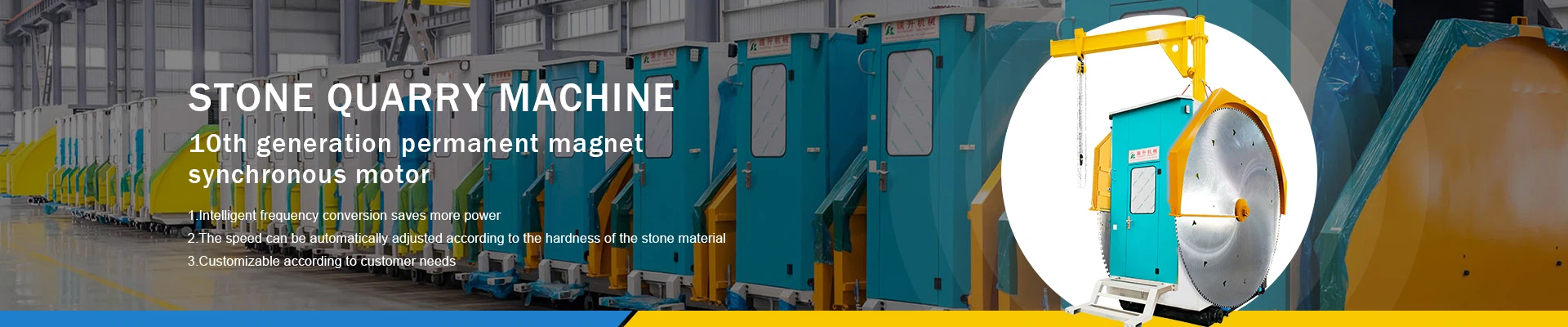
CNC machines can cut materials down to very small sizes, depending on the type of machine and the material being cut. For example, high-precision CNC machines can produce features as small as 0.005 inches in diameter. This level of precision makes them suitable for intricate and detailed work.
CNC Stone Cutting Machine
CNC stone cutting machines, such as those used for cutting granite and marble, can handle both small and large-scale projects. These machines use diamond-tipped blades or laser beams to cut the stone with high precision. For instance, a 5-axis CNC bridge saw can cut intricate designs and complex shapes in stone. These machines can cut features as small as a few millimeters, making them suitable for detailed engravings and small-scale stone work.

In summary, the smallest size a CNC machine can cut depends on the machine's precision and the material's properties. High-precision CNC machines can achieve very small feature sizes, making them ideal for detailed work in various materials, including stone.
Can CNC machines cut metal as small as stone?
CNC machines can cut metal with a high level of precision, often achieving feature sizes as small as 0.5 mm in diameter. This is comparable to the precision achieved when cutting stone, although the specific capabilities can vary depending on the type of CNC machine and the material being cut.
CNC Stone Cutting Machine
CNC stone cutting machines, such as those used for cutting granite and marble, can handle both small and large-scale projects. These machines use diamond-tipped blades or laser beams to cut the stone with high precision. For instance, a 5-axis CNC bridge saw can cut intricate designs and complex shapes in stone. These machines can cut features as small as a few millimeters, making them suitable for detailed engravings and small-scale stone work.
Comparison with Metal Cutting
Similar to stone cutting, CNC machines used for metal cutting can achieve very small feature sizes. For example, CNC milling machines can produce features as small as 0.5 mm in diameter, which is considered the smallest feasible feature size for practical purposes. This level of precision makes CNC machines suitable for detailed work in metals such as aluminum, steel, and titanium.
Key Factors Influencing Precision
Machine Specifications: The precision of a CNC machine depends on its specifications, such as horsepower, spindle speed, and rigidity.
Material Properties: The hardness and characteristics of the metal being cut also influence the achievable precision.
Tooling: The type and quality of cutting tools used, such as diamond bits for stone or carbide tools for metal, affect the precision and quality of the cut.
In summary, CNC machines can cut metal with a precision that is comparable to cutting stone, achieving very small feature sizes. This makes them highly versatile for various applications, from detailed engravings to large-scale fabrication.
What's the smallest feature a 5-axis CNC bridge saw can cut?
A 5-axis CNC bridge saw can cut extremely small and intricate features with high precision. The smallest feature that can be cut depends on the specific machine and its capabilities. Here are some key points to consider:
Precision and Detail:
Modern 5-axis CNC bridge saws are capable of cutting very small and detailed features. For example, the Helios Five CNC bridge saw is designed to produce highly detailed works with extreme precision, thanks to its recirculating ball screws and zero backlash gears.
The Versa 5 from Baca Systems can cut intricate shapes and designs with high accuracy, thanks to its advanced features like the Mechanical Touch Probe, which measures material thickness variations and adjusts the cutting trajectory accordingly.
Tool and Blade Size:
The smallest feature that can be cut is often limited by the size of the cutting tool or blade. For example, the HKNC-500 by Hualong Machinery can cut intricate shapes like triangles, circles, and ovals, with a maximum cutting thickness of 140 mm and a blade diameter ranging from 400 mm to 500 mm.
Software and Programming:
The precision of the cuts is also influenced by the software used to program the machine. Advanced CNC software allows for the creation of highly detailed and complex designs. For example, the Vector5 CNC 5 Axis bridge saw can import DXF files and cut them with incredible precision.
Material and Application:
The type of material being cut and the specific application also play a role in determining the smallest feature that can be cut. For example, when cutting thin materials like porcelain or ultra-compact materials, the VOYAGER™ XP 5-Axis CNC Saw can achieve very precise cuts with its TightCut™ feature, which nests parts closer together and increases material yield.
In summary, a 5-axis CNC bridge saw can cut very small and intricate features, with the smallest feature size depending on the machine's design, tool size, and the material being cut. Advanced machines like the Helios Five, Versa 5, and HKNC-500 are designed to handle highly detailed and precise cutting tasks.

How does CNC machine precision compare to manual cutting?
CNC machines offer significantly higher precision compared to manual cutting methods. Here's a detailed comparison:
Precision and Consistency
CNC Machines:
Achieve sub-micron accuracy through pre-programmed digital instructions (G-code/M-code), ensuring extremely tight tolerances.
Eliminate human error, enabling identical parts with tolerances as tight as a few micrometers.
Ideal for complex geometries (e.g., 3D contours, multi-axis machining).
Manual Cutting:
Precision relies on operator skill; variability increases with large production runs.
Limited repeatability for intricate designs (e.g., manual milling struggles with 3D shapes).
Efficiency and Speed
CNC Machines:
Operate 24/7 with minimal supervision, optimized for high-volume production.
Reduced setup time for batch processing (e.g., DECKEL DC-30 performs drilling, boring, and threading in one setup).
Automated tool changes and parameter adjustments.
Manual Cutting:
Slower due to manual interventions (tool changes, measurements).
Labor-intensive for repetitive tasks; unsuitable for mass production.
Cost Considerations
Initial Investment:
CNC: High upfront costs (advanced hardware like Siemens SINUMERIK controls, CAM software).
Manual: Lower entry price, accessible for small workshops.
Operational Costs:
CNC: Reduced scrap rates (precision minimizes waste) and labor (one operator manages multiple machines).
Manual: Higher labor costs and error-correction expenses.
Batch Size:
CNC: Cost-effective for large-scale production.
Manual: Suitable for low-volume prototyping (no programming overhead).
Complexity and Flexibility
CNC Machines:
Handle 5-axis machining for aerospace/medical components.
CAM software enables rapid design iterations and multi-step workflows.
Manual Cutting:
Limited to simpler shapes (e.g., basic turning, milling).
Flexibility for on-the-fly adjustments (no reprogramming needed).
Safety
CNC Machines:
Minimizes the risk of human error and accidents by automating the machining process.
Manual Cutting:
Higher risk of accidents due to direct operator interaction with hazardous machine parts.
CNC Stone Cutting Machine
CNC stone cutting machines, such as those used for cutting granite and marble, can handle both small and large-scale projects. These machines use diamond-tipped blades or laser beams to cut the stone with high precision. For instance, a 5-axis CNC bridge saw can cut intricate designs and complex shapes in stone. These machines can cut features as small as a few millimeters, making them suitable for detailed engravings and small-scale stone work.
Conclusion
CNC machines offer superior precision, consistency, and efficiency compared to manual cutting methods. They are ideal for high-volume production and complex designs, reducing labor costs and minimizing material waste. However, they require a higher initial investment and specialized programming skills.
What are the typical sizes CNC machines can cut in metal?
CNC machines can cut metals across a wide range of sizes, depending on the type of machine and the specific application. Here are the typical sizes that various CNC machines can handle:
1. CNC Milling Machines
Minimum Size: Features as small as 0.5 mm can be machined.
Maximum Size: Work envelopes can range from smaller setups at 42" x 24" x 20" (1066.8mm x 609.6mm x 508mm) to large-scale machines with X, Y, and Z travels of up to 11000mm, 4700mm, and 2450mm, respectively.
2. CNC Lathes
Minimum Size: Features as small as 0.5 mm can be machined.
Maximum Size: Can handle diameters up to 930mm and lengths of 4000mm.
3. CNC Plasma Cutters
Minimum Size: Parts as thin as 1 mm can be cut.
Maximum Size: Typically, parts up to 50 mm in thickness can be cut with high accuracy. The work envelope can accommodate parts up to 3000 mm in length and 1500 mm in width.
4. CNC Laser Cutters
Minimum Size: Features as small as 0.5 mm can be machined.
Maximum Size: Can cut metal sheets up to 50 mm thick.
5. CNC Waterjet Cutters
Minimum Size: Features as small as 0.5 mm can be machined.
Maximum Size: Can cut through several inches of metal, with work envelopes accommodating large parts.
6. CNC EDM Machines
Minimum Size: Parts as thin as 0.1 mm can be machined.
Maximum Size: Parts up to 1000 mm in length and 500 mm in width can be machined.
CNC Stone Cutting Machine
CNC stone cutting machines, such as those used for cutting granite and marble, can handle both small and large-scale projects. These machines use diamond-tipped blades or laser beams to cut the stone with high precision. For instance, a 5-axis CNC bridge saw can cut intricate designs and complex shapes in stone. These machines can cut features as small as a few millimeters, making them suitable for detailed engravings and small-scale stone work.
What are the key factors affecting the precision of a 5-axis CNC bridge saw?
The precision of a 5-axis CNC bridge saw is influenced by several key factors:
1.Mechanical Precision:
Recirculating Ball Screws and Zero Backlash Gears: These components ensure extremely precise movements, allowing the machine to produce highly detailed works.
Rectified and Tempered Guides and Ball Bearings: These components contribute to the accuracy of all movements.
2.Advanced Control Systems:
CNC Control: The use of Computer Numerical Control (CNC) systems allows for precise and automated cutting operations. These systems can interpret design specifications and execute them with high accuracy.
Touchscreen Interface and Software Integration: Modern 5-axis CNC bridge saws often come with user-friendly touchscreen interfaces and software that can integrate with CAD/CAM programs. This allows for easy design uploads and precise cutting.
3.Tool and Blade Quality:
High-Quality Cutting Tools: The precision of cuts is highly dependent on the quality of the cutting tools used. High-quality blades and tools ensure clean and accurate cuts.
4.Machine Stability:
Sturdy Construction: Machines with a robust and stable construction, such as those made from heavy-duty steel, ensure that the cutting process is not affected by vibrations or instability.
5.Automation and Multi-Tool Capabilities:
Automatic Tool Change and Tool Magazine: The ability to automatically change tools and use a variety of cutting tools (saw blades, milling cutters, etc.) enhances precision and versatility.
Multi-Directional Cutting: The ability to cut in multiple directions and at various angles allows for more intricate and precise cuts.
6.Software and Programming:
Advanced Software Features: Features like Photoscan systems, which can take a picture of the slab and start the cutting process without further measurement, enhance precision and efficiency.
CAD/CAM Integration: The ability to import CAD drawings and generate processing files automatically ensures high precision and reduces human error.
7.Environmental Factors:
Temperature and Humidity Control: Maintaining a stable environment can help ensure consistent performance and precision.
By considering these factors, you can optimize the precision of your 5-axis CNC bridge saw, ensuring high-quality cuts and intricate designs.

How does the software impact the cutting precision of a 5-axis CNC bridge saw?
The software plays a crucial role in the cutting precision of a 5-axis CNC bridge saw. Here's how different software features impact precision:
1. User-Friendly Interface and Programming
Intuitive Control Software: Modern 5-axis CNC bridge saws come with user-friendly software that simplifies the programming process. For example, the Xtouch software by Helios Automazioni offers an intuitive interface that allows operators to set up and execute complex cuts with ease. This reduces the learning curve and minimizes human error.
Automatic Programming: Software like DDX used in the Versa 5 by Baca Systems enables automatic programming, allowing operators to input precise measurements and execute cuts with high accuracy. This eliminates the need for manual adjustments and enhances overall precision.
2. Advanced Features for Precision Cutting
Photoscan System: The Photoscan system, integrated with Helios Automazioni's Run-touch software, allows for easy and precise cutting by taking a picture of the slab and starting the cutting process without further measurement. This feature ensures that cuts are made exactly as designed.
Mechanical Touch Probe: The Mechanical Touch Probe measures the material's top surface, identifying slab thickness variations and uneven table surfaces. The software then automatically adjusts the saw blade's trajectory, ensuring accurate cuts.
Calibration APP: The Calibration APP in Xtouch allows operators to calibrate a slab without using a drawing. By setting the work's length, height, and rate, the bridge saw is ready for precise calibration.
3. Real-Time Adjustments and Control
Real-Time Parameter Management: Features like "Set Real Time" in Xtouch allow operators to manage cutting lengths and parameters in real-time without interrupting the work cycle. This flexibility ensures that precision is maintained throughout the cutting process.
Stop & Go Functionality: The "Stop & Go" feature allows operators to pause and restart the cutting cycle interactively, ensuring that any adjustments or inspections can be made without compromising precision.
4. Multi-Tool and Multi-Axis Capabilities
Multi-Tool and Tool Magazine: The Versa 5's Multi-Tool feature, combined with a 9-position tool changer magazine, allows for various cutting tools to be used without operator intervention. This versatility ensures that different cuts can be made with high precision.
Full 5-Axis Processing: The powered automatic inclination of the saw blade, adjustable from 0 to 90°, allows for complex cuts at various angles. This capability is crucial for achieving high precision in intricate designs.
5. Dust and Heat Control
Dust Control Systems: Many 5-axis CNC bridge saws come with dust control systems that reduce dust production during cutting. This not only keeps the cutting area clean but also ensures better visibility and accuracy.
Water Cooling Systems: Water control systems spray water onto the saw blade and stone during cutting, keeping everything cool and reducing the risk of cracks or damage due to heat. This helps maintain the precision of the cuts.
What role does touchscreen interface play in CNC control?
The touchscreen interface plays a crucial role in enhancing the precision and ease of use of CNC control systems. Here's how it impacts CNC control, particularly in the context of 5-axis CNC bridge saws:
1. Intuitive and User-Friendly Interface
Touchscreen interfaces are designed to be intuitive and user-friendly, similar to modern smartphones and tablets. This makes it easier for operators to navigate through various functions and settings. For example, DATRON's next control software features a touchscreen interface with graphic icons that simplify job setup and operation. This reduces the learning curve and minimizes the chance of errors.
2. Real-Time Control and Adjustments
With a touchscreen interface, operators can make real-time adjustments to cutting parameters without interrupting the machining process. For example, the DATRON next control allows users to set the origin of the workpiece with a simple swipe on the touchscreen, eliminating the need for manual data entry. This not only saves time but also ensures higher precision by reducing the risk of input errors.
3. Enhanced Visualization and Simulation
Touchscreen interfaces often come with advanced visualization tools that allow operators to preview and simulate cutting operations before they begin. For instance, the iHMI from FANUC provides powerful machining simulation capabilities, allowing users to prove out programs and cycles. This helps in identifying potential issues and making necessary adjustments, thereby enhancing the overall precision and efficiency of the cutting process.
4. Tool Management and Calibration
Modern touchscreen interfaces offer integrated tool management features that streamline the setup process. For example, the Versa 5 by Baca Systems includes an Automatic Saw & Tool Wear Sensor, which detects the saw blade diameter and tool length effortlessly. The software then automatically adjusts the cutting tool's depth, ensuring accurate cuts and reducing the need for manual adjustments.
5. Customization and Flexibility
Touchscreen interfaces can be easily customized to meet the specific needs of different users and applications. For example, the Centroid Touch Screen CNC operator control panel allows users to configure and customize the interface to include specific functions and controls. This flexibility ensures that the interface can be optimized for maximum efficiency and precision in various machining scenarios.
6. Integration with CAD/CAM Software
Many touchscreen interfaces are designed to integrate seamlessly with popular CAD/CAM software. For example, DATRON's next control software is compatible with leading programs like Fusion360, Mastercam, and SolidCAM. This integration allows for smooth data transfer and ensures that the cutting operations are executed precisely as designed.

Products Description
Tool management systems offer significant advantages for CNC machines, enhancing efficiency, precision, and overall productivity. Here are the key benefits:
1. Reduced Tooling Costs
Many users of tool management systems report savings of up to 30% on tooling costs. This is achieved through:
Reduced Inventory: Keeping only necessary tools in stock minimizes excess inventory.
Optimized Consumption: Making maximum use of tools reduces waste.
Streamlined Variety: Identifying and eliminating unused tools simplifies management.
2. Enhanced Precision and Quality
Tool management systems ensure consistent quality and precision:
Reproducibility: Stored cutting data allows for repeatable, high-quality results.
Monitoring and Verification: Tools are monitored and verified for optimal performance.
NC Planning: Tool management systems verify NC planning, ensuring accuracy.
3. Increased Efficiency and Productivity
Tool management systems streamline operations, leading to higher efficiency:
Quick Tool Selection: Eliminates time-consuming searches for tools.
Guided Assembly: Ensures tools are correctly assembled and ready for use.
Fast Setup: All necessary tools are readily available, reducing setup times.
4. Data Integration and Networking
Tool management systems integrate seamlessly with other manufacturing systems, enhancing data flow and transparency:
Data Exchange: Facilitates better understanding and optimization of processes.
Knowledge Base: Utilizes all available data to improve decision-making.
Increased Transparency: Provides a clear overview of all resources and their locations.
5. Automation and Reduced Downtime
Automated tool management reduces manual tasks and downtime:
Automated Tool Loading: Systems like ToolConnect use RFID tags to automate tool loading and data transfer.
Reduced Setup Time: Automated processes significantly reduce machine setup time, allowing operators to focus on production.
Unified Interface: Provides a consistent user experience across different CNC machines.
6. Scalability and Flexibility
Tool management systems can be tailored to meet specific needs and scale with business growth:
Customizable Solutions: Adapt to unique requirements and evolve with changing needs.
Seamless Integration: Easily integrates into existing processes and workflows.
7. Enhanced Safety and Ergonomics
Advanced tool management systems improve workplace safety and ergonomics:
Ergonomic Tool Loading Stations: Reduce physical strain and safety risks associated with handling tools.
Automated Processes: Minimize manual handling of tools, reducing the risk of injury.
8. Global Optimization
Centralized tool management systems optimize tool usage across multiple machines and locations:
Centralized Tool Storage: Manages thousands of tools, ensuring they are available when needed.
Just-in-Time Delivery: Ensures tools are delivered to machines just when required, reducing downtime.


