

An excavator's boom is a critical component that provides the machine with its digging and lifting capabilities. Understanding how the boom works involves looking at its structure, the hydraulic system that powers it, and the controls that the operator uses to manipulate it.
Structure of the Boom
1.Main Boom:
The main boom is the long, rigid arm that extends vertically from the excavator's chassis. It serves as the primary support structure for the arm and bucket.
It is typically made of high-strength steel to withstand the forces exerted during digging and lifting operations.
2.Arm (Stick):
The arm, also known as the stick, is attached to the end of the main boom. It can pivot up and down, allowing the excavator to reach different angles and depths.
The arm is also made of high-strength steel and is designed to handle significant loads.
3.Bucket:
The bucket is the digging tool attached to the end of the arm. It comes in various sizes and shapes depending on the application (e.g., general-purpose, trenching, rock buckets).
The bucket can be rotated and tilted to control the angle of the dig.
Hydraulic System
The excavator's boom is powered by a hydraulic system, which consists of several key components:
1.Hydraulic Cylinders:
The boom and arm movements are controlled by hydraulic cylinders. These cylinders convert hydraulic pressure into mechanical force.
Boom Cylinder: Controls the up and down movement of the main boom.
Arm Cylinder: Controls the up and down movement of the arm.
Bucket Cylinder: Controls the tilting and rotation of the bucket.
2.Hydraulic Pumps:
The hydraulic pumps generate the pressure needed to move the cylinders. They are driven by the excavator's engine and provide a continuous flow of hydraulic fluid.
The pressure generated by the pumps is transmitted through hoses to the cylinders.
3.Control Valves:
The operator controls the movement of the boom, arm, and bucket using levers in the cab. These levers are connected to control valves that regulate the flow of hydraulic fluid to the cylinders.
The control valves direct the fluid to the appropriate cylinder, causing it to extend or retract, which in turn moves the boom, arm, or bucket.
How the Boom Works
Boom Movement:
When the operator moves the control lever for the boom, the control valve directs hydraulic fluid to the boom cylinder.
The fluid pressure causes the cylinder to extend or retract, raising or lowering the main boom.
Arm Movement:
Similarly, when the operator moves the control lever for the arm, the control valve directs fluid to the arm cylinder.
The cylinder extends or retracts, causing the arm to pivot up or down.
Bucket Movement:
The bucket is controlled by its own hydraulic cylinder. When the operator moves the control lever for the bucket, the control valve directs fluid to the bucket cylinder.
The cylinder extends or retracts, causing the bucket to tilt or rotate.

Operator Controls
The operator uses a set of levers or joysticks in the cab to control the boom, arm, and bucket.
Modern excavators often have electronic controls that provide precise and smooth movement.
The operator can manipulate the boom, arm, and bucket simultaneously to perform complex tasks such as digging, grading, and loading.
Safety and Stability
The excavator's boom is designed to provide stability and balance during operation.
The machine's weight distribution and the use of tracks or wheels help maintain stability, especially when working on slopes or uneven terrain.
Operators must follow safety guidelines to prevent accidents, such as avoiding overloading the bucket and maintaining a safe distance from obstacles.
Conclusion
The excavator's boom is a sophisticated system that combines mechanical strength with hydraulic power to provide precise control over digging and lifting operations. By understanding how the boom works, operators can maximize the efficiency and safety of their work.
What are the different types of buckets an excavator can use
Excavators can be fitted with a wide variety of buckets to suit different applications and materials. Here are the main types of excavator buckets and their uses:
General-Purpose Buckets
Description: Versatile and suitable for a range of tasks. They usually come with short, blunt teeth.
Applications: Ideal for digging in soft to moderately compacted materials like soil, sand, clay, and gravel.
Grading Buckets
Description: These buckets have a wide, smooth edge without teeth, designed for precision work.
Applications: Used for grading, leveling, backfilling, and shaping surfaces. They are also known as ditch cleaning buckets.
Heavy-Duty Buckets
Description: Made from high-strength, abrasion-resistant steel with reinforced edges and thicker sidewalls.
Applications: Suitable for tougher materials like hard-packed clay, stone, and gravel.
Rock Buckets
Description: Built for extreme durability with long, sharp teeth and a V-shaped cutting edge.
Applications: Used in quarrying, mining, and demolition where operators encounter large rocks and abrasive materials.
Trenching Buckets
Description: Narrow buckets with a sharp, flat blade and an extended front section.
Applications: Designed for digging narrow, deep trenches for utilities, pipelines, and drainage systems.
Micro Trenching Buckets
Description: Very narrow and deep, almost claw-like in appearance.
Applications: Used for digging trenches in tight areas, such as for fiber-optic cables, irrigation lines, and electrical conduits.
Angle Tilt Buckets
Description: Can tilt up to 45 degrees in either direction, providing enhanced maneuverability.
Applications: Useful for grading, sloping, and finishing work on uneven terrain.
Skeleton Buckets
Description: Feature a grid-like design that allows fine particles to fall through while retaining larger debris.
Applications: Ideal for sorting and filtering materials in demolition, recycling, and site cleanup operations.
Utility Buckets
Description: Designed with a rounded, bolt-on blade that deflects cables away from the cutting edge.
Applications: Used for digging around buried utilities, telecom installations, and utility trenches.

V-Buckets
Description: Have a V-shaped design for creating sloped trenches.
Applications: Used for laying pipelines, drainage ditches, and cables, especially in agricultural irrigation projects.
Frost/Hardpan Buckets
Description: Heavy-duty buckets with ripper teeth on the back or side to break up tough material.
Applications: Ideal for breaking through extremely compacted or frozen ground.
Clamshell Buckets
Description: Designed for vertical excavation in confined areas.
Applications: Used for dredging, trenching, and material rehandling tasks.
Choosing the right bucket for your excavator depends on the specific job requirements, material type, and working conditions.
whats an excavator
An excavator is a versatile and powerful heavy construction machine designed primarily for digging and earthmoving tasks. It is widely used in various industries, including construction, mining, and infrastructure development. Excavators come in different sizes and configurations to suit a wide range of applications.
Key Components of an Excavator
Cab:
The operator's compartment where the controls are located. It provides a comfortable and safe environment for the operator.
Modern cabs are equipped with advanced controls, ergonomic seating, and climate control systems.
Boom and Arm:
The boom is the main arm of the excavator that extends outwards. It is connected to the arm, which can pivot and move up and down.
These components provide the excavator with the ability to reach and dig at various angles and depths.
Bucket:
The bucket is the digging tool attached to the end of the arm. It comes in various sizes and shapes, depending on the task.
Common types include general-purpose buckets, trenching buckets, and rock buckets.
Undercarriage:
The undercarriage includes the tracks or wheels that support and move the excavator. Tracks provide better stability and traction on rough terrain, while wheels offer higher mobility on paved surfaces.
Rotating Platform:
The upper part of the excavator, including the cab and boom, can rotate 360 degrees. This feature allows the excavator to dig in multiple directions without needing to reposition the machine.
Types of Excavators
1.Mini Excavators:
Weight: 1-3 tons
Applications: Residential construction, landscaping, utility work, and small-scale projects.
Advantages: Compact size, high maneuverability, and ease of transport.
2.Medium Excavators:
Weight: 7-14 tons
Applications: Medium-scale construction projects, commercial landscaping, and infrastructure development.
Advantages: Balance of power and versatility, suitable for a wide range of tasks.
3.Large Excavators:
Weight: 15-30 tons or more
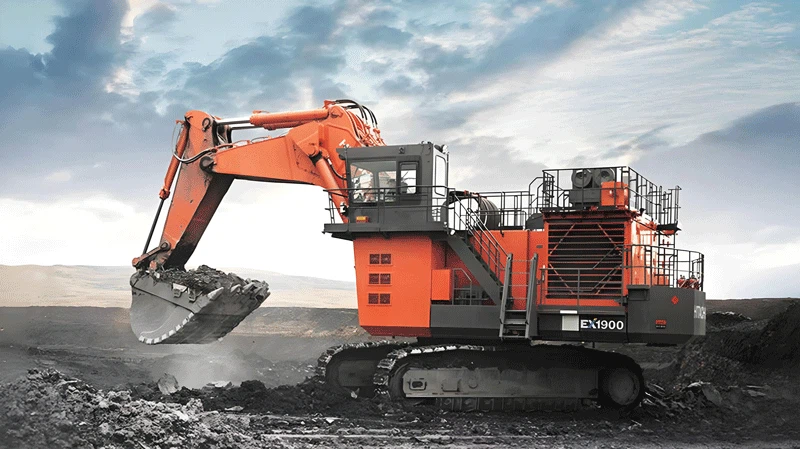
Applications: Large-scale construction, mining, heavy-duty excavation, and major infrastructure projects.
Advantages: High power, large digging capacity, and ability to handle heavy loads.
4.Specialized Excavators:
Long Reach Excavators: Designed for extended reach and are used in demolition and slope work.
Spider Excavators: Compact and highly maneuverable, with articulated legs for stability on steep slopes.
Wheeled Excavators: Equipped with wheels instead of tracks, offering higher mobility on paved surfaces.
Common Applications
Excavation: Digging trenches, foundations, and holes for construction projects.
Demolition: Removing structures and breaking up concrete.
Material Handling: Loading and unloading materials such as soil, gravel, and rocks.
Land Clearing: Removing trees, stumps, and other obstacles from land.
Utility Work: Installing and maintaining underground utilities like pipes and cables.
Advantages of Excavators
Versatility: Can be fitted with various attachments to perform different tasks.
Power and Precision: High digging force and precise control.
Stability: Tracks provide excellent stability, especially on uneven terrain.
Efficiency: Reduces manual labor and increases productivity.
Conclusion
An excavator is a highly versatile and essential piece of heavy machinery in the construction and mining industries. Its ability to dig, lift, and move materials makes it indispensable for a wide range of projects. The choice of excavator depends on the specific needs of the project, including size, weight, and the type of work to be performed.
Can a medium excavator handle steep slopes
A medium excavator (7-14 tons) can handle steep slopes, but it requires careful operation and adherence to specific safety guidelines. Here are the key considerations and tips for using a medium excavator on steep slopes:
Key Considerations
1.Slope Limitations:
Excavators should not be operated on slopes steeper than 70% grade (35 degrees). This is a critical safety threshold to prevent tipping or loss of stability.
2.Machine Selection:
Long Reach Excavators: These are particularly useful for slopes as they allow the machine to remain on stable ground while the extended arm performs the digging.
Spider Excavators: These machines are designed for steep terrain and offer better stability on slopes.
3.Operator Experience:
Operating on slopes requires skill and experience. It is crucial to have a trained and experienced operator who understands the challenges and safety considerations of working on uneven terrain.
Safety Tips for Operating on Slopes
1.Assess the Terrain:
Thoroughly survey the worksite to understand the slope gradient, soil composition, and potential obstacles. Weather conditions can also impact slope stability, so it's important to stay updated on weather forecasts.
2.Positioning the Machine:
Position the excavator perpendicular to the slope to maintain stability. Use the bucket or blade to create a level working platform by removing or adding material beneath the tracks.
3.Track Direction:
Always keep the tracks pointing up or down the slope, not sideways. This helps prevent the machine from sliding and reduces the risk of rollover.
4.Load Management:
Ensure that any attachments or loads are properly secured and evenly distributed. Extra weight can affect the machine's stability, especially on slopes.
5.Inspect and Maintain the Equipment:
Regularly inspect the excavator for wear and tear, especially the undercarriage, hydraulic hoses, and cylinders. Replace any worn or damaged parts before operating on slopes.

Practical Techniques
Use the Blade for Stability: The blade can serve as a stabilizing tool by keeping it low and in contact with the ground. This helps brace the excavator against the slope.
Adjust Track Tension: Proper track tension is essential for stability and performance. Consult the operator's manual for the manufacturer's recommended tension and adjust as needed.
Conclusion
A medium excavator can handle steep slopes, but it requires the right machine selection, experienced operators, and adherence to safety guidelines. By following these tips and using appropriate techniques, you can safely and effectively operate a medium excavator on steep terrain.
What viscosity should I choose for my excavator
Choosing the correct hydraulic oil viscosity for your excavator is crucial for optimal performance, efficiency, and longevity of the machine. Here's how to determine the right viscosity for your excavator:
Key Factors to Consider
1.Operating Temperature Range:
ISO 32 Hydraulic Oil: Suitable for light to medium machinery and colder climates. It flows easily in low temperatures, making it ideal for general-purpose hydraulic systems.
ISO 46 Hydraulic Oil: Best for heavy machinery like excavators, especially in warmer climates. It maintains stability and performance at elevated temperatures and is ideal for high-pressure systems.
ISO 68 Hydraulic Oil: Thicker and more suitable for heavy-duty operations or cold climates, providing better protection under extreme conditions.
2.Machine Load and Pressure:
For high-pressure systems (280-350 bar) and heavy-duty operations, ISO 46 or ISO 68 is recommended.
For lighter loads and general-purpose applications, ISO 32 is sufficient.
3.Manufacturer Recommendations:
Always refer to the excavator's manual for the manufacturer's recommended viscosity grade. This ensures compatibility and optimal performance.
Specific Recommendations
General Construction and Warm Climates: ISO 46 is commonly used for excavators in general construction and warmer climates. It provides good protection and performance across a wide range of temperatures.
Cold Climates or Indoor Use: ISO 32 is better for excavators operating in colder climates or indoor settings where the temperature is more controlled.
Heavy-Duty Applications: For excavators used in heavy-duty applications or extreme temperatures, ISO 68 may be necessary to ensure adequate protection and performance.

Additional Tips
Viscosity Index (VI): High Viscosity Index (HVI) oils maintain their viscosity over a wider temperature range, making them suitable for hot climates and heavy-duty operations.
Synthetic vs. Mineral-Based Oils: Synthetic oils offer superior performance in extreme temperatures and extended service intervals, but come at a higher cost. Mineral-based oils are more cost-effective and suitable for general use.
By considering these factors and following the manufacturer's guidelines, you can select the appropriate hydraulic oil viscosity for your excavator, ensuring efficient operation and reduced maintenance costs.
where are volvo excavators made
Volvo Construction Equipment (Volvo CE) is a global leader in manufacturing heavy equipment, including excavators. Their manufacturing facilities are spread across multiple countries to cater to different regional demands. Here are the key locations where Volvo excavators are produced:
Key Manufacturing Locations
1.Sweden
Gothenburg: The headquarters and a major manufacturing hub for Volvo CE.
Arvika: A production site for various heavy equipment.
Hallsberg: Another important manufacturing location.
2.United States
Shippensburg, Pennsylvania: Volvo CE is expanding this facility to produce mid- to large-size crawler excavators and large wheel loaders. This expansion is part of a $261 million global investment to increase production capacity and mitigate supply chain risks.
3.China
Shanghai: This facility, established in 2002, specializes in the production of crawler excavators. It employs around 260 people and is a significant manufacturing site for Volvo CE.
Jinan: Volvo CE has a research and development center here, which is part of its global R&D network. This center focuses on developing infrastructure equipment tailored to the needs of customers in China and Southeast Asia.
4.South Korea
Changwon: A major production site for crawler excavators. Volvo CE is also investing in expanding and upgrading this facility.
5.Other Locations
Brazil (Pederneiras): A manufacturing site for Volvo CE.
India (Bangalore): Another production location for Volvo CE.
Poland (Wroclaw): A manufacturing site for Volvo CE.

Recent Developments
Volvo CE is making significant investments to expand and upgrade its production facilities in key markets like the United States, China, and South Korea. This expansion aims to meet growing customer demands, reduce supply chain risks, and enhance production flexibility.
In summary, Volvo excavators are manufactured in multiple locations worldwide, with key sites in Sweden, the United States, China, and South Korea. Each location plays a crucial role in producing different types of excavators to meet global demand.
What are the main differences between mini and large excavators
Mini excavators and large excavators have distinct differences in terms of size, power, application, and operational considerations. Here are the main differences between them:
1. Size and Weight
Mini Excavators:
Weight Range: Typically weigh between 1 and 8 tons.
Compact Design: Smaller footprint and zero or near-zero tail swing, allowing them to operate in tight spaces.
Ease of Transport: Easier to transport and maneuver in residential or urban areas.
Large Excavators:
Weight Range: Weigh more than 45 tons.
Bulkier Design: Larger size and greater weight, making them less suitable for tight spaces.
Transportation Challenges: Require specialized transport and more space for storage.
2. Power and Efficiency
Mini Excavators:
Power: Equipped with smaller engines, suitable for lighter tasks.
Fuel Efficiency: Use less fuel, making them more cost-effective for small projects.
Precision: Ideal for precision tasks like trenching, landscaping, and small-scale demolition.
Large Excavators:
Power: Larger engines and greater lifting capacity, suitable for heavy-duty tasks.
Fuel Consumption: Higher fuel consumption due to larger engines.
Efficiency: Better suited for large-scale projects like mining, road construction, and deep excavation.
3. Applications
Mini Excavators:
Tasks: Ideal for small landscaping jobs, digging trenches for utilities, and working in residential areas.
Versatility: Can be equipped with various attachments like augers, hydraulic breakers, and buckets for different tasks.
Large Excavators:
Tasks: Best for heavy-duty applications like mining, large-scale earthmoving, and deep foundation work.
Attachments: Compatible with a wide range of attachments, including large buckets, hydraulic hammers, and grapples.
4. Operational Considerations
Mini Excavators:
Ease of Use: Smaller size makes them easier to operate in tight spaces and around structures.
Environmental Impact: Lower environmental impact due to smaller size and fuel efficiency.
Large Excavators:
Stability: Larger size provides greater stability on rough terrain.
Durability: Built for long-term use in challenging conditions.
5. Cost and Maintenance
Mini Excavators:
Cost: Generally more affordable to rent or purchase.
Maintenance: Lower maintenance costs due to smaller size and simpler systems.
Large Excavators:
Cost: Higher purchase and rental costs.
Maintenance: Require more extensive upkeep and higher maintenance costs.

Conclusion
The choice between a mini excavator and a large excavator depends on the specific requirements of your project. Mini excavators are ideal for small-scale projects, tight spaces, and tasks requiring precision. Large excavators are better suited for heavy-duty applications, large-scale projects, and tasks requiring greater power and reach. Consider the size of your job site, the nature of the work, and the operational costs when making your decision.


