


how granite is cut
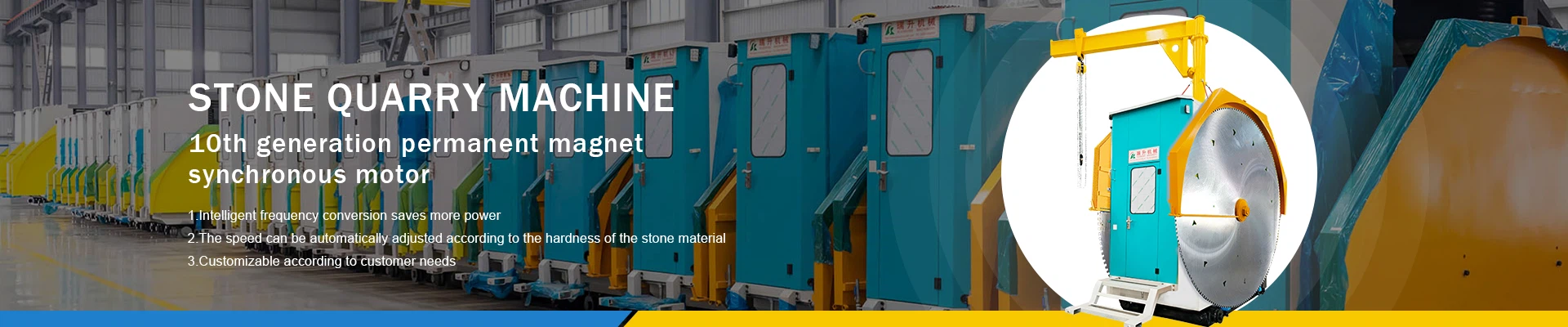
Granite is cut through a series of precise and specialized steps that involve both manual and mechanical processes.Normally, we will use stone cutting machine to cut granite.Here's a general overview of how granite is cut:


Quarrying: The first step in the production of granite slabs is quarrying, which involves locating and extracting large blocks of granite from the Earth. Quarrying techniques vary depending on the location and size of the quarry, but the process generally involves blasting or cutting the rock into manageable chunks .
Cutting the Blocks into Slabs: Once the blocks of granite arrive at the manufacturing facility, they are carefully inspected for any visible flaws or imperfections. Skilled craftsmen then use diamond-tipped saws or high-pressure water jets to cut the blocks into slabs of the desired thickness. This step requires precision and expertise to ensure that the slabs are cut accurately and without damaging the stone .
Surface Finishing: After the granite slabs are cut, they undergo surface finishing processes to enhance their appearance and texture. This involves polishing the slabs using abrasive tools to create a smooth and glossy finish. The level of polishing can vary depending on the desired final look, with options ranging from a high-gloss finish to a more honed or leathered texture .
Fabrication and Edging: Once the slabs are polished, they are ready for fabrication. This step involves customizing the slabs to fit specific countertops or other applications. Skilled craftsmen use precision cutting tools and machinery to shape and edge the granite according to the design specifications. The edges can be customized with various profiles, such as bullnose, beveled, or ogee, to add a personalized touch to the countertops .
Before the granite slabs are ready for installation, they undergo a sealing process to protect them from stains and spills. A high-quality sealer is applied to the surface of the slabs, allowing them to resist moisture and maintain their beautiful appearance. After sealing, each slab goes through a rigorous quality control process to ensure that it meets the highest standards of craftsmanship and durability .
Finally, the fabricated granite slabs are transported to the customer's location for installation. Professional installers carefully position the slabs, making sure they fit perfectly and securely. Once installed, granite countertops require regular maintenance to keep them looking their best. This usually involves sealing the surface periodically and using appropriate cleaning products to remove any stains or spills .


