

Marble mining is a systematic, precision-driven process that balances resource extraction, operational safety, and environmental responsibility. Below is the full workflow with key equipment, safety protocols, and environmental safeguards:
1. Pre-Mining Exploration & Site Preparation
- Geologists conduct detailed surveys using ground-penetrating radar (GPR) and core drilling to map marble deposits. They analyze core samples for color uniformity, mineral composition, and structural integrity to confirm commercial viability.
- Legal and environmental permits are obtained, including assessments for wildlife impact, soil erosion, and water conservation.
- The site is cleared of vegetation, topsoil, and overburden (layers of non-marble rock/soil) using bulldozers, excavators, and front-end loaders. Topsoil is stored separately for later reclamation.
- Access roads and staging areas are constructed to facilitate equipment movement and block transportation.
2. Quarrying & Block Extraction
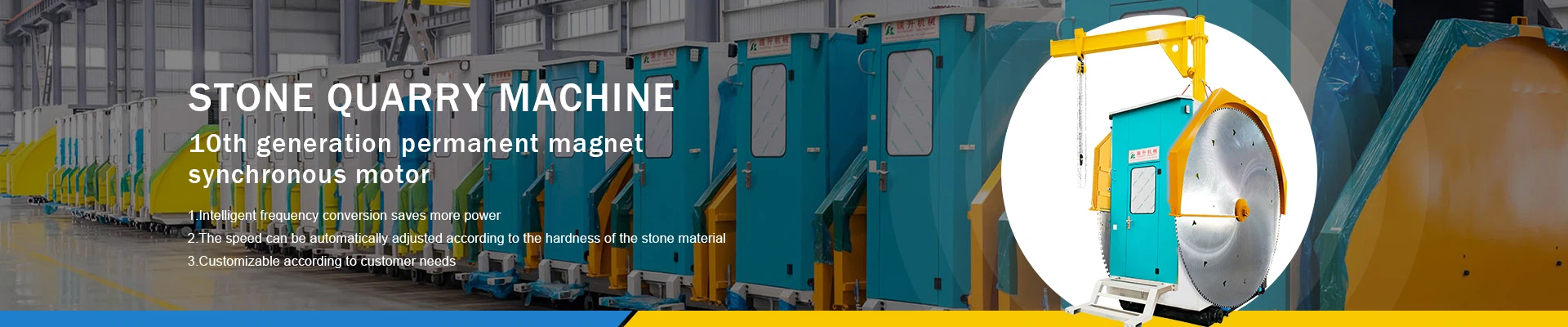
- Marking & Cutting: Surveyors mark the extraction zone to ensure precise block dimensions. Diamond wire saws-equipped with industrial-grade diamond beads-are the primary tool for cutting, as they minimize stone fragmentation. Hydraulic splitters are used for smaller sections or areas where saws can't reach, applying pressure to natural fractures.
- Block Separation: Once vertical and horizontal cuts are complete, wedges or hydraulic rams are inserted to separate the marble block from the bedrock. This "controlled splitting" avoids damaging the block's structure.
- Lifting & Loading: Large cranes with specialized lifting slings (made of synthetic fibers or steel) hoist the blocks-often weighing 10–30 tons-onto heavy-duty trucks or flatbeds. Forklifts are used for smaller blocks.
3. Post-Extraction Inspection & Handling
- Blocks are transported to an on-site inspection yard, where quality control teams check for cracks, veins, or impurities using visual assessments and ultrasonic testing.
- Defective parts are removed with grinders or saws. Blocks that meet standards are labeled by grade, color, and dimensions for downstream processing.
- Blocks are stored in covered areas to protect against weathering (e.g., rain, extreme temperatures) that could cause cracking.
4. Key Equipment Used
- Extraction tools: Diamond wire saws, hydraulic splitters, pneumatic drills (for pre-drilling holes).
- Heavy machinery: Excavators, bulldozers, mobile cranes (50–200 ton capacity), specialized stone transport trucks.
- Inspection tools: Ultrasonic testers, laser measuring devices, visual inspection kits.
5. Safety Protocols
- All workers wear personal protective equipment (PPE): Hard hats, safety goggles, cut-resistant gloves, and steel-toe boots.
- Regular equipment inspections are conducted to ensure saws, cranes, and hydraulic tools are in safe operating condition.
- Stability monitoring systems (e.g., inclinometers) track quarry walls to prevent collapses.
- Emergency response plans are in place, including first-aid stations and evacuation routes for accidents like block shifts or equipment malfunctions.
6. Environmental Safeguards
- Dust control: Water sprinklers and misting systems reduce airborne dust from cutting and drilling.
- Erosion control: Sediment barriers and retaining walls prevent soil runoff into nearby water sources.
- Reclamation: After mining, quarries are backfilled with overburden, covered with stored topsoil, and replanted with native vegetation to restore the ecosystem.
- Water management: Rainwater is collected and treated before discharge, and groundwater usage is regulated to avoid depletion.


