

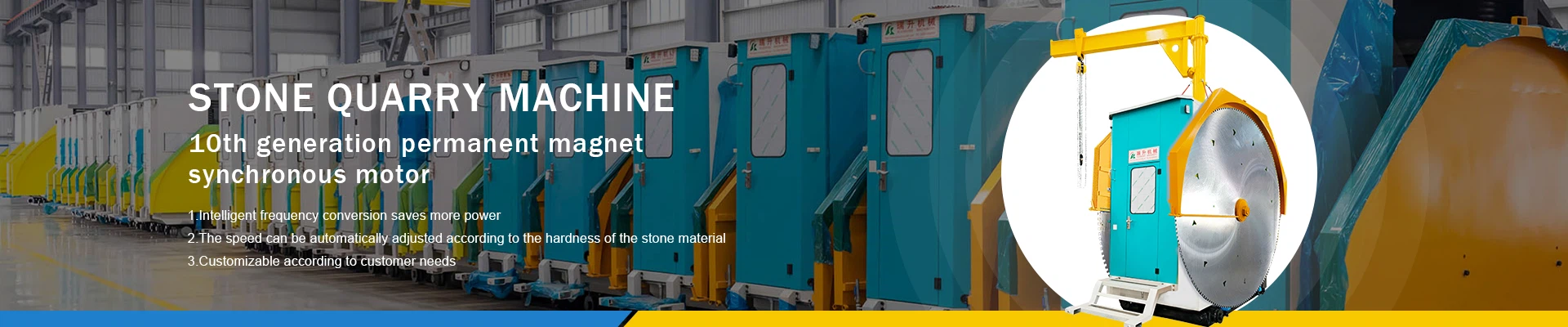
The cost of a block of granite can vary widely based on several factors such as the type of granite, its origin, size, and quality. Here are some key points regarding the price of granite blocks:
Price Range
Per Square Foot: The average cost of granite countertops ranges from $35 to $200 per square foot. This price can vary based on the quality level, type of granite, and customization.
Per Cubic Meter: For raw granite blocks, prices can range from $250 to $650 per cubic meter. For example, Absolute Black granite from Andhra Pradesh, India, costs around $800 per cubic meter.
Factors Affecting Price
Granite Type: Different types of granite have different prices. For example, Absolute Black granite is priced at $800 per cubic meter, while Tan Brown granite is around $600 per cubic meter.
Origin: The origin of the granite can also affect the price. Granite from India, for instance, can be more affordable compared to granite from other regions.
Quality: Granite is often categorized into different quality levels. Level 1 granite, which is more basic, starts at $40 per square foot, while Level 5 granite, which is of higher quality and more exotic, can cost up to $100 per square foot.
Specific Examples
Absolute Black Granite: Originating from Andhra Pradesh, India, this granite costs around $800 per cubic meter.
Black Galaxy Granite: Also from Andhra Pradesh, this granite costs around $900 per cubic meter.
Jet Black Granite: From Karnataka, India, this granite is priced at $800 per cubic meter.

Additional Costs
Installation: The cost of installing granite countertops can add between $2,000 to $4,000 to the total cost. This includes labor, sink cut-outs, and other materials.
Customization: Custom edges, complex shapes, and other customizations can increase the cost.
In summary, the price of a granite block can range from $250 to $650 per cubic meter for raw blocks, and granite countertops can cost between $35 to $200 per square foot. The exact price will depend on the type of granite, its origin, and the quality level.
are butcher block countertops more expensive than granite
Butcher block countertops and granite countertops have overlapping price ranges, so neither is definitively more expensive than the other. Here's a detailed comparison:
Price Ranges
Butcher Block Countertops: The average cost ranges from $35 to $200 per square foot.
Granite Countertops: The average cost ranges from $35 to $200 per square foot.

Factors Affecting Costs
Butcher Block:
Wood Type: Cheaper options like bamboo or birch start at $35 per square foot, while higher-end woods like maple or walnut can cost up to $100 per square foot.
Thickness: Thicker butcher block countertops are more expensive.
Maintenance: Regular oiling and sealing are required, which adds to long-term costs.
Granite:
Granite Type: Basic granite starts at $35 per square foot, while exotic varieties can cost up to $200 per square foot.
Installation: Granite installation often involves higher labor costs.
Maintenance: Requires sealing once a year to prevent staining.
Conclusion
Butcher Block: Can be cheaper, especially with lower-end woods and thinner cuts. However, it requires more maintenance, which can increase long-term costs.
Granite: Generally more durable and lower maintenance, making it a better long-term investment despite potentially higher upfront costs.
In summary, butcher block countertops can be cheaper initially, but granite's durability and lower maintenance needs make it a cost-effective option in the long run.
are butcher block counters cheaper than granite
Butcher block counters and granite counters each have their own price ranges, and whether one is cheaper than the other can depend on several factors:
Butcher Block Counters
Cost Range: Butcher block counters can vary significantly in price based on the type of wood used, the thickness of the boards, and the finish applied. For example, a high-quality butcher block made from hard maple can cost around $70 to $100 per square foot. However, more affordable options like bamboo or reclaimed wood can be found for as low as $30 to $50 per square foot.
Factors Affecting Price:
Wood Type: Hardwoods like maple, oak, and walnut are more expensive than softer woods like pine or bamboo.
Thickness: Thicker butcher block counters are generally more expensive due to the amount of material used.
Finish: High-quality finishes that enhance durability and appearance can add to the cost.
Granite Counters
Cost Range: Granite countertops also have a wide price range. Basic granite slabs can start at around $40 to $60 per square foot, while higher-end, exotic granite varieties can cost $100 to $200 per square foot.
Factors Affecting Price:
Granite Type: Common granite types are less expensive than rare or exotic varieties.
Thickness: Standard thicknesses are 3cm (1.25 inches) and 2cm (0.75 inches), with thicker slabs generally being more expensive.
Customization: Custom cuts, edge profiles, and sink cutouts can increase the cost.

Comparison
Initial Cost: In general, basic butcher block counters can be cheaper than basic granite counters, especially if you opt for less expensive woods like bamboo or pine. However, high-end butcher block made from premium hardwoods can be comparable in price to mid-range granite.
Durability and Maintenance: Granite is known for its durability and low maintenance, which can be a cost benefit over time. Butcher block counters require regular oiling and maintenance to prevent drying and cracking, which adds to the long-term cost.
Aesthetics: Granite offers a wide range of natural patterns and colors, while butcher block provides a warm, natural wood look that can be appealing in certain kitchen designs.
In summary, whether butcher block counters are cheaper than granite depends on the specific materials and finishes you choose. Basic butcher block options can be more affordable initially, but granite's durability and low maintenance can make it a cost-effective choice in the long run.
how can a large block of granite form layers
Granite is an igneous rock formed from the solidification of magma below the Earth's surface. The formation of layers in a large block of granite can be attributed to several geological processes:
1. Intrusive Crystallization and Cooling
When magma intrudes into the Earth's crust and begins to cool slowly, different minerals within the magma solidify at different temperatures. This process can lead to the formation of distinct layers based on mineral composition and crystal size. For example, minerals with higher melting points, like quartz and feldspar, may crystallize first, forming early layers, while minerals with lower melting points solidify later, creating additional layers.
2. Deformation and Metamorphism
Granite can undergo deformation and metamorphism due to tectonic forces. This can cause the original homogeneous granite to develop layers through processes like folding and shearing. For instance, when granite is subjected to intense pressure and heat, it can transform into gneiss, a metamorphic rock with distinct layers due to the alignment of minerals like mica and feldspar.
3. Pneumatolysis and Alteration
Pneumatolysis is a process where hot gases and vapors from the cooling magma alter the surrounding rock. This can lead to the formation of layers with different mineral compositions. For example, greisen, a type of alteration zone rich in quartz and white mica, often forms along the walls of vertical fissures in granite. Similarly, kaolinization can occur near the centers of granite masses, converting the granite into an aggregate of kaolin, muscovite, and quartz, which may form distinct layers.
4. Exfoliation and Weathering
Exfoliation, or onion skin weathering, can create layered appearances on the surface of granite. This process occurs when the outer layers of granite expand and peel off due to temperature variations and the release of pressure as overlying rocks are eroded. Over time, multiple layers can be exposed, giving the appearance of layering in the granite.
5. Magma Mixing and Differentiation
In some cases, different batches of magma can mix and differentiate, leading to the formation of layers within the granite. For example, if a more evolved magma intrudes into a less evolved granite, the interaction and mixing of these magmas can result in compositional layering. Additionally, the settling of heavier minerals and the rising of lighter ones within the magma chamber can create layered structures.

In summary, the formation of layers in a large block of granite is a result of a combination of cooling and crystallization processes, deformation and metamorphism, pneumatolysis, exfoliation, and magma mixing and differentiation. These processes can lead to the development of distinct layers based on mineral composition, crystal size, and structural orientation.
are butcher block countertops cheaper than granite
Butcher block countertops are generally cheaper than granite countertops. Here's a detailed comparison based on the latest information:
Cost Comparison
Butcher Block:
Material Cost: $35 to $200 per square foot.
Installed Cost: $20 to $75 per square foot.
Average Total Cost: Around $3,750 for 30 square feet.
Granite:
Material Cost: $35 to $200 per square foot.
Installed Cost: $60 to $120 per square foot.
Average Total Cost: $1,800 to $3,600 for 30 square feet.
Factors Influencing Cost
Butcher Block:
Wood Type: Maple and oak are more affordable, while cherry and walnut are pricier.
Grain Style: Edge-grain is cheaper than end-grain.
Thickness: Thinner cuts are less expensive.
Granite:
Quality and Rarity: Higher quality and rarer granite types cost more.
Installation: Professional installation adds to the cost.
Maintenance and Durability
Butcher Block:
Maintenance: Requires regular oiling and sealing to prevent drying and cracking.
Durability: Moderate durability; can scratch and burn.
Granite:
Maintenance: Requires periodic sealing to prevent stains.
Durability: Very high durability; resistant to heat and scratches.
Aesthetic and Style
Butcher Block:
Style: Provides a warm, rustic charm.
Versatility: Suitable for farmhouse and traditional kitchen styles.
Granite:
Style: Offers a sleek, modern look.
Uniqueness: Each slab is unique, adding character to the kitchen.

Conclusion
Butcher block countertops are generally cheaper than granite countertops, especially when considering material costs. However, the ongoing maintenance of butcher block can add to the total cost over time. Granite, while more expensive upfront, offers higher durability and lower maintenance, making it a better long-term investment.
is butcher block cheaper than granite
Butcher block countertops are generally cheaper than granite countertops. Here's a detailed comparison based on the latest information:
Cost Comparison
Butcher Block:
Material Cost: $35 to $100 per square foot.
Installed Cost: $20 to $75 per square foot.
Average Total Cost: Around $3,750 for 30 square feet.
Granite:
Material Cost: $75 to $200 per square foot.
Installed Cost: $60 to $120 per square foot.
Average Total Cost: $1,800 to $3,600 for 30 square feet.
Factors Influencing Cost
Butcher Block:
Wood Type: Maple and oak are more affordable, while cherry and walnut are pricier.
Grain Style: Edge-grain is cheaper than end-grain.
Thickness: Thinner cuts are less expensive.
Granite:
Quality and Rarity: Higher quality and rarer granite types cost more.
Installation: Professional installation adds to the cost.
Maintenance and Durability
Butcher Block:
Maintenance: Requires regular oiling and sealing to prevent drying and cracking.
Durability: Moderate durability; can scratch and burn.
Granite:
Maintenance: Requires periodic sealing to prevent stains.
Durability: Very high durability; resistant to heat and scratches.
Aesthetic and Style
Butcher Block:
Style: Provides a warm, rustic charm.
Versatility: Suitable for farmhouse and traditional kitchen styles.
Granite:
Style: Offers a sleek, modern look.
Uniqueness: Each slab is unique, adding character to the kitchen.

Conclusion
Butcher block is generally cheaper than granite, especially when considering material costs. However, the ongoing maintenance of butcher block can add to the total cost over time. Granite, while more expensive upfront, offers higher durability and lower maintenance, making it a better long-term investment.
how much is butcher block compared to granite
Butcher block countertops are generally more affordable than granite countertops. Here's a detailed comparison based on the latest information:
Cost Comparison
Butcher Block:
Material Cost: $35 to $200 per square foot.
Installed Cost: $20 to $75 per square foot.
Average Total Cost: Around $3,750 for 30 square feet.
Granite:
Material Cost: $35 to $200 per square foot.
Installed Cost: $60 to $120 per square foot.
Average Total Cost: $1,800 to $3,600 for 30 square feet.
Factors Influencing Cost
Butcher Block:
Wood Type: Maple and oak are more affordable, while cherry and walnut are pricier.
Grain Style: Edge-grain is cheaper than end-grain.
Thickness: Thinner cuts are less expensive.
Granite:
Quality and Rarity: Higher quality and rarer granite types cost more.
Installation: Professional installation adds to the cost.

Conclusion
Butcher block countertops are generally cheaper than granite countertops, especially when considering material costs. However, the ongoing maintenance of butcher block can add to the total cost over time. Granite, while more expensive upfront, offers higher durability and lower maintenance, making it a better long-term investment.


