

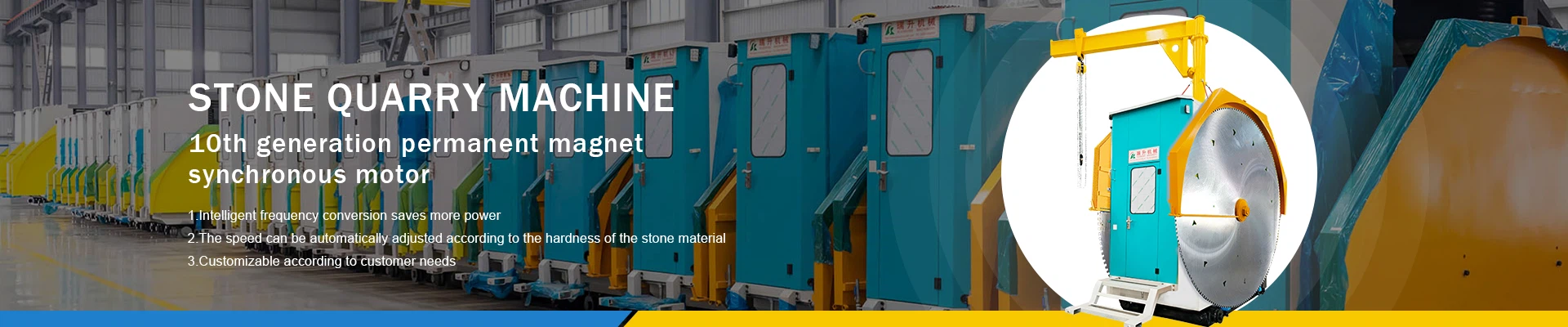
The price of a stone splitting machine can vary significantly based on the type, features, and capabilities of the machine. Here are some examples based on the latest information:
Hydraulic Stone Splitting Machines
Four-Blade Manual Feeding Cube Stone Splitting Machine
FOB Price: $6,700 - $6,900
Warranty: 12 Months
Usage: Granite, Marble, Limestone, Artificial Stone, Basalt, Quartzite, Sandstone
Features: This machine is designed for splitting square column stone into cubes or blocks with a rustic appearance. It has a manual feed design, making it flexible for different sizes and shapes.
Rock Saw Cut Face Splitter Stone Splitting Machine
FOB Price: $16,200 - $16,700
Warranty: 12 Months
Usage: Granite, Marble, Limestone, Slate, Artificial Stone, Basalt, Quartzite, Sandstone, Travertine
Features: This hydraulic stone splitting machine uses saw cut face splitting technology to handle various stone hardnesses. It is ideal for producing cubic paving stones and stone veneer panels.
Hydraulic Cubes and Stone Slicing Splitting Machine
FOB Price: $7,800 - $8,000
Warranty: 12 Months
Usage: Granite, Marble, Limestone, Artificial Stone, Basalt, Sandstone, Travertine
Features: This machine has an automatic conveyor mechanism suitable for processing long stone strips into square blocks. It is designed for high efficiency and precision.
Automatic Four-Blade Cube Stone Splitting Machine
FOB Price: $11,000 - $12,000
Warranty: 12 Months
Usage: Granite, Marble, Limestone, Slate, Artificial Stone, Basalt, Quartzite, Sandstone, Travertine
Features: This machine is designed to split square column stone into blocks or cubes with a rustic look. It features an open frame for easy maintenance and high - carbon steel chisels for superior performance.

Advanced Stone Splitting Machines
Hydraulic Natural Stone Splitting Machine With Robot Arm
FOB Price: $22,000 - $24,000
Warranty: 12 Months
Usage: Granite, Marble, Limestone, Slate, Artificial Stone, Basalt, Quartzite, Sandstone, Travertine
Features: This machine uses advanced robot arm technology with high - precision floating blades, combined with a hydraulic system for efficient and precise stone splitting.
Natural Cube Stone Splitter Quarry Stone Cutting Machine
FOB Price: $5,000 - $55,000
Warranty: 12 Months
Usage: Granite, Marble, Limestone, Slate, Artificial Stone, Basalt, Quartzite, Sandstone
Features: This high - quality splitting machine is designed for splitting natural stone into cubes or blocks. It offers a wide range of processing capabilities and is suitable for quarry operations.
Additional Options
Hydraulic Stone Splitting Machine - 81
FOB Price: $3,500 - $5,000
Warranty: 12 Months
Usage: Granite, Marble, Limestone, Slate, Onyx, Basalt, Quartzite, Sandstone, Travertine
Features: This machine is designed for splitting and stamping stones, offering high efficiency and precision.
Cobble/Paving/Wall Stone Splitting Machine
FOB Price: $10,000 - $35,000
Warranty: 12 Months
Usage: Granite, Marble, Limestone, Slate, Artificial Stone, Basalt, Quartzite, Sandstone
Features: This machine is suitable for splitting cobblestones, paving stones, and wall stones. It offers a wide range of processing capabilities and is designed for high - efficiency production.
what is a split machine
A split machine, often referred to as a stone splitting machine or rock splitting machine, is a specialized piece of equipment designed to split stones or rocks into smaller, more manageable pieces. These machines are widely used in the stone quarrying, construction, and landscaping industries. Here's a detailed look at what a split machine is and its key features and applications:
Key Features of a Split Machine
1.Hydraulic System:
Purpose: The hydraulic system provides the necessary force to split the stone. It uses hydraulic pressure to drive the splitting blades or wedges.
Function: This system ensures that the machine can generate high - pressure forces to split even the hardest stones.
2.Splitting Blades or Wedges:
Purpose: These are the cutting tools that actually split the stone. They are typically made from high - strength materials like steel or tungsten carbide.
Function: The blades or wedges are designed to penetrate and split the stone along natural fault lines or predetermined cuts.
3.Adjustable Mechanism:
Purpose: Allows the operator to adjust the position and angle of the splitting blades or wedges to accommodate different stone sizes and shapes.
Function: This feature ensures that the machine can handle a variety of stone types and sizes, making it versatile for different applications.
4.Safety Features:
Purpose: To protect the operator and ensure safe operation.
Function: Common safety features include guards, emergency stop buttons, and safety interlocks to prevent accidental operation.
5.Control Panel:
Purpose: The control panel allows the operator to control the machine's functions, such as adjusting hydraulic pressure, blade position, and splitting speed.
Function: This panel provides a user - friendly interface for operating the machine efficiently and safely.
Types of Split Machines
1.Hydraulic Stone Splitting Machine:
Description: Uses hydraulic pressure to drive the splitting process. These machines are powerful and can handle large stones.
Applications: Widely used in quarries for splitting large stone blocks into smaller pieces.
2.Manual Stone Splitting Machine:
Description: Operated manually, often using levers and hand - powered mechanisms. These are simpler and less expensive than hydraulic models.
Applications: Suitable for smaller - scale operations and DIY projects.
3.Automated Stone Splitting Machine:
Description: These machines are fully automated and can be programmed to split stones to precise dimensions.
Applications: Used in industrial settings where high - volume production and precision are required.

Applications of Split Machines
1.Quarrying:
Purpose: To split large stone blocks into smaller, more manageable pieces for transportation and further processing.
Function: Increases efficiency and reduces the need for manual labor.
2.Construction:
Purpose: To prepare stone for use in construction projects, such as building facades, paving, and landscaping.
Function: Ensures that stones are of uniform size and shape, improving the overall quality of the construction.
3.Landscaping:
Purpose: To create decorative stone features, such as cobblestones, wall stones, and paving stones.
Function: Provides a cost - effective and efficient way to produce custom - sized stones for landscaping projects.
4.Stone Processing:
Purpose: To split stones into specific sizes and shapes for various industrial applications.
Function: Ensures consistency and precision in stone processing, reducing waste and improving productivity.
Advantages of Split Machines
1.Efficiency:
Split machines can process stones quickly and efficiently, reducing the time and labor required for manual splitting.
2.Precision:
These machines can split stones to precise dimensions, ensuring uniformity and quality.
3.Safety:
Modern split machines come with various safety features that protect operators from injury.
4.Versatility:
Split machines can handle a wide range of stone types and sizes, making them suitable for various applications.
which simple machine is used to split objects apart
The simple machine commonly used to split objects apart is the wedge.
Key Features and Functions of a Wedge
1.Definition:
A wedge is a type of simple machine that is essentially a portable inclined plane. It is used to split objects apart by applying force to a small area, creating a larger area of separation.
2.How It Works:
The wedge works by converting the applied force into a splitting force. When you apply a force to the thin end of the wedge, it spreads that force over a larger area, effectively splitting the object apart.
For example, an axe is a common example of a wedge. When you strike an axe into a piece of wood, the force of the blow is concentrated at the thin edge of the axe, which then splits the wood apart.
3.Applications:
Woodworking: Axes and chisels are used to split wood.
Construction: Wedges are used to split stones and rocks.
Kitchen: Knives and other cutting tools use the principle of the wedge to cut and split food items.
Mechanical Systems: Wedges are used in various mechanical systems to hold objects in place or to create a tight fit.

Examples of Wedges
1.Axe:
Used to split wood by applying force to the thin edge, which then spreads the wood apart.
2.Chisel:
Used in woodworking and stone carving to split and shape materials by applying force to the chisel's edge.
3.Knife:
Used in the kitchen to cut and split food items by applying force to the blade.
4.Doorstop:
A small wedge placed under a door to hold it open by using the force of the door against the wedge.
5.Wedge Shims:
Used in construction to adjust the level of objects by placing the wedge under the object and applying force to lift and level it.
Advantages of Using a Wedge
1.Efficiency:
Wedges allow you to apply a small force over a small area, which is then distributed over a larger area, making it easier to split objects.
2.Versatility:
Wedges can be used in a variety of applications, from woodworking to construction to everyday tasks like cutting food.
3.Simplicity:
Wedges are simple to use and require minimal mechanical complexity, making them accessible for a wide range of tasks.
does a splits machine help with doing the splits
Yes, a split machine can indeed help with doing the splits. Split machines, also known as leg stretchers or flexibility trainers, are designed to improve flexibility and assist in achieving the splits. Here's how they can be beneficial:
Benefits of Using a Split Machine
Improved Flexibility:
Split machines allow for a deeper and more effective stretch than traditional methods. They help target specific muscles and gradually increase the intensity of the stretch, which can significantly improve flexibility.
Gradual Progression:
These machines enable users to progress at their own pace. With adjustable settings, you can gradually increase the stretch as your flexibility improves, making it easier and safer to achieve the splits.
Proper Alignment and Support:
Split machines provide proper alignment and support during stretching. This reduces the risk of injury and ensures that you are using the correct form while stretching.
Convenience and Consistency:
Having a dedicated split machine at home allows for consistent practice. Regular use can lead to noticeable improvements in flexibility and overall performance.

Types of Split Machines
Leg Stretchers:
These machines focus primarily on stretching the legs and are suitable for improving flexibility for the splits. They often come with adjustable settings to cater to different leg lengths and flexibility levels.
Full - Body Stretch Machines:
These machines offer a more comprehensive stretching experience, targeting multiple muscle groups. They can be beneficial for overall flexibility and not just for achieving the splits.
Inversion Tables:
While primarily used for decompressing the spine, inversion tables can also contribute to increased flexibility, which can indirectly help with achieving the splits.
Recommendations
seanleecore Split Machine: This machine adjusts from 0 to 180 degrees and supports up to 300 pounds. It features a smooth rocker design and leather cushions for comfort.
Yes4All Leg Split Machine: This machine offers a customizable stretch length with six holes on each pole and supports up to 330 pounds. It is suitable for users of different heights and leg lengths.
AmazeFan Leg Stretcher: This machine features a 3 - bar design with adjustable speed levels, making it suitable for various sports and activities.
how long to use a split machine
To effectively use a split machine for improving flexibility and achieving the splits, it's important to follow a structured routine. Here are some guidelines on how long and how frequently you should use a split machine:
How Long to Use a Split Machine
1.Warm - Up and Stretching:
Before using the split machine, it's important to warm up and stretch your muscles to prevent injury. This can include simple stretches like hamstring stretches, hip stretches, and butterfly stretches.
2.Duration of Each Session:
Each stretching session on the split machine should last between 10 to 30 minutes. This allows for a gradual increase in flexibility without over - stressing the muscles.
3.Frequency:
It's recommended to use the split machine at least three times per week. Consistency is key in improving flexibility.
4.Gradual Progression:
Start with a gentle stretch and gradually increase the intensity. Hold each stretch for 15 - 30 seconds, and avoid any sudden movements that could cause injury.

Tips for Effective Use
Proper Form: Maintain proper form by keeping your back straight and core engaged. Avoid bouncing or jerking movements.
Listen to Your Body: If you feel any pain or discomfort, stop immediately. Flexibility should be achieved gradually and safely.
Combine with Other Exercises: For the best results, combine using the split machine with other flexibility - enhancing exercises like yoga or Pilates.
Safety Precautions
Always warm up before using the machine.
Start with a gentle stretch and gradually increase the intensity.
Stop if you feel pain or discomfort.
Use the machine on a stable surface and ensure it is properly secured.
how to build a splits machine
Building a splits machine at home can be a rewarding DIY project. Here's a step-by-step guide to help you create your own splits machine using readily available materials and tools:
Materials and Tools Needed
Steel Beam: For the main frame to withstand the force of wood splitting.
Hydraulic Cylinder: To generate the force needed to split the wood.
Engine or Motor: To power the hydraulic system.
Wedges and Blade: For splitting the wood.
Support Stand and Wheels: For portability and stability.
Welder: For assembling the steel frame and components.
Drill and Bits: For creating holes for mounting components.
Angle Grinder: For cutting and shaping metal components.
Socket Set and Wrenches: For assembling and tightening fasteners.
Measuring Tools: For accurate alignment and construction.
Step-by-Step Guide to Building Your Homemade Splits Machine
1.Design and Planning:
Create a detailed design and plan for your splits machine. Consider the dimensions, placement of components, and overall structure. Ensure the design accommodates the size of the logs you'll be splitting.
2.Frame Assembly:
Use the steel beam and welding equipment to construct the frame according to your design. Ensure the frame is sturdy and well-aligned.
3.Mounting the Hydraulic Cylinder:
Position the hydraulic cylinder on the frame, ensuring it is securely mounted and aligned for optimal performance. This will provide the force needed to split the wood.
4.Installing the Engine or Motor:
Carefully install and secure the engine or motor to the frame. Ensure it is compatible with the hydraulic system and can deliver sufficient power for efficient wood splitting.
5.Adding the Splitting Wedge and Blade:
Attach the splitting wedge and blade to the hydraulic cylinder. Ensure they are properly aligned and securely fastened.
6.Hydraulic System Setup:
Connect the hydraulic hoses, control valve, and other hydraulic components according to your design. Test the hydraulic system to ensure proper functionality and address any leaks or issues.
7.Support Stand and Wheels:
Attach a support stand and wheels to the frame for stability and portability.
8.Testing and Calibration:
Conduct thorough testing to ensure all components are functioning as intended. Calibrate the hydraulic system and make any necessary adjustments for optimal performance.
how to make a splits machine
To build a hydraulic rock splitting machine (splits machine) for splitting stones or rocks, you can follow these general steps. This guide is based on the principles of hydraulic splitting and common DIY practices, though for detailed and specific instructions, consulting professional manuals or guides is recommended.
Materials and Tools Needed
Steel Frame: For the main structure.
Hydraulic Cylinder: To provide the splitting force.
Wedges and Blades: For inserting into the rock and splitting it.
Pump and Hose: For the hydraulic system.
Engine or Motor: To power the hydraulic pump.
Welding Equipment: For assembling the frame.
Drill and Bits: For making holes in the rock.
Safety Gear: Gloves, goggles, and other protective equipment.

Steps to Build a Hydraulic Rock Splitting Machine
1.Design and Planning
Sketch a detailed design of your machine, considering the dimensions and placement of components. Ensure the design accommodates the size of the rocks you plan to split.
2.Construct the Frame
Use steel beams to build a sturdy frame that can support the hydraulic cylinder and withstand the forces involved in splitting rocks.
3.Install the Hydraulic Cylinder
Attach the hydraulic cylinder to the frame. Ensure it is securely mounted and aligned to provide the necessary force for splitting.
4.Set Up the Hydraulic System
Connect the hydraulic pump to the cylinder using hoses. Ensure all connections are tight to prevent leaks.
5.Attach the Wedges and Blades
Secure the splitting wedges and blades to the hydraulic cylinder. These will be inserted into pre - drilled holes in the rock to split it.
6.Power Source
Install an engine or motor to power the hydraulic pump. Ensure it is compatible with the hydraulic system.
7.Testing and Calibration
Test the machine to ensure all components work together smoothly. Adjust the hydraulic pressure and splitting direction as needed.
what is machine split stone
A machine split stone, commonly known as a stone splitting machine or hydraulic rock splitting machine, is a specialized piece of equipment used to split large stones into smaller, more manageable pieces. These machines are widely used in the stone processing industry, particularly for creating building materials like pavers, tiles, and other stone products.
Key Features and Benefits
1.Hydraulic System:
Description: These machines use hydraulic pressure to split the stone. They are highly effective for splitting hard stones like granite and marble.
Function: The hydraulic system provides the necessary force to split the stone efficiently and precisely.
2.Efficiency and Precision:
Description: Stone splitting machines can handle large volumes of stone, splitting them with high precision. This ensures consistent sizes and shapes, reducing waste and improving overall productivity.
Function: These machines ensure that each split is clean and accurate, resulting in high - quality stone products.
3.Versatility:
Description: They can split various types of stones, including granite, marble, limestone, sandstone, and concrete.
Function: This versatility makes them suitable for different applications in the construction and stone processing industries.
4.Automation:
Description: Many modern stone splitting machines come with automated features, allowing for easier operation and higher productivity.
Function: These features can include programmable settings, automatic feeding systems, and integrated safety mechanisms.
5.Durability:
Description: These machines are built to withstand the rigors of heavy - duty stone processing.
Function: They are made from high - quality materials and designed to last, providing a good return on investment.

Types of Stone Splitting Machines
1.Hydraulic Splitting Machines:
Description: These machines use hydraulic pressure to split the stone.
Function: They are highly effective for splitting hard stones like granite and marble.
2.Manual Splitting Machines:
Description: These rely on manual force and are generally used for smaller stones or less demanding applications.
Function: They are more suitable for workshops and small - scale operations.
Applications
Construction and Landscaping:
Description: Used in the construction and landscaping industries to cut and split stone, concrete, and other hard materials into desired shapes and sizes.
Function: These machines are essential for creating paving stones, wall stones, and other decorative stone products.
Quarrying:
Description: Used in quarries to split large stone blocks into smaller pieces for transportation and further processing.
Function: Increases efficiency and reduces the need for manual labor.


