

Drilling a hole in granite rock can be a challenging task due to the hardness and density of the material. However, with the right tools and techniques, it can be done efficiently. Here's a comprehensive guide on how to drill a hole in granite rock:
Preparation and Safety
1.Select the Right Drill Bit:
Use a diamond drill bit designed specifically for drilling into granite. Diamond bits are highly durable and can withstand the hardness of granite.
2.Choose the Right Drill:
A rotary hammer drill or a rock drill (jackhammer) is ideal as they provide both rotation and percussive action. For very hard rocks like granite, a Down-The-Hole (DTH) hammer drill is highly effective.
3.Gather Safety Gear:
Wear safety glasses to protect your eyes from flying debris.
Use work gloves for a firm grip and hand protection.
Consider hearing protection due to the noise generated.
4.Mark the Spot:
Clearly mark the desired location for the hole on the granite surface using a marker or tape.
5.Prepare for Cooling:
Have a water source nearby for cooling the bit and suppressing dust, especially for deeper holes.
Starting the Hole
1.Position the Bit:
Place the tip of the drill bit on your marked spot.
2.Begin Drilling:
Start drilling at a slow speed with light, consistent pressure. Engage the hammer function from the beginning to help break down the rock.
3.Maintain Pressure:
As the bit begins to penetrate the granite, maintain a steady grip and continue applying consistent pressure. Avoid pushing too hard to prevent damaging the bit or overloading the drill motor.
Drilling and Progress
1.Continue Drilling:
Once the hole is initiated, continue drilling at a moderate speed with consistent, firm pressure.
2.Clear Debris:
Periodically withdraw the drill bit slightly to allow dust and debris to escape the hole. Use water for cooling and dust suppression.
3.Inspect the Bit:
Check the bit tip for any signs of damage or excessive wear. Allow the bit to cool if necessary.
Finishing the Hole
1.Withdraw the Bit:
Slowly withdraw the bit while it's still rotating to clear any remaining debris.
2.Inspect the Hole:
Remove any loose debris from the opening. If the hole needs to be a specific size or shape, you may need to use specialized tools for finishing.

Additional Techniques and Tips
Water Cooling: Use water as a lubricant to prevent overheating and to flush away debris. This helps extend the life of the drill bit.
Diamond Core Drilling: For precise holes, especially in hard rock like granite, diamond core drilling is highly effective. This method uses industrial diamonds embedded in the bit to grind through the rock .
Ultrasonic Drilling: For very precise drilling, ultrasonic drilling can be used. This method uses high-frequency vibrations to remove material efficiently.
Safety Considerations
Dust Control: Use wet drilling techniques to minimize dust exposure, which is particularly important to reduce the risk of silica dust inhalation.
Ventilation: Ensure proper ventilation, especially if working in an enclosed space.
Personal Protection: Wear safety glasses to protect your eyes from flying debris, use gloves to protect your hands, and wear a dust mask or respirator to avoid inhaling dust particles.
By following these steps and using the appropriate tools, you can successfully drill a hole in granite rock. Always prioritize safety by wearing protective gear and adhering to proper drilling procedures.
how to drill a hole in a large rock
Drilling a hole in a large rock can be a challenging task, but with the right tools and techniques, it can be done efficiently. Here's a detailed guide on how to drill a hole in a large rock:
Preparation and Safety
1.Select the Right Drill Bit:
For softer rocks like limestone or sandstone, use a carbide-tipped masonry bit.
For harder rocks like granite, use a diamond bit.
2.Choose the Right Drill:
A rotary hammer drill or a rock drill (jackhammer) is ideal as they provide both rotation and percussive action.
3.Gather Safety Gear:
Wear safety glasses to protect your eyes from flying debris.
Use work gloves for a firm grip and hand protection.
Consider hearing protection due to the noise generated.
4.Mark the Spot:
Clearly mark the desired location for the hole on the rock surface.
5.Prepare for Cooling:
If drilling a deep hole, consider having a water source nearby for cooling the bit and suppressing dust.
Starting the Hole
1.Position the Bit:
Place the tip of the drill bit on your marked spot.
2.Begin Drilling:
Start drilling at a slow speed with light, consistent pressure. Engage the hammer function from the beginning to help break down the rock.
3.Maintain Pressure:
As the bit begins to penetrate the rock, maintain a steady grip and continue applying consistent pressure. Avoid pushing too hard to prevent damaging the bit or overloading the drill motor.
Drilling and Progress
1.Continue Drilling:
Once the hole is initiated, continue drilling at a moderate speed with consistent, firm pressure.
2.Clear Debris:
Periodically withdraw the drill bit slightly to allow dust and debris to escape the hole. If using water for cooling and dust suppression, apply it gently around the drilling area.
3.Inspect the Bit:
Check the bit tip for any signs of damage or excessive wear. Allow the bit to cool if necessary.
Finishing the Hole
1.Withdraw the Bit:
Slowly withdraw the bit while it's still rotating to clear any remaining debris.
2.Inspect the Hole:
Remove any loose debris from the opening. If the hole needs to be a specific size or shape, you may need to use specialized tools for finishing.
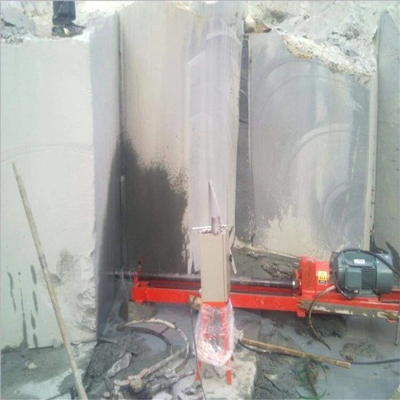
Tools for Drilling in Rock
Rotary Hammer Drills: Effective for drilling into concrete, brick, and softer rock.
Rock Drills (Jackhammers): Heavy-duty tools for breaking and drilling hard rock.
Diamond Core Drills: Ideal for drilling hard and brittle materials like granite.
DTH (Down-The-Hole) Hammers: Pneumatic or hydraulic impact tools used for drilling deep holes in hard rock.
Top Hammer Drills: Percussive drilling system where the hammer mechanism is located outside the borehole.
Safety Considerations
Dust Control: Use wet drilling techniques to minimize dust exposure, which is particularly important to reduce the risk of silica dust inhalation.
Ventilation: Ensure proper ventilation, especially if working in an enclosed space.
Personal Protection: Wear safety glasses to protect your eyes from flying debris, use gloves to protect your hands, and wear a dust mask or respirator to avoid inhaling dust particles.
By following these steps and using the appropriate tools, you can successfully drill a hole in a large rock. Always prioritize safety by wearing protective gear and adhering to proper drilling procedures.
how to drill hole in rock
Drilling a hole in rock requires the right tools, techniques, and safety measures. Here's a step-by-step guide on how to do it effectively:
Preparation and Safety
1.Select the Right Drill Bit: Use a carbide-tipped masonry bit for softer rocks like limestone or sandstone, and a diamond bit for harder rocks like granite.
2.Choose the Right Drill: A rotary hammer drill or a rock drill (jackhammer) is ideal as they provide both rotation and percussive action.
3.Gather Safety Gear: Wear safety glasses, work gloves, and hearing protection. Clearly mark the spot on the rock where you want to drill.
4.Prepare for Cooling: Have a water source nearby for cooling the bit and suppressing dust, especially for deeper holes.
Starting the Hole
1.Position the Bit: Place the tip of the drill bit on the marked spot.
2.Begin Drilling: Start at a slow speed with light, consistent pressure and engage the hammer function. Avoid pushing too hard to prevent damaging the bit.
3.Maintain Pressure: Keep a steady grip and consistent pressure as the bit penetrates the rock.
Drilling and Progress
1.Continue Drilling: Once the hole is initiated, continue at a moderate speed with firm pressure.
2.Clear Debris: Periodically withdraw the bit to clear dust and debris. Use water if necessary for cooling and dust suppression.
3.Inspect the Bit: Check the bit for wear or damage and allow it to cool if necessary.
Finishing the Hole
1.Withdraw the Bit: Slowly withdraw the bit while it's still rotating to clear any remaining debris.
2.Inspect the Hole: Remove loose debris and ensure the hole is clean and the correct size for your needs.

Tools for Drilling in Rock
Rotary Hammer Drills: Effective for drilling into concrete, brick, and softer rock.
Rock Drills (Jackhammers): Heavy-duty tools for breaking and drilling hard rock.
Diamond Core Drills: Ideal for drilling hard and brittle materials like granite.
DTH (Down-The-Hole) Hammers: Pneumatic or hydraulic tools for drilling deep holes in hard rock.
Why Drill into Rock?
Drilling into rock is essential for various applications, including construction, mining, geological exploration, water well drilling, landscaping, utility installation, and scientific research.
By following these steps and using the appropriate tools, you can successfully drill a hole in rock. Always prioritize safety by wearing protective gear and adhering to proper drilling procedures.
how to drill a hole in a small rock
Drilling a hole in a small rock can be done with the right tools and techniques. Here's a step-by-step guide to help you drill a hole in a small rock effectively and safely:
Preparation and Safety
1.Select the Right Tools:
Drill Bit: Use a carbide-tipped masonry bit or a diamond core drill bit, which are designed for drilling into hard materials like rock.
Drill: A hammer drill or rotary hammer drill is ideal for this task. These drills provide both rotation and percussive action, which is essential for breaking down the rock.
2.Safety Gear:
Wear safety glasses to protect your eyes from flying debris.
Use work gloves for a firm grip and hand protection.
Consider hearing protection due to the noise generated by the drill.
3.Mark the Spot:
Clearly mark the spot on the rock where you want to drill the hole. You can use a marker or a small piece of tape.
4.Secure the Rock:
Ensure the rock is stable and won't shift during drilling. If possible, clamp the rock to a stable surface. For small rocks, you might need to use a vice or a sturdy clamp to hold it in place.
5.Prepare the Area:
Lay down a protective covering underneath the rock to prevent damage to the surface beneath it.
Drilling Techniques
1.Starting the Hole:
Position the tip of the drill bit on the marked spot. Start drilling at a slow speed with light, consistent pressure. Engage the hammer function of the drill from the beginning.
Allow the drill to do the work. Avoid pushing too hard, as this can damage the bit or overload the drill motor.
2.Maintain Consistent Pressure:
Once the hole is initiated, continue drilling at a moderate speed with consistent, firm pressure. Periodically withdraw the drill bit slightly to allow dust and debris to escape the hole.
3.Cooling and Lubrication:
Use water for cooling the bit and suppressing dust. Applying water gently around the drilling area helps to keep the bit cool, prolonging its life, and binds the rock dust, preventing it from becoming airborne.
4.Avoid Hairline Cracks:
Keep an eye out for hairline cracks or fossil-like elements in the stone and try to avoid drilling directly into them, as these areas may be more fragile and prone to chipping or cracking.
5.Maintain a Safety Margin:
Avoid drilling too close to the edges of the rock, as these areas are more prone to chipping or splitting. Leave a margin of at least 8 mm from the edges.
Finishing the Hole
1.Withdraw the Bit:
Once you have reached the desired depth, reduce the pressure on the drill and slowly withdraw the bit while it's still rotating. This helps to clear any remaining debris from the hole.
2.Inspect the Hole:
After withdrawing the bit completely, inspect the drilled hole. Remove any loose debris from the opening.

Additional Tips
Scratch the Surface: Roughen up the point where the drill will enter to reduce the chance that the drill bit will skid.
Use a Drill Jig or Guide: If possible, use a drill jig or guide to ensure accuracy and stability.
Keep the Drill Bit Cool: Overheating can cause microfractures that weaken the rock and lead to cracking. Use a damp sponge or cloth to dab the drill bit at intervals.
Drill Slowly and Steadily: Applying too much speed or pressure can cause cracks, chips, or even full breakages. Go slow and let the drill do the work.
By following these steps and using the right tools, you can effectively drill a hole in a small rock while minimizing the risk of cracking. Always prioritize safety and take your time to ensure a precise and efficient drilling process.
how does a rock drill work
A rock drill is a powerful tool used primarily in mining, construction, and geological exploration to penetrate hard materials such as rock, concrete, and asphalt. Here's how different types of rock drills work:
Pneumatic Rock Drill
A pneumatic rock drill uses compressed air to power a piston that delivers rapid, high-frequency impacts to the drill bit. The working principle involves:
Compressed Air Supply: Compressed air enters the cylinder of the drill, pushing the piston back and forth.
Impact and Rotation: The piston impacts the drill tail, causing the wedge-shaped drill bit to crush the rock. After each impact, the bit rotates slightly to create a new indentation, shearing the rock between indentations.
Cuttings Removal: Compressed air also helps to flush out rock debris from the hole.
Down-The-Hole (DTH) Hammer Drill
A DTH hammer drill is a specialized tool where the percussive mechanism is located directly at the bottom of the borehole, just behind the drill bit. The working principle includes:
Compressed Air Supply: High-pressure compressed air travels down the drill pipes to the DTH hammer.
Impact Mechanism: The air powers a reciprocating piston inside the hammer, which strikes the drill bit, delivering powerful impacts directly to the rock.
Rotation and Propulsion: The drill string rotates the bit, ensuring even contact with the rock surface. The drilling rig provides downward force to maintain contact.
Cuttings Discharge: Exhaust air from the hammer carries rock cuttings out of the borehole, keeping it clean.
Electric and Hydraulic Rock Drills
Electric Rock Drills: These drills use electric motors to generate the necessary power for drilling. They are often used in environments where compressed air is not readily available.
Hydraulic Rock Drills: Hydraulic drills offer greater power and are commonly used in heavy construction projects. They are powered by hydraulic fluids and are known for their efficiency and durability.

Key Features and Benefits
High Penetration Rates: Both pneumatic and DTH drills are designed for high efficiency in hard rock formations.
Versatility: Rock drills can be used in a variety of applications, including mining, construction, and geological exploration.
Reduced Energy Loss: DTH drills, in particular, minimize energy loss over depth, making them highly efficient for deep drilling.
Effective Cuttings Removal: The design of these drills ensures that rock debris is efficiently removed from the borehole, preventing regrinding and extending bit life.
In summary, rock drills work by combining impact force and rotation to break through hard materials. The choice of drill depends on the specific requirements of the project, including the type of material being drilled and the operational environment.
how to drill in rock
Drilling into rock can be a challenging task, but with the right tools and techniques, it can be done effectively and safely. Here's a comprehensive guide on how to drill a hole in rock:
Preparation and Safety
1.Select the Right Tools:
Use a carbide-tipped masonry bit or a diamond core drill bit, which are designed for drilling into hard materials like rock.
A hammer drill or rotary hammer drill is ideal for this task. These drills provide both rotation and percussive action, which is essential for breaking down the rock.
2.Safety Gear:
Wear safety glasses to protect your eyes from flying debris.
Use work gloves for a firm grip and hand protection.
Consider hearing protection due to the noise generated by the drill.
3.Mark the Spot:
Clearly mark the spot on the rock where you want to drill the hole.
4.Secure the Rock:
Ensure the rock is stable and won't shift during drilling. If possible, clamp the rock to a stable surface.
5.Prepare the Area:
Lay down a protective covering underneath the rock to prevent damage to the surface beneath it.
Drilling Techniques
1.Starting the Hole:
Position the tip of the drill bit on the marked spot. Start drilling at a slow speed with light, consistent pressure. Engage the hammer function of the drill from the beginning.
Allow the drill to do the work. Avoid pushing too hard, as this can damage the bit or overload the drill motor.
2.Maintain Consistent Pressure:
Once the hole is initiated, continue drilling at a moderate speed with consistent, firm pressure. Periodically withdraw the drill bit slightly to allow dust and debris to escape the hole.
3.Cooling and Lubrication:
Use water for cooling the bit and suppressing dust. Applying water gently around the drilling area helps to keep the bit cool, prolonging its life, and binds the rock dust, preventing it from becoming airborne.
4.Avoid Hairline Cracks:
Keep an eye out for hairline cracks or fossil-like elements in the stone and try to avoid drilling directly into them, as these areas may be more fragile and prone to chipping or cracking.
5.Maintain a Safety Margin:
Avoid drilling too close to the edges of the rock, as these areas are more prone to chipping or splitting. Leave a margin of at least 8 mm from the edges.
Finishing the Hole
1.Withdraw the Bit:
Once you have reached the desired depth, reduce the pressure on the drill and slowly withdraw the bit while it's still rotating. This helps to clear any remaining debris from the hole.
2.Inspect the Hole:
After withdrawing the bit completely, inspect the drilled hole. Remove any loose debris from the opening.

Additional Tips
Scratch the Surface: Roughen up the point where the drill will enter to reduce the chance that the drill bit will skid.
Use a Drill Jig or Guide: If possible, use a drill jig or guide to ensure accuracy and stability.
Keep the Drill Bit Cool: Overheating can cause microfractures that weaken the rock and lead to cracking. Use a damp sponge or cloth to dab the drill bit at intervals.
Drill Slowly and Steadily: Applying too much speed or pressure can cause cracks, chips, or even full breakages. Go slow and let the drill do the work.
By following these steps and using the right tools, you can effectively drill a hole in a rock while minimizing the risk of cracking. Always prioritize safety and take your time to ensure a precise and efficient drilling process.


