

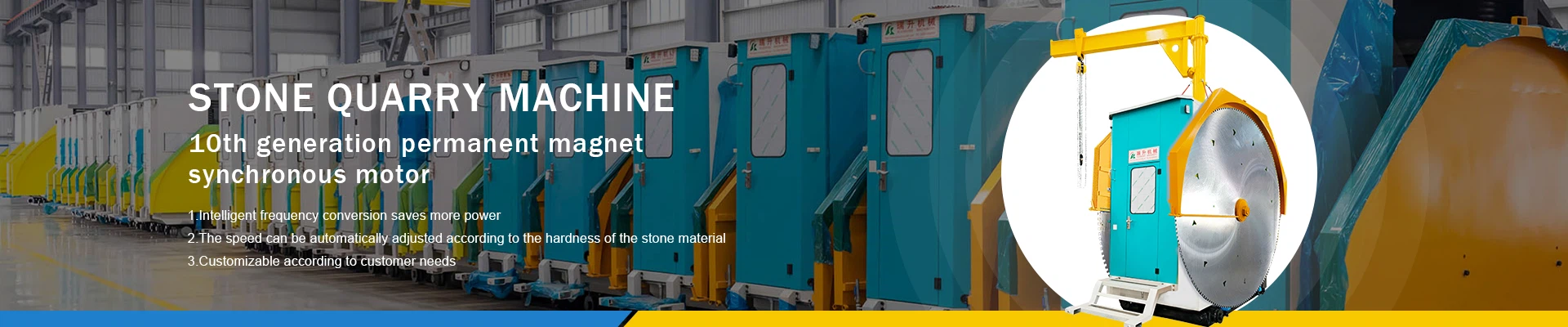
To hook up a sorting machine to a quarry, you need to follow a series of steps to ensure proper integration and operation. Here's a detailed guide based on recent industry practices:
1. Site Preparation
Clear the Area: Ensure the area around the quarry is clean and free of debris. A flat, stable surface is essential to support the weight of the machinery.
Check Drainage: Ensure proper drainage to prevent water accumulation around the machine, which could lead to operational issues.
2. Gather Necessary Tools and Equipment
Tools: Wrenches, screwdrivers, levels, and hoisting equipment.
Safety Equipment: Safety glasses, gloves, and ear protection.
3. Follow Manufacturer Guidelines
Installation Manual: Carefully read and follow the manufacturer's installation manual. This document provides specific instructions for assembly, electrical connections, and safety protocols.
Technical Support: If you encounter any uncertainties, consult the manufacturer's technical support for clarification.
4. Assemble the Machine Components
Base Setup: Set up the base of the machine, ensuring it is level and secure.
Attach Components: Attach the motor, pulley system, and tensioning devices. Pay careful attention to alignment to ensure even cuts and reduced wear on the wire.
5. Install the Diamond Wire
Feed the Wire: Carefully feed the diamond wire through the pulleys and ensure it is properly tensioned. Use a tension gauge to achieve the recommended tension levels specified by the manufacturer.
Check for Twists: Ensure there are no twists or knots in the wire, as these can interfere with cutting efficiency.
6. Electrical Connections and Safety Measures
Electrical Connections: Ensure all electrical connections are properly insulated and grounded to prevent hazards.
Safety Features: Install emergency shut-off switches and protective shields to safeguard operators.
7. Testing the Machine
Dry Run: Conduct a dry run to check for any mechanical issues. Observe the movement of the wire and the functioning of the motor.
Test Cut: Perform a test cut on a small stone block to assess the cutting quality and precision.
8. Training and Maintenance
Operator Training: Train operators on the machine's functions, safety protocols, and maintenance requirements.
Regular Maintenance: Establish a maintenance schedule to keep the machine in optimal condition. Regularly check the wire for wear, lubricate
moving parts, and monitor electrical systems.
By following these steps, you can successfully hook up a sorting machine to your quarry, enhancing efficiency and productivity while ensuring safety and environmental protection.
How often should I maintain the sorting machine?
To maintain a sorting machine in a quarry, follow a structured maintenance schedule that includes daily, weekly, monthly, and annual tasks. Here's a detailed guide based on industry best practices:
Daily Maintenance
Visual Inspection: Check for any visible damage or wear on the machine.
Lubrication: Ensure all moving parts are properly lubricated.
Safety Checks: Verify that all safety features, such as emergency stop buttons, are functioning correctly.
Weekly Maintenance
Component Inspection: Inspect critical components like belts, chutes, and wear parts for signs of wear.
Oil and Filter Changes: Change oil and filters as recommended by the manufacturer.
Record Keeping: Document any issues or maintenance tasks completed.
Monthly Maintenance
In-Depth Inspection: Perform a thorough inspection of the machine, including oil sample analysis.
Wear Part Replacement: Replace wear parts like manganese liners when production declines by 10%.
Alignment Check: Ensure all components are properly aligned to prevent uneven wear.
Annual Maintenance
Professional Service: Schedule a professional service to identify and fix any underlying issues.
Component Overhaul: Consider replacing major components if they show significant wear.
Training: Ensure operators and maintenance staff are trained in the latest maintenance practices.
Additional Tips
Prioritize Repairs: Address issues that could cause downtime first.
Scheduling: Plan maintenance during downtimes to minimize production impact.
Parts Availability: Keep essential replacement parts on hand to avoid delays.
By following these maintenance practices, you can ensure your sorting machine operates efficiently, reduces downtime, and maintains high-quality sorting results.

What are the safety precautions for operating the sorting machine?
When operating a sorting machine, the following safety precautions should be taken:
Training and Instructions: All operators should be trained on proper operation and safety procedures. Follow the manufacturer's operating and maintenance instructions.
Personal Protective Equipment (PPE): Use appropriate PPE such as safety glasses or goggles, and hearing protection. Avoid wearing loose clothing, jewelry, or having long hair that could get entangled in moving parts.
Machine Inspection and Guards: Inspect the machine before use to ensure all safeguarding systems are in place and working properly. Do not remove, disable, or bypass machine guards and safety devices.
Safe Operation Practices: Keep hands away from moving parts at all times. Do not use hands to remove material from the machine; use tools like a vacuum cleaner, brush, or rake. Stop the machine before making any adjustments, cleaning, or measuring.
Work Area Management: Maintain a clean, well-lit, and unobstructed work area. Ensure there is enough space around the machine to operate safely.
Emergency Procedures: Know the location of the emergency stop switch and how to use it. If maintenance or access to hazardous parts is needed, ensure hazardous energy is isolated and controlled.
Supervision and Distractions: Do not leave the machine running unattended. Avoid distractions while operating the machine.
Proper Use of the Machine: Use the machine only for its intended purpose. Do not use it in a way that could create additional hazards.
By adhering to these safety precautions, the risk of accidents and injuries while operating a sorting machine can be significantly reduced.
What kind of training is needed for operating a sorting machine?
To operate a sorting machine, especially in a quarry environment, operators need specific training to ensure safety and efficiency. Here's a detailed guide based on recent industry practices:
Training Requirements for Sorting Machine Operators
Basic Education:
Typically, a high school diploma or equivalent is required. Some operators may have an associate degree, which can be beneficial for understanding more complex systems.
On-the-Job Training:
New operators usually undergo a period of on-the-job training, which can last up to one month. This training covers the operation of the machine, safety protocols, and maintenance practices.
Safety Training:
Operators must be trained in safety guidelines to handle the machine safely. This includes understanding the risks associated with operating heavy machinery, such as slips, trips, falls, and vehicle collisions.
Technical Skills:
Operators need to be proficient in running the machine, including setting up, operating, and troubleshooting common issues. They should also be able to perform routine maintenance tasks to keep the machine in optimal condition.
Certification and Licensing:
While specific certifications are not always required, some companies may prefer operators with relevant certifications or licenses. Training programs often include certification components to ensure operators meet industry standards.
Physical Requirements:
Operators must be physically capable of performing the job, including lifting heavy objects and working in potentially strenuous conditions. Good vision and the ability to distinguish colors are also important.
Soft Skills:
Skills such as active listening, monitoring, reading comprehension, speaking, and critical thinking are essential for effective operation and teamwork.
Continuous Learning and Development
Regular Updates: Operators should stay updated with the latest machine features and safety protocols through ongoing training.
Advanced Training: For senior positions, additional training in management and advanced machine operations may be necessary.
By ensuring operators receive comprehensive training, companies can enhance productivity, reduce accidents, and maintain high-quality sorting operations.
What kind of training is needed for operating a sorting machine?
To operate a sorting machine, especially in a quarry environment, operators need specific training to ensure safety and efficiency. Here's a detailed guide based on recent industry practices:
Training Requirements for Sorting Machine Operators
Basic Education:
Typically, a high school diploma or equivalent is required. Some operators may have an associate degree, which can be beneficial for understanding more complex systems.
On-the-Job Training:
New operators usually undergo a period of on-the-job training, which can last up to one month. This training covers the operation of the machine, safety protocols, and maintenance practices.
Safety Training:
Operators must be trained in safety guidelines to handle the machine safely. This includes understanding the risks associated with operating heavy machinery, such as slips, trips, falls, and vehicle collisions.
Technical Skills:
Operators need to be proficient in running the machine, including setting up, operating, and troubleshooting common issues. They should also be able to perform routine maintenance tasks to keep the machine in optimal condition.
Certification and Licensing:
While specific certifications are not always required, some companies may prefer operators with relevant certifications or licenses. Training programs often include certification components to ensure operators meet industry standards.
Physical Requirements:
Operators must be physically capable of performing the job, including lifting heavy objects and working in potentially strenuous conditions. Good vision and the ability to distinguish colors are also important.
Soft Skills:
Skills such as active listening, monitoring, reading comprehension, speaking, and critical thinking are essential for effective operation and teamwork.
Continuous Learning and Development
Regular Updates: Operators should stay updated with the latest machine features and safety protocols through ongoing training.
Advanced Training: For senior positions, additional training in management and advanced machine operations may be necessary.
By ensuring operators receive comprehensive training, companies can enhance productivity, reduce accidents, and maintain high-quality sorting operations.
How long does on-the-job training typically last for sorting machine operators?
The duration of on-the-job training for sorting machine operators can vary depending on the complexity of the machinery and the specific requirements of the job. According to recent industry data, the training period typically ranges from a few weeks to three months. For example, some operators may complete their training in as little as one month. This initial training period is crucial for operators to learn the skills and techniques required for their job and to become proficient in operating the machinery safely and efficiently.

What are the key skills needed for a sorting machine operator?
A sorting machine operator needs a combination of technical, physical, and soft skills. Technical skills include proficiency in machine operation, maintenance, and troubleshooting. Physical skills involve strength, stamina, and good hand-eye coordination. Soft skills encompass attention to detail, problem-solving, and effective communication. Operators must also have the ability to follow safety protocols, work in a team, and adapt to changing conditions. Basic reading, comprehension, and mathematical skills are essential for understanding manuals and performing calculations.


