

Operating an excavator involves several steps and requires a good understanding of the machine's controls and safety features. Here's a detailed guide on how to operate an excavator safely and effectively:
Pre-Operation Checks
1.Inspect the Machine:
Check fluid levels (engine oil, hydraulic oil, coolant).
Inspect the working device, oil cylinder, and hoses for damage.
Ensure there are no leaks in the hydraulic system.
2.Check the Site:
Clear the area of debris and ensure the ground is stable.
Identify and mark any underground utilities.
Starting the Excavator
1.Adjust the Seat and Fasten Seatbelt:
Adjust the seat for comfort and ensure you can reach all controls.
Fasten the seatbelt for safety.
2.Start the Engine:
Sound the horn to warn others.
Ensure no one is in the cab except the operator.
Turn the key to the "start" position and start the engine.
Check for any abnormal sounds, vibrations, or leaks after starting.
Operating the Excavator
1.Basic Movements:
Use the left joystick to control the swing and boom (ISO control pattern) or stick and bucket (SAE control pattern).
Use the right joystick to control the stick and bucket (ISO) or swing and boom (SAE).
The travel levers control the tracks for forward, backward, and turning movements.
2.Excavation:
Remove any unrelated persons from the excavation site.
Ensure the work site can adequately support the machine.
Keep both tracks on the same level.
Avoid digging into the machine's body.
Do not use the machine's weight to increase digging force.
Safety Tips
1.Be Aware of Your Surroundings:
Always check for obstacles and people in the work area.
Sound the horn before moving.
2.Avoid Improper Use:
Do not use the bucket as a hand pick, crusher, or pile driver.
Avoid overloading the machine.
Shutting Down the Excavator
1.Park Safely:
Position the excavator on level ground and lower the boom, arm, and bucket.
2.Turn Off the Engine:
Allow the engine to cool down before turning it off.
Pull the stop handle back to turn off the engine.

Additional Tips
Training and Familiarity: Ensure you are trained and familiar with the machine's controls and safety features.
Regular Maintenance: Follow the maintenance schedule to keep the machine in good condition.
By following these steps and tips, you can operate an excavator safely and efficiently for various tasks. Always refer to the operator's manual for specific instructions related to your machine.
what is excavator used for
An excavator is a versatile piece of heavy construction equipment used for a wide range of tasks in various industries. Here's a detailed look at what excavators are used for and their common applications:
Primary Uses of Excavators
1.Excavation:
Soil and Rock Removal: Excavators are primarily used to dig and remove soil, rock, and other materials. They are essential for creating foundations, trenches, and holes.
Grading and Leveling: They can be used to grade land and create slopes, making them ideal for site preparation.
2.Material Handling:
Loading and Unloading: Excavators can load materials such as soil, gravel, and sand into trucks or other vehicles.
Material Movement: They can move materials around a construction site efficiently.
3.Demolition:
Structure Demolition: Excavators equipped with demolition attachments can be used to tear down buildings and other structures.
Debris Removal: They can clear debris from demolition sites.
4.Trenching:
Utility Trenches: Excavators are commonly used to dig trenches for laying pipes, cables, and other utilities.
Drainage Systems: They can create drainage ditches and channels.
5.Landscaping:
Site Preparation: Excavators can prepare land for landscaping projects by removing vegetation, leveling ground, and creating slopes.
Water Features: They can dig ponds, lakes, and other water features.
Secondary Uses of Excavators
1.Compaction:
Soil Compaction: Some excavators come with attachments that can compact soil, ensuring a stable base for construction.
2.Piling:
Pile Driving: Excavators can be fitted with pile drivers to drive piles into the ground for foundation work.
3.Crushing:
Material Crushing: With the right attachments, excavators can crush rocks and other materials on-site.
Types of Excavators and Their Uses
1.Mini Excavators:
Compact Spaces: Ideal for small construction sites, landscaping, and utility work in tight spaces.
Ease of Transport: Easier to transport and maneuver in confined areas.
2.Standard Excavators:
Versatility: Suitable for a wide range of construction tasks, including foundation work, trenching, and grading.
Power and Reach: Provide more power and reach compared to mini excavators.
3.Heavy Excavators:
Large-Scale Projects: Used in mining, large construction projects, and heavy-duty demolition.
High Capacity: Can handle large volumes of material and perform heavy lifting.

Attachments and Tools
Excavators can be fitted with a variety of attachments to enhance their functionality:
Buckets: For digging and moving materials.
Breakers: For breaking rocks and concrete.
Grapples: For handling large objects.
Compactors: For compacting soil.
Augers: For drilling holes.
Ripper Teeth: For breaking up hard surfaces.
Safety and Efficiency
Operator Training: Proper training is essential for safe and efficient operation.
Regular Maintenance: Regular maintenance ensures the excavator performs optimally and reduces the risk of breakdowns.
Safety Protocols: Adhering to safety protocols helps prevent accidents and injuries on the job site.
Conclusion
Excavators are indispensable in the construction and mining industries due to their versatility and power. They can perform a wide range of tasks, from digging and grading to demolition and material handling, making them a valuable asset on any job site.
what size excavator do i need
To determine the right size of excavator for your project, consider the following factors:
1. Project Type and Scale
Mini Excavators (1-6 tons): Ideal for small projects, landscaping, residential construction, utility work, and tight spaces. They are versatile and easy to maneuver in confined areas.
Mid-Size Excavators (6-20 tons): Suitable for commercial construction, roadwork, utility installation, and medium-scale projects. They offer a balance between power and mobility.
Large Excavators (20+ tons): Designed for heavy-duty tasks, large-scale construction, mining, and demolition. These machines can handle significant excavation and lifting.
2. Job Site Conditions
Space Constraints: Choose a mini excavator for tight urban spaces or small job sites. For larger spaces, a mid-size or large excavator may be more appropriate.
Ground Conditions: For rough or soft ground, a crawler excavator is recommended due to better traction.
3. Lifting and Digging Requirements
Depth and Reach: Larger excavators offer greater digging depth and reach. Consider the required depth and distance for your project.
Lifting Capacity: Ensure the excavator can handle the weight of the materials you need to move.
4. Attachments and Versatility
Hydraulic Attachments: Choose an excavator that supports a variety of attachments like breakers, augers, and grapples for increased versatility.
5. Transportation and Accessibility
Ease of Transport: Mini and mid-size excavators are easier to transport. Large excavators may require specialized transport.
6. Budget
Cost Considerations: Larger excavators are more expensive to rent or purchase. Consider your budget and the cost of ownership.
7. Operator Experience
Skill Level: Larger machines require more skill and experience to operate safely. New operators may benefit from starting with smaller excavators.

Common Applications and Size Recommendations
Residential Projects: Mini excavators (1-3 tons) are best for trenching, foundation work, and landscaping.
Commercial Construction: Mid-size excavators (6-10 tons) are ideal for site preparation, roadwork, and foundation excavation.
Heavy-Duty Industrial Projects: Large excavators (20+ tons) are designed for major excavation, mining, and demolition.
By considering these factors, you can select the right excavator size for your specific project needs.
how to dig a pond with an excavator
To dig a pond with an excavator, follow these detailed steps to ensure a successful and safe project:
Planning Your Pond Design
1.Determine the Purpose of Your Pond:
Wildlife Habitat: Include shallower areas for amphibians and deeper regions for fish.
Appearance: Consider a more symmetric shape with uniform depth for purely aesthetic ponds.
Water Additions: Plan specific depths and shapes to accommodate features like waterfalls or fountains.
2.Choose a Location for Your Pond:
Sunlight: Select a site that receives full to partial sunlight.
Avoid Trees and Roots: Stay away from large trees to prevent root interference.
Flooding and Water Flow: Ensure the site does not flood and that water does not naturally flow toward the pond.
3.Pond Shape and Depth Designing:
Shape: Choose either a natural, free-form contour or a more structured, geometric shape based on your landscape.
Depth: Design various depths to create a natural ecosystem. Minimum depths should be 18–24 inches for plants and 36–48 inches for fish.
Preparing the Site
1.Clear the Site:
Remove plants, debris, rocks, and tree stumps that could interfere with the excavation.
2.Mark the Pond Shape:
Use spray paint, strings, or garden hoses to outline the shape and size of the pond on the ground.
Excavating the Pond
1.Bring in the Excavator:
Choose the right size of excavator for your project. Mini-excavators are suitable for small ponds, while larger projects require standard or large excavators.
Wear appropriate safety gear, including a hard hat, gloves, and steel-toed boots. Keep bystanders at a safe distance.
2.Excavate in Layers:
Start by digging the outer edge to create a trench that outlines the pond. Then, dig the inner sections from the edges toward the center to control depth and avoid over-excavation.
3.Create Plant Shelves:
Provide flat, shallow shelves around the edge of the pond to support aquatic plants and maintain water oxygenation.
4.Add Depth Gradually:
For ponds with fish, ensure the central area is at least 3 feet deep. Slope the edges gradually from shallow to deeper sections for better water circulation and a natural environment.
Shaping and Sloping the Pond
1.Natural Appearance:
Aim for gentle, curving edges to achieve a more natural appearance. Avoid perfect straight lines.
2.Adequate Sloping:
Ensure all sides have gradual slopes to prevent dangerous drop-offs and allow wildlife easy access to the water.
Checking Depth and Level
1.Use a Level:
Periodically check the depth to ensure the pond bottom is level, which promotes proper water flow and minimizes uneven settling over time.
2.Depth Gradients Check:
Verify variable depths for both plants and fish. Use a measuring stick or marked rope attached to the bucket to check depths.
Finishing the Excavation
1.Smoothen the Edges:
Use the excavator's bucket or a rake to smooth out jagged areas and sharp points. This ensures a tight fit for the pond liner and prevents damage.
2.Check for Compaction:
Ensure the pond bottom is not overly compacted, as this can inhibit proper water drainage and encourage unwanted bacterial growth.

Preparing the Pond for Lining and Filling
1.Place the Pond Liner:
Select a high-quality, durable pond liner suitable for your pond's size. EPDM rubber liners are ideal for most projects.
Carefully unroll the liner, ensuring it covers the entire pond. Remove wrinkles and air pockets, and trim excess liner at the edges.
2.Fill the Pond with Water:
Fill the pond slowly to allow the liner to conform to the pond's shape. Monitor the edges to prevent the liner from folding or shifting.
Inspect the liner for leaks once the pond is full. Patch any weak points immediately.
3.Adding Plants and Fish:
Plant aquatic plants around the edges for water filtration and wildlife habitat.
Stock the pond with fish once conditions are suitable, selecting species appropriate for the pond size and ecosystem.
Enjoy Your New Pond
By carefully planning, selecting the right equipment, and following a methodical approach, you can create a stunning pond that enhances your property and provides a peaceful outdoor space.
how to draw a excavator
Drawing an excavator can be broken down into simple steps. Here's a basic guide to help you draw one:
Step-by-Step Guide to Drawing an Excavator
Step 1: Draw the Basic Shapes
1.Draw the Base:
Start with a large rectangle. This will be the main body of the excavator.
Add a smaller rectangle on the bottom of the larger one. This will be the base where the excavator stands.
2.Draw the Cab:
On top of the larger rectangle, draw a smaller square or rectangle. This will be the cab where the driver sits.
Add a small window on the front side of the cab.
3.Draw the Boom and Arm:
From the top of the cab, draw a long, thin rectangle extending outwards. This is the first part of the boom.
At the end of this rectangle, draw another smaller rectangle at an angle. This is the second part of the boom.
From the end of the second rectangle, draw a small, thin rectangle pointing downwards. This is the arm of the excavator.
4.Draw the Bucket:
At the end of the arm, draw a trapezoid shape. This is the bucket. Make sure it is open at the bottom.
Step 2: Add Details
1.Wheels and Tracks:
On the bottom of the base, draw two large circles on each side. These are the wheels.
If you want to add tracks, draw a series of small rectangles connected together around the wheels.
2.Cab Details:
Add a door on the side of the cab.
Draw a seat inside the cab.
Add some lines to show the control panel.
3.Boom and Arm Details:
Add some lines to show the joints where the boom and arm connect.
Draw some small rectangles on the boom to show the hydraulic cylinders.
4.Bucket Details:
Draw teeth on the edge of the bucket.
Add some lines to show the metal structure of the bucket.
Step 3: Outline and Erase Guidelines
Use a pen or a darker pencil to outline the main parts of the excavator.
Erase any unnecessary guidelines or shapes that you drew in the beginning.
Step 4: Add Shading and Color (Optional)
If you want to make your drawing more realistic, add some shading to show the different parts of the excavator.
You can also color it. Excavators are usually yellow, but you can use other colors if you like.

Tips
Take your time and break down the excavator into simple shapes.
Look at pictures of excavators for reference if you need help with the details.
Practice makes perfect, so keep drawing until you get it right!
how to use a mini excavator
Using a mini excavator involves several steps and safety precautions. Here's a comprehensive guide based on the information from the mini excavator operation manuals:
Safety Precautions
Pre-Operation Checks:
Ensure no unauthorized personnel are around the excavator.
Check for any "Do not operate" warning labels.
Inspect the ground for stability.
Clean your shoes to prevent slipping.
Do not place any plastic or glass bottles in the cab.
Entry and Exit:
Use a three-point stance when getting on or off.
Never jump on or off a moving excavator.
Do not use the control rod as a handle.
Starting the Engine:
Walk around the excavator to ensure no one is nearby.
Sit in the driver's seat, adjust the seat, and fasten the seatbelt.
Ensure all controls are in neutral position.
Turn the power switch on and insert the ignition key.
Operating the Excavator
Traveling:
Warm up the engine and hydraulic oil.
Use the travel control rods to move forward or backward.
Make turns by manipulating the travel rods.
Avoid sudden starts or stops.
Slewing:
Use the left joystick to rotate the cab slowly.
Always push the joystick gradually.
Excavation:
Position the excavator on a stable surface.
Use the control rods to manipulate the dipper, boom, and bucket.
Adjust the bucket angle based on the ground type.
Bulldozing and Leveling:
Use the bulldozing control rod to raise or lower the dozer.
Gradually push soil and adjust the dozer height as needed.
Safety During Operation
On Slopes:
Keep the excavator steady and avoid steep slopes.
When climbing, keep the driver's seat facing uphill.
On downhill slopes, keep the seat facing downhill.
Drive at low speed and avoid reversing.
On Snow or Ice:
Drive at low speed and avoid sudden movements.
Be cautious of hidden objects under the snow.
Maintenance and Shutdown
Daily Checks:
Inspect hydraulic oil levels.
Check for any loose bolts or nuts.
Ensure the battery is secure and properly maintained.
Shutting Down:
Ensure all controls are in neutral or "OFF" position.
Remove the ignition key.

Additional Tips
Hydraulic Attachments:
When using alternative attachments, the left pedal controls the attachment's movement.
Battery Handling:
Disconnect the negative battery cable first when working on the electrical system.
Be cautious of sulfuric acid and avoid contact with skin or eyes.
Always refer to the specific user manual for your mini excavator model for detailed instructions and safety guidelines.
what is the largest excavator in the world
The largest excavator in the world is the Caterpillar 6090 FS. Here are its key specifications:
Operating Weight: 1,000 tonnes (1,102 US tons).
Engine Power: Two Cummins QSK60 engines, rated at a total of 3,360 kW (4,500 HP).
Shovel Capacity: 52 m³ (68 yd³).
Breakout Force: 2,400 kN.
Features of Caterpillar 6090 FS
Heavy-Duty Components: The 6090 FS features more durable components, a hardened undercarriage, an enhanced oil-flow system, and improved hydraulics.
Advanced Electronics: It comes with innovative on-board electronics and LED working lights for night shifts.
Customer Support: Enhanced customer service support is available for this model.
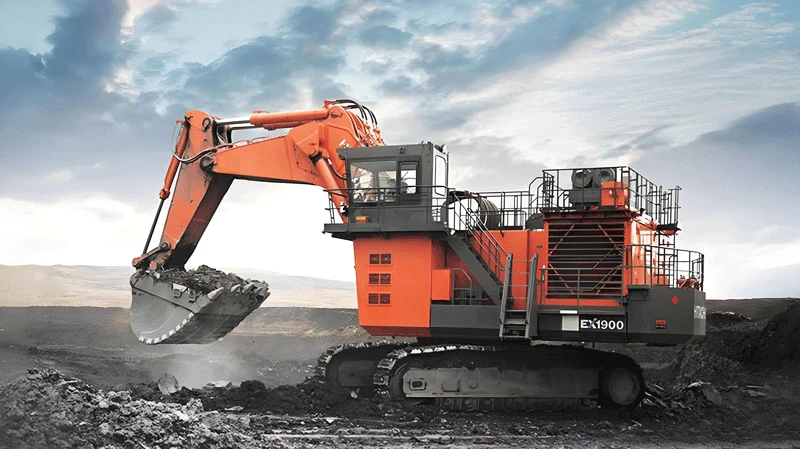
This massive excavator is primarily used in large-scale mining operations and is capable of loading the largest Caterpillar dump trucks, such as the 797, in just four passes.
where are cat excavators made
Caterpillar excavators are produced in multiple locations worldwide, depending on the model and specific requirements. Here are the primary manufacturing sites:
1. China
Caterpillar has a significant presence in China, with several facilities dedicated to excavator production:
Xuzhou: This is the world's largest excavator factory, producing a full range of Cat excavators, including compact, mid-size, and large models. It also manufactures undercarriage products and components.
Wujiang: Specializes in the design and manufacturing of micro and mini-hydraulic excavators.
2. Japan
Caterpillar's Akashi facility in Japan is the Hydraulic Excavator Development Center (HEDC), responsible for designing and developing hydraulic excavators globally. This plant produces some of the most advanced excavators, including the 300 series.
3. Brazil
Caterpillar has a long history in Brazil, with manufacturing facilities producing over 260 different models of equipment, including hydraulic excavators. The Piracicaba facility focuses on offices, parts distribution, and remanufacturing, while Campo Largo is a key manufacturing site.

4. United States
While many excavators are now produced overseas, Caterpillar still has a strong manufacturing presence in the U.S. for other types of equipment. However, excavator production has largely moved to other countries to better serve global markets and reduce costs. The company does have a hydraulic excavator manufacturing facility in Victoria, Texas, which provides subassembly, assembly, painting, and final inspections of various models.
5. United Kingdom
Caterpillar's Skinningrove facility in the U.K. produces steel tracks for Cat tracked excavators, contributing to the overall manufacturing process.
In summary, Caterpillar excavators are manufactured in multiple locations globally, with significant production hubs in China, Japan, Brazil, and the U.S. Each facility specializes in different models and components to meet worldwide demand.


