

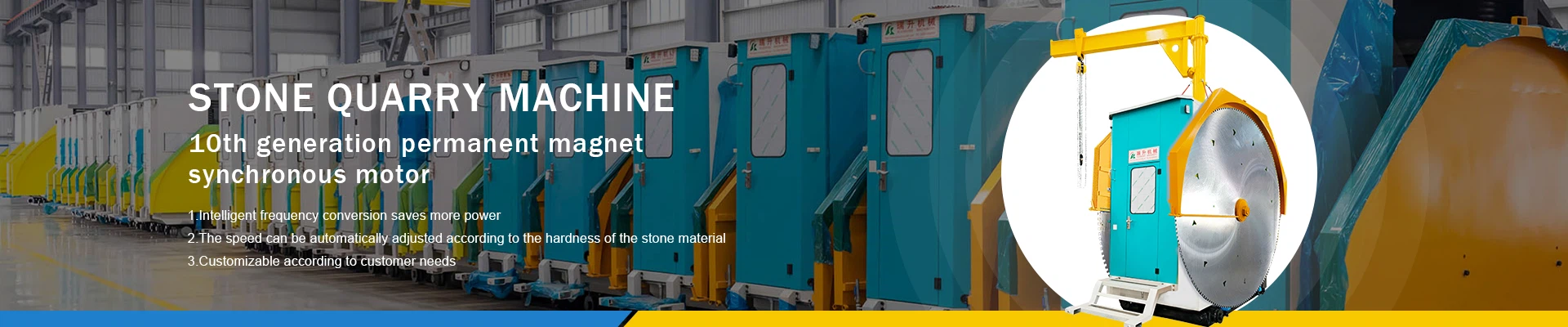
Cutting granite is not easy due to its hardness and durability. However, with the right tools, techniques, and safety precautions, it can be done effectively. Here's a brief overview of the challenges and how to address them:
Challenges of Cutting Granite
Hardness: Granite is an extremely hard material (Mohs hardness of 6-7), making it difficult to cut with standard tools.
Dust and Debris: Cutting granite generates a significant amount of dust, which can be harmful if inhaled.
Precision: Achieving clean and precise cuts requires skill and patience.
Tools and Techniques
Diamond Blades: Use diamond blades specifically designed for cutting granite. These blades are harder and more durable than standard metal blades.
Wet Cutting: Using a wet saw with water can reduce dust and keep the blade cool, preventing overheating and extending blade life.
Circular Saws: A circular saw with a diamond blade can also be used, but it generates more dust and requires more frequent blade cooling.

Safety Precautions
Protective Gear: Always wear safety goggles, gloves, and a dust mask to protect against flying debris and dust inhalation.
Ventilation: Ensure proper ventilation in your workspace to avoid inhaling harmful dust particles.
Secure the Workpiece: Clamp the granite slab securely to prevent movement during cutting.
Tips for Cutting Granite
Measure and Mark: Accurately measure and mark the cut line with a straight edge and marker.
Take Your Time: Cutting granite requires patience. Let the blade do the work and avoid applying excessive force.
Smooth Edges: After cutting, use a grinder with diamond pads to smooth any rough edges.
Professional Assistance
For complex or large-scale projects, consider hiring a professional stone fabricator. They have the experience, tools, and expertise to ensure precise and safe cuts.
what blade cuts granite
To cut granite, you need specialized diamond blades designed for this hard material. Here are some key points and recommendations based on the latest information:
Types of Diamond Blades for Cutting Granite
Turbo Diamond Blades:
These blades combine the benefits of continuous and segmented designs. They have a serrated or wavy rim that provides faster cutting speed and a smoother cut compared to purely segmented blades.
Turbo blades are ideal for cutting granite, marble, and other hard stones. They offer a balance between cutting speed and edge smoothness.
Continuous Rim Blades:
Continuous rim blades provide the smoothest cuts with minimal chipping. They are ideal for applications where a high-quality finish is required.
These blades are suitable for wet cutting, which helps reduce dust and keep the blade cool.
Segmented Blades:
Segmented blades have separate sections on the blade core, separated by spaces. These spaces allow for cooling and help remove debris from the cut.
While they can be used for granite, segmented blades are more commonly used for softer materials like asphalt and pavers.

Key Features to Look for in Diamond Blades
High-Quality Diamonds: Blades with a high concentration of premium-grade diamonds offer better cutting performance and durability.
Bond Type: The bond describes how the diamonds are affixed to the blade. Softer bonds are better for cutting hard materials like granite, as they expose fresh, sharp diamonds more quickly.
Grit Size: Coarser grit blades are typically used for cutting granite, as they provide faster cutting with less risk of chipping.
Safety and Usage Tips
1.Wet Cutting: Using water during the cutting process can reduce dust and prevent overheating of the blade.
2.Personal Protective Equipment (PPE): Always wear safety goggles, gloves, and a dust mask to protect against flying debris and inhalation of dust.
3.Tool Compatibility: Ensure the blade is compatible with your cutting tool, whether it's an angle grinder, circular saw, or wet saw.
Recommended Brands and Products
1.Dia Plus Diamond Turbo Blade: A popular choice for its balance of speed and smoothness.
2.Hercules II and Archon Blade: These blades are known for their durability and performance in cutting granite.
3.RIGHT LINES Granite Turbo Blades: These blades are designed for smooth cutting action on hard building materials like granite.
By choosing the right diamond blade and following proper cutting techniques, you can achieve clean and precise cuts in granite. Always prioritize safety and consider the specific requirements of your project when selecting a blade.
what can cut granite
Cutting granite requires specialized tools designed to handle its hardness and durability. Here are the primary tools and methods used to cut granite effectively:
1. Diamond Blades
Diamond blades are the most common and effective tools for cutting granite. They come in various types and are designed for different cutting applications:
Continuous Rim Blades: These blades have a solid, continuous rim and are ideal for wet cutting. They provide the smoothest cuts with minimal chipping, making them suitable for applications where a high-quality finish is required.
Segmented Blades: These blades have segmented cutting edges with gaps between the segments. They are designed for dry cutting and are more efficient for rough cuts, especially in thicker materials.
Turbo Blades: These blades combine the benefits of continuous and segmented designs. They have a serrated or wavy rim that provides faster cutting speed and a smoother cut compared to purely segmented blades.
2. Wet Saws
Wet saws are highly recommended for cutting granite. They use water to cool the diamond blade and reduce dust, making the cutting process cleaner and safer. Wet saws are available in various sizes and configurations, suitable for both small and large-scale projects.
3. Circular Saws
Circular saws with diamond blades can also be used to cut granite. They are more portable and versatile but generate more dust compared to wet saws. Circular saws are suitable for dry cutting and are often used for on-site cutting and smaller projects.
4. Angle Grinders
Angle grinders fitted with diamond blades are another option for cutting granite. They offer more flexibility and control, making them suitable for detailed work and edge finishing. However, they generate more dust and require more frequent blade cooling.
5. Waterjet Cutters
Waterjet cutters use a high-pressure stream of water mixed with abrasive particles (such as garnet) to cut through granite. This method is highly precise and produces clean, smooth cuts without generating heat, which can damage the stone. Waterjet cutting is often used for intricate designs and complex shapes.
6. Laser Cutters
Laser cutting is a more advanced and precise method used in some industrial settings. Lasers can cut granite with high accuracy and minimal material waste, making them ideal for detailed and custom designs.
what is the best blade to cut granite
The best blade for cutting granite is a diamond blade. Here are some key points and recommendations based on the latest information:
Types of Diamond Blades for Cutting Granite
Turbo Diamond Blades:
These blades have a serrated edge that cuts through granite more effectively and quickly. They are ideal for both wet and dry cutting.
Recommended Blades: DynamicStoneTools.com offers high-performance diamond blades specifically designed for granite.
Continuous Rim Diamond Blades:
These blades provide the smoothest cuts with minimal chipping. They are ideal for applications where a high-quality finish is required.
Segmented Diamond Blades:
These blades are more aggressive and less likely to overheat. They offer a balance between speed and smoothness, making them a versatile option.

Key Features to Look for in Diamond Blades
High-Quality Diamonds: Blades with a high concentration of premium-grade diamonds offer better cutting performance and durability.
Bond Type: Softer bonds are better for cutting hard materials like granite, as they expose fresh, sharp diamonds more quickly.
Grit Size: Coarser grit blades are typically used for cutting granite, as they provide faster cutting with less risk of chipping.
Safety and Usage Tips
Protective Gear: Always wear safety goggles, gloves, and a dust mask to protect against flying debris and dust inhalation.
Ventilation: Ensure proper ventilation in your workspace to avoid inhaling harmful dust particles.
Cooling: Use water or other cooling methods to prevent overheating of the cutting tool and the granite.
Recommended Brands and Products
DynamicStoneTools.com: Offers high-performance diamond blades specifically designed for granite.
TOOLEAGUE 4.5" Diamond Saw Blade Set: Suitable for cutting granite, marble, and porcelain tiles. The set includes 10 diamond cutting wheels, ensuring durability and precision.
Diamond Turbo Cutting Blade for Granite and Marble (6): Provides superior cutting performance for both dry and wet use, with a continuous rim for smooth cuts.
GRAFF Laser Welded Diamond Blade 14 Inch: Ideal for professional use with industrial power cutters. Features self-sharpening diamond segments and a long lifespan.
what is the best tool to cut granite
The best tool to cut granite is a diamond blade specifically designed for this purpose.Diamond blades incorporate tiny diamond particles that effortlessly slice through hard surfaces like granite.They come in various types, each suited to different cutting needs:
Turbo Diamond Blades:
These blades have a serrated edge that cuts through granite more effectively and quickly.They are ideal for both wet and dry cutting and provide a balance between cutting speed and edge smoothness.
Continuous Rim Diamond Blades:
These blades provide the smoothest cuts with minimal chipping and are ideal for applications where a high-quality finish is required.They are typically used for wet cutting.
Segmented Diamond Blades:
These blades are more aggressive and less likely to overheat.They offer a balance between speed and smoothness, making them a versatile option for cutting granite.
Other Recommended Tools
Wet Saws: These saws use water to cool the blade and reduce dust, making the cutting process cleaner and safer.
Angle Grinders: Equipped with diamond cutting wheels, angle grinders are perfect for shaping and cutting granite.They offer more flexibility and control, making them suitable for detailed work.
Water Jet Cutters: These machines blast high-pressure water mixed with abrasive grit, slicing through granite without generating heat, which preserves the integrity of the stone.They are highly precise and produce clean edges.
where can i get a piece of granite cut
To get a piece of granite cut, you have several options:
Professional Granite Cutting Services
Local Granite Fabricators: These companies specialize in cutting and installing granite countertops. They have the expertise and equipment to handle various cutting needs.
How to Find Them: Ask for recommendations from friends, family, or colleagues who have recently installed granite countertops. You can also check with local stone warehouses or home improvement stores for referrals.
Online Reviews: Look up reviews on platforms like Angie's List, Yelp, or Google to find reputable fabricators in your area.
Countertop Installers: Many countertop installers offer on-site cutting services for sinks, cooktops, and other fixtures.
Benefits: On-site cutting ensures a perfect fit for your appliances and reduces the risk of damage during transport.
Home Improvement Stores
Specialty Services: Some home improvement stores offer granite cutting services or can refer you to professionals.
DIY Cutting
Tools Needed: If you choose to cut granite yourself, you'll need a diamond blade, a wet saw or circular saw, safety gear, and clamps to secure the granite.
Safety Precautions: Wear protective gear, work in a well-ventilated area, and use water to reduce dust when cutting.
Online Platforms
Angi: A platform where you can get quotes from multiple professionals for your granite cutting needs.
who can cut granite
To get a piece of granite cut, you have several options, each with its own advantages:
Professional Granite Cutting Services
Professional granite cutters and fabricators are highly skilled and equipped with specialized tools to handle granite cutting with precision. They can cut granite countertops, tiles, and other stone products to your exact specifications. Hiring a professional ensures that your granite is cut accurately and safely, reducing the risk of damage.
Local Home Improvement Stores
Some home improvement stores offer granite cutting services or can refer you to professionals who can cut granite on-site. These services are particularly useful if you need small modifications or if you are purchasing the granite from the store.
DIY Cutting
If you are experienced with cutting stone and have the right tools, you can cut granite yourself. Essential tools include a diamond blade for your circular saw or angle grinder, safety gear, and a wet saw for cleaner cuts. However, DIY cutting requires careful planning and adherence to safety protocols to avoid injury and damage to the granite.
Online Platforms
Platforms like Angi can connect you with top-rated professionals who offer granite cutting services. You can get quotes from multiple pros and choose the one that best fits your needs.
Tips for Choosing a Professional
Experience: Look for professionals with extensive experience in cutting granite.
Reviews: Check online reviews and testimonials to gauge their reliability and quality of work.
Tools and Equipment: Ensure they have the right tools, such as diamond blades, wet saws, and CNC machines.
Safety Measures: Professionals should follow safety protocols, including using protective gear and proper ventilation.
can existing granite be cut for farmhouse sink
You can cut existing granite to install a farmhouse sink. Here's a step-by-step guide based on the latest information:
Tools and Materials Needed
Circular saw or jigsaw with a diamond blade
Measuring tape
Marker or pencil
Safety goggles and dust mask
Silicone removal tool or knife
Silicone sealant
Wet-dry vacuum or wet mop
2 x 4s and plywood for support
Screws and mounting hardware
Caulk gun
Steps to Cut Existing Granite for a Farmhouse Sink
1.Measure and Mark:
Measure the farmhouse sink accurately and transfer the dimensions to the granite countertop. Mark the cutting lines with a marker or pencil.
2.Cut the Granite:
Use a circular saw or jigsaw with a diamond blade to cut the granite. Wear safety goggles and a dust mask to protect against flying debris and dust inhalation. Make sure to cut slowly and steadily along the marked lines.
3.Smooth the Edges:
After cutting, use fine-grit sandpaper or a diamond polishing pad to smooth any rough edges around the opening.
4.Prepare the Cabinet:
If necessary, cut the top of the cabinet where the old sink was installed to accommodate the new farmhouse sink. Discard the cut portion and clean up the area.
5.Create a Support Framework:
Farmhouse sinks are heavy, so you'll need to create a support framework. Use 2 x 4s and plywood to build a U-shaped support structure beneath the sink. Drill holes in the support shelf for plumbing.
6.Install the Sink:
With the help of one or two people, carefully place the farmhouse sink into the cutout. Ensure the sink is level and properly aligned within the cutout.
7.Secure the Sink:
Use mounting hardware, such as brackets or clips, to secure the sink to the support framework. Apply a bead of silicone sealant around the perimeter of the sink to create a watertight seal.
8.Reconnect Plumbing:
Connect the water lines and drain pipes to the sink. Turn on the water supply and check for leaks.
9.Caulk and Seal:
Apply a bead of clear silicone caulk around the edges of the sink to seal any gaps between the sink and the granite. Allow the caulk to cure according to the manufacturer's instructions.
how did the ancients cut granite
The ancient Egyptians were highly skilled at cutting granite using a variety of techniques and tools. Here are some of the primary methods they used:
1. Dolerite Pounders
The primary tools used in quarrying granite were dolerite pounders. These hard, ball-shaped stones were ideal for pounding the granite, creating a series of indentations. By repeatedly striking along these lines, the Egyptians were able to effectively fracture and extract large blocks of stone.
2. Copper Saws and Drills
Copper, though softer than granite, was used in saws and drills. The Egyptians likely employed a technique known as sand abrasion. By adding sand, which contains quartz, a harder material than copper, they could enhance the cutting capacity of their tools. The sawing action, combined with the abrasive sand, gradually wore through the stone.
3. Water and Wooden Wedges
Another ingenious method involved the use of water-soaked wooden wedges. These wedges, when driven into cracks or holes in the granite and soaked with water, would expand. This expansion exerted a significant force, helping to split the granite along predetermined lines.
4. Fire-Setting Technique
The ancient Chinese used a technique called "fire-setting" to cut granite. This involved heating the stone with fire and then rapidly cooling it with water, causing the stone to crack along predetermined lines.
5. Advanced Machining Techniques
Some researchers suggest that the ancient Egyptians may have used advanced machining techniques that are still not fully understood today. For example, the precision of the granite sarcophagi found in the Serapeum of Saqqara suggests the use of tools or methods that could achieve extremely fine and precise cuts.
6. Tubular Drills
The ancient Egyptians also used tubular drills made of copper or bronze to create holes in stone. These drills were rotated by hand with a bowstring or a wooden handle.
how do they cut granite into slabs
Cutting granite into slabs is a specialized process that requires precision and the right equipment. Here's a detailed look at how granite is cut into slabs:
1. Extraction from the Quarry
Granite is extracted from quarries using large-scale machinery. The process typically involves:
Drilling and Blasting: Holes are drilled into the granite, and explosives are used to break loose large blocks.
Wire Sawing: Large diamond wire saws are used to cut through the granite, allowing for the extraction of large, rectangular blocks.
2. Transportation to the Processing Facility
Once extracted, the granite blocks are transported to processing facilities where they will be cut into slabs.
3. Initial Sizing
At the processing facility, the large granite blocks are first cut into manageable sizes using:
Gang Saws: These are large, multi-blade saws that can cut multiple slabs simultaneously. They are equipped with diamond blades and use water to cool the blades and remove dust.
Wire Saws: Similar to those used in the quarry, wire saws can also be used to cut the blocks into slabs.
4. Cutting into Slabs
The initial cuts produce rough slabs, which are then further processed:
Bridge Saws: These are large, stationary saws designed for cutting large slabs of stone. They offer high precision and are commonly used in stone fabrication shops.
CNC Routers: Computer Numerical Control (CNC) routers with diamond cutting tools can be used for more complex and automated cutting tasks. This ensures consistent quality and precision.

5. Polishing and Finishing
After cutting, the slabs are polished to achieve a smooth, shiny finish:
Polishing Machines: These machines use abrasive pads or discs to polish the surface of the granite slabs. The process involves multiple stages, starting with coarser abrasives and moving to finer ones for a high-gloss finish.
Edge Profiling: The edges of the slabs are also polished and shaped using specialized edge profiling machines.
6. Quality Control
Each slab is inspected for quality, ensuring it meets the required standards for color, texture, and durability. Any imperfections are addressed at this stage.
7. Packaging and Shipping
Finally, the polished slabs are packaged carefully to prevent damage during transportation. They are then shipped to distributors, fabricators, or directly to customers for installation.
Key Considerations
Precision: High precision is crucial to ensure that the slabs are uniform in size and thickness.
Safety: The cutting process involves heavy machinery and sharp tools, so strict safety protocols must be followed.
Environmental Impact: Modern processing facilities often include systems to manage water usage and dust, reducing the environmental impact.
how much to cut granite slab
Cutting a granite slab involves several costs, including material, labor, and additional fabrication charges. Here's a detailed breakdown:
Material Cost
Granite Slab Material: The cost of granite slabs ranges from $40 to $100 per square foot, depending on the quality, color, and rarity of the stone. Higher-quality granite with unique colors and patterns can cost more.
Fabrication and Labor Costs
Labor for Fabrication and Installation: Labor costs for fabricating and installing granite countertops range from $10 to $50 per square foot. This includes cutting the slabs to size, polishing, and installing them.
Edge Profiling: Styled edges can add $10 to $40 per linear foot.
Sink and Cooktop Cutouts: Sink cutouts cost around $100 to $300 each, while cooktop cutouts can cost $120 to $400.
Backsplash Installation: Installing a granite backsplash costs around $20 to $50 per square foot.
Additional Costs
Delivery Fees: Delivery of granite slabs can cost $150 to $200 or more.
Sealing: Sealing granite countertops costs around $200 to $350 per treatment.
Template Costs: Creating templates for custom cuts can cost $200 to $400.
Total Cost
The total cost to cut and install granite countertops can vary widely based on the size of the project, the quality of the granite, and the complexity of the design. For a standard kitchen countertop (30 to 40 square feet), the total cost can range from $1,200 to $4,000.
Factors Affecting Cost
Granite Quality: Higher-grade granite with rarer colors and patterns will cost more.
Labor Rates: Labor costs can vary by region and the complexity of the job.
Edge Design: More intricate edge designs increase costs.
Additional Features: Cutouts for sinks, cooktops, and faucets add to the overall cost.


