

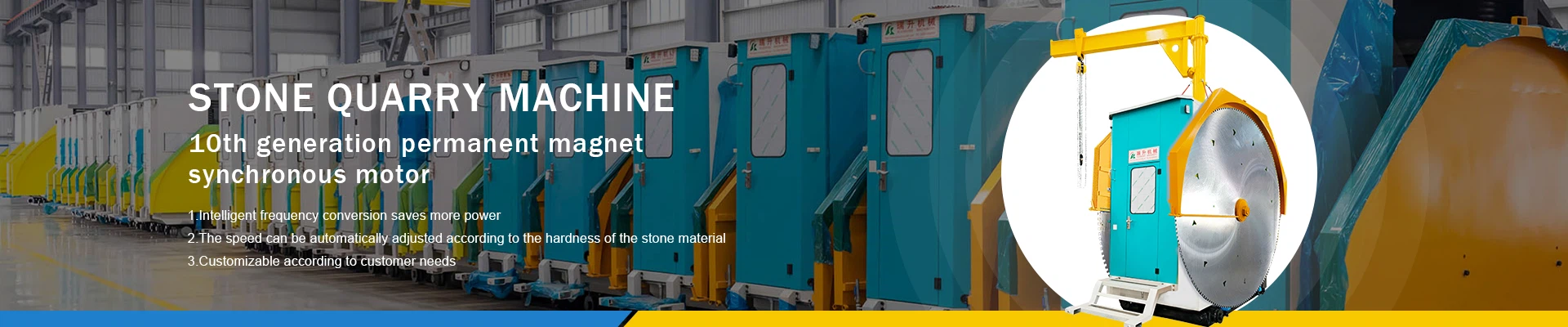
Troubleshooting method of stone drilling machine
To troubleshoot a stone drilling machine, follow these steps based on common issues and solutions:
Insufficient Power
Symptoms: The drill fails to deliver enough force to break through the rock.
Causes: Low air pressure, worn or damaged internal components like the piston and valves.
Solutions: Check the air compressor for leaks or malfunctions and ensure it is properly maintained. Replace any worn-out parts.
Overheating
Symptoms: The drill becomes excessively hot during operation.
Causes: Inadequate lubrication, blocked air vents, or prolonged continuous operation.
Solutions: Regularly inspect and clean the cooling system, including air vents, radiator, and fan. Use high-quality lubricants and follow the manufacturer's recommendations for maintenance intervals.
Drill Bit Wear
Symptoms: Reduced drilling efficiency and increased energy consumption.
Causes: Normal wear and tear of the drill bit.
Solutions: Regularly inspect the drill bit for signs of wear, such as chipped or rounded edges. Replace the drill bit when necessary. Ensure proper lubrication of the drill bit to reduce friction and prolong its lifespan.
Air Leaks
Symptoms: Reduced drilling power and efficiency.
Causes: Leaks in the pneumatic system, including hoses, fittings, and seals.
Solutions: Regularly inspect these components for any signs of leaks. Tighten loose fittings and replace damaged hoses or seals to prevent air loss.
Vibrations and Noise
Symptoms: Excessive vibrations and noise during operation.
Causes: Loose or worn-out components, such as bolts or springs.
Solutions: Regularly inspect and tighten all connections and fasteners to minimize vibrations. If the problem persists, consider consulting a professional technician for further examination and repair.
Drill String Damage
Symptoms: Thread damage, over torque, wear, cracks, or breaks in drill string components.
Causes: Improper handling, overloading, or fatigue from downhole conditions.
Solutions: Follow proper handling procedures, inspect equipment regularly, and optimize drilling parameters to avoid excessive vibrations.
Corrosion
Symptoms: Metal components corrode due to chemical reactions with drilling fluids or formation fluid.
Causes: Exposure to corrosive substances like H₂S or saltwater.
Solutions: Use corrosion inhibitors in the mud and corrosion-resistant materials for the string.
Mud Contamination
Symptoms: Compromised drilling mud properties.
Causes: Influx of formation fluids, salt, or other contaminants into the mud system.
Solutions: Maintain good wellbore isolation and monitor mud properties constantly.


