

Diamond drill bits are specialized tools designed for drilling through extremely hard and brittle materials such as glass, ceramic, porcelain, quartz, granite, and other stones. These bits are coated with industrial-grade diamonds, which provide exceptional durability and precision for tough drilling tasks. They are ideal for applications where high accuracy and the ability to cut through tough materials are required.
Key Features of Diamond Drill Bits
Material: Made from a combination of steel and diamond powder, with the diamond particles embedded in the steel matrix to create a hard, durable cutting edge.
Applications: Suitable for drilling holes in materials like glass, porcelain, ceramic, marble, granite, and other hard stones.
Durability: Diamond bits are more durable than carbide or high-speed steel bits, making them a good investment for regular use.
Cooling and Lubrication: Due to the high heat generated during drilling, it's important to use water as a lubricant to cool the bit and prevent damage.
Types of Diamond Drill Bits
Core Drill Bits: Used for creating precise, clean holes in hard materials.
Diamond Hole Saws: Suitable for cutting larger holes in materials like ceramic tiles and glass.
Diamond Burr Bits: Often used for shaping and grinding hard materials.

How to Use Diamond Drill Bits
Low Speed: Use a low drilling speed to prevent overheating and maintain control.
Water Lubrication: Keep the bit and material wet with water to reduce heat and improve cutting efficiency.
Constant Pressure: Apply steady, gentle pressure to avoid damaging the material or the bit.
Maintenance Tips
Clean After Use: Remove debris and clean the bits after each use to prevent clogging and maintain performance.
Store Properly: Keep diamond bits in a dry, cool place to prevent rust and damage.
what angle are drill bits
Drill bits typically have a point angle of around 118 degrees for general-purpose drilling. This angle is suitable for most applications and materials. However, the angle can vary depending on the specific type of drill bit and its intended use. For example, some specialized bits might have different angles to suit particular materials or tasks.
what are different types of drill bits
Drill bits come in a wide variety of types, each designed for specific materials and applications. Here's a comprehensive overview of the most common types of drill bits and their uses:
1. Twist Drill Bits
Material: High-Speed Steel (HSS), cobalt, or carbide.
Features: Helical flutes for efficient material removal.
Uses: General-purpose drilling in wood, metal, and plastic.
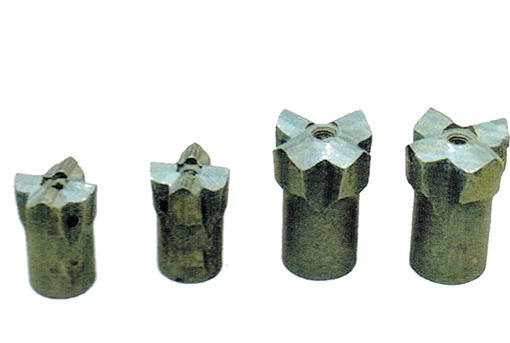
2. Masonry Drill Bits
Material: Carbide-tipped.
Features: Designed to withstand the hardness of masonry materials.
Uses: Drilling into concrete, brick, and stone.
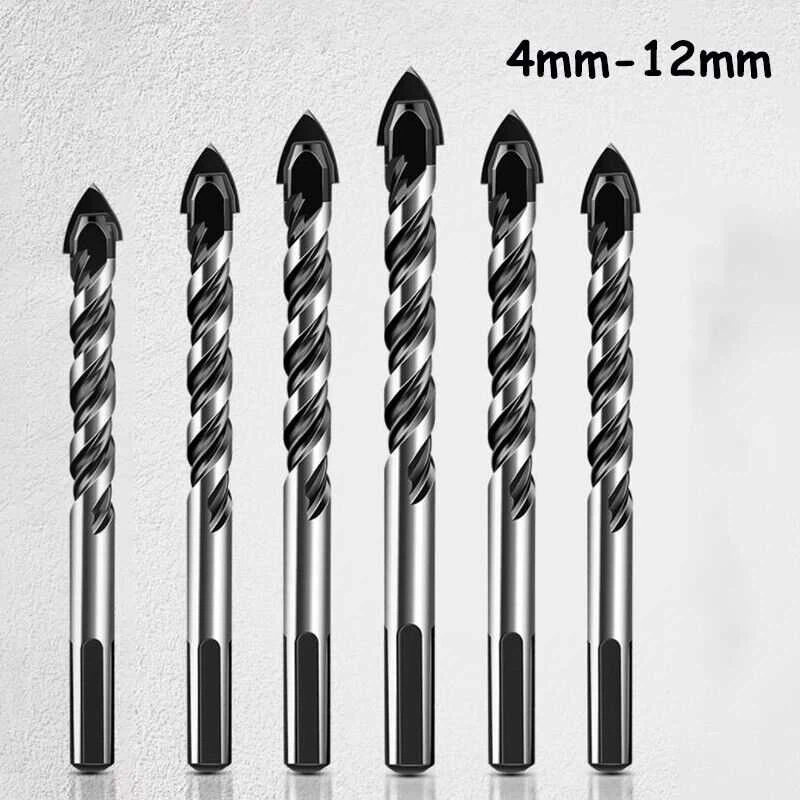
3. Glass and Tile Drill Bits
Material: Diamond-coated or carbide-tipped.
Features: Specialized tips to prevent cracking or shattering.
Uses: Drilling through glass, ceramic tiles, and some plastics.
4. Spade Drill Bits
Material: High-Speed Steel (HSS).
Features: Flat, paddle-like shape for making large holes in wood.
Uses: Rough carpentry, electrical wiring, and plumbing.
5. Forstner Drill Bits
Material: High-Speed Steel (HSS).
Features: Flat bottom for precise holes in wood.
Uses: Woodworking, cabinetry, and furniture making.
6. Hole Saws and Annular Cutters
Material: High-Speed Steel (HSS) or carbide.
Features: Circular cutting tools for creating large holes.
Uses: Drilling large holes in wood, metal, and plastic.
7. Step Drill Bits
Material: High-Speed Steel (HSS) or carbide.
Features: Multiple steps for drilling holes of different diameters.
Uses: Drilling sheet metal, plastic, and soft wood.
8. Installer Drill Bits
Material: High-Speed Steel (HSS).
Features: Long bits with a hole in the tip for threading wires.
Uses: Installing wiring through walls and floors.
9. Adjustable Wood Drill Bits
Material: High-Speed Steel (HSS).
Features: Adjustable diameter for drilling holes of varying sizes.
Uses: Woodworking and furniture making.
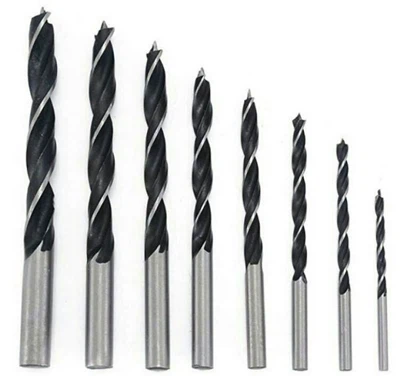
10. Brad Point Drill Bits
Material: High-Speed Steel (HSS).
Features: Brad point tip for precise hole placement.
Uses: Woodworking, dowel joint drilling.
11. Countersink Drill Bits
Material: High-Speed Steel (HSS) or carbide.
Features: Conical shape for countersinking flat-head screws.
Uses: Wood, metal, and plastic.
12. Auger Drill Bits
Material: High-Speed Steel (HSS).
Features: Long, spiral flutes for drilling deep holes in wood.
Uses: Timber framing, shipbuilding.
13. Mortise Drill Bits
Material: High-Speed Steel (HSS).
Features: Inner drill bit and outer chisel for square or rectangular holes.
Uses: Traditional woodworking, joinery.
14. Deep Hole Drill Bits (Gun Drill)
Material: High-Speed Steel (HSS) or carbide.
Features: Slender rod structure with internal coolant channels.
Uses: Drilling deep holes in metal, aerospace, and hydraulic systems.
15. Indexable Drill Bits
Material: Carbide inserts.
Features: Replaceable cutting edges for extended life.
Uses: Industrial applications, CNC machining.
what are drill bit sizes
Drill bit sizes are typically measured in fractions of an inch, decimal inches, or millimeters. Here's a detailed overview of common drill bit sizes and how to measure them:
Common Drill Bit Sizes
Fractional Inches
1/16 inch
1/8 inch
3/16 inch
1/4 inch
5/16 inch
3/8 inch
7/16 inch
1/2 inch
Decimal Inches
0.0625 inch (1/16 inch)
0.125 inch (1/8 inch)
0.1875 inch (3/16 inch)
0.250 inch (1/4 inch)
0.3125 inch (5/16 inch)
0.375 inch (3/8 inch)
0.4375 inch (7/16 inch)
0.500 inch (1/2 inch)
Metric Sizes
1.0 mm
2.0 mm
3.0 mm
4.0 mm
5.0 mm
6.0 mm
7.0 mm
8.0 mm
How to Measure Drill Bit Sizes
Using Calipers
1.Open the Calipers: Ensure the calipers are fully open.
2.Place the Bit: Insert the drill bit between the jaws of the calipers. Make sure the bit is perpendicular to the jaws.
3.Close the Jaws: Gently close the jaws until they make contact with the bit.
4.Read the Measurement: Look at the display on the calipers to read the diameter. Digital calipers will show the measurement directly, while dial calipers require reading the scale.
Using a Ruler or Tape Measure
1.Place the Bit: Lay the drill bit flat on a surface.
2.Measure the Diameter: Use the ruler or tape measure to measure the distance across the widest part of the cutting end (the tip). This is the diameter of the bit.
3.Note the Measurement: Record the measurement in inches or millimeters.
Using a Drill Bit Gauge
1.Insert the Bit: Place the drill bit into the holes of the gauge until it fits snugly.
2.Identify the Size: The size of the hole that fits the bit is the diameter of the drill bit.
Tips for Accurate Measurement
Clean the Bit: Ensure the drill bit is clean and free of debris before measuring.
Measure at the Tip: Always measure the diameter at the cutting end of the bit, not the shank.
Double-Check: Measure the bit multiple times to ensure consistency.
what are drill bits made from
Drill bits are made from various materials, each chosen for its specific properties such as hardness, durability, and heat resistance. Here are the most common materials used to make drill bits:
1. High-Speed Steel (HSS)
Properties: HSS is a popular material for drill bits due to its balance of hardness, toughness, and heat resistance. It can withstand high temperatures without losing its cutting edge.
Applications: Suitable for general-purpose drilling in wood, metal, and plastic.
Coatings: Often coated with titanium nitride (TiN) to enhance durability and reduce friction.
2. Cobalt Steel
Properties: Cobalt steel is harder and more heat-resistant than HSS. It contains 5% to 8% cobalt, which enhances its durability and ability to cut through harder materials.
Applications: Ideal for drilling into harder metals like stainless steel and hardened steel.
Coatings: Sometimes coated with titanium or other materials to further enhance performance.
3. Carbide
Properties: Tungsten carbide is extremely hard and durable, making it suitable for drilling into very hard materials. It can withstand high temperatures and resist wear better than HSS or cobalt steel.
Applications: Used for drilling into concrete, brick, stone, and hardened steel.
Coatings: Carbide bits are often uncoated, but some may have specialized coatings for specific applications.
4. Diamond-Coated
Properties: Diamond is the hardest known material, making diamond-coated bits extremely durable and capable of cutting through very hard materials like glass, ceramic, and stone.
Applications: Ideal for drilling into glass, ceramic tiles, and other hard, brittle materials.
Coatings: The diamond coating is applied to a steel shank to provide the hardness and durability needed for these applications.
5. Titanium-Coated High-Speed Steel (TiN)
Properties: Titanium nitride (TiN) is a thin coating applied to HSS bits to reduce friction, improve heat resistance, and extend the life of the bit.
Applications: Suitable for general-purpose drilling in wood, metal, and plastic.
Coatings: The TiN coating provides a gold-colored finish and enhances performance.
6. Black Oxide-Coated High-Speed Steel
Properties: Black oxide coating provides corrosion resistance and reduces friction. It also helps to dissipate heat more effectively.
Applications: Suitable for general-purpose drilling in wood, metal, and plastic.
Coatings: The black oxide coating provides a protective layer that enhances durability.
7. Titanium Aluminum Nitride (TiAlN)
Properties: TiAlN coating offers excellent heat resistance and wear resistance, making it suitable for high-speed drilling.
Applications: Ideal for drilling into harder metals like stainless steel and hardened steel.
Coatings: Provides superior performance in demanding applications.
8. Aluminum Titanium Nitride (AlTiN)
Properties: AlTiN coating provides superior heat resistance and wear resistance, making it suitable for very high-speed drilling.
Applications: Ideal for drilling into very hard materials and for high-speed applications.
Coatings: Provides the best performance in high-heat and high-speed drilling conditions.
what are flutes on a drill bit
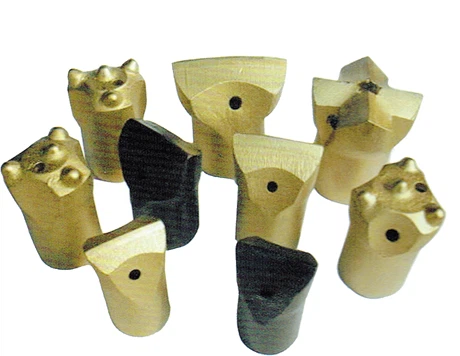
The flutes on a drill bit are the spiral grooves that run along the length of the bit. They serve several important functions:
Key Functions of Flutes
1.Chip Removal:
Efficient Debris Removal: The primary function of flutes is to remove chips and debris from the hole as the bit drills. This helps prevent the bit from getting clogged, which can reduce drilling efficiency and potentially damage the bit or the material being drilled.
Smooth Drilling: By removing debris, flutes ensure a smoother drilling process, reducing friction and heat buildup.
2.Cooling:
Heat Dissipation: Flutes help dissipate heat generated during drilling. By channeling away debris and allowing air or coolant to reach the cutting edges, they help keep the bit and the material cooler.
Extended Bit Life: Proper heat management extends the lifespan of the drill bit and maintains its cutting efficiency.
3.Material Guidance:
Guiding the Bit: The flutes help guide the bit as it drills, ensuring a straight and accurate hole. This is particularly important for applications requiring precision, such as woodworking or metalworking.
Reduced Bit Wobble: Properly designed flutes can help reduce bit wobble, resulting in cleaner and more precise holes.
Types of Flutes
1.Twist Flutes:
General-Purpose: These are the most common type of flutes found on twist drill bits. They are suitable for drilling into wood, metal, and plastic.
Spiral Design: The spiral shape helps in efficient chip removal and cooling.
2.Straight Flutes:
Specialized Use: Straight flutes are less common and are typically used for specific applications, such as reaming or countersinking.
Direct Chip Removal: They remove chips directly from the hole without the spiral action of twist flutes.
3.Variable Flutes:
Enhanced Performance: Some drill bits feature variable flutes, which have different flute lengths and angles. This design can improve chip removal and reduce heat buildup.
Versatility: Variable flutes are often found on high-performance bits designed for heavy-duty applications.
Importance of Flute Design
Material Compatibility: The design of the flutes can be optimized for specific materials. For example, bits designed for drilling through hard metals may have more aggressive flutes to handle the increased heat and wear.
Drilling Efficiency: Proper flute design ensures efficient drilling, reducing the time and effort required to create holes.
Bit Longevity: Efficient chip removal and heat dissipation help extend the life of the drill bit, reducing the need for frequent replacements.
what are long drill bits called
Long drill bits, often referred to as extended reach drill bits, are specialized tools designed for creating deep holes or reaching areas that standard drill bits cannot access.These bits are essential in various applications, including construction, woodworking, metalworking, and other fields where precision and reach are crucial.
Types of Long Drill Bits
1.Extra-Length Drill Bits:
These bits can reach up to 18 inches and are used for drilling through thick materials or accessing hard-to-reach areas.
They are ideal for tasks such as drilling through thick walls, concrete blocks, or industrial machinery.
2.Aircraft Extension Drill Bits:
Similar in length to extra-length bits, these prioritize reach over cutting depth, with a flute length similar to that of a jobber drill.
They are particularly strong and less likely to bend or break, making them suitable for the aircraft industry.
3.Silver and Deming Drill Bits:
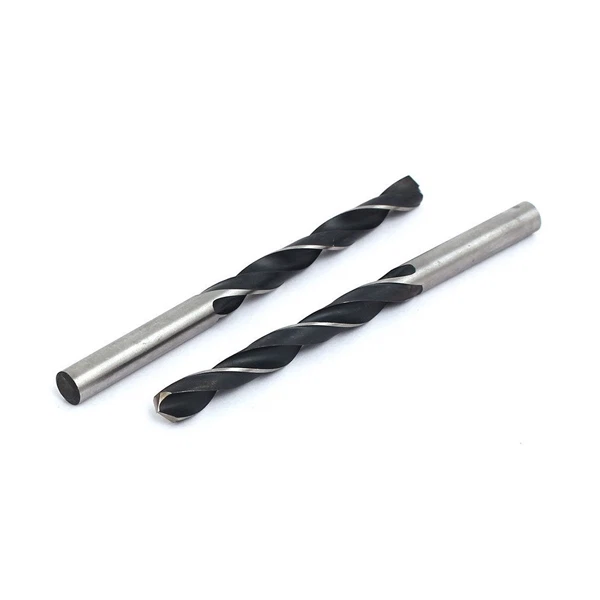
Named after a company based in Salem, Ohio, these bits are 6 inches long with a 3-inch flute length and a 1/2-inch diameter shank.
They are designed for use in a drill press and are suitable for drilling holes larger than 1/2 inch in diameter.
Choosing the Right Long Drill Bit
Material: High-Speed Steel (HSS) and HSS Extra Long bits are versatile and suitable for general drilling in wood, metal, and plastic.
Application: Consider the specific task at hand. For example, extra-long bits are ideal for deep drilling in thick materials, while aircraft extension bits are better for reaching deep into machinery.
Support: Ensure the drill bit is supported properly to prevent bending or breaking, especially when using extra-long bits.
Tips for Using Long Drill Bits
Stability: Use a drill press or a steady rest to support the bit and ensure stability.
Speed: Reduce rotational speed to maintain accuracy and prevent the bit from deflecting.
Alignment: Ensure proper alignment techniques to avoid the bit from wandering or bending.
what are the best drill bits to buy
Based on the latest reviews and recommendations, here are some of the best drill bits available for various materials and applications:
Best Drill Bits for Metal
Milwaukee Red Helix Cobalt Drill Bit Set
Brand: Milwaukee
Category: Drill Bit Set
Model: Red Helix Cobalt
Features: 135° split point with quad tip, variable dual twist flutes, 3-flat shank
Pros: Excellent for general steel drilling, more forgiving in handheld drills
Cons: Higher price point compared to non-coated drill bits
Price: $109.97 (29-piece set)
Rating: 4.5 stars based on nearly 700 reviews
Where to Buy: Milwaukee Red Helix Cobalt Drill Bit Set can be found on various online platforms.
DeWalt Titanium Nitride Coated Drill Bit Set
Brand: DeWalt
Category: Drill Bit Set
Model: Titanium Nitride Coated
Features: 135° split point, dual twist flutes, round shank
Pros: High durability, precise drilling, wide range of sizes, convenient storage case
Cons: Higher price point compared to non-coated drill bits
Price: $34.99 (21-piece set)
Rating: 4.7 stars based on nearly 500 reviews
Where to Buy: DeWalt Titanium Nitride Coated Drill Bit Set is available on multiple online retailers.
Best Drill Bits for Wood
Milwaukee Shockwave Titanium Drill Bits
Brand: Milwaukee
Category: Drill Bit Set
Model: Shockwave Titanium
Features: Shockwave technology for durability, suitable for wood and soft metals
Pros: Excellent for woodworking, provides clean and precise holes
Cons: Limited color options, may not be suitable for highly specialized drilling tasks
Price: $10.99 – $114.97 for sets
Rating: 4.5 stars based on nearly 700 reviews
Where to Buy: Milwaukee Shockwave Titanium Drill Bits can be found on various online platforms.
Best Drill Bits for Masonry
TITGGI Professional Masonry Drill Bit Set
Brand: TITGGI
Category: Drill Bit Set
Model: Professional Masonry
Features: Industrial-strength carbide tips, suitable for multiple materials
Pros: Durable, versatile, lightweight design
Cons: May not be suitable for heavy-duty industrial applications, limited to specified size range
Price: $10.99 – $114.97 for sets
Rating: 4.5 stars based on nearly 700 reviews
Where to Buy: TITGGI Professional Masonry Drill Bit Set is available on multiple online retailers.
Best Multi-Purpose Drill Bits
PLATINUMEDGE 140PC Multipurpose Drill Bits Set
Brand: PLATINUMEDGE
Category: Drill Bit Set
Model: 140PC Multipurpose
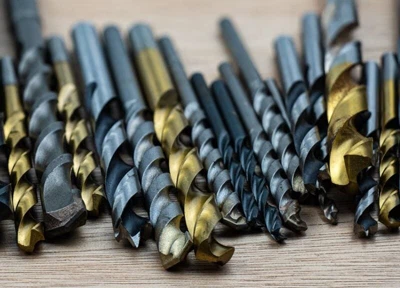
Features: 88 titanium twist drill bits, 26 masonry drill bits, 26 brad point drill bits, hard storage case
Pros: Comprehensive set, durable titanium bits, suitable for wood, metal, brick, and concrete
Cons: May be overkill for casual users, storage case could be more robust
Price: $10.99 – $114.97 for sets
Rating: 4.5 stars based on nearly 700 reviews
Where to Buy: PLATINUMEDGE 140PC Multipurpose Drill Bits Set can be found on various online platforms.
Best Drill Bits for Concrete
Diablo Amped Rebar Demon SDS-Plus/SDS-Max Bits
Brand: Diablo
Category: Drill Bit
Model: Amped Rebar Demon
Features: 4-cutter tip, vacuum capability for dust collection
Pros: Excellent for drilling through reinforced concrete, saves time by not needing to change bits
Cons: Higher price point compared to non-coated drill bits
Price: $33.99 – $189.99 each
Rating: 4.7 stars based on nearly 500 reviews
Where to Buy: Diablo Amped Rebar Demon SDS-Plus/SDS-Max Bits are available on multiple online retailers.
Best Drill Bits for Tiles
DeWalt Titanium Nitride Coated Drill Bit Set
Brand: DeWalt
Category: Drill Bit Set
Model: Titanium Nitride Coated
Features: Suitable for glass, ceramic, and tiles
Pros: Durable and precise, reduces the risk of chipping
Cons: Higher price point compared to non-coated drill bits
Price: $34.99 (21-piece set)
Rating: 4.7 stars based on nearly 500 reviews
Where to Buy: DeWalt Titanium Nitride Coated Drill Bit Set is available on multiple online retailers.
Best Drill Bits for Aluminum and Copper
DeWalt Pilot Point Titanium Drill Bits
Brand: DeWalt
Category: Drill Bit Set
Model: Pilot Point Titanium
Features: 135° split point with pilot point tip, dual twist flutes, 3-flat shank
Pros: Excellent for soft metals like aluminum and copper, provides fast and precise drilling
Cons: Higher price point compared to non-coated drill bits
Price: $34.99 (21-piece set)
Rating: 4.7 stars based on nearly 500 reviews
Where to Buy: DeWalt Pilot Point Titanium Drill Bits are available on multiple online retailers.
Best Drill Bits for General Use
Ryobi 300-Piece Drill and Drive Kit
Brand: Ryobi
Category: Drill Bit Set
Model: 300-Piece Drill and Drive Kit
Features: Comprehensive set with a variety of bits for different materials
Pros: Ideal for general use, suitable for DIY enthusiasts and professionals
Cons: May be overkill for casual users
Price: $10.99 – $114.97 for sets
Rating: 4.5 stars based on nearly 700 reviews
Where to Buy: Ryobi 300-Piece Drill and Drive Kit can be found on various online platforms.


