

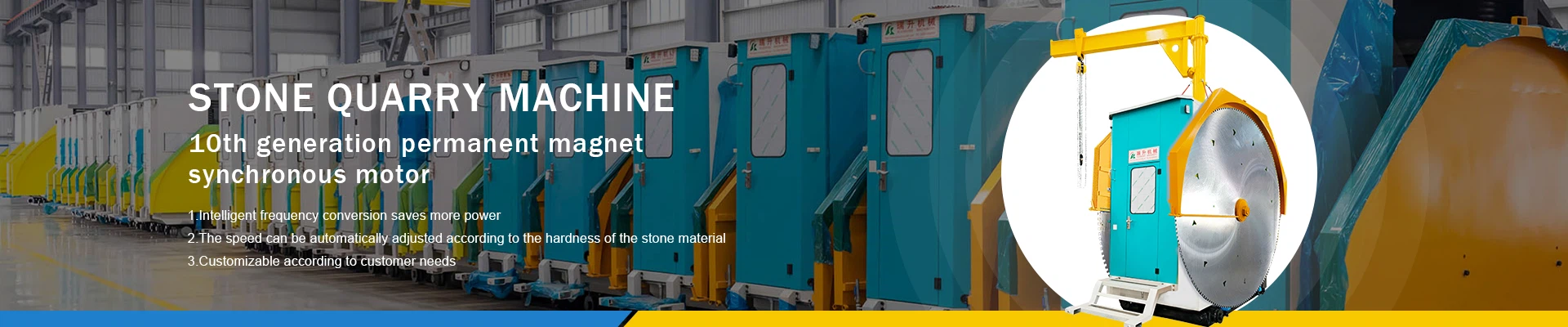
A cutting machine is a versatile tool that can be used for a wide range of applications across various industries. Here are some common uses for cutting machines:
1. Manufacturing and Production
Metal Fabrication: Cutting metal sheets, pipes, and profiles for manufacturing parts and components.
Automotive Industry: Cutting and shaping metal parts for car bodies, engine components, and other automotive parts.
Aerospace: Precision cutting of metal and composite materials for aircraft parts.
Electronics: Cutting printed circuit boards (PCBs) and other electronic components.
2. Construction and Building
Stone and Marble Cutting: Cutting slabs for countertops, flooring, and decorative elements.
Tile Cutting: Cutting ceramic, porcelain, and other types of tiles for installation.
Woodworking: Cutting and shaping wood for furniture, cabinetry, and other woodworking projects.

3. Crafting and DIY Projects
Paper Crafting: Cutting intricate designs and shapes in paper for scrapbooking, card making, and other crafts.
Fabric Cutting: Cutting fabric for sewing projects, quilting, and fashion design.
Vinyl Cutting: Cutting vinyl for custom decals, stickers, and signage.
4. Sign Making and Advertising
Signage: Cutting metal, plastic, and other materials for signs and displays.
Decals and Stickers: Cutting vinyl and other materials for custom decals and stickers.
5. Art and Design
Sculpting: Cutting and shaping materials for sculptures and other art pieces.
Jewelry Making: Cutting and shaping metal and other materials for jewelry components.
6. Medical and Dental
Prosthetics: Cutting materials for custom prosthetic devices.
Dental Appliances: Cutting materials for dental crowns, bridges, and other dental appliances.
7. Education and Training
Schools and Universities: Cutting materials for educational projects and experiments.
Training Centers: Teaching students and professionals how to use cutting machines for various applications.
8. Research and Development
Material Testing: Cutting samples for material testing and analysis.
Prototype Development: Cutting materials for prototypes and models.
9. Food Industry
Food Processing: Cutting fruits, vegetables, and other food items for packaging and processing.
Bakery: Cutting dough and other food materials for baking and pastry making.
10. Other Applications
Glass Cutting: Cutting glass for windows, mirrors, and other glass products.
Plastic Cutting: Cutting plastic sheets and profiles for various applications.
Composite Materials: Cutting carbon fiber, fiberglass, and other composite materials for various industries.
What are some safety precautions when using a cutting machine?
When using a cutting machine, whether it's a CNC router, plasma cutter, waterjet, or any other type of cutting equipment, safety should always be your top priority. Here are some essential safety precautions to follow:
Personal Protective Equipment (PPE)
Safety Glasses or Goggles:
Protect your eyes from flying debris, sparks, and dust.
Ear Protection:
Use earplugs or earmuffs to protect your hearing from loud machinery noise.
Gloves:
Wear gloves to protect your hands from sharp edges, hot surfaces, and chemicals.
Dust Mask or Respirator:
Use a dust mask or respirator to protect your lungs from inhaling dust and fumes, especially when cutting materials like stone or metal.
Protective Clothing:
Wear long sleeves, long pants, and closed-toe shoes to protect your skin from sparks, debris, and hot metal.
Machine Safety
Read the Manual:
Always read and understand the manufacturer's instructions and safety guidelines before operating the machine.
Inspect the Machine:
Check the machine for any signs of damage or wear before starting. Ensure all guards and safety devices are in place and functioning properly.
Secure the Material:
Make sure the material being cut is securely clamped or held in place to prevent it from moving during cutting.
Keep the Area Clear:
Ensure the work area is free of clutter, loose objects, and tripping hazards.
Emergency Stop:
Familiarize yourself with the location and operation of the emergency stop button. Use it immediately if something goes wrong.
Operational Safety
Proper Training:
Ensure that all operators are properly trained and understand how to use the machine safely.
Avoid Distractions:
Stay focused and avoid distractions while operating the machine. Do not use your phone or engage in conversations that could divert your attention.
Use the Right Tools:
Use the appropriate cutting tools and blades for the material you are working with. Using the wrong tools can lead to accidents or damage to the machine.
Maintain a Safe Distance:
Keep your hands and body parts away from the cutting area while the machine is in operation.
Turn Off the Machine:
Turn off the machine and unplug it when it is not in use or when performing maintenance.
Environmental Safety
Ventilation:
Ensure the work area is well-ventilated to prevent the buildup of dust and fumes.
Fire Safety:
Keep a fire extinguisher nearby and ensure it is easily accessible in case of an emergency.
Noise Control:
If possible, operate the machine in a designated area to minimize noise exposure to others.
Post-Operation Safety
Clean Up:
Clean the work area after use to remove any debris or hazardous materials.
Store Tools Properly:
Store cutting tools and blades properly to prevent accidental cuts or damage.
How can I ensure the material is securely held during cutting?
Ensuring that the material is securely held during cutting is crucial for both safety and precision. Here are some effective methods and tips to help you achieve this:
1. Use Clamps
Clamps are one of the most common and effective ways to secure materials during cutting.
Types of Clamps:
C-Clamps: These are versatile and can be used on a variety of materials. They provide a strong grip and are easy to adjust.
Bar Clamps: These are ideal for larger pieces of material and provide even pressure along their length.
Spring Clamps: These are lightweight and easy to use, suitable for smaller or more delicate materials.
Application:
Place clamps at regular intervals along the material to distribute the pressure evenly.
Ensure the clamps are tight enough to hold the material securely but not so tight that they cause damage.
2. Vacuum Tables
Vacuum tables are particularly useful for securing flat materials like sheets of metal, wood, or plastic.
How They Work:
Vacuum tables use suction to hold the material firmly in place. They are especially effective for CNC cutting operations.
The material is placed on the table, and a vacuum pump creates suction, holding the material securely.
Tips:
Ensure the vacuum table is clean and free of debris to maximize suction.
Use appropriate seals or gaskets to enhance the vacuum effect.
3. Magnetic Fixtures
Magnetic fixtures are ideal for holding ferrous metals like steel.
Types of Magnetic Fixtures:
Permanent Magnets: These are simple and do not require an external power source.
Electromagnets: These can be turned on and off using electricity, providing more control over the holding force.
Application:
Place the magnets at strategic points to hold the material securely.
Ensure the surface of the material is clean and free of rust or debris to maximize magnetic adhesion.
4. Adhesive Tape
Adhesive tape can be a quick and effective way to secure lightweight materials.
Types of Tape:
Duct Tape: Strong and versatile, suitable for a variety of materials.
Double-Sided Tape: Provides a strong bond and is ideal for securing materials to a work surface.
Masking Tape: Less aggressive and easier to remove, suitable for delicate materials.
Application:
Apply tape along the edges of the material to hold it in place.
Ensure the tape is firmly pressed down to create a strong bond.
5. Suction Cups
Suction cups can be used to hold materials securely, especially on smooth surfaces.
Types of Suction Cups:
Rubber Suction Cups: These are versatile and can be used on a variety of surfaces.
Silicone Suction Cups: These provide a strong grip and are resistant to high temperatures.
Application:
Ensure the surface is clean and dry before applying the suction cups.
Press the suction cups firmly to create a strong seal.
6. Custom Jigs and Fixtures
For more complex or specialized cutting tasks, custom jigs and fixtures can be designed to hold materials securely.
Design Considerations:
Create jigs that fit the specific shape and size of the material.
Ensure the jig is sturdy and provides multiple points of contact to distribute pressure evenly.
Materials:
Use materials like wood, metal, or plastic to construct the jig, depending on the application.
7. Weighted Hold-Downs
For larger or irregularly shaped materials, weighted hold-downs can be used to provide additional stability.
Types of Weighted Hold-Downs:
Sandbags: These are versatile and can be easily moved and adjusted.
Metal Weights: These provide a more stable and heavy hold-down, suitable for larger materials.
Application:
Place weights at strategic points to hold the material securely.
Ensure the weights are evenly distributed to prevent the material from shifting.
Tips for Securing Materials
Inspect the Material: Ensure the material is free of defects or irregularities that could affect its stability.
Clean the Surface: A clean surface provides better adhesion for clamps, tape, and suction cups.
Regularly Check the Hold: Periodically check the material during cutting to ensure it remains securely in place.
Avoid Over-Tightening: While it's important to secure the material firmly, avoid over-tightening clamps or applying too much pressure, which can damage the material.
What should I do if I notice the cutting machine is damaged?
If you notice that your cutting machine is damaged, it's important to take immediate action to prevent further damage and ensure safety. Here's what you should do:
1. Stop the Machine Immediately
Turn Off the Power: Immediately turn off the machine and unplug it from the power source to prevent any further damage or potential hazards.
Emergency Stop: If the machine has an emergency stop button, press it to halt the machine quickly.
2. Assess the Damage
Visual Inspection: Carefully inspect the machine to identify the extent of the damage. Look for visible signs of wear, cracks, or broken parts.
Check for Loose Parts: Ensure that all components are securely in place. Loose parts can cause additional damage or pose a safety risk.
Inspect Electrical Components: Check for any frayed cords, damaged plugs, or exposed wiring. Electrical issues can lead to short circuits or electric shock.
3. Safety First
Wear Protective Gear: Always wear appropriate safety gear, including gloves and safety goggles, when inspecting or handling the machine.
Keep Others Safe: Ensure that the machine is in a safe location where it cannot cause harm to others. Place warning signs or barriers around the machine if necessary.
4. Document the Damage
Take Photos: Document the damage by taking clear photos from multiple angles. This can be useful for insurance claims or when discussing the issue with a repair technician.
Note the Symptoms: Write down any symptoms or issues you noticed before the damage occurred. This information can help in diagnosing the problem.
5. Professional Inspection
Contact a Technician: If you are not experienced in repairing cutting machines, it is best to contact a professional technician or the manufacturer's service center. They can provide a thorough inspection and recommend the necessary repairs.
Service Contracts: If your machine is under warranty or you have a service contract, contact the manufacturer or service provider to arrange for repairs.
6. Temporary Repairs
Minimal Repairs: If the damage is minor and you have the necessary skills, you may be able to make temporary repairs to get the machine operational again. However, ensure that these repairs do not compromise safety.
Avoid Further Use: If the damage is significant, avoid using the machine until it has been professionally repaired.
7. Preventive Measures
Regular Maintenance: Regularly inspect and maintain your cutting machine to prevent future damage. Follow the manufacturer's maintenance schedule and guidelines.
Training: Ensure that all operators are properly trained in the safe use and maintenance of the machine.
Safety Checks: Perform regular safety checks to identify potential issues before they become serious problems.
What should I do if the damage is caused by a manufacturing defect?
If you notice that the damage to your cutting machine is caused by a manufacturing defect, you should take the following steps to address the issue:
1. Stop Using the Machine
Turn Off and Unplug: Immediately turn off the machine and unplug it to prevent further damage or potential hazards.
2. Document the Damage
Take Photos: Take clear photos of the damage from multiple angles to document the issue.
Note Symptoms: Write down any symptoms or issues you noticed before the damage occurred. This information will be useful when contacting the manufacturer or service provider.
3. Contact the Manufacturer
Customer Support: Reach out to the manufacturer's customer support team. Provide them with the photos and notes you've taken.
Warranty Information: If the machine is under warranty, provide the original purchase receipt and warranty information. The manufacturer will guide you through the warranty claim process.
4. Follow the Warranty Claim Process
Warranty Claim Form: Fill out the warranty claim form provided by the manufacturer. This usually includes details such as the product model, purchase date, and description of the defect.
Submit the Form: Submit the completed warranty claim form along with the photos and original purchase receipt to the manufacturer's authorized technical support service.
5. Professional Inspection
Authorized Service Center: The manufacturer may ask you to send the machine to an authorized service center for inspection. Follow their instructions carefully.
Professional Repair: If the manufacturer determines that the damage is due to a manufacturing defect, they will either repair or replace the machine at no cost to you.
6. Preventive Measures
Regular Maintenance: Ensure you follow the manufacturer's maintenance schedule to prevent future issues.
Training: Ensure all operators are properly trained in the safe and correct use of the machine.


