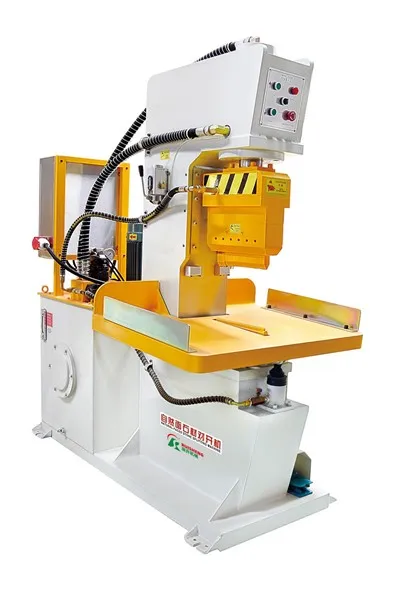
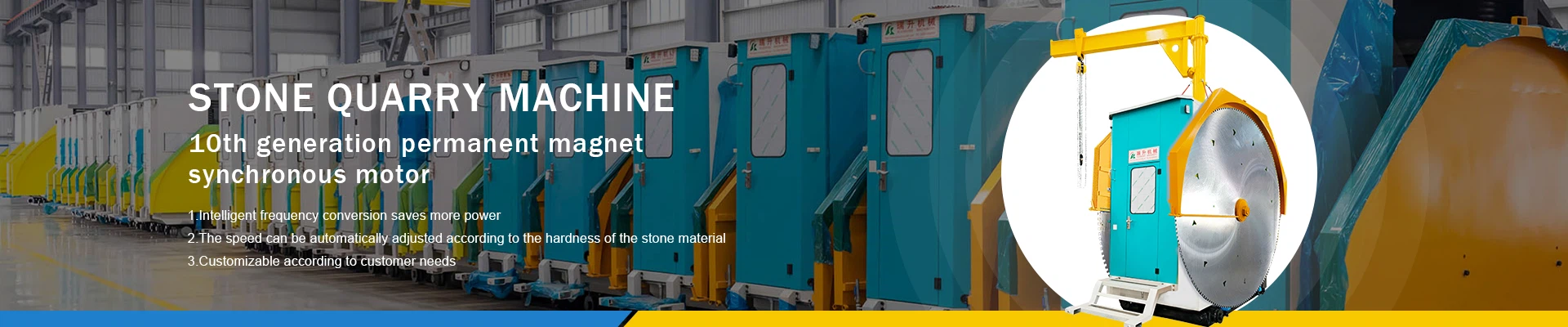
To drill in rock, you will need the following tools and equipment:
Drilling Equipment
Drill Rigs: Heavy-duty machines that power the drilling process. They vary in size and capability, from smaller units for civil construction to massive rigs used in large-scale mining.
Drill Rods/Pipes: Hollow, robust steel tubes that connect the drill rig to the drill bit, transmitting rotation and percussive energy.
Drill Bits: The cutting tools at the end of the drill string that penetrate the rock. Options include:
PDC (Polycrystalline Diamond Compact) Bits: Effective in softer to medium-hard formations.
Tricone Bits: Feature three rotating cones with teeth, suitable for a wide range of formations.
DTH (Down-The-Hole) Hammers: Use compressed air to deliver rapid percussive blows directly to the drill bit, ideal for hard and abrasive rock formations.
Button Bits: Tungsten carbide buttons embedded in a steel body, used with DTH hammers or top hammer drills.
Chisel Bits: Simpler bits, often used for softer rock or small-diameter holes.
Compressors: Provide high-pressure air necessary to power DTH hammers and clear cuttings from the borehole.
Dust Collection Systems: Crucial for managing airborne dust generated during drilling, improving visibility and worker safety.
Safety Gear
Safety glasses to protect your eyes from flying debris.
Work gloves for a firm grip and hand protection.
Hearing protection due to the noise generated by the drill.
Other Tools
A marker or tape to clearly mark the desired location for the hole on the rock surface.
A water source for cooling the bit and suppressing dust, especially for deeper holes.
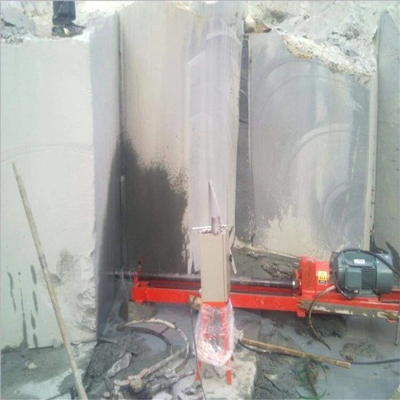
Techniques
Start drilling at a slow speed with light, consistent pressure, engaging the hammer function from the beginning.
Periodically withdraw the drill bit slightly to allow dust and debris to escape the hole.
Use water for cooling and dust suppression during the drilling process.
Maintain a steady grip and apply consistent pressure, avoiding the temptation to push too hard.
By having the right tools, following proper techniques, and prioritizing safety, you can effectively drill into rock.
how to use electric rock drill once human
Using an electric rock drill, such as the JD-1400E, involves several steps to ensure safe and efficient operation. Here's a detailed guide based on the latest information available:
Preparation
1.Pre-Shift Inspection:
Conduct a thorough pre-shift inspection of the drill rig to check for any potential issues.
Ensure all controls are in the proper position and that the machine is free of warning tags.
2.Safety Gear:
Wear appropriate safety gear, including safety glasses, gloves, and a dust mask.
3.Check Equipment:
Ensure the drill bit is properly installed and the water supply is connected for cooling and dust suppression.
Operation
1.Starting the Drill:
Start the drill and let the engine run at low idle until it reaches normal operating temperature.
Check gauges and warning lights for normal readings.
2.Drilling:
Percussion Lever: Pull the lever toward you to start percussion. Move it back to the neutral position to stop.
Percussion Pressure Control Valve: Adjust the percussion pressure by turning the handle clockwise to increase pressure.
Feed Lever: Pull the lever toward you to move the drifter table forward. Push it forward to move it backward.
Feed Pressure Control Valve: Adjust the feed pressure by turning the handle clockwise.
Rotation Lever: Pull the lever toward you for normal rotation and push it forward for reverse.
Rotation Pressure Control Valve: Adjust the rotational pressure by turning the handle clockwise.
Air Flushing Lever: Pull the lever to flush out compressed air through the drifter to eliminate rock dust.
3.Monitoring and Adjustments:
Continuously monitor the pressure gauges to ensure optimal drilling conditions.
Adjust the feed and percussion pressures based on the rock quality to prevent rod bending or jamming.
Safety Procedures
1.Clear the Area:
Ensure the construction area is clear of unauthorized personnel.
Use barricades or secure the area to prevent injuries from flying debris.
2.Emergency Stop:
In case of any malfunction or emergency, use the emergency stop switch to halt the engine.
3.Avoid Free Blows:
Avoid operating the drill without contact with the material to prevent damage.
4.Proper Footing:
Ensure good footing and avoid leaning against the drill to prevent slipping or losing balance.

Maintenance
1.Regular Inspections:
Regularly inspect the drill bit for wear and replace it if necessary.
Keep the handles dry, clean, and free of oil or fuel.
2.Cooling and Lubrication:
Use water or drilling fluid to cool the bit and reduce friction.
By following these steps and using the appropriate tools, you can effectively and safely operate an electric rock drill. Always prioritize safety by wearing protective gear and adhering to proper drilling procedures.
how to hammer drill into rock
Drilling into rock with a hammer drill requires the right tools, techniques, and safety measures. Here's a detailed guide on how to effectively hammer drill into rock:
Preparation and Safety
1.Select the Right Drill Bit:
Use a carbide-tipped masonry bit or a diamond drill bit designed for rock drilling. Diamond bits are highly durable and can withstand the hardness of rock.
2.Choose the Right Drill:
A rotary hammer drill or a rock drill (jackhammer) is ideal as they provide both rotation and percussive action.For very hard rocks like quartz, a Down-The-Hole (DTH) hammer drill is highly effective.
3.Gather Safety Gear:
Wear safety glasses to protect your eyes from flying debris.
Use work gloves for a firm grip and hand protection.
Consider hearing protection due to the noise generated.
4.Mark the Spot:
Clearly mark the desired location for the hole on the rock surface using a marker or tape.
5.Prepare for Cooling:
Have a water source nearby for cooling the bit and suppressing dust, especially for deeper holes.
Starting the Hole
1.Position the Bit:
Place the tip of the drill bit on your marked spot.
2.Begin Drilling:
Start drilling at a slow speed with light, consistent pressure. Engage the hammer function from the beginning to help break down the rock.Avoid pushing too hard to prevent damaging the bit or overloading the drill motor.
3.Maintain Pressure:
As the bit begins to penetrate the rock, maintain a steady grip and continue applying consistent pressure.
Drilling and Progress
1.Continue Drilling:
Once the hole is initiated, continue drilling at a moderate speed with consistent, firm pressure.
2.Clear Debris:
Periodically withdraw the drill bit slightly to allow dust and debris to escape the hole. Use water for cooling and dust suppression.
3.Inspect the Bit:
Check the bit tip for any signs of damage or excessive wear.Allow the bit to cool if necessary.
Finishing the Hole
1.Withdraw the Bit:
Slowly withdraw the bit while it's still rotating to clear any remaining debris.
2.Inspect the Hole:
Remove any loose debris from the opening. If the hole needs to be a specific size or shape, you may need to use specialized tools for finishing.

Additional Tips
Cooling and Lubrication: Using water to cool the drill bit and reduce dust can be helpful.
Avoid Forcing the Bit: Drilling in rock is inherently slow. Take your time and let the drill do the work.
Clean Out the Hole: Use a shop vacuum to remove dust and masonry chips before using the hole for any purpose.
By following these steps and using the appropriate tools, you can effectively and safely hammer drill into rock.Always prioritize safety by wearing protective gear and adhering to proper drilling procedures.
what are 6 inch drill bits for rock made of
Six-inch drill bits for rock are typically made from high-quality materials to ensure durability and performance. Here are the common materials and construction details:
Materials
1.Tungsten Carbide Inserts (TCI):
TCI bits are used for middle to hard rock formations. These bits offer a variety of carbide inserts, such as spherically shaped inserts for very hard rock and conically shaped inserts for softer rock.
2.Steel Body:
The body of the drill bit is often made from high-strength steel to withstand the rigors of drilling operations.
3.Diamond:
For extremely hard rock formations, diamond-impregnated bits are used. These bits provide superior wear resistance and cutting efficiency.
Construction Details
Bit Shank:
The shank of the drill bit is designed to fit specific drilling equipment. Common shank types include QL, COP, SD, DHD, MISSION, BR, and CIR.
Face Shape:
Drop Center Bit: For high penetration rates in soft to medium-hard rock formations.
Concave Face: Suitable for medium-hard and homogeneous rock formations.
Convex Face: For high penetration rates in soft to medium-hard rock formations.
Double Gauge Face: Suitable for fast penetration rates in medium to hard rock formations.
Flat Face Bit: Suitable for hard to very hard and abrasive rock formations.
Carbide Button Shape:
Domed/Round Button: Suitable for very hard and abrasive formations.
Parabolic/Semi-Ballistic Buttons: Suitable for medium-hard and abrasive formations.
Ballistic Button: Suitable for medium-hard formations.
Sharp Button: Suitable for soft rock formations.

Additional Features
Sealed Bearings: Some drill bits come with sealed bearings to protect against mud and cuttings, ensuring longer bit life.
Optimized Hydraulics: Designed to efficiently remove cuttings and ensure engagement of new rock on every cutting structure rotation.
These materials and construction details ensure that six-inch drill bits for rock are durable, efficient, and suitable for a variety of rock formations and drilling applications.
how to use a pneumatic rock drill
Using a pneumatic rock drill effectively and safely involves several key steps. Here's a comprehensive guide based on the latest information:
Preparation and Safety
1.Read the Manual: Before using the pneumatic rock drill, thoroughly read the operating and safety instructions provided with the tool.
2.Wear Safety Gear: Always wear personal protective equipment, including safety shoes, hard hats, gloves, safety goggles, and ear protection.
3.Check the Tool: Ensure the tool is in good working condition. Check for any damage to the air hose, fittings, and drill bit.
Operating the Pneumatic Rock Drill
1.Set Up the Air Supply: Ensure the air compressor is set to the correct pressure, typically between 85 to 90 psig (6 bar) for optimal performance.
2.Connect the Air Hose: Attach the air hose to the tool, ensuring all connections are secure and free of debris.
3.Check the Bit: Ensure the drill bit is sharp and suitable for the material you are drilling into.
Drilling Process
1.Mark the Spot: Clearly mark the drilling location on the surface.
2.Position the Drill: Place the drill bit tip on the marked spot. Apply pressure to the trigger to start the drill.
3.Apply Pressure: Apply constant, even pressure while guiding the drill. Reduce pressure before cutting through the workpiece.
4.Cooling and Lubrication: For drilling metal or hard rock, apply lubricant to reduce friction and glazing.
Safety During Operation
1.Maintain Control: Always have the drill bit in contact with the workpiece before starting the drill.
2.Avoid Overexertion: Do not force the drill. If drilling becomes difficult, consider professional sharpening or replacement of the bit.
3.Noise and Vibration: Be aware of the noise and vibration levels. Prolonged use of vibrating tools can cause hand and arm damage.
Concluding Operations
1.Shut Down: Once your task is completed, turn off the air supply using a shut-off valve or switch.
2.Release Air: Point the chisel at the work surface and operate the throttle lever with the air supply shut off to release any trapped air.
3.Disconnect: Only then should you proceed to remove the chisel tool.

Maintenance
1.Regular Checks: Regularly check the tool for wear and tear. Disassemble and clean the tool as necessary.
2.Lubrication: Ensure the tool is properly lubricated. Use the correct type of lubricant and follow the manufacturer's instructions.
3.Storage: Store the tool in a dry, clean environment to prevent rust and damage.
By following these guidelines, you can ensure the effective, safe, and efficient use of a pneumatic rock drill. Always prioritize safety and proper handling to maximize tool performance and longevity.
how to easily drill a hole in a rock
Drilling a hole in a rock can be done easily with the right tools and techniques. Here's a step-by-step guide to help you through the process:
Tools and Materials Needed
Dremel Tool: A versatile rotary tool like the Dremel 4300.
Diamond Drill Bit: Suitable for drilling through hard materials like rock.
Safety Gear: Safety glasses to protect your eyes from flying debris, gloves for a firm grip, and a dust mask.
Water: For cooling the bit and reducing dust.
Clamp or Vise: To securely hold the rock in place.
Marker: To mark the drilling spot.
Step-by-Step Guide
1. Preparation
Mark the Spot: Clearly mark the desired location for the hole on the rock surface using a marker.
Secure the Rock: Place the rock in a clamp or vise to hold it firmly. This prevents the rock from moving during drilling.
Gather Safety Gear: Wear safety glasses to protect your eyes from flying debris, gloves for a firm grip, and a dust mask.
2. Setting Up the Dremel
Insert the Bit: Choose the appropriate diamond drill bit and insert it into the Dremel tool. Tighten the chuck securely.
Adjust the Speed: Set the Dremel tool to a low speed. For drilling through rock, it's recommended to keep the speed between 7,000 to 10,000 rpm.
3. Drilling Process
Position the Drill: Lower the drill bit to about 1/8 to 1/4 inch above the water level.
Begin Drilling: Start the Dremel at a low speed and gently lower the bit onto the marked spot. Apply light, consistent pressure.
Cooling: Periodically dip the drill bit and the rock into the water to keep them cool.
Clear Debris: Periodically withdraw the drill bit slightly to allow dust and debris to escape the hole.
4. Finishing the Hole
Withdraw the Bit: Once the hole is drilled to the desired depth, reduce the pressure and slowly withdraw the bit while it's still rotating.
Inspect the Hole: Clean any debris from the hole and inspect it to ensure it meets your requirements.

Tips for Success
Start Slow: Begin with a slow speed to create a pilot hole and gradually increase the speed.
Use Water for Cooling: Water helps to cool the bit and reduce friction, preventing the rock from cracking.
Secure the Rock: Ensure the rock is stable to prevent it from moving during drilling.
Safety First: Always wear safety goggles and gloves to protect yourself from flying debris.
By following these steps and using the right tools, you can successfully drill a hole in rock with a Dremel tool. Patience and precision are key to achieving clean and accurate results.