

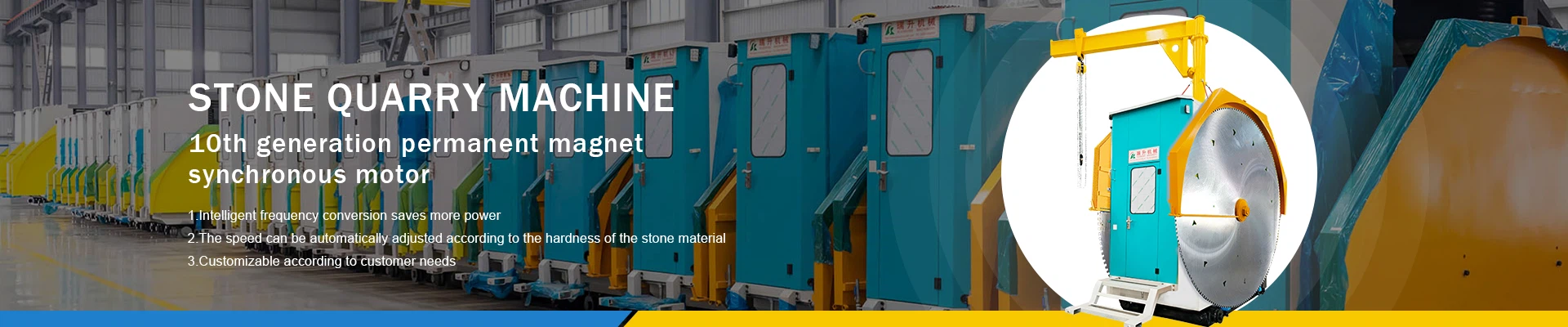
A rock drill is a powerful tool specifically designed to create holes or excavate in rock formations. It is used across various industries and applications where rock needs to be penetrated, removed, or prepared for further work. Here are the primary uses of a rock drill:
1. Mining
Ore Extraction: Rock drills are used to create holes for blasting in underground and open-pit mines. These holes are filled with explosives to break up rock and extract valuable minerals.
Exploration: Diamond core drills are used to obtain rock samples for geological analysis, helping to determine the location and quality of mineral deposits.
2. Quarrying
Stone Extraction: Rock drills are used to create holes for blasting or splitting large blocks of stone, such as granite, limestone, and marble, which are then cut into smaller pieces for construction and landscaping.
Dimension Stone: Specialized drills are used to create precise holes for wire saws or channeling machines to extract large, rectangular blocks of stone.
3. Construction
Foundation Work: Rock drills are used to create holes for anchor bolts, rebar, or piles in rocky ground, ensuring a stable foundation for buildings and structures.
Tunneling: Rock drills are essential for creating pilot holes and enlarging tunnel openings in hard rock formations. They are also used for installing support bolts and rock reinforcement.
Road and Railway Construction: Rock drills are used to create holes for blasting to remove rock obstacles and to prepare the ground for roadbeds and railway tracks.
4. Civil Engineering
Geotechnical Investigations: Diamond core drills are used to obtain core samples for soil and rock analysis, helping engineers understand the subsurface conditions before construction.
Drainage and Utility Installation: Rock drills are used to create holes for installing drainage pipes, utility lines, and other underground infrastructure in rocky terrain.
5. Geotechnical and Environmental
Groundwater Monitoring: Rock drills are used to create boreholes for installing monitoring wells to assess groundwater quality and levels.
Geothermal Drilling: Rock drills are used to create deep holes for geothermal energy extraction, where hot water or steam is brought to the surface for power generation.
6. Tunneling and Underground Construction
Blast Hole Drilling: Rock drills create holes for explosives to break up rock and advance the tunnel face.
Support Installation: Rock drills are used to install rock bolts and mesh to stabilize tunnel walls and prevent rock falls.
7. Demolition
Controlled Demolition: Rock drills are used to create holes for explosive charges in controlled demolition projects, allowing for precise and safe demolition of structures.
8. Landscaping and Sculpting
Rock Shaping: Rock drills are used to create holes for splitting or shaping large rock formations in landscaping projects.
Sculpture: Artists use small rock drills to carve and shape stone sculptures.

Types of Rock Drills
Rotary Hammer Drills: Used for smaller, handheld applications like drilling holes in concrete or rock for anchors.
Core Drills: Used for obtaining rock samples and creating precise, clean holes.
Down-The-Hole (DTH) Hammers: Used for large-scale drilling in hard rock formations, providing high penetration rates.
Pneumatic Rock Drills: Powered by compressed air, these drills are used in mining and construction for their high power and durability.
Hydraulic Rock Drills: Used in heavy-duty applications where high torque and continuous operation are required.
Advantages of Rock Drills
Efficiency: Rock drills can penetrate hard rock much faster than manual methods.
Precision: Modern rock drills can create holes with high accuracy and consistency.
Versatility: Rock drills come in various sizes and types, suitable for a wide range of applications.
Safety: Properly used, rock drills can reduce the risk of manual labor and improve overall safety on job sites.
In summary, rock drills are indispensable tools in industries where rock needs to be drilled, blasted, or excavated. They are used for everything from small-scale construction projects to large-scale mining and tunneling operations.
what drill bit for rock
Choosing the right drill bit for rock drilling depends on the type of rock, the drilling method, and the specific application. Here's a comprehensive guide to help you select the appropriate drill bit:
Types of Rock Drill Bits
1.Boring Bit
Features: Large diameter, single-tooth or double-tooth configurations.
Benefits: Efficient for drilling large-diameter holes, reducing the need for multiple passes.
Uses: Suitable for creating shafts, large-scale pilings, or specialized blast holes in mining, quarrying, and civil engineering projects.
2.Cone Drill Bit
Features: Conical shape for high drilling accuracy and regular aperture.
Benefits: Ensures precise hole dimensions, crucial for subsequent operations like blasting or grouting.
Uses: Ideal for drilling through hard rocks like granite and limestone, and for specific applications such as jet holes in ground improvement.
3.Cross Drill Bit
Features: Cross-shaped blade arrangement with four cutting edges intersecting at the center.
Benefits: Enhanced wear resistance and stability, extending bit life and reducing replacement frequency.
Uses: Versatile for percussion drilling in various rock types, from medium-hard to hard formations.
4.Ball Tooth Drill Bit
Features: Various tooth shapes (spherical, conical, conical-spherical) strategically placed on the bit face.
Benefits: Different tooth shapes offer a balance of efficiency, wear resistance, and strength, optimizing drilling speed and bit longevity.
Uses: Effective in a broad range of drilling applications, from surface mining and quarrying to tunneling and geotechnical investigations.
5.Diamond Core Bit
Features: Industrial diamonds embedded in a metal matrix on the cutting face, typically annular (ring-shaped).
Benefits: Provides high-quality, intact core samples essential for detailed geological analysis. Long life in very hard and abrasive rock.
Uses: Indispensable in mineral exploration, geotechnical investigations, and civil engineering projects requiring detailed rock analysis.
6.Hammer Bit (DTH Hammer Bit)
Features: Works with a Down-The-Hole (DTH) hammer, delivering rapid percussive blows combined with rotation.
Benefits: High penetration rates in very hard and abrasive rock formations, leading to faster drilling and reduced energy consumption.
Uses: Widely used in large-scale mining, quarrying, water well drilling, and civil engineering projects involving hard rock excavation.
7.Straight Drill Bit
Features: Simple, linear cutting edges, typically arranged in a chisel or cross pattern.
Benefits: Easy to handle and operate, straightforward grinding and maintenance, effective in less demanding rock formations.
Uses: Suitable for lightweight rock drills and small-scale drilling operations involving softer rock.
8.Pillar Toothed Drill Bit
Features: Cylindrical or "pillar" shaped tungsten carbide inserts.
Benefits: Excellent wear resistance and strength, reliable performance in both dry and wet drilling conditions.
Uses: Suitable for drilling medium-hard and sturdy rocks in mining, quarrying, and civil engineering projects.

Factors to Consider When Choosing a Drill Bit
Rock Hardness and Abrasivity: Harder rocks (like granite) require durable bits with tungsten carbide inserts or diamonds, while softer rocks (like shale) can use milled tooth bits.
Drilling Method: The type of drilling rig and method (rotary, percussion, DTH) dictates the bit connection type and cutting action.
Hole Diameter and Depth: Larger and deeper holes require more robust bits with greater cutting structure and robust bearings.
Geological Formation: Consider formation characteristics like fracturing, abrasiveness, and presence of water or unconsolidated layers.
Cost vs. Performance: Evaluate the balance between bit purchase cost and expected performance (penetration rate, lifespan).
Desired Sample Quality: For geotechnical investigations, specific core bits with diamond or carbide inserts are chosen to obtain intact core samples.
By understanding these factors and types of drill bits, you can make an informed decision to optimize your drilling efficiency and achieve your project goals.
what is rock drill
A rock drill is a specialized power tool designed to create holes or excavate in rock formations. It is used across various industries where rock needs to be penetrated, removed, or prepared for further work. Rock drills come in different types and sizes, each tailored to specific applications and rock conditions. Here's a detailed overview of what a rock drill is, its types, and its uses:
What is a Rock Drill?
A rock drill is a tool that combines rotational and percussive forces to break through rock. It typically consists of:
Power Source: Electric, pneumatic (air), or hydraulic.
Drill Bit: The cutting element that contacts the rock.
Drill Rod or Stem: Connects the bit to the drill mechanism.
Drill Mechanism: Provides the rotational and percussive action.
Types of Rock Drills
1.Rotary Hammer Drills
Features: Combines rotation with a hammering action.
Applications: Suitable for smaller holes in concrete and rock, commonly used in construction and DIY projects.
Advantages: Portable, versatile, and relatively inexpensive.
Disadvantages: Limited to smaller hole sizes and depths.
2.Core Drills
Features: Uses diamond or carbide bits to create precise, clean holes.
Applications: Used for obtaining rock samples in geotechnical investigations and for creating holes in construction.
Advantages: High precision, minimal rock damage.
Disadvantages: Slower than percussive drills, requires water for cooling.
3.Down-The-Hole (DTH) Hammers
Features: Combines rotation with a percussive action at the bit tip.
Applications: Large-scale drilling in hard rock formations, mining, and civil engineering.
Advantages: High penetration rates, efficient in very hard rock.
Disadvantages: Requires a large air compressor, more expensive.
4.Pneumatic Rock Drills
Features: Powered by compressed air, providing strong percussive action.
Applications: Mining, quarrying, and heavy-duty construction.
Advantages: High power, durable, suitable for continuous use.
Disadvantages: Requires a reliable air supply, noisy.
5.Hydraulic Rock Drills
Features: Powered by hydraulic systems, providing high torque and continuous operation.
Applications: Heavy-duty applications like tunneling and large-scale excavation.
Advantages: High power, suitable for continuous operation.
Disadvantages: Requires a hydraulic power source, more complex setup.
Uses of Rock Drills
1.Mining
Ore Extraction: Creating holes for blasting to break up rock and extract minerals.
Exploration: Obtaining rock samples for geological analysis.
2.Quarrying
Stone Extraction: Creating holes for blasting or splitting large blocks of stone.
Dimension Stone: Preparing rock for cutting into smaller pieces for construction and landscaping.
3.Construction
Foundation Work: Creating holes for anchor bolts, rebar, or piles in rocky ground.
Tunneling: Creating pilot holes and enlarging tunnel openings.
Road and Railway Construction: Preparing the ground for roadbeds and railway tracks.
4.Civil Engineering
Geotechnical Investigations: Obtaining core samples for soil and rock analysis.
Drainage and Utility Installation: Creating holes for installing drainage pipes and utility lines.
5.Geotechnical and Environmental
Groundwater Monitoring: Creating boreholes for installing monitoring wells.
Geothermal Drilling: Creating deep holes for geothermal energy extraction.
6.Demolition
Controlled Demolition: Creating holes for explosive charges in controlled demolition projects.
7.Landscaping and Sculpting
Rock Shaping: Creating holes for splitting or shaping large rock formations.
Sculpture: Carving and shaping stone sculptures.

Advantages of Rock Drills
Efficiency: Rock drills can penetrate hard rock much faster than manual methods.
Precision: Modern rock drills can create holes with high accuracy and consistency.
Versatility: Rock drills come in various sizes and types, suitable for a wide range of applications.
Safety: Properly used, rock drills can reduce the risk of manual labor and improve overall safety on job sites.
Safety Considerations
Personal Protective Equipment (PPE): Always wear safety glasses, ear protection, gloves, and dust masks.
Secure the Work Area: Ensure the rock or workpiece is securely anchored to prevent movement.
Proper Maintenance: Regularly inspect and maintain the drill and bits to ensure optimal performance and safety.
Follow Manufacturer's Instructions: Always follow the manufacturer's guidelines and safety recommendations.
In summary, a rock drill is a powerful and versatile tool essential for drilling and excavating in rock formations. It is used in various industries, from mining and construction to landscaping and geotechnical investigations, making it an indispensable tool for professionals working with rock.
what is a rock drill
A rock drill is any tool-manual, pneumatic, hydraulic, or electric-whose primary purpose is to bore holes into solid rock rather than soil, wood, or concrete.
In everyday language the term is used three different (but related) ways:
1.Portable rock drills
• Pneumatic or gasoline-powered jack-leg / stoper drills used in mining and quarrying to drill 28–45 mm blast-holes.
• Modern versions are often DTH (down-the-hole) hammers or top-hammer drills that combine percussion and rotation.
2.Core-drilling rigs
• Truck-, track-, or skid-mounted rigs that spin diamond core barrels to cut clean, cylindrical holes from 25 mm up to several metres in diameter for geotechnical sampling or setting large anchor bolts.
3.Small rotary tools marketed as "rock drills"
• Hand-held rotary hammers (SDS-plus) or micro-drills sold for hobbyists to drill pebbles or garden stones.
Key takeaway

A rock drill is distinguished by its percussive or diamond grinding action and the robust bits (tungsten-carbide or diamond) needed to fracture or abrade stone, rather than the cutting edges used for softer materials.
what is rock drill oil
Rock drill oil is a specialized lubricant designed for use in pneumatic tools such as rock drills, jackhammers, and pavement breakers. It is formulated to withstand the extreme conditions encountered in rock drilling operations, including high temperatures, heavy loads, and the presence of water and dust.
Key Features of Rock Drill Oil
Extreme Pressure (EP) Additives: These additives provide superior wear protection and prevent seizure under heavy or shock-load conditions.
Adhesion: Rock drill oils are designed to adhere to metal surfaces even in the presence of moisture, preventing rust and corrosion.
Thermal Stability: High-quality base oils and additives ensure the lubricant remains stable at high temperatures, reducing the formation of sludge and other harmful by-products.
Emulsification: Some rock drill oils contain emulsifiers to handle water and compressed air mixtures, ensuring the lubricant remains effective in wet conditions.
Applications
Rock drill oil is used in a variety of applications, including:
Pneumatic percussion tools such as rock drills and jackhammers.
Mining and industrial equipment operating in wet environments.
Hydraulic hammers and other construction equipment.
Recommended Viscosity Grades
Rock drill oils are available in various viscosity grades to suit different operating conditions and temperatures. Common grades include ISO 32, 46, 68, 100, 150, 220, 320, and 460.
Environmental Considerations
Some rock drill oils are formulated with non-chlorinated, ashless additive packages to reduce environmental impact.
Maintenance Tips
Always consult the manufacturer's operating manual for the correct viscosity and quality of oil.
Regularly inspect and adjust the oiler to ensure proper lubrication.
Keep a sufficient inventory of the correct oil to avoid using an inferior or incorrect lubricant.

Example Products
D-A Lubricant Company's Rock Drill Oil ISO 220: Formulated with advanced ChemGuard™ additive technology for extreme pressure protection and water resistance.
Phillips 66 Rock Drill Oil: An adhesive, EP lubricant suitable for pneumatic tools and mining equipment, available in multiple viscosity grades.
Sinclair Rock Drill Oils: Meet the performance requirements of major rock drill manufacturers and provide excellent rust and corrosion protection.
By using the appropriate rock drill oil, you can significantly extend the life of your equipment, reduce maintenance costs, and ensure reliable operation in demanding drilling conditions.
what is rock drill oil used for
Rock drill oil is a specialized lubricant used primarily in pneumatic rock drills, jackhammers, and other heavy-duty tools designed for drilling and breaking rocks. It serves several critical functions that help maintain the efficiency and longevity of the equipment. Here are the key uses and benefits of rock drill oil:
1. Lubrication
Reduces Friction: Rock drill oil lubricates the moving parts of the tool, reducing friction and wear. This is crucial because rock drilling generates significant heat and mechanical stress.
Prevents Seizure: The oil prevents metal-to-metal contact, which can cause parts to seize up and fail.
2. Cooling
Heat Dissipation: Drilling through rock generates a lot of heat. Rock drill oil helps dissipate this heat, preventing the tool from overheating and extending its operational life.
3. Protection Against Corrosion
Prevents Rust: The oil adheres to metal surfaces, creating a protective barrier against moisture and preventing rust and corrosion.
Protects in Wet Conditions: Rock drill oil is formulated to remain effective even in the presence of water, making it suitable for wet drilling conditions.
4. Cleaning
Removes Debris: The oil helps to flush out dust and rock particles that can accumulate in the tool, reducing wear and maintaining performance.
5. Adhesion
Stays in Place: Rock drill oil is designed to adhere to metal surfaces, ensuring that it remains in place even under high pressure and vibration.
6. Extreme Pressure (EP) Protection
Handles Heavy Loads: The oil contains EP additives that provide superior wear protection under heavy or shock-load conditions, ensuring the tool remains functional even under extreme stress.
7. Emulsification
Handles Water Mixtures: Some rock drill oils contain emulsifiers to handle water and compressed air mixtures, ensuring the lubricant remains effective in wet conditions.
Applications
Rock drill oil is essential for the following types of tools and equipment:
Pneumatic Rock Drills: Used in mining and construction to drill holes in rock for blasting or anchoring.
Jackhammers: Used for breaking up concrete and rock surfaces.
Pavement Breakers: Used for breaking up asphalt and other hard surfaces.
Hydraulic Hammers: Used in heavy construction for demolition and rock breaking.
Recommended Viscosity Grades
Rock drill oils come in various viscosity grades to suit different operating conditions and temperatures. Common grades include:
ISO 32, 46, 68, 100, 150, 220, 320, 460
Maintenance Tips
Regular Inspection: Regularly inspect the oiler to ensure it is functioning correctly and providing adequate lubrication.
Correct Oil: Always use the correct type and grade of rock drill oil as specified by the tool manufacturer.
Regular Replacement: Replace the oil regularly to ensure it remains effective and free of contaminants.
Example Products
D-A Lubricant Company's Rock Drill Oil ISO 220: Formulated with advanced ChemGuard™ additive technology for extreme pressure protection and water resistance.
Phillips 66 Rock Drill Oil: An adhesive, EP lubricant suitable for pneumatic tools and mining equipment, available in multiple viscosity grades.
Sinclair Rock Drill Oils: Meet the performance requirements of major rock drill manufacturers and provide excellent rust and corrosion protection.
Environmental Considerations
Some rock drill oils are formulated with non-chlorinated, ashless additive packages to reduce environmental impact, making them suitable for use in environmentally sensitive areas.
By using the appropriate rock drill oil, you can significantly extend the life of your equipment, reduce maintenance costs, and ensure reliable operation in demanding drilling conditions.


