

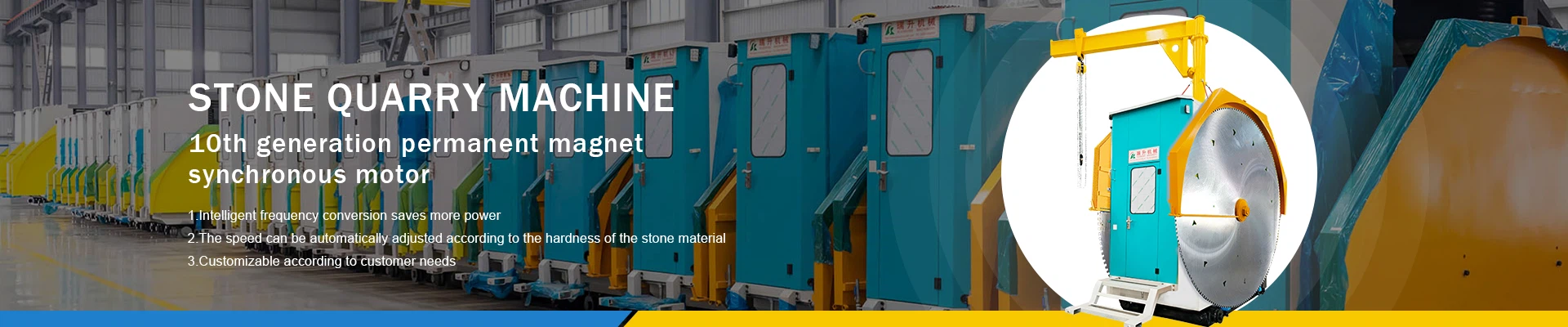
A granite polisher is a specialized tool or machine used to smooth and shine granite surfaces. Here are some common types of granite polishers and their features:
Handheld Wet Polishers
Description: These are portable, handheld tools that use water to cool the stone and reduce dust while polishing.
Features:
Water-feed functionality to reduce dust and enhance the finish.
Lightweight and easy to handle, making them suitable for detailed work.
Durable construction to withstand prolonged use in wet conditions.
Best For: Edge polishing, small surface areas, and intricate details.
Variable Speed Polishers
Description: These polishers offer adjustable RPMs, allowing users to customize the speed based on the material and task.
Features:
Speed control dial for precise adjustments.
Ergonomic design for prolonged use.
Powerful motor capable of handling demanding polishing tasks.
Best For: Polishing granite, marble, limestone, and engineered stone.
Angle Grinders with Polishing Pads
Description: While primarily used for grinding, angle grinders fitted with polishing pads can achieve a refined polish on stone surfaces.
Features:
Compatible with various attachments, including polishing pads and diamond wheels.
Compact and ideal for detailed and edge work.
High RPMs for efficient removal and shaping.
Best For: Edge polishing, small surface areas, and intricate details.
Dry Polishers
Description: These polishers do not use water and are more convenient for areas with limited water supply or where wet polishing isn't feasible.
Features:
Dust control attachments to reduce airborne particles.
Adjustable speeds to handle different types of stones.
Lightweight and user-friendly design for ease of transport.
Best For: Final touches and jobs without water.
Floor Polishers
Description: These are larger machines designed for polishing floors and large surfaces.
Features:
High-gloss finish.
Suitable for continuous polishing and bevelling of edges in marble, granite, and agglomerated materials.
Variable speed control for different types of stone.
Best For: Large surface areas like floors.

Choosing the Right Equipment
Stone Type: Different stones have unique hardness, density, and porosity characteristics. Granite requires high-power machines with diamond abrasives.
Power Source: Choose between electric, pneumatic, or battery-powered tools.
Speed Control: Crucial for adjusting based on the polishing stage and stone hardness.
Dust Collection: Important for safety and performance, especially when using dry polishers.
Durability and Build Quality: High-quality materials like stainless steel and heavy-duty plastic for longevity.
When selecting a granite polisher, consider the specific needs of your project, including the type of stone, the size of the area to be polished, and the desired finish.
what is granite polisher job description
A granite polisher is responsible for grinding, buffing, and sealing granite to achieve a polished shine, often working on countertops, tiles, monuments, and other stone products. Here is a comprehensive job description for a granite polisher:
Job Description
Responsibilities
Operate and Maintain Equipment:
Set up and calibrate polishing machines.
Monitor the polishing process for quality control.
Perform basic machine maintenance.
Inspect finished slabs for defects.
Maintain production records.
Polishing Granite:
Grind and polish stone to smooth or lustrous finishes using portable grinding and polishing tools.
Select the appropriate abrasive wheel based on the type of stone and the desired finish.
Wet the stone surface and guide the rotating wheel over the stone to smooth it.
Wash the grit from the stone and move the hand over the surface to detect uneven areas.
Spread emery powder or other polishing compounds on the stone and use a buffing wheel to polish the surface.
Inspect and Repair:
Fill cracks or imperfections in the stone with wax that matches the color of the stone.
Rub stone surfaces that cannot be finished by machine or portable tool with abrasive blocks to smooth or polish the stone.
Customer Service:
Provide expert cleaning, grinding, honing, sealing, and polishing services for natural stone.
Ensure installations follow all paperwork and specifications.
Safety and Maintenance:
Work in a safe manner that complies with all safety guidelines.
Maintain equipment and work areas.
Qualifications
Education:
High school diploma or equivalent.
Experience:
1-2 years of experience in manufacturing or stone countertop fabrication is preferred.
Experience with hand polishing and stone countertop installation.
Skills:
Mechanical aptitude and attention to detail.
Ability to follow prescribed programs and standards.
Continuous improvement mentality and desire to help grow the business.
Ability to work effectively in a collaborative team environment.
Ability to safely operate all tools and equipment in the fabricating shop and on the installation truck.
Physical Demands
The job is physically demanding and requires lifting a considerable amount of weight.
May need to sit or stand as needed throughout the day and exert over 50 pounds of force occasionally to lift, carry, push, pull, or otherwise move objects.
Work Environment
Granite polishers often work in manufacturing or fabrication shops and may also visit job sites for installations.

By following these responsibilities and qualifications, a granite polisher can ensure high-quality results and meet customer expectations.
what is he best granite polish
Based on the search results, here are some of the best granite polishes available, along with their features and benefits:
1. Italian Craftsman Granite and Marble Polish
Description: This multi-purpose cleaner is specially formulated to clean and protect a variety of surfaces, including marble, granite, and other polished stones.
Features:
Cleans, polishes, and protects.
Suitable for granite, marble, polished stones, wood, Formica, metal, and vinyl.
Contains no wax, ensuring a streak-free finish.
Enhances the natural color of the surfaces.
Best For: Daily cleaning and maintenance of granite countertops and other stone surfaces.
2. Weiman Disinfectant Granite Daily Clean & Shine
Description: A disinfectant cleaner and polish that provides a streak-free shine.
Features:
Combines cleaning and polishing in one product.
Protects against stains and enhances shine.
Easy to use with a spray-and-wipe application.
Best For: Daily cleaning and quick touch-ups on granite countertops.
3. Granite Gold Daily Cleaner and Polish
Description: A streak-free cleaner and polish specifically designed for granite and other natural stone surfaces.
Features:
Cleans and polishes in one step.
Provides a high-gloss finish.
Protects against stains and wear.
Best For: Routine maintenance and enhancing the shine of granite countertops.
4. Simple Green Granite & Stone Polish
Description: An eco-friendly polish that restores the beauty and color of granite countertops.
Features:
Safe for the environment and affordable.
Effective in bringing out the natural colors of the stone.
Provides a streak-free finish.
Best For: Homeowners looking for an eco-friendly option to maintain and polish granite surfaces.
5. Rock Doctor Granite & Quartz Polish
Description: A professional-grade polish that enhances the shine and protects granite surfaces.
Features:
Provides a high-gloss finish.
Protects against stains and wear.
Easy to apply with a spray-and-wipe method.
Best For: Professional use and homeowners who want a high-quality polish for their granite countertops.
6. Faber Star Shine Easy
Description: A water-based polishing cream that simplifies the process of polishing granite surfaces.
Features:
Enhances brightness and restores the original color of the material.
Provides resistance to staining and wear.
Easy to apply with a single disc machine or hand polisher.
Best For: Polishing granite countertops and floors to achieve a high-gloss finish.
7. GLEAN Natural Stone Polish
Description: A polish that cleans, polishes, and intensifies the color and structure of granite and other natural stones.
Features:
Suitable for all types of marble, granite, and natural stone.
Provides a gloss finish.
Protects against fingerprints, water spots, and soap scum build-up.
Best For: Enhancing the appearance of granite surfaces and providing long-lasting protection.

Factors to Consider When Choosing a Granite Polish
Surface Compatibility: Ensure the polish is suitable for your specific type of stone.
Protective Capabilities: Look for products that offer protection against stains and wear.
Ease of Application: Choose a polish that fits your cleaning routine, whether it's a spray, cream, or paste.
Eco-Friendly: Consider environmentally friendly options if that is a priority for you.
Conclusion
When choosing the best granite polish, consider your specific needs, the type of stone you have, and how often you plan to polish. Products like Italian Craftsman, Weiman, and Granite Gold offer excellent cleaning and polishing capabilities, while Simple Green and Rock Doctor provide eco-friendly and professional-grade options. For a high-gloss finish, Faber Star Shine Easy and GLEAN Natural Stone Polish are top choices.
what is polished granite
Polished granite is a type of granite that has been treated to achieve a smooth, shiny, and reflective surface. This process enhances the natural beauty of the stone, making it a popular choice for a variety of applications in both residential and commercial settings. Here's a detailed look at what polished granite is and its key characteristics:
Characteristics of Polished Granite
1.Smooth Surface:
Polished granite has a highly refined surface, free from scratches and imperfections. This smoothness is achieved through a multi-step process involving various grits of diamond-impregnated pads or discs.
2.Reflective Appearance:
The polished finish gives granite a mirror-like shine, enhancing its natural colors and patterns. This reflective quality makes polished granite particularly striking in well-lit areas.
3.Durability:
Granite is an extremely hard and durable material. The polished finish adds an extra layer of protection, making the surface highly resistant to scratches, stains, and daily wear and tear.
4.Low Maintenance:
Polished granite is relatively easy to clean. It requires regular sealing to protect against stains and moisture, but daily maintenance usually involves a quick wipe with a soft cloth and mild cleaner.
Polishing Process
The process of polishing granite involves several stages, each using progressively finer grits to refine the surface and achieve the desired shine:
1.Grinding:
The initial stage involves using coarse grit pads (e.g., 50 or 100 grit) to remove any deep scratches, chips, or uneven areas. This step levels the surface and prepares it for finer polishing.
2.Honing:
Medium grit pads (e.g., 200, 400 grit) are used to smooth out the surface further, removing any scratches left by the coarser pads.
3.Polishing:
Fine grit pads (e.g., 800, 1500 grit) are used to refine the surface and achieve a high-gloss finish. Very fine grit pads (e.g., 3000, 6000 grit) are used for the final stages to enhance the shine and create a mirror-like appearance.
4.Buffing:
The final step involves using a soft buffing pad to achieve a deep, reflective shine. This step often involves the use of a polishing compound to further enhance the surface.
Uses of Polished Granite
Polished granite is a versatile material used in a variety of applications:
1.Countertops:
Polished granite countertops are popular in kitchens and bathrooms due to their durability, beauty, and low maintenance. They are available in a wide range of colors and patterns.
2.Floors:
While polished granite floors are less common due to their slippery nature when wet, they are occasionally used in entryways and other low-traffic areas for their elegant appearance.
3.Backsplashes:
Polished granite backsplashes add a decorative touch to kitchens and bathrooms, enhancing the overall aesthetic of the space.
4.Fireplace Surrounds:
The heat-resistant properties of polished granite make it an excellent choice for fireplace surrounds.
5.Monuments and Tombstones:
Polished granite is often used for monuments and tombstones due to its durability and ability to withstand the elements while maintaining a polished appearance.

Maintenance Tips
Regular Cleaning: Use a soft cloth and mild cleaner to wipe down polished granite surfaces daily.
Seal Regularly: Apply a high-quality granite sealer every 6-12 months to protect against stains and moisture.
Avoid Harsh Chemicals: Do not use acidic cleaners, vinegar, or ammonia-based products, as they can etch the surface.
Wipe Up Spills Immediately: To prevent staining, always clean up spills as soon as they occur.
Conclusion
Polished granite is a luxurious and durable material that enhances the beauty and functionality of any space. Its reflective finish, smooth surface, and resistance to wear make it a popular choice for countertops, backsplashes, and other decorative elements. With proper care and maintenance, polished granite can maintain its shine and protect its natural beauty for many years.
what is granite polisher job
A granite polisher is responsible for grinding, buffing, and sealing granite to achieve a polished shine.The job involves several key responsibilities and duties:
Responsibilities
Grinding and Polishing Surfaces: Using specialized tools and equipment such as angle grinders with diamond pads, the granite polisher grinds down rough or uneven areas to create a smooth surface. This process involves using a variety of grit levels, starting with a coarse grit (e.g., 50-100) and gradually moving to finer grits (e.g., 1500-3000) to achieve a high-gloss finish.
Quality Control and Inspection: The polisher must inspect the granite surface for quality and consistency, ensuring that the final product meets specified standards. This includes checking for any scratches or imperfections that may require additional attention.
Hand Polishing and Blending: In some cases, the polisher may need to use hand-held tools to polish edges or blend seams and profiles, ensuring a seamless and polished finish. This requires a high level of attention to detail and manual dexterity.
Operating Machinery: Depending on the role, the granite polisher may operate CNC grinders and milling machines to achieve precise and efficient polishing results.Training other polishers to improve their productivity and techniques may also be part of the job.
Maintaining Tools and Equipment: The polisher is responsible for the maintenance and upkeep of all tools and machinery used in the polishing process, ensuring that they are in good working condition.
Safety Protocols: Adhering to all safety guidelines and protocols is crucial. This includes wearing appropriate protective gear such as safety goggles, gloves, and a dust mask.
Skills and Qualifications
Experience with Polishing Techniques: Knowledge of different polishing methods and tools is essential.
Attention to Detail: A keen eye for detail is required to ensure a high-quality polished finish.
Physical Strength and Endurance: The job can be physically demanding, requiring the ability to lift heavy granite slabs and work for extended periods.
Familiarity with CNC Machines: In some roles, experience with operating CNC machines is beneficial.
Working Conditions
Granite polishers typically work in a workshop or on-site at installation locations. The job may involve exposure to dust and noise, making adherence to safety protocols essential.
Salary Information
The average hourly pay for a Granite Polisher job in the US is $17.31 as of September 2025.The annual salary can range from $35,621 to $55,889, depending on the location and experience.In some areas like Empire, Michigan, the salary range for a Granite Polisher I is between $34,282 and $44,495.

In summary, a granite polisher plays a crucial role in enhancing the appearance and quality of granite surfaces, requiring a combination of technical skills, attention to detail, and adherence to safety protocols.
what is granite polishing powder
Granite polishing powder is a specialized compound designed to restore the shine and remove minor scratches from granite surfaces. Here's a detailed overview of what granite polishing powder is, its composition, types, and application methods:
Composition
Granite polishing powder typically consists of a blend of fine abrasives and other compounds. Some common components include:
Stannic Oxide (SnO₂): Known for its polishing properties.
Stainless Steel Powder: Provides additional abrasiveness.
Powder Wax: Helps in achieving a smooth finish.
Oxalic Acid: Sometimes added to enhance the color of black granite.
Types of Granite Polishing Powder
Dark Granite Polishing Powder: Formulated for dark-colored stones.
Light Granite Polishing Powder: Suitable for light-colored stones.
Application Methods
Dry Application
Mixing: Combine the powder with water to form a paste.
Application: Apply the paste to the granite surface using a felt pad or a soft cloth.
Buffing: Buff the surface in circular motions until the desired shine is achieved.
Wet Application
Slurry Creation: Mix the powder with water to create a slurry.
Machine Use: Use a low-speed buffer or grinder with a hogs hair pad to work the slurry over the surface.
Drying: Continue working the slurry until it dries, then repeat as necessary.
Benefits
Restores Shine: Rejuvenates dull or scratched granite surfaces.
Versatile: Can be used on various granite surfaces, including countertops, floors, and islands.
Safe for Food Preparation: Suitable for use on surfaces where food is prepared.

Tips for Use
Test in an Inconspicuous Area: Always perform a patch test to ensure the powder works well on your specific granite.
Follow Instructions: Carefully read and follow the manufacturer's directions for the best results.
Granite polishing powder is a powerful tool for maintaining and enhancing the appearance of granite surfaces. By following the correct application methods and choosing the right type for your granite, you can achieve a high-gloss finish and restore the natural beauty of the stone.
what is in granite polish
Granite polish is typically composed of a variety of ingredients that work together to clean, protect, and enhance the shine of granite surfaces. Here are some key components commonly found in granite polishes:
Common Ingredients in Granite Polish
1.Water (7732-18-5):
Function: Acts as a diluent to help distribute other ingredients evenly.
2.Wax Additives:
Function: Contribute to the polishing effect and help in achieving a smooth finish.
3.Silicone Compounds:
Dimethicone (63148-62-9) and Cyclopentasiloxane (541-02-6): These ingredients provide gloss and help in achieving a high shine.
4.Preservatives:
Methylisothiazolinone (2682-20-4), Benzisothiazolinone (2634-33-5), and Methylchloroisothiazolinone (26172-55-4): These are used to preserve the polish and prevent microbial growth.
5.Polishing Agents:
White Mineral Oil (8042-47-5): Contributes to the polishing effect.
Petroleum Distillates (64742-47-8): Acts as a polishing agent.
6.Cleaning Agents:
Sorbitan Derivatives and Oleate Esters: These ingredients help in cleaning the surface while polishing.
7.Surfactants:
Tripropylene Glycol Methyl Ether (25498-49-1), Polyglyceryl-2 Oleate (9007-48-1), Sodium Lauryl Sulfate (151-21-3): These help in the cleaning process and ensure the polish is evenly distributed.
8.Fragrance Components:
Limonene (5989-27-5), Citronellol (106-22-9), Amyl Cinnimal (122-40-7): These provide a pleasant scent to the polish.

Additional Components
Stannic Oxide (SnO₂) and Stainless Steel Powder: These are sometimes used in polishing powders to enhance the shine and remove minor scratches.
Application Tips
Patch Test: Always perform a patch test in an inconspicuous area to ensure compatibility.
Keep Surface Wet: If using wet polishing methods, keep the surface wet to minimize dust and reduce friction heat.
Regular Maintenance: Clean spills immediately and use pH-neutral products for regular cleaning to maintain the polished surface.
These components work together to clean, protect, and enhance the shine of granite surfaces, making them look their best.
what is steeled vs polished granite
Steeled granite and polished granite are two different finishes applied to granite surfaces, each with its own characteristics and uses:
Appearance
Steeled Granite: Has a light, smooth finish with a dull luster. It is slightly lighter in color than polished granite, giving it a more matte look.
Polished Granite: Features a highly reflective, glossy surface. It enhances the vibrancy of the granite's colors and brings out the full depth and character of the stone.
Texture
Steeled Granite: The surface is smooth to the touch but has a slight texture. It is achieved by lightly sandblasting the surface.
Polished Granite: Extremely smooth, with no visible texture. It feels like a mirror-like surface.
Durability and Maintenance
Steeled Granite: More resistant to scratches due to its matte finish. However, it may be more susceptible to stains compared to polished granite.
Polished Granite: More prone to showing scratches and fingerprints. It is less susceptible to stains due to its smooth surface, which prevents liquids from being absorbed. Requires regular cleaning to maintain its shine.
Uses
Steeled Granite: Often used for memorials and headstones to provide contrast for sandblasted letters. It is also suitable for areas where a more subdued, natural look is desired.
Polished Granite: Commonly used for kitchen and bathroom countertops, fireplace surrounds, and walls. It is ideal for detailed engravings or intricate designs.

Summary
Steeled Granite: Matte finish, slightly textured, more scratch-resistant, lighter in color.
Polished Granite: Glossy finish, extremely smooth, more stain-resistant, vibrant colors.


