

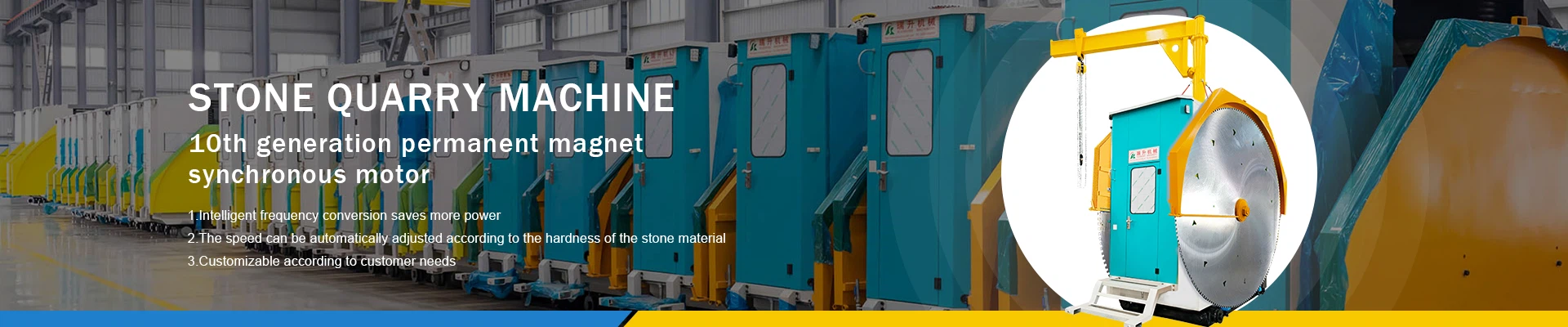
A granite quarry, also known as a stone quarry, is a specific type of open-pit mine where granite, a type of igneous rock, is extracted from the earth. Granite is highly valued for its durability, aesthetic appeal, and wide range of applications in construction, architecture, and decorative arts. Here's a detailed explanation of what a granite quarry is and how it operates:
Key Features of a Granite Quarry
Geological Formation:
Granite is formed from the solidification of magma below the earth's surface. It is composed mainly of quartz, feldspar, and mica, giving it its characteristic hardness and durability.
Quarries are typically located in areas with significant granite deposits, often identified through geological surveys and exploratory drilling.
Extraction Process:
Site Preparation: Before extraction begins, the quarry site is cleared of vegetation and topsoil. Access roads, electrical infrastructure, and water supply systems are set up to support operations.
Drilling and Blasting: Holes are drilled into the rock face using diamond-tipped drills. These holes are then filled with explosives, which are detonated to break the granite into manageable blocks. This method is known as "shotcrete" or "blasting."
Wire Sawing: For high-quality granite, wire saws with diamond-impregnated wires are used to cut through the rock. This method is more precise and reduces the risk of damage to the stone.
Channeling: In some cases, channeling machines are used to cut grooves into the rock, which are then used to guide the cutting process.
Block Removal:
Once the granite is broken into large blocks, heavy machinery such as cranes and loaders are used to lift and transport the blocks to the processing area. These blocks can weigh several tons and require specialized equipment to handle them safely.
The extracted granite blocks are then transported to processing facilities, often located near the quarry, for further processing.
Processing and Fabrication:
Cutting into Slabs: At the processing facility, the large granite blocks are cut into slabs using multi-wire saws. These saws use diamond wires to cut through the stone, producing slabs of uniform thickness.
Polishing and Finishing: The slabs are then polished to achieve a high-gloss finish. This process involves several stages of grinding and polishing with progressively finer abrasives. The final stage may involve applying a sealer to enhance the stone's durability and appearance.
Custom Fabrication: Depending on the end use, the granite slabs may be further processed into specific shapes and sizes. This can include cutting countertops, tiles, or other custom pieces.
Environmental Considerations:
Reclamation and Restoration: After the quarrying process is complete, the site is often reclaimed and restored. This involves re-vegetation, soil replacement, and other measures to minimize the environmental impact.
Waste Management: Quarrying generates a significant amount of waste material, which must be managed responsibly. This can include recycling waste rock for other construction purposes or using it for landscaping.
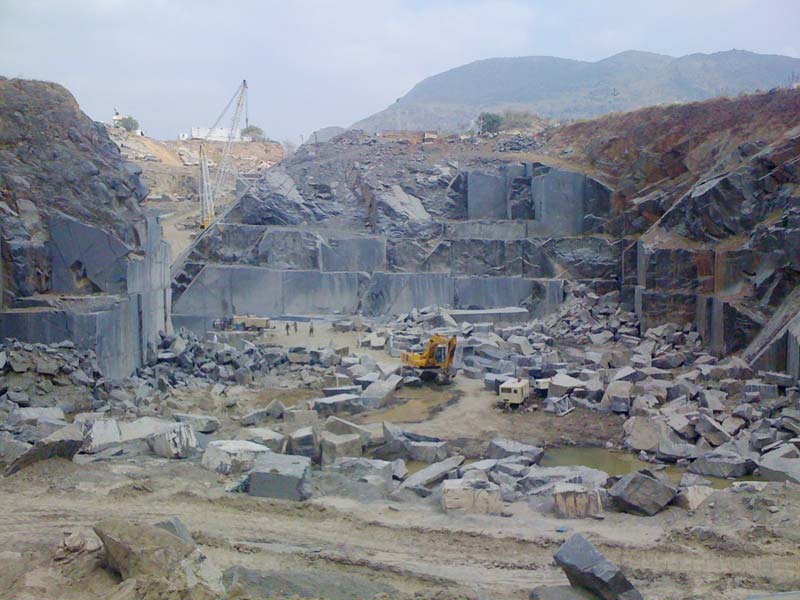
Types of Granite Quarries
Open-Pit Quarries:
These are the most common type of granite quarries. They involve large, open excavation sites where the granite is extracted from the surface. Open-pit quarries can be quite deep, with some reaching depths of over 100 meters.
Underground Quarries:
In some cases, granite is extracted from underground mines. These operations are more complex and require advanced mining techniques to ensure safety and efficiency.
Applications of Granite
Granite extracted from quarries is used in a wide range of applications, including:
Construction: Granite is used for building facades, flooring, and structural elements due to its strength and durability.
Kitchen and Bathroom Countertops: Its aesthetic appeal and resistance to heat and stains make it a popular choice for countertops.
Monuments and Memorials: Granite's durability and timeless appearance make it ideal for monuments, tombstones, and memorials.
Decorative Elements: It is also used for decorative purposes, such as fireplace surrounds, wall cladding, and outdoor landscaping.
Conclusion
A granite quarry is a specialized mining operation that extracts large blocks of granite from the earth. The process involves careful planning, advanced machinery, and skilled labor to ensure high-quality products. Environmental considerations and sustainable practices are also crucial to minimize the impact on the surrounding ecosystem. Granite quarries play a vital role in providing a durable and aesthetically pleasing material for various construction and decorative applications.
what is granite quarry dust
Granite quarry dust, also known as quarry dust or stone dust, is a byproduct generated during the process of extracting and processing granite in quarries. It consists of fine particles of granite that are produced through activities such as drilling, blasting, cutting, and grinding. Here's a detailed look at what granite quarry dust is and its various aspects:
Composition and Characteristics
Granite Composition: Granite is an igneous rock primarily composed of minerals like quartz, feldspar, and mica. Quarry dust, therefore, contains these same minerals in a finely ground form.
Particle Size: Quarry dust particles can range from very fine powders to slightly coarser materials, depending on the specific quarrying and processing methods used.
Color and Appearance: The color of granite quarry dust can vary based on the type of granite being quarried. It can range from light gray to dark gray, pink, or even black, depending on the mineral composition.
Sources of Quarry Dust
Drilling and Blasting: When holes are drilled into granite for blasting, fine dust particles are produced. The explosion from blasting also generates a significant amount of dust.
Cutting and Sawing: The use of diamond saws and other cutting tools to shape granite blocks and slabs produces fine dust particles.
Grinding and Polishing: The process of grinding and polishing granite slabs to achieve a smooth finish generates dust.
Handling and Transportation: Moving and transporting granite blocks and slabs can also release dust particles into the air.
Environmental and Health Impacts
Air Quality: Quarry dust can become airborne, reducing air quality and posing a risk to respiratory health. Prolonged exposure to airborne dust can lead to conditions like silicosis, a serious lung disease caused by inhaling silica particles.
Water Pollution: Dust particles can be washed into nearby water bodies, affecting water quality and aquatic life.
Soil Contamination: Accumulation of dust on the ground can alter soil composition and affect plant growth.
Uses of Quarry Dust
Despite its potential negative impacts, quarry dust has several practical uses:
Construction: Quarry dust can be used as a substitute for sand in concrete mixes, mortar, and other construction materials. It provides additional strength and durability.
Road Construction: It can be used as a base material for roads and pavements, providing a stable and durable surface.
Landscaping: Quarry dust can be used for filling and leveling land, creating pathways, and other landscaping applications.
Manufacturing: It can be used in the production of certain types of bricks, tiles, and other manufactured stone products.
Mitigation and Management
Dust Suppression: Techniques such as water spraying and misting systems can be used to suppress dust during quarrying operations.
Enclosed Systems: Using enclosed cutting and grinding equipment can help contain dust and reduce its release into the environment.
Personal Protective Equipment (PPE): Workers should wear appropriate PPE, including masks and respirators, to protect against inhalation of dust particles.
Regular Monitoring: Implementing regular air quality monitoring and dust management plans can help minimize the environmental and health impacts of quarry dust.
Conclusion
Granite quarry dust is a byproduct of granite quarrying and processing operations. While it has several practical uses, it also poses environmental and health risks if not managed properly. Effective dust suppression techniques, proper handling, and the use of personal protective equipment are essential to mitigate these risks and ensure sustainable quarrying practices.
How does quarry dust affect human health?
Exposure to quarry dust can have several adverse effects on human health, particularly on the respiratory system. Here are some key findings based on recent studies:
Respiratory Issues
Increased Prevalence of Respiratory Symptoms: People living near quarry sites have a higher prevalence of respiratory symptoms compared to those not exposed to quarry dust. Specific symptoms reported include nasal infections, cough, asthma, and bronchitis.
Lung Function Decline: Studies have shown that quarry workers and nearby residents have lower lung function parameters, such as forced vital capacity (FVC) and forced expiratory volume in the first second (FEV1), compared to unexposed groups.
Other Health Effects
Silicosis: Long-term exposure to respirable crystalline silica, a component of quarry dust, can lead to silicosis, a serious lung disease.
Cardiovascular Issues: Quarry dust can also contribute to cardiovascular problems, including hypertension and heart disease.
Kidney Problems: Heavy metals present in quarry dust, such as lead and cadmium, can accumulate in the kidneys and cause nephropathy.
Skin and Eye Problems: Dust particles can cause irritation and infections in the eyes and skin.
Environmental and Secondary Health Effects
Air Quality: Quarry dust can significantly reduce air quality, affecting not only workers but also nearby communities.
Noise Pollution: Quarry activities can also lead to noise pollution, causing sleep disturbances and stress.
Mitigation Measures
Implementing effective dust control measures, such as water sprays and chemical dust suppressants, can significantly reduce the health risks associated with quarry dust. Regular monitoring of air quality and health assessments of workers and nearby residents are also crucial for early detection and management of health issues.
where are the largest granite quarries in the us
The largest granite quarries in the United States are primarily located in North Carolina, specifically in Mount Airy, which is often referred to as the "Granite City." Here are some key details about the largest granite quarries in the US:
1. Mount Airy Granite Quarry, North Carolina
Location: Mount Airy, North Carolina
Size: The Mount Airy Granite Quarry is the largest open-faced granite quarry in the world. It covers approximately 90 acres, is over a mile long, and has been in operation since 1889.
Production: The quarry has produced granite used in numerous famous buildings, including the National WWII Memorial in Washington, D.C.
Visibility: The quarry is so large that it can be seen by astronauts from space.
2. Balcones Quarry, Texas
Location: New Braunfels, Texas
Production: According to the USGS, Balcones Quarry was the top quarry in the United States for production volume.
3. Elberton Granite Quarries, Georgia
Location: Elberton, Georgia
Significance: Elberton is known as the "Granite Capital of the World" and is home to several large granite quarries, including the Berkeley Granite Quarry.
4. Vermont Quarries
Location: Various locations in Vermont
Significance: Vermont is home to several significant granite quarries, including the Rock of Ages quarry, which is one of the most famous in the world.
These quarries are not only significant for their size but also for their contribution to the construction and architectural industries, providing high-quality granite for various projects across the United States and beyond.
where is absolute black granite quarried
Absolute Black Granite, also known as Nero Assoluto or Jet Black Granite, is primarily quarried in two main regions: India and Zimbabwe.
India
Warangal District, Telangana: One of the most significant sources of Absolute Black Granite is the Warangal District in the state of Telangana, India. Quarries in this region produce high-quality, fine-grained black granite that is highly sought after for its uniform color and durability.
Chamarajanagar, Karnataka: Another notable location for Absolute Black Granite is the Chamarajanagar district in Karnataka. This region is known for its dense, uniform black granite, which is often used for high-end applications.
Zimbabwe
Mashonaland Region: Zimbabwe is another major source of Absolute Black Granite. The quarries in the Mashonaland region produce a fine-grained, deep black gabbro that is highly durable and resistant to wear.
Characteristics
Absolute Black Granite is renowned for its deep, uniform black color and fine-grained texture. It is highly durable, making it suitable for a wide range of applications, including countertops, flooring, and monuments.
Conclusion
If you are looking for Absolute Black Granite, you can source it from quarries in either Warangal, Telangana, or Chamarajanagar, Karnataka in India, or from the Mashonaland region in Zimbabwe. Each of these locations offers high-quality granite with consistent black coloration and fine-grained texture.
where is blue pearl granite quarried
Blue Pearl Granite is primarily quarried in Norway, specifically in the Larvik region. The quarries are located near Tvedalen, Vestfold, which is due west of Larvik. This region is renowned for its high-quality natural stones, and Blue Pearl Granite is one of the most famous types quarried there.
The Blue Pearl Granite quarries in Norway are known for their unique and luxurious appearance, characterized by large blue, pearly crystals set in a deep blue stone. This granite is highly valued for its aesthetic appeal and durability, making it a popular choice for various applications, including countertops, flooring, and wall cladding.
In addition to Norway, there are also quarries in India that produce a type of granite similar to Blue Pearl. These quarries are located in the southern part of the country, particularly in the states of Karnataka and Tamil Nadu. Indian quarries are known for producing high-quality granite with a similar blue and silver flecked appearance.
Overall, whether sourced from Norway or India, Blue Pearl Granite is prized for its unique beauty and exceptional quality, making it a sought-after material for both residential and commercial projects.

where is canadian mahogany granite quarried
Canadian Mahogany Granite is primarily quarried in Wonderland Lake, Kenora, Ontario, Canada. This region is known for its high-quality brown granite, which is characterized by its rich, medium-grained texture and warm earthy tones. The granite is highly valued for both indoor and outdoor applications, including building stones, countertops, monuments, and decorative elements.
where is dakota granite china pink granite quarried
Dakota Mahogany Granite is quarried near Milbank, South Dakota. As for China Pink Granite, it is primarily quarried in several regions in China. Some notable locations include:
Huidong County, Guangdong Province: This region is known for producing high-quality pink granite.
Zhaoyuan, Shandong Province: This area is famous for its pink granite, which is characterized by its unique texture and color.
Zhongshan County, Guangxi: This region also produces pink granite, known for its medium-coarse grain texture.

These areas are significant sources of pink granite in China, each offering unique characteristics that make them popular choices for various applications.
where is granite quarried in egypt
Granite in Egypt is primarily quarried in the Aswan region, which is renowned for its high-quality granite. The quarries are located along the Nile River, near the city of Aswan. Here are some key details about the granite quarries in Egypt:
Aswan Quarries
Location: The Aswan quarries are situated south and southeast of the city of Aswan, covering an area of about 20 km². These quarries have been actively used since ancient times and continue to be a significant source of granite today.
Types of Granite: The granite from Aswan is characterized by its rose color and large crystal size. Different minerals can be clearly distinguished by the eye. The quarries produce various types of granite, including coarse-grained pinkish to reddish granite, coarse-grained gray to black granodiorite, and fine-grained pinkish to gray granite.
Historical Significance: The Aswan quarries were a major source of granite for ancient Egyptian monuments, including the Great Pyramid of Giza, the temples of Karnak and Luxor, and many other structures. The famous "unfinished obelisk" is still located in the Aswan quarry, providing insight into ancient quarrying techniques.
Other Notable Quarries
Tura Quarry: Located near Cairo, Tura is known for its high-quality limestone, which was used for the outer casing of the Great Pyramid and other monuments.
Gebel el-Silsila: This site provides sandstone, which was used for temple walls and columns due to its ease of carving and decoration.
Modern Operations
Today, the Aswan quarries continue to produce granite for both domestic and international markets. Modern quarrying techniques have improved efficiency and safety, but the region's granite remains highly valued for its durability and aesthetic appeal.
where is pretto noturno granite quarried
Pretto Noturno granite, also known as a type of black granite, is primarily quarried in Italy. Specifically, it is sourced from the region around Carrara, which is famous for its high-quality marble and granite. The quarries are located in the Apuan Alps, a mountain range in Tuscany, Italy. This region has been a significant source of stone for centuries, supplying materials for many famous works of art and architecture.
The Carrara quarries are not only historically significant but also continue to be a major source of high-quality stone for modern applications. The Pretto Noturno granite from these quarries is known for its durability and aesthetic appeal, making it a popular choice for various uses.
where was the granite in great pyramid quarried at
The granite used in the construction of the Great Pyramid of Giza was primarily quarried in Aswan, Egypt. Aswan is located approximately 800 kilometers (500 miles) south of Giza. The quarries in Aswan are renowned for their high-quality red and pink granite, which was used for the King's Chamber and other critical structural elements within the pyramid. The granite blocks were transported over long distances using the Nile River, which facilitated the movement of these heavy stones.


