


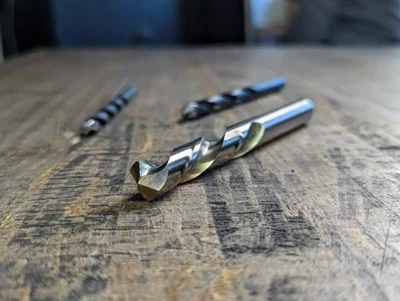
A twist drill bit is one of the most common types of drill bits used for creating holes in various materials. It is characterized by its helical shape and spiral flutes, which help remove material as it cuts. Here's a detailed look at what a twist drill bit is, its features, and its applications:
Features of Twist Drill Bits
1.Spiral Flutes:
Design: Twist drill bits have spiral grooves (flutes) that run along the length of the bit. These flutes help remove chips and debris from the hole, ensuring smooth drilling.
Function: The flutes also provide a path for cutting fluid to reach the cutting edges, reducing heat buildup and extending the life of the bit.
2.Point Angle:
Standard Angle: Most twist drill bits have a point angle of 118 degrees. This angle is suitable for general-purpose drilling in wood, metal, and plastic.
Special Angles: Some bits have a 135-degree split point, which is designed for drilling into harder materials like stainless steel. The split point helps the bit self-center and reduces bit walking.
3.Material:
High-Speed Steel (HSS): The most common material for twist drill bits. HSS bits are durable and can withstand high temperatures, making them suitable for a wide range of materials.
Cobalt: For harder materials like stainless steel, cobalt bits are often used. They offer higher durability and heat resistance compared to standard HSS bits.
Carbide: Carbide-tipped twist bits are used for drilling into extremely hard materials like concrete or cast iron.
4.Shank:
Straight Shank: Most twist drill bits have a straight shank, which fits into standard drill chucks.
Hex Shank: Some bits have a hexagonal shank, which provides a better grip and prevents slipping in the chuck.
Applications of Twist Drill Bits
1.Woodworking:
General Drilling: Twist drill bits are used for creating holes in wood for screws, dowels, and other fasteners.
Pilot Holes: They are ideal for drilling pilot holes to prevent wood from splitting.
2.Metalworking:
General Drilling: Suitable for drilling holes in softer metals like aluminum, brass, and mild steel.
Tapping Holes: Twist drill bits are often used to create holes that will be tapped (threaded) for screws or bolts.
3.Plastic Drilling:
Smooth Finish: Twist drill bits can create smooth, clean holes in various types of plastic without causing cracking or melting.
4.General Construction:
Versatile Use: Ideal for a wide range of construction tasks, including drilling holes for anchors, installing fixtures, and running electrical or plumbing lines.
Advantages of Twist Drill Bits
1.Versatility:
Wide Range of Materials: Suitable for drilling into wood, metal, plastic, and some softer masonry materials.
Multiple Sizes: Available in a wide range of diameters, making them suitable for various hole sizes.
2.Durability:
High-Speed Steel: HSS bits are durable and can withstand high temperatures, reducing the risk of bit breakage.
Cobalt and Carbide: For harder materials, cobalt and carbide bits offer enhanced durability and heat resistance.
3.Efficiency:
Spiral Flutes: The flutes help remove chips and debris efficiently, ensuring smooth and consistent drilling.
Point Angles: The standard 118-degree point angle provides a good balance between cutting efficiency and durability.
Limitations
1.Hard Metals:
Less Suitable: For drilling into very hard metals like stainless steel or cast iron, more specialized bits (e.g., cobalt or carbide) are recommended.
Increased Wear: Twist drill bits may wear out faster when used on very hard materials.
2.Deep Holes:
Limited Depth: While twist drill bits are longer than some other types (e.g., stubby bits), they may still be too short for very deep holes. For such applications, extended length bits or auger bits may be more appropriate.
Tips for Using Twist Drill Bits
1.Secure the Bit:
Tighten the Chuck: Ensure the drill bit is securely tightened in the drill chuck to prevent slipping.
2.Mark the Spot:
Pilot Hole: Use a center punch to create a small indentation at the drilling spot to prevent the bit from slipping.
3.Drill at the Right Speed:
Adjust Speed: Use a slower speed for harder materials and a faster speed for softer materials.
4.Clear Debris Regularly:
Remove Chips: Periodically remove the bit from the hole to clear chips and debris, especially when drilling deep holes.
5.Use Lubricant:
Coolant: For metal drilling, use a cutting fluid or lubricant to reduce heat and extend the life of the bit.
what length drill bit to go through house wall
When drilling through a house wall, the length and size of the drill bit you need depend on the wall material and the purpose of the hole. Here's a detailed guide to help you choose the right drill bit:
Factors to Consider
1.Wall Material:
Drywall or Plaster: For drilling into drywall or plaster, a smaller drill bit size is typically used. A common size is 1/8 inch to 1/4 inch in diameter.
Wood: For wood walls, a slightly larger drill bit size is appropriate. A 1/4 inch to 3/8 inch drill bit is commonly used.
Masonry (Concrete or Brick): For drilling into masonry, you will need a carbide or diamond-tipped drill bit. These bits are available in sizes ranging from 1/4 inch to 1/2 inch.
2.Purpose of the Hole:
Small Holes for Anchors or Screws: For small holes intended for anchors or screws, a 1/8 inch to 1/4 inch drill bit is usually sufficient.
Larger Holes for Cables or Pipes: For larger holes, such as those needed for routing cables or installing pipes, you may need a drill bit ranging from 1/4 inch to 1/2 inch.
3.Depth of the Hole:
Mark the Bit: To ensure you drill to the correct depth, mark the drill bit with tape to indicate the desired depth. This prevents over-drilling.
Recommended Drill Bit Sizes
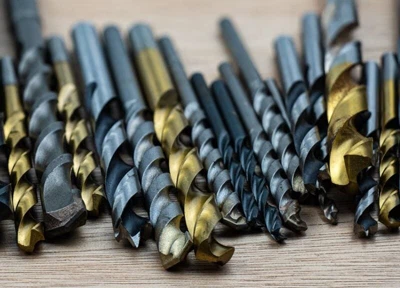
For Drywall or Plaster: 1/8 inch to 1/4 inch.
For Wood: 1/4 inch to 3/8 inch.
For Masonry: 1/4 inch to 1/2 inch.
what nail drill bits are for what
Nail drill bits are essential tools used in nail salons and for personal nail care. They are designed to fit into electric nail drills and perform a variety of tasks, including shaping, filing, removing acrylics and gels, and preparing the nail bed. Here's a detailed guide on the different types of nail drill bits and their specific uses:
Types of Nail Drill Bits and Their Uses
1. Mandrel Bits
Material: Metal or rubber.
Use: Mandrel bits are used with sanding bands to shape and smooth natural nails. They do not directly touch the nail surface.
Features: Sanding bands come in various grit levels and are ideal for surface work.
2. Barrel Bits
Material: Carbide or ceramic.
Use: Barrel bits are versatile and used for general nail shaping, backfill cutting, and creating smile lines. They are not suitable for cuticle work due to their abrasiveness.
Features: Available in different grit levels, ideal for both acrylic and natural nails.
3. Needle Bits (Under the Nail Cleaner)
Material: Carbide.
Use: These narrow bits are designed for cleaning under the nail, removing dead skin from the sidewalls, and general nail prep.
Features: Ideal for precise work in tight spaces.
4. Cuticle Cleaner Bits (Snake Head)
Material: Carbide.
Use: These bits are used for cleaning and prepping the cuticle area to prevent lifting and ensure a longer-lasting manicure.
Features: Prevents damage to the natural nail while preparing the cuticle.
5. Cone Bits
Material: Carbide.
Use: Cone bits are used for cleaning under the nail, shaping sidewalls, and preparing toenails. They are too abrasive for cuticle and natural nail work.
Features: Tapered point for precise cleaning and shaping.
6. Tapered Barrel Bits
Material: Carbide.
Use: These bits are used for cuticle and sidewall prep, surface work, and in-fills. They have a flatter top compared to cone bits.
Features: Suitable for a variety of nail services.
7. Safety Bits
Material: Carbide.
Use: Safety bits are used for cleaning cuticles and sidewalls without damaging the nail. They are also suitable for in-fill work.
Features: Rounded top for safe and effective cleaning.
8. Flame Bits
Material: Carbide.
Use: Flame bits are used for removing hangnails and cuticle work. The smaller version is ideal for cuticle care, while the larger bit is used on acrylics and polygel.
Features: Effective for precise shaping and removal of excess skin.
9. Ball Shape Bits
Material: Ceramic.
Use: These bits are used for cleaning hard skin around the nail and removing loose cuticle.
Features: Rounded shape for gentle and effective cleaning.
10. Maintenance/Backfill Bits
Material: Carbide.
Use: These bits are used for replacing white tips or redoing smile lines on acrylic nails.
Features: Ideal for maintenance tasks on artificial nails.
11. 5-in-1 Carbide Bits
Material: Carbide.
Use: These versatile bits are used for shaping acrylics, removing hard gel, shortening nails, cleaning cuticles, and prepping the nail bed.
Features: Multi-purpose design for a variety of nail care tasks.
Tips for Using Nail Drill Bits
Choose the Right Grit: Coarse bits (80-150 grit) are ideal for shaping and removing thick products, while fine bits (320-600 grit) are perfect for smoothing and polishing.
Clean and Sanitize: Regular cleaning and sanitizing of drill bits are essential to maintain hygiene and prolong their lifespan.
Practice Proper Technique: Using the correct bit for each task ensures better results and minimizes the risk of damage to the natural nail.
what size drill bit for
To determine the appropriate size drill bit for your specific task, you need to consider the material you are drilling into and the purpose of the hole. Here are some general guidelines for selecting the right drill bit size:
For Screws:
Wood Screws: Use a drill bit that is slightly smaller than the screw's shank. For example, for a #8 wood screw, a 5/32-inch drill bit is commonly used.
Sheet Metal Screws: Use a drill bit that matches the screw's thread size. For example, for a #8 sheet metal screw, a 3/16-inch drill bit is typically used.
Machine Screws: Use a tap drill size that corresponds to the screw's thread size. For example, for a 1/4-20 machine screw, a 21/64-inch drill bit is recommended.
For Taps:
Metric Taps: Use a drill bit that matches the tap's recommended drill size. For example, for an M8 tap, a 6.8 mm drill bit is commonly used.
Imperial Taps: Use a drill bit that matches the tap's recommended drill size. For example, for a 1/4-20 tap, a 21/64-inch drill bit is recommended.
For Holes:
General Drilling: Choose a drill bit size based on the diameter of the hole you need. For example, if you need a 1/2-inch hole, use a 1/2-inch drill bit.
Countersinking: Use a countersink bit that matches the angle of the countersink you need. For example, a 82-degree countersink bit is commonly used for flat-head screws.
For Specific Applications:
Drywall: Use a 1/8-inch to 1/4-inch drill bit for small holes, or a 3/8-inch to 1/2-inch drill bit for larger holes.
Wood: Use a 1/4-inch to 3/8-inch drill bit for general drilling.
Metal: Use a 1/8-inch to 1/4-inch drill bit for thin metal, or a 3/16-inch to 1/2-inch drill bit for thicker metal.
Masonry: Use a 1/4-inch to 1/2-inch carbide-tipped drill bit for drilling into concrete or brick.

Tips for Choosing the Right Drill Bit Size:
Consult a Drill Bit Size Chart: Use a drill bit size chart to find the appropriate size for your specific task.
Consider the Material: Different materials require different drill bit sizes and types.
Check the Tool Specifications: If you are drilling for a specific tool or hardware, check the manufacturer's recommendations for the correct drill bit size.
how to drill a hole with a drill bit
Drilling a hole with a drill bit is a common task in many DIY and professional projects. Here's a step-by-step guide to help you drill a hole accurately and safely:
Step-by-Step Guide to Drilling a Hole
1. Gather Your Tools
Drill: Ensure you have the right type of drill for the job (e.g., hammer drill for masonry).
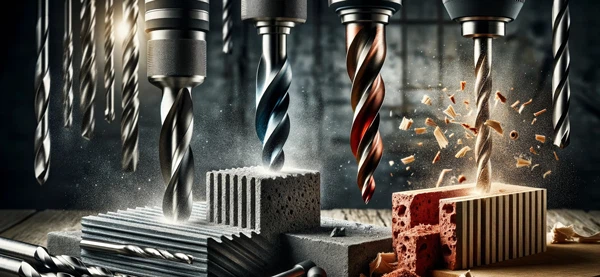
Drill Bit: Choose the appropriate drill bit for the material you are drilling into (e.g., HSS for metal, carbide for masonry).
Safety Gear: Wear safety goggles, gloves, and a dust mask if necessary.
Measuring Tools: Pencil, marker, or tape measure.
Clamps or Vise: To secure the workpiece if needed.
2. Mark the Spot
Measure and Mark: Use a pencil or marker to mark the exact spot where you want to drill the hole.
Center Punch: For metal, use a center punch to create a small indentation at the marked spot. This helps the drill bit start accurately and prevents slipping.
3. Secure the Workpiece
Clamp or Vise: Secure the workpiece to prevent it from moving while drilling. This is especially important for small or irregularly shaped objects.
Stable Surface: Ensure the workpiece is on a stable, flat surface.
4. Insert the Drill Bit
Attach the Bit: Insert the drill bit into the drill chuck and tighten it securely. Make sure the bit is fully seated in the chuck.
Check Alignment: Ensure the drill bit is perpendicular to the workpiece. This is crucial for drilling a straight hole.
5. Start Drilling
Low Speed: Begin drilling at a low speed to start the hole. This helps the bit engage properly and prevents slipping.
Apply Gentle Pressure: Apply gentle, consistent pressure to the drill. Let the bit do the work; avoid forcing it.
Increase Speed: Once the bit has engaged and the hole is started, you can gradually increase the speed.
6. Clear Debris
Periodic Withdrawal: Periodically withdraw the drill bit to clear out chips and debris. This helps prevent the bit from overheating and clogging.
Blow Out Debris: Use compressed air or a brush to remove debris from the hole.
7. Monitor Depth
Depth Stop: If your drill has a depth stop, use it to control the drilling depth. Otherwise, measure the depth periodically with a ruler or depth gauge.
Mark the Bit: You can also mark the drill bit with tape to indicate the desired depth.
8. Finish the Hole
Final Pass: Once you reach the desired depth, carefully withdraw the drill bit. Avoid sudden movements that could damage the hole or the bit.
Inspect the Hole: Check the hole for smoothness and accuracy. If necessary, use a countersink or reamer to clean up the edges.
Tips for Successful Drilling
Use Lubricant: For metal drilling, use cutting fluid or oil to reduce heat and friction.
Cool the Bit: For masonry or hard materials, periodically cool the bit with water to prevent overheating.
Be Patient: Take your time, especially when drilling through hard materials. Patience helps prevent mistakes and damage to the bit or workpiece.
Practice: If you're new to drilling, practice on scrap material to get a feel for the process.
how to organize drill bits
Organizing drill bits is essential for maintaining their condition and ensuring you can find the right bit when you need it. Here are some effective methods and tips for organizing your drill bits:
1. Use a Drill Bit Organizer
A drill bit organizer is a tool specifically designed to hold and protect your drill bits. These organizers come in various forms, such as:
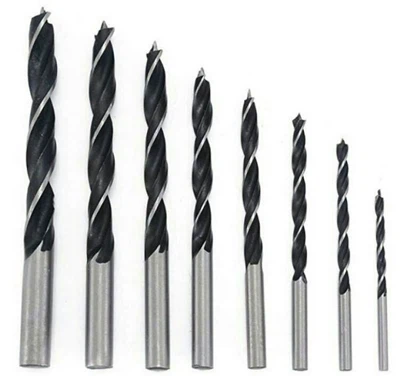
Plastic Cases: These cases have compartments for different sizes and types of bits.
Magnetic Strips: Magnetic strips can hold metal bits securely and are often used in toolboxes.
Tool Roll: A tool roll with pockets can keep your bits organized and prevent them from rolling around.
2. Label Your Bits
Labeling your drill bits can help you quickly identify the size and type of each bit. You can use:
Permanent Marker: Write the size directly on the bit or on a label.
Color-Coded Labels: Use different colors to indicate different types or sizes of bits.
3. Sort by Size and Type
Organize your drill bits by size and type to make it easier to find the one you need:
Fractional Sizes: Group bits by their fractional sizes (e.g., 1/16 inch, 1/8 inch).
Decimal Sizes: Group bits by their decimal sizes (e.g., 0.0135 inch, 0.019 inch).
Metric Sizes: Group bits by their metric sizes (e.g., 1.0 mm, 1.5 mm).
4. Use a Magnetic Bit Holder
A magnetic bit holder can keep your bits organized and within reach. These holders are often mounted on toolboxes or workbenches and can hold a variety of bits securely.
5. Store in a Toolbox or Drawer
Keep your drill bits in a designated toolbox or drawer to prevent them from getting lost or damaged. Use dividers or compartments to separate different sizes and types of bits.
6. Hang Bits on a Pegboard
If you have a pegboard in your workshop, you can hang your drill bits using hooks or pegs. This method keeps your bits visible and easily accessible.
7. Use a Bit Rack
A bit rack is a simple and effective way to organize your drill bits. These racks can be mounted on walls or placed on workbenches and have slots for different sizes of bits.
8. Regular Maintenance
Regularly inspect your drill bits for wear and damage. Sharpen or replace bits as needed to ensure they are in good condition. Keeping your bits clean and free of debris can also extend their lifespan.
how to use reverse drill bit
Using a reverse drill bit is a useful technique for removing stuck or stripped screws, bolts, or even extracting a drill bit that has become lodged in the material. Here's a step-by-step guide on how to effectively use a reverse drill bit:
Step-by-Step Guide to Using a Reverse Drill Bit
1. Select the Right Size
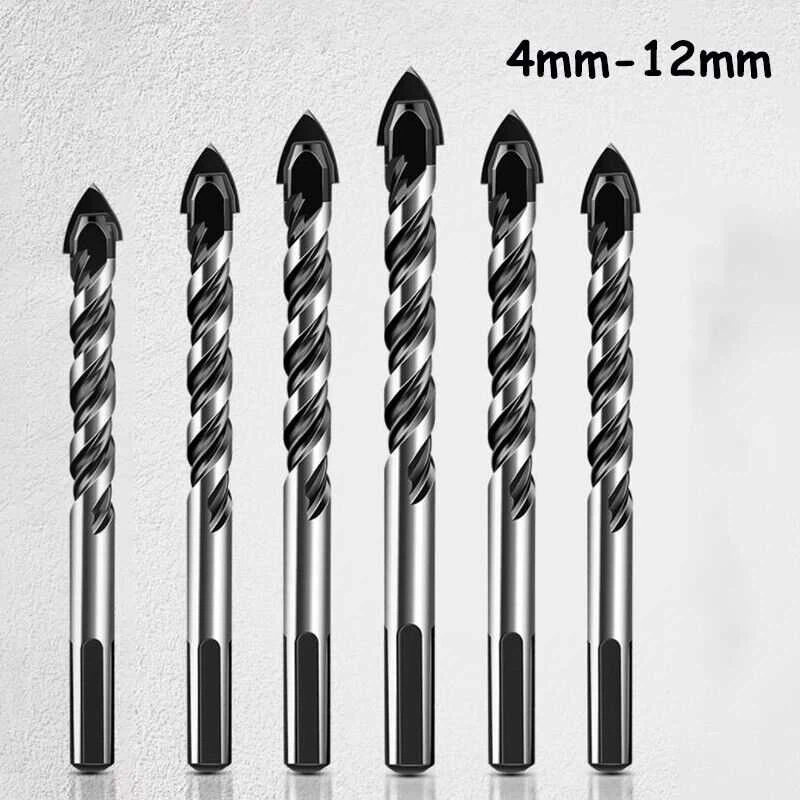
Choose a reverse drill bit that matches the size of the screw, bolt, or drill bit you need to remove.
2. Prepare the Drill
Check the Power Source: Ensure your drill is turned off and unplugged (for corded drills) or has a charged battery (for cordless drills).
Inspect the Bit: Make sure the reverse drill bit is in good condition and securely inserted into the drill chuck.
3. Locate the Reverse Switch
Identify the Switch: Most drills have a forward/reverse switch, usually located near the trigger or on the side of the drill. Familiarize yourself with its location.
Switch to Reverse: Slide or press the switch to the reverse position. You should hear a click or see an indicator light showing that the direction has changed.
4. Test the Direction
Test the Drill: With the drill in a safe position (not in contact with any material), pull the trigger slightly to confirm that the drill spins in the reverse direction.
5. Begin Drilling in Reverse
Align the Bit: Position the drill bit over the screw, bolt, or stuck drill bit you need to remove.
Apply Gentle Pressure: Start the drill at a low speed and apply gentle pressure. Allow the bit to engage with the material.
6. Monitor Progress
Watch for Binding: Keep an eye out for any resistance or binding. If the drill starts to struggle, stop and assess the situation.
Clear Debris: If you encounter chips or debris, consider stopping to clear them out.
7. Complete the Operation
Finish Drilling: Once the screw, bolt, or stuck bit starts to loosen, continue until it is fully removed.
Return to Forward Direction: If you need to continue drilling in the forward direction, switch the reverse switch back to the forward position.
Safety Tips
Wear Safety Gear: Always wear safety goggles to protect your eyes from flying debris.
Secure the Workpiece: Ensure the workpiece is firmly clamped or secured to prevent it from moving.
Avoid Over-Tightening: When using reverse mode to loosen fasteners, avoid overtightening them in the opposite direction.
Practical Applications
Removing Stuck Drill Bits: If a drill bit becomes lodged in the material, reversing the drill can help loosen it without causing damage.
Unscrewing Stripped Screws: Reverse drilling can help remove screws or bolts that are stripped or difficult to remove.
Clearing Debris from Holes: Reverse drilling can assist in clearing chips and debris from the hole, especially in deeper or more complicated drilling operations.
how to use a hole saw drill bit
Using a hole saw drill bit effectively requires careful preparation and technique to ensure clean, accurate cuts. Here's a step-by-step guide to help you use a hole saw drill bit properly:
Preparation
1.Select the Right Hole Saw:
Choose a hole saw that matches the material you are cutting. For example, bi-metal saws are suitable for wood or aluminum, while carbide-tipped bits are better for stainless steel and plastic.
2.Secure the Material:
Clamp the material to a stable workbench to prevent it from moving while drilling.
3.Mark the Center:
Clearly mark the center of the hole you plan to cut. Use a pencil or marker for wood and plastic, or a scribe for metal.
Assembly
4.Attach the Hole Saw:
Insert the pilot bit through the back of the hole saw.
Screw the hole saw onto the arbor's thread, ensuring it is not bottomed out on the threads.
Align the pins with the holes on the back of the saw and push the collar upward to secure it.
Insert the arbor shank into your drill's chuck and tighten.
Drilling
5.Start with a Pilot Hole:
Drill a small pilot hole at the center mark using the pilot bit. This will guide the hole saw and keep it centered.
6.Set the Right Speed:
Adjust the drill speed according to the material:
Wood: 1500 RPM
Aluminum: 400 RPM
Mild Steel: 150 RPM
Stainless Steel: 50 RPM.
7.Begin Drilling:
Start drilling slowly to ensure the hole saw cuts in the correct spot and doesn't wander.
Apply gentle pressure and keep the drill perpendicular to the surface to avoid crooked or oversized holes.
8.Drill from Both Sides:
If possible, drill halfway through the material from one side, then flip the material over and continue drilling from the other side. This reduces splintering and ensures a clean cut.
Maintenance and Safety
9.Pause to Clear Debris:
Periodically pull the hole saw out to clear away dust and chips, especially when working with metals.
Use cutting oil for materials thicker than 1/8 inch to keep the blade cool and lubricated.
10.Remove the Plug:
If you cannot drill from both sides, remove the plug from the hole saw using a screwdriver once the material has cooled.
11.Safety Precautions:
Wear safety goggles, ear protection, gloves, and non-slip footwear.
Keep loose clothing and long hair tied back to prevent accidents.


