

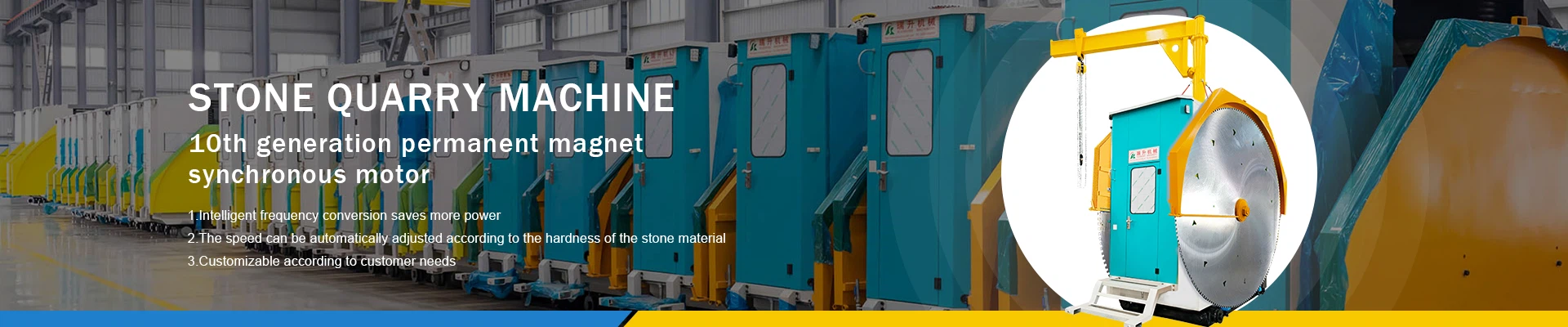
You can cut granite at several places depending on your needs and preferences:
Professional Granite Cutting Services
Local Stone Fabricators: These professionals specialize in cutting and installing granite countertops. They have the necessary tools and expertise to ensure precise cuts and a polished finish.
Countertop Installers: Many countertop installers offer on-site cutting services for sinks, cooktops, and other fixtures.
Granite Cutting Factories: These facilities are equipped with advanced machinery to cut granite slabs into slabs, tiles, and other forms.

Home Improvement Stores
Some home improvement stores offer granite cutting services or can refer you to professionals who can handle the cutting.
DIY Cutting
If you have the right tools and experience, you can cut granite yourself. However, this requires specialized equipment like a wet saw or circular saw with a diamond blade.For safety and precision, it's often best to leave this task to the professionals.
On-Site Cutting
For modifications to existing granite countertops, such as cutting holes for sinks or cooktops, hiring a professional granite contractor for on-site cutting is recommended.
which is easier to cut quartz or granite
Cutting quartz is generally easier than cutting granite due to several factors:
Hardness
Quartz: Quartz has a Mohs hardness of 7, making it harder than granite.
Granite: Granite has a Mohs hardness of 6 to 6.5.This lower hardness means that granite is slightly softer and can be more challenging to cut.
Cutting Tools
Quartz: Due to its higher hardness, cutting quartz requires specialized tools like diamond blades.
Granite: Cutting granite also requires diamond blades, but the process can be more difficult due to the stone's lower hardness.

Maintenance and Repair
Quartz: Quartz is less porous and does not require sealing, making it easier to maintain.
Granite: Granite is more porous and requires periodic sealing to prevent stains.
Overall
While both materials require specialized tools for cutting, quartz is slightly harder and more resistant to scratches and stains, making it easier to cut and maintain.However, the choice between quartz and granite often comes down to personal preference and specific project needs.
who cut granite
To cut granite, you can hire professional granite cutters or use specialized tools and techniques. Here are some options based on the latest information:
Professional Granite Cutting Services
Professional granite cutters can accurately cut granite countertops to your specifications. They use specialized tools like diamond blades, wet saws, and CNC machines to ensure precision and minimize the risk of damage.
On-Site Cutting
For modifications to existing granite countertops, such as cutting holes for sinks or cooktops, hiring a local granite countertop installer for on-site cutting is recommended. This ensures a perfect fit and prevents damage during transport.
DIY Cutting
While it is possible to cut granite yourself using a circular saw or angle grinder with a diamond blade, this is generally not recommended for beginners due to the risk of damage and the need for specialized equipment.
Tools for Cutting Granite
Diamond Blades: Essential for cutting granite due to their hardness and durability.
Wet Saws: Use water to cool the blade and reduce dust.
CNC Machines: Highly precise for custom designs and intricate cuts.

Finding a Professional Granite Cutter
Word of Mouth: Ask friends and family for referrals.
Home Improvement Stores: Check with your countertop supplier or home improvement store for recommendations.
Online Reviews: Read reviews and check the profiles of local granite cutting services.
why can't copper cut granite
Copper cannot cut granite effectively due to the significant difference in hardness between the two materials. Here's a detailed explanation:
Hardness Comparison
Granite: Granite is an extremely hard material with a Mohs hardness of around 6 to 7. This makes it highly resistant to scratching and cutting.
Copper: Copper is much softer, with a Mohs hardness of around 3. This means it is not hard enough to cut through granite.
Why Copper Is Not Suitable for Cutting Granite
Hardness Difference: The hardness of granite is significantly higher than that of copper. This means that copper tools will wear down quickly when attempting to cut granite.
Tool Wear: Copper tools are not durable enough to withstand the hardness of granite. They will become dull and ineffective very quickly.
Cutting Efficiency: Cutting granite requires a material that is harder than the stone itself. Copper does not meet this requirement, making it inefficient for cutting granite.
Tools Suitable for Cutting Granite
To cut granite, specialized tools made from materials harder than granite are required. Here are some common tools and methods used for cutting granite:
Diamond Blades: Diamond is significantly harder than granite (Mohs hardness of 10), making diamond blades the most effective tool for cutting granite. These blades are available for both wet and dry cutting methods.
Wet Saws: Wet saws use water to cool the diamond blade and reduce dust, making the cutting process cleaner and safer.
Circular Saws: Circular saws with diamond blades can also be used but generate more dust and require more frequent blade cooling.
Angle Grinders: Angle grinders fitted with diamond blades are versatile tools for cutting and shaping granite, especially for smaller projects or detailed work.

Safety and Precautions
Protective Gear: Always wear safety goggles, gloves, and a dust mask to protect against flying debris and dust inhalation.
Ventilation: Ensure proper ventilation in your workspace to avoid inhaling harmful dust particles.
Cooling: Use water or other cooling methods to prevent overheating of the cutting tool and the granite.
Conclusion
Copper cannot cut granite due to its lower hardness and inability to withstand the hardness of granite. For cutting granite, it is essential to use specialized tools like diamond blades, wet saws, or angle grinders. These tools are designed to handle the hardness and density of granite, ensuring efficient and precise cuts.
why you're not making money cutting granite
Making money from cutting granite can be challenging due to several factors. Here are some common reasons why you might not be making as much money as you expected:
1. High Initial Investment
Equipment Costs: Cutting granite requires specialized tools like diamond blades, wet saws, and CNC machines, which can be expensive.
Safety Gear: Safety equipment such as goggles, gloves, and dust masks are essential but add to the initial costs.
2. Labor-Intensive Process
Skill and Experience: Cutting granite requires precision and skill, which can take time to develop. Inexperienced workers may not be as efficient.
Time-Consuming: Cutting granite is a slow process, especially when using manual tools. This can limit the number of projects you can complete in a day.
3. Market Competition
Local Competition: There may be many other granite fabricators in your area, making it difficult to stand out and attract clients.
Price Pressure: Clients may be price-sensitive and look for the cheapest option, which can reduce your profit margins.
4. Material Costs
High Material Prices: Granite slabs can be expensive, especially for high-quality or rare types.
Waste Management: Cutting granite generates waste material, which can be costly to dispose of properly.
5. Overhead Costs
Rent and Utilities: If you have a workshop, rent and utility bills can add up quickly.
Insurance: Liability and workers' compensation insurance can be expensive, especially for high-risk industries like stone fabrication.
6. Marketing and Sales
Client Acquisition: Attracting and retaining clients can be challenging, especially if you don't have a strong marketing strategy.
Customer Retention: Building a loyal customer base takes time and consistent quality service.
7. Regulatory and Compliance Costs
Permits and Licenses: Operating a granite cutting business requires various permits and licenses, which can be costly.
Safety Regulations: Compliance with safety regulations and OSHA standards can add to operational costs.
Tips to Improve Profitability
Optimize Processes: Streamline your cutting and fabrication processes to reduce time and increase efficiency.
Diversify Services: Offer additional services like polishing, installation, and repairs to increase revenue streams.
Target High-End Clients: Focus on high-end clients who are willing to pay a premium for quality work.
Effective Marketing: Invest in marketing to build your brand and attract more clients.
Cost Management: Keep track of your expenses and look for ways to reduce costs without compromising quality.
will a granite hole saw cut through brick
A granite hole saw can cut through brick. However, the effectiveness depends on the type of hole saw and the specific conditions of the brick. Here's a detailed explanation:
Types of Hole Saws Suitable for Cutting Brick
Diamond-Tipped Hole Saws:
Description: These hole saws are designed for cutting through hard materials like granite, brick, and concrete. They are highly effective and provide clean, precise cuts.
Pros: Long-lasting, suitable for hard materials, provides smooth cuts.
Cons: More expensive than other types of hole saws.
Usage: Ideal for cutting holes in brick, especially for tasks like installing faucets or other fixtures.
Carbide-Tipped Hole Saws:
Description: Carbide-tipped hole saws are another option for cutting through brick. They are more affordable and widely available.
Pros: Cost-effective, suitable for less dense bricks.
Cons: May wear out faster than diamond-tipped saws when cutting through very hard bricks.
Usage: Suitable for cutting standard bricks but may struggle with highly dense or industrial-grade bricks.
Tips for Cutting Brick with a Hole Saw
Choose the Right Tool: For cutting brick, a diamond-tipped hole saw is generally recommended due to its durability and ability to cut through hard materials.
Use a Pilot Hole: Start by drilling a pilot hole using a masonry bit. This helps guide the hole saw and prevents it from slipping.
Apply Lubricant: Use water or cutting oil to keep the hole saw cool and reduce friction. This helps prevent overheating and extends the life of the tool.
Cut Slowly and Steadily: Apply gentle, steady pressure and let the hole saw do the work. Avoid forcing the saw, as this can cause it to bind or overheat.
Clear Debris: Periodically stop to clear debris from the hole to maintain cutting efficiency.
Safety Precautions
Wear Protective Gear: Always wear safety glasses, gloves, and a dust mask to protect against flying debris and dust inhalation.
Ventilation: Ensure proper ventilation to avoid inhaling dust particles.
will a granite store cut stone
Many granite stores and fabricators offer cutting services for stone, including granite. Here are some options and considerations:
Professional Granite Cutting Services
Local Stone Fabricators: These professionals specialize in cutting and installing granite countertops. They have the necessary tools and expertise to ensure precise cuts and a polished finish.
Countertop Installers: Many countertop installers offer on-site cutting services for sinks, cooktops, and other fixtures. This ensures a perfect fit and prevents damage during transport.

On-Site Cutting
For modifications to existing granite countertops, such as cutting holes for sinks or cooktops, hiring a local granite countertop installer for on-site cutting is recommended. This ensures a perfect fit and prevents damage during transport.
DIY Cutting
While it is possible to cut granite yourself using a circular saw or angle grinder with a diamond blade, this is generally not recommended for beginners due to the risk of damage and the need for specialized equipment.
Finding a Professional Granite Cutter
Word of Mouth: Ask friends and family for referrals.
Home Improvement Stores: Check with your countertop supplier or home improvement store in case they have a relationship with a countertop contractor.
Online Reviews: Read reviews and check the profiles of local granite cutting services.
Cost Considerations
The cost to have granite cut can vary based on factors such as the complexity of the cuts, the thickness of the slab, and the distance it needs to be transported.The average cost to have granite cut ranges from $50 to $150 per linear foot.
will a saw zaw cut granite
A sawzall (a type of reciprocating saw) can cut granite, but it requires the right type of blade and proper technique. Here's a detailed guide on how to use a sawzall to cut granite effectively:
Tools and Equipment Needed
Diamond Blade: Essential for cutting granite. Ensure the blade is designed for cutting stone.
Safety Gear: Safety goggles, gloves, dust mask, and ear protection.
Measuring and Marking Tools: Measuring tape, straight edge, and marker.
Clamps or Supports: To secure the granite slab during cutting.
Water Supply: To keep the blade cool and reduce dust (optional but recommended).
Steps to Cut Granite with a Sawzall
1.Measure and Mark:
Measure the granite slab accurately and mark the cut line with a marker. Use a straight edge to ensure the line is straight and precise.
Double-check measurements to avoid mistakes.
2.Secure the Slab:
Place the granite slab on a stable work surface and secure it with clamps to prevent movement during cutting.
3.Set Up the Sawzall:
Attach the diamond blade securely to the sawzall. Ensure the blade is in good condition and suitable for cutting granite.
4.Start Cutting:
Turn on the sawzall and let the blade reach full speed before starting the cut.
Guide the saw along the marked line, applying steady, even pressure. Do not force the blade through the granite.
5.Cooling and Dust Control:
If possible, use water to cool the blade and reduce dust. This can be done by having a helper apply water continuously to the cutting area or using a water-cooled sawzall.
For dry cutting, ensure proper ventilation to avoid inhaling dust particles.
6.Smooth the Edges:
After cutting, use a grinder with diamond pads to smooth any rough edges. Start with a coarser grit pad and progress to finer grits for a polished finish.
Safety Tips
Wear Protective Gear: Always wear safety goggles, gloves, and a dust mask to protect against flying debris and dust inhalation.
Use Proper Technique: Let the blade do the work and avoid applying excessive force, which can cause the blade to bind or the granite to crack.
Ventilation: Ensure proper ventilation in your workspace to avoid inhaling dust particles.
Additional Tips
Practice on Scrap Material: If you are new to cutting granite, practice on scrap material before cutting your final piece.
Consult Professionals: For large or complex projects, consider consulting or hiring a professional stone fabricator to ensure precision and safety.
will a turbo blade cut granite smoothly
A turbo blade can cut granite smoothly, but the smoothness of the cut depends on several factors, including the blade's quality and the cutting technique used. Here are some key points:
Blade Design: Turbo blades are designed with a serrated edge that combines the features of segmented and continuous rim blades. This design allows for faster cutting while maintaining a relatively smooth finish compared to segmented blades. For example, the Excel® Turbo Diamond Blade is engineered for speed, precision, and smooth cutting results, even on tough materials like granite.
Diamond Concentration and Quality: High-quality turbo blades with a higher diamond concentration can provide smoother cuts and last longer. The diamonds on the blade help to cut through the granite efficiently and reduce chipping.
Cutting Conditions: Using a turbo blade for wet cutting can help achieve a smoother finish. Water cools the blade and removes debris, which can improve cutting smoothness and reduce wear on the blade.
Blade Speed and Technique: Cutting at an appropriate speed and using proper technique can also contribute to a smoother cut. Starting slowly and maintaining consistent blade depth can help avoid chipping and ensure a clean finish.
will a wet saw cut granite
A wet saw is an excellent tool for cutting granite, and it is commonly used by professionals and DIY enthusiasts alike. Here's why a wet saw works well for cutting granite:
1. Cooling and Lubrication
Water Cooling: Granite is a very hard material, and cutting it generates a lot of heat. A wet saw uses water to cool the blade during the cutting process. This helps prevent the blade from overheating and reduces the risk of damaging the blade or the granite.
Lubrication: The water also acts as a lubricant, reducing friction between the blade and the granite. This helps the blade cut more smoothly and efficiently.
2. Reduced Friction and Wear
Smooth Cutting: The combination of water and the diamond blade reduces friction, allowing for a smoother and more precise cut. This is especially important for granite, which can be prone to chipping if not cut properly.
Extended Blade Life: By reducing heat and friction, the wet saw helps extend the life of the diamond blade. This means you can make more cuts before needing to replace the blade.
3. Dust Suppression
Cleaner Work Environment: Cutting granite dry produces a lot of dust, which can be harmful to your respiratory system and make the work area messy. A wet saw significantly reduces dust by keeping the cutting area wet, making it safer and cleaner to work with.
Better Visibility: With less dust in the air, you can see the cutting line more clearly, which helps ensure a more accurate cut.
4. Types of Cuts
Straight Cuts: Wet saws are ideal for making straight cuts in granite. They are precise and can handle the thickness and hardness of the material.
Curved Cuts: Some wet saws come with adjustable guides or can be used with templates to make curved cuts. This is useful for creating custom shapes and designs in granite.
5. Safety and Precision
Safety: The water helps stabilize the cutting process, reducing the risk of the blade binding or kicking back. This makes the wet saw a safer option for cutting granite compared to dry cutting methods.
Precision: Wet saws are designed to be highly precise, allowing for accurate cuts and minimal waste. This is especially important when working with expensive materials like granite.
will cutting on granite dull knives
Cutting on granite will almost certainly dull knives very quickly. Here's why:
1. Granite's Hardness
Granite is an extremely hard material, with a Mohs hardness rating of around 6 to 7. This means it is much harder than most kitchen knives, which are typically made of steel or other softer materials. When you cut on granite, the hardness of the surface can cause the knife's edge to wear down rapidly.
2. Abrasive Nature
Granite is abrasive due to its mineral content (such as quartz and feldspar). These minerals can scratch and wear away the softer metal of the knife blade. Even a few cuts on a granite surface can cause significant damage to the knife's edge.
3. Impact on Knife Edge
Chipping: The hardness of granite can cause the knife edge to chip or develop micro-fractures. This is especially true if the knife is not sharp or if it is used with excessive force.
Loss of Sharpness: The abrasive nature of granite will quickly dull the knife's edge. A sharp knife will become less effective after just a few uses on granite.

4. Material Comparison
Steel Knives: Most kitchen knives are made from stainless steel or high-carbon steel. These materials are much softer than granite and will dull quickly when used on a hard surface.
Ceramic Knives: Even ceramic knives, which are harder than steel, can still be damaged by granite. While they may not dull as quickly, they can chip or crack if used improperly on a hard surface.
5. Alternative Cutting Surfaces
To maintain the sharpness and longevity of your knives, it is recommended to use softer cutting surfaces such as:
Wood Cutting Boards: Wood is a softer material that allows knives to glide smoothly without dulling the edge.
Plastic Cutting Boards: Plastic is also a good option, as it is less abrasive than granite.
Composite Cutting Boards: These are made from materials like bamboo or engineered plastics, which are gentle on knives.
Tips to Protect Your Knives
Avoid Cutting on Granite: If possible, avoid using granite countertops as a cutting surface. Instead, use a dedicated cutting board.
Use a Trivet or Mat: If you must cut on a granite surface, place a cutting mat or trivet between the knife and the countertop to reduce direct contact.
Regular Sharpening: Keep your knives sharp. A sharp knife will require less force, reducing the wear on the blade.
Proper Storage: Store knives in a knife block, sheath, or on a magnetic strip to protect the edges from damage.
will lowes cut granite
Lowe's does not typically offer granite cutting services directly within its stores. However, Lowe's may refer you to professional stone fabricators or installers who specialize in cutting and installing granite countertops.
Here's what you need to know:
Professional Referrals: Lowe's can often provide recommendations for local stone fabricators who can handle the cutting and installation of granite countertops. These fabricators usually have the necessary equipment and expertise to cut granite accurately.
Custom Cutting: If you need custom cuts for your granite, such as for a kitchen countertop or backsplash, the fabricator will typically take measurements and create templates to ensure a precise fit.
Cost: The cost of cutting granite can vary depending on the complexity of the cuts and the size of the project. It's best to get a quote directly from the stone fabricator.
Installation: In addition to cutting, these professionals can also handle the installation of your granite countertops, ensuring they are properly sealed and fitted.
What to Do Next:
Contact Lowe's: Visit your local Lowe's store or call their customer service to ask for a referral to a reputable stone fabricator.
Get a Quote: Reach out to the fabricator to discuss your project and get a detailed quote for the cutting and installation services.
will tungsten carbide burr cut granite
Tungsten carbide burrs can be used to cut granite. Here are some key points about using tungsten carbide burrs for cutting granite:
1. Material Compatibility
Tungsten carbide is an extremely hard material, making it suitable for cutting hard stones like granite. It can handle the hardness and density of granite effectively.
2. Tool Characteristics
Hardness: Tungsten carbide burrs are known for their exceptional hardness and durability. They are much harder than high-speed steel (HSS) and can withstand high temperatures and wear.
Versatility: These burrs are available in various shapes and sizes, which makes them suitable for different cutting and shaping tasks on granite.
3. Cutting Performance
Efficiency: Tungsten carbide burrs can cut through granite with high efficiency. They are designed to remove material quickly and provide a smooth finish.
Durability: Due to their hardness and wear resistance, tungsten carbide burrs have a longer lifespan compared to other cutting tools. This makes them cost-effective for projects involving hard materials like granite.
4. Applications
Stone Carving: Tungsten carbide burrs are commonly used by stone carvers to create sculptures and intricate designs in granite.
Granite Countertops: They can be used for shaping and finishing granite countertops, including making precise cuts and smoothing edges.
5. Tips for Using Tungsten Carbide Burrs on Granite
Cooling and Lubrication: Using a coolant or lubricant, such as water, can help reduce heat and friction during cutting, which can extend the life of the burr and improve the finish.
Speed Control: Running the burr at an appropriate speed is important. For tungsten carbide burrs, a moderate to high RPM is typically recommended, but avoid excessive speed that can cause overheating.
Light Pressure: Apply light and consistent pressure while cutting. Let the burr do the work rather than forcing it through the material.
In summary, tungsten carbide burrs are well-suited for cutting granite due to their hardness, durability, and versatility. They can provide efficient material removal and a smooth finish, making them a popular choice for stone carving and countertop fabrication.


