

Hey there! As a supplier of drilling machines, I often get asked about the function of the switch on a drilling machine. Well, let's dive right into it.
First off, the switch on a drilling machine is like the gatekeeper of its power. It's the first thing you interact with when you want to use the drill. Without it, you'd be stuck with a pretty useless hunk of metal. When you flip that switch to the "on" position, it completes an electrical circuit (in the case of an electric drill) or allows the flow of compressed air (for pneumatic drills). This action activates the motor or the air - powered mechanism inside the drill, getting it ready to do its job.
For electric drills, the switch is usually connected to the power source through a cord. When you turn it on, electricity starts flowing from the outlet, through the cord, and into the drill's motor. The motor then converts this electrical energy into mechanical energy, which rotates the drill bit. It's a simple yet crucial process. And if you're using a cordless drill, the switch connects the battery to the motor, making it work in a similar way.
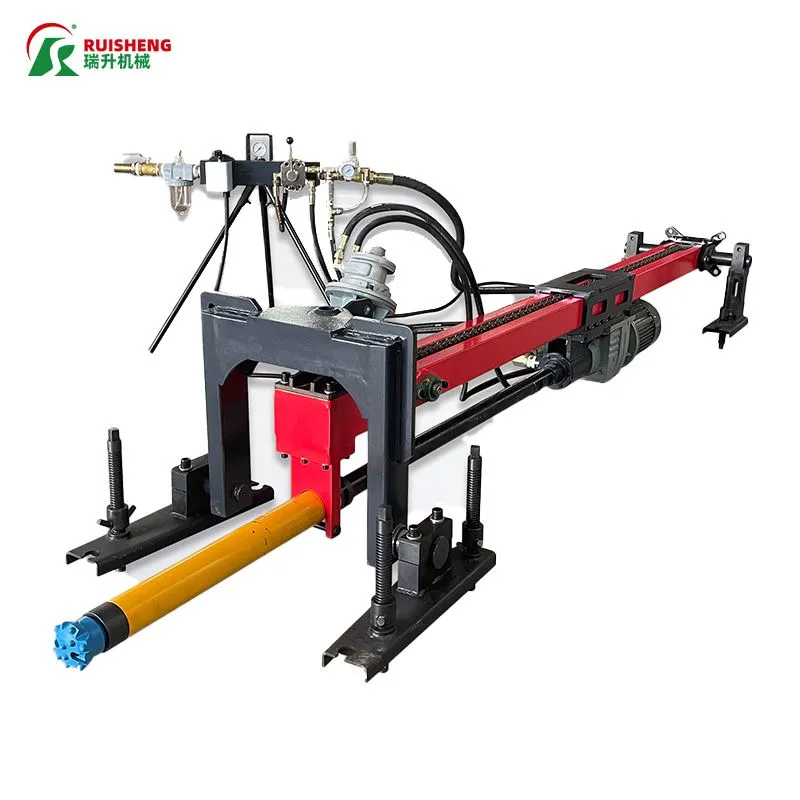

Pneumatic drills, on the other hand, rely on compressed air. The switch on a pneumatic drill controls the flow of this compressed air. When you turn the switch on, it opens a valve that allows the high - pressure air to enter the drill's internal components. This air pressure then drives the piston or other moving parts, causing the drill bit to spin. Pneumatic drills are often used in industrial settings, like mining. If you're in the stone mining business, you might be interested in our Pneumatic Drill Air Pick for Stone Mining. It's a powerful tool that can make your work much easier.
Now, let's talk about the different types of switches on drilling machines. There are two main types: the on - off switch and the variable - speed switch.
The on - off switch is the most basic type. It's a simple binary switch that either turns the drill on or off. It's great for tasks where you just need a constant speed, like drilling holes in wood or soft materials. You flip the switch, and the drill starts spinning at its set speed. When you're done, you flip it back off, and the drill stops. It's straightforward and easy to use, making it a popular choice for DIYers and casual users.
The variable - speed switch, on the other hand, gives you more control. With this type of switch, you can adjust the speed of the drill according to the task at hand. For example, when you're drilling into a hard material like metal, you might want to start at a lower speed to avoid overheating the drill bit or causing it to break. As you make some progress, you can gradually increase the speed. Conversely, when drilling into a soft material, you can set a higher speed right from the start. Our Portable DHT Drilling Machine comes with a variable - speed switch, allowing you to tackle a wide range of materials with ease.
Some switches also have a reverse function. This is really handy when you need to remove a stuck drill bit or back out a screw. By flipping the switch to the reverse position, the drill bit rotates in the opposite direction. It's a small but very useful feature that can save you a lot of time and hassle.
Another important aspect of the switch is its safety features. Most modern drilling machines have a safety lock or a trigger lock. The safety lock prevents the drill from accidentally turning on. You usually have to press a small button or slide a switch in addition to the main on - off switch to start the drill. This is a great way to avoid injuries, especially if there are kids or inexperienced users around. The trigger lock, on the other hand, allows you to keep the drill running continuously without having to hold down the switch all the time. This is useful for long - term drilling tasks.
The switch on a drilling machine also plays a role in controlling the torque. Torque is the rotational force that the drill bit applies. Some drills have a torque - control switch that allows you to adjust the amount of torque. This is important when you're working with different materials. For example, when you're screwing a small screw into a delicate piece of wood, you don't want too much torque, or you might damage the wood. By adjusting the torque - control switch, you can ensure that the drill applies just the right amount of force.
As a drilling machine supplier, we understand the importance of a reliable switch. That's why we offer a wide range of high - quality drilling machines with well - designed switches. Whether you're a professional contractor or a DIY enthusiast, we have the right drill for you. And if you're looking for a supplier of DTH drilling machines, check out our DTH Drilling Machine Suppliers page.
If you're in the market for a new drilling machine or just want to learn more about our products, don't hesitate to get in touch. We're here to help you find the perfect drill for your needs. Whether you have questions about the switch functions, the different types of drills, or anything else, our team of experts is ready to assist you. Just reach out, and we can start a conversation about your drilling requirements.
In conclusion, the switch on a drilling machine is not just a simple button. It's a crucial component that controls the power, speed, direction, and torque of the drill. It makes the drill safe to use and allows you to perform a wide variety of tasks. So, the next time you pick up a drill, take a moment to appreciate the humble switch that makes it all possible.
References
- General knowledge of drilling machine components and functions from industry experience.
