

You can add a thumb to an excavator. There are various types of excavator thumb attachments available, including mechanical and hydraulic models, which can significantly enhance the functionality of your machine. Here are some key points and options:
Types of Excavator Thumb Attachments
1.Mechanical Thumbs:
Operated manually and are suitable for lighter tasks.
Typically less expensive than hydraulic thumbs.
2.Hydraulic Thumbs:
Operated using the excavator's hydraulic system, allowing for more precise control.
Suitable for heavy-duty tasks and provide a stronger grip.
Applications
Construction: Ideal for handling materials like pipes, steel beams, and concrete debris.
Landscaping: Useful for moving rocks, logs, and tree stumps.
Demolition: Perfect for gripping and removing demolition debris.
Recycling: Helps in sorting and moving recyclable materials like metal, wood, and plastic.
Agriculture: Can be used for handling and transporting crops, hay bales, and other agricultural materials.
Installation
Compatibility: Ensure the thumb attachment is compatible with your excavator model. Some manufacturers offer universal fit options, while others are designed for specific models.
Installation Process: Hydraulic thumbs typically require auxiliary hydraulic connections. It's recommended to have the thumb installed by an experienced mechanic or dealer.
Benefits
Enhanced Material Handling: Improves the ability to grip and manipulate materials.
Increased Efficiency: Reduces the need for additional equipment and manual labor.
Versatility: Suitable for a wide range of applications.

Example Products
Kenco Hardrock Thumbs: Available in various widths (8 inch to 36 inch) and suitable for different excavator sizes.
Hixen Excavator Thumb Bucket: Offers multiple models with varying jaw openings and weight capacities.
AHM Hydraulic Thumb Clip Attachment: Designed for mini excavators, providing strong gripping ability and durability.
Conclusion
Adding a thumb to your excavator can greatly enhance its functionality and efficiency. Ensure you choose the right type of thumb attachment based on your specific needs and the capabilities of your excavator. If you need further assistance, consider consulting with a reputable dealer or mechanic.
can you haul a mini excavator in a dump trailer
You can haul a mini excavator in a dump trailer, but there are several important considerations to ensure safe and efficient transportation:
Key Considerations
1.Trailer Capacity:
Ensure the dump trailer has a sufficient weight capacity to handle the mini excavator. Mini excavators typically weigh between 1 ton and 5 tons. The trailer should have a weight rating that exceeds the weight of the excavator, including any attachments.
2.Trailer Type:
Flatbed Trailers: These are versatile and can handle various types of equipment. They are suitable for smaller mini excavators but may not provide the stability needed for larger models.
Tilt-bed Trailers: These trailers have a hydraulic bed that can be lowered, making it easier to load and unload heavier mini excavators.
Lowboy Trailers: These trailers have a lower deck height, which is ideal for transporting larger and heavier mini excavators.
3.Loading and Unloading:
Ensure the trailer has a suitable loading mechanism, such as hydraulic ramps or a tilting bed, to facilitate easy loading and unloading.
The loading process should be conducted on level ground, with the trailer and towing vehicle properly secured.
4.Securing the Excavator:
Use appropriate securing equipment, such as ratchet tie-downs or chains, to ensure the excavator is firmly secured during transport.
The Department of Transportation requires that each tie-down assembly must be rated for at least 50% of the cargo weight.
5.Legal and Safety Regulations:
Comply with local transportation regulations regarding weight limits, securing methods, and safety requirements.
Conduct a risk assessment and implement safety measures, such as wearing appropriate personal protective equipment (PPE) and having a designated spotter.

Example Products
DeSite XD35 Xtreme Duty Dump Trailer: Designed to work with 25 to 35 class mini excavators, with a load rating suitable for transporting these machines.
10x5 Tipping Trailer: A heavy-duty dump trailer with a maximum weight recommendation of 1,500 kg, suitable for mini excavators.
Conclusion
Hauling a mini excavator in a dump trailer is feasible, provided the trailer has the appropriate weight capacity and loading mechanisms. Ensure the excavator is properly secured and that all legal and safety regulations are followed to prevent accidents and equipment damage.
can you really unscrew an excavator
You cannot unscrew an excavator as a whole. This is a common myth, but it is not based on reality. Here are the reasons why:
Design and Mechanics
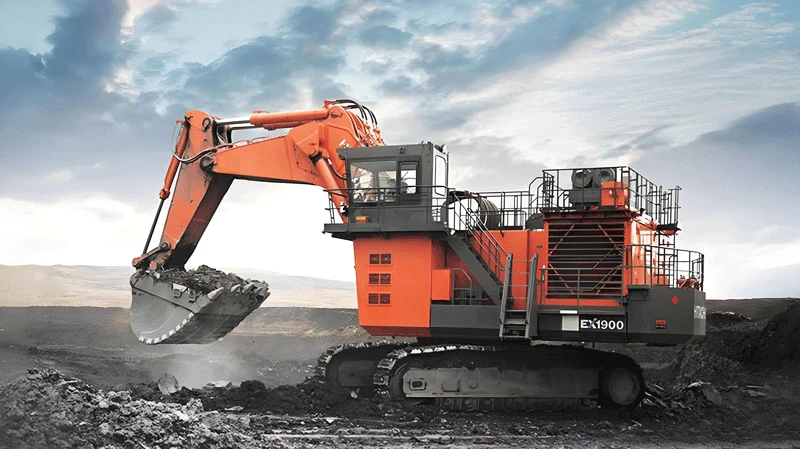
Slewing Ring System: The upper structure (cab) of an excavator is connected to the lower structure (undercarriage) via a slewing ring system. This system consists of bearings, mounts, and caging that allow the upper structure to rotate but are designed to prevent unintended detachment.
Robust Fastening: The cab is secured with high-tensile bolts, specialized locking mechanisms, and structural mounting brackets. These components are engineered to withstand extreme operational stress and vibration, preventing gradual loosening over time.
Practical Considerations
Continuous Rotation: While an excavator can rotate indefinitely in either direction, the slewing ring is designed to handle this continuous movement without loosening. Modern excavators use hydraulic swivel joints that prevent hose twisting and allow smooth, continuous rotation without mechanical restrictions.
Gravity and Friction: These forces also work against the idea of the upper structure detaching. The weight of the cab and the friction between the slewing ring components keep everything securely in place.
Hydraulic System Limits: Even if someone attempted to continuously rotate the excavator to cause wear, the hydraulic system would likely overheat and stop the rotational forces long before any meaningful damage to the slewing ring could occur.
Disassembly
While you cannot unscrew the entire excavator, you can disassemble specific parts using appropriate tools and techniques. For example, you can remove the bucket, hydraulic lines, or panels by unbolting or detaching them. However, this requires mechanical knowledge and adherence to safety precautions.
In summary, an excavator cannot unscrew itself due to its robust mechanical design, secure fastening systems, and the operational realities of its slewing ring and hydraulic systems.
can you rent a mini excavator
You can rent a mini excavator from various rental companies. Here are some key points and options based on the latest information:
Rental Options
1.Dry Hire:
This means you rent the mini excavator without an operator. You'll be responsible for operating the machine yourself. This can save costs if you're confident in handling the equipment.
Most rental companies provide user-friendly machines and basic operating instructions to make it easy for DIYers.
2.Wet Hire:
If you're new to operating heavy machinery or have a particularly complex job, wet hire is a good option. With wet hire, you rent both the machine and a qualified operator.
This option is more expensive but ensures the job is done quickly and professionally.
Rental Costs
Daily Rates: Mini excavators typically rent for $250 to $400 per day.
Weekly Rates: Weekly rates offer a 20-30% discount compared to daily rates, typically ranging from $750 to $1,200 per week.
Monthly Rates: Monthly rates usually provide a 40-50% discount compared to daily rates, typically ranging from $2,000 to $3,200 per month.
Rental Companies
United Rentals: Offers a large variety of mini excavator rentals suitable for various jobs. They have mini excavators from trusted manufacturers like Bobcat and Takeuchi.
Diggermate: Provides user-friendly mini excavators and basic operating instructions. They also offer combo deals with tipper trucks for added convenience.

Additional Considerations
Attachments: Many rental companies offer additional attachments such as buckets, thumbs, forks, and augers. These can be specified during the rental process.
Towing Requirements: If you plan to tow a mini excavator yourself, ensure your vehicle has the appropriate towing capacity and is equipped with the necessary braking systems.
Where to Rent
Local Rental Companies: Many local companies offer mini excavator rentals. Check their websites or contact them directly for availability and pricing.
Online Platforms: Websites like Dozr allow you to explore rental options and book directly with rental companies.
In summary, renting a mini excavator is accessible to most people. Whether you choose dry hire or wet hire depends on your experience and the complexity of the job. Contact your local rental company to discuss your specific needs and get started.
can you drive an excavator on the road
You can drive an excavator on the road under certain conditions, but it is generally not recommended due to safety and practicality concerns. Here are the key points to consider:
Legal Requirements
Valid Driving License: You need a valid driving license to drive an excavator on public roads.
Road-Building Machine Regulations: In some regions, excavators are classified as road-building machines and must adhere to specific regulations. For example, in Ontario, Canada, excavators must display a slow-moving vehicle sign and cannot travel at speeds exceeding 40 km/h.
Safety and Practicality
Road Surface Condition: Assess the road surface before driving the excavator. Poor road conditions can cause further damage to the road and the machine.
Speed Limitations: Drive at a reduced speed to minimize the impact and stress on the road surface.
Weight Reduction: Remove any unnecessary attachments or materials to reduce the excavator's weight and potential for road damage.
Use of Rubber Pads or Tracks: Fitting rubber pads or tracks can help reduce road damage by providing better traction and absorbing impact.
Avoid Sharp Turns and Sudden Stops: These actions can cause significant damage to the road surface. Plan your route carefully and drive in a straight line whenever possible.
Spreading the Weight: Keep the excavator's tracks as far apart as possible to distribute the weight more evenly.
Track Maintenance: Check the tracks for damage or wear before driving on the road. Damaged tracks can increase the potential for road damage.
Cleaning the Tracks: Ensure the tracks are free from debris to prevent damage to the road surface.

Special Considerations
Utility Work: If the excavator is being used for roadside work, such as hedge trimming, you may need to set up proper signage, barriers, and have a banksman to regulate traffic.
Insurance and Documentation: Ensure you have the appropriate insurance and documentation, such as a risk assessment and method statement, if required.
Alternatives
Professional Transportation: It is often safer and more practical to transport the excavator using a professional transportation company or a trailer.
In summary, while it is possible to drive an excavator on the road, it should be done with caution and in compliance with local regulations. For most scenarios, transporting the excavator using a trailer or professional service is the recommended approach.
can you make money with a mini excavator
You can definitely make money with a mini excavator through various business opportunities. Here are some of the most lucrative ways to generate income with a mini excavator:
1. Rental Services
Renting out your mini excavator is one of the most popular and low-maintenance ways to earn money. Many contractors and homeowners need mini excavators for short-term projects but may not want to invest in purchasing one. Here's how you can start a rental service:
Set Competitive Rates: Research local competitors to set reasonable hourly, daily, or weekly rental rates. Rates often range between $150 to $500 per day, depending on the machine's size and capacity.
Offer Add-On Services: Provide accessories such as different types of buckets, hammers, or augers at an additional cost.
Create Clear Rental Agreements: Have a rental contract in place that outlines responsibilities, liabilities, and payment terms to protect your business.
Offer Delivery and Pickup Services: If possible, offer to transport the machine to and from job sites, charging a delivery fee.
2. Excavation Services
Offering excavation services is another profitable way to use your mini excavator. You can charge hourly rates for your services, which typically range from $75 to $150 per hour. Here are some typical projects and potential earnings:
Hourly Rate: $75 – $150 per hour
Typical Projects: 3–8 hours
Potential Earnings: $600 – $1,200 per project
3. Land Clearing and Site Preparation
Land clearing and site preparation are in high demand, especially for new construction projects. You can charge between $500 and $5,000 per job, depending on the size of the project. This can be a significant source of income, especially if you can complete multiple projects per month.
4. Trenching and Utility Work
Trenching for utility lines is another profitable service. You can charge per foot of trench, with rates ranging from $3 to $10 per foot. Typical trench sizes range from 100 to 500 feet, so a single project can earn you between $500 and $5,000.
5. Snow Removal and Seasonal Work
During the winter months, you can offer snow removal services. Rates can range from $100 to $250 per hour, and driveway clearing can earn you between $50 and $200 per job. This is an excellent way to generate income during slower construction months.
6. Landscaping and Farm Work
Mini excavators are versatile and can be used for landscaping and small-scale farming tasks. They can handle tasks such as digging ponds, removing trees, and grading land. Offering these services can open up additional revenue streams.
7. Pool and Hot Tub Installation
Installing pools and hot tubs is another profitable niche. Many homeowners require excavation services for these installations, and you can charge a premium for this specialized work.

Challenges and Considerations
While renting out mini excavators can be profitable, it's not without challenges. Here are some common issues and how to navigate them:
Managing Equipment Downtime: Regular maintenance and having backup equipment can help minimize downtime and lost rental income.
Dealing with Difficult Customers: Screen renters, ensure clear agreements, and require security deposits to protect your equipment.
Handling Competition: Differentiate your business by offering superior customer service, flexible rental terms, and additional services like delivery and operator assistance.
Conclusion
A mini excavator can be a lucrative investment with multiple income opportunities. Whether you choose to rent it out, offer excavation services, or tackle specialized projects like pool installation, there are plenty of ways to make money with this versatile machine. Research local demand, set competitive rates, and provide excellent service to maximize your earnings.
can you rent a excavator
You can rent an excavator from various rental companies. Here are some key points and options based on the latest information:
Rental Options and Costs
1.Kubota U55 Excavator Rental
Company: NorthPoint Equipment Rentals
Features: Compact and powerful, suitable for both heavy-duty and delicate tasks. Free local delivery, best price guarantee, and a loyalty program.
Rental Rates: Daily rates typically range from $200 to $1,500 depending on the size and model.
2.Mini Excavator Rental
Company: PT Artha Konstruksi Indoprima
Rental Rates:
Mini Excavator PC 50, 65, 75: IDR 165,000 per hour.
Terms:
Rental durations are flexible, ranging from hourly to monthly.
Delivery costs may apply based on the project location.
3.Excavator Rental from United Rentals
Company: United Rentals
Features: Offers multiple sizes of excavators (18,000 to 84,000 pounds) for various applications like digging, backfilling, clearing, and trenching.
Rental Rates: Rates vary based on size and duration. Specific rates can be viewed on their website or app.
Requirements for Rental
Driver's License: Most rental companies require a valid driver's license for identification.
Insurance: You may need to provide proof of insurance.
Training: Some companies offer basic operating instructions or training to ensure safe and effective use.

Tips for Renting an Excavator
Plan Ahead: Secure your rental in advance to get better rates and ensure availability.
Understand the Agreement: Thoroughly review the rental agreement, including pricing, duration, and any additional charges.
Consider Location: Rental rates can vary based on location, so check with local providers for the best deals.
Additional Services
Operator Services: Some companies offer operators for an additional fee, which can be useful if you need professional handling.
Attachments: Many rental companies also provide additional attachments like buckets, thumbs, and augers.
If you need more specific rates or have particular requirements, it's best to contact the rental companies directly for detailed information.
can you spin an excavator off the tracks
You can remove excavator tracks, but it requires careful steps to ensure safety and proper maintenance. Here's a step-by-step guide based on the latest information:
Steps to Remove Excavator Tracks
1.Gather Necessary Tools and Equipment:
Grease gun
Pry bar
Socket set
Machinery stands
Safety gear (gloves, eye protection)
Operator's manual for your specific excavator model
2.Park the Excavator on a Level Surface:
Ensure the area is clear and barricaded to prevent accidents.
3.Lift the Excavator:
Use the excavator's hydraulics to lift one side off the ground. Place the machine on stands to ensure stability.
4.Loosen the Track Tension:
Locate the track tensioner mechanism, usually near the undercarriage. Use a wrench or socket to loosen the grease fitting, releasing the tension.
5.Remove the Track:
With the track tension released, use a pry bar to guide the track off the idler and sprocket. Ensure the track is fully removed without entangling other components.
6.Inspect and Clean:
Check the sprocket for wear and clean the contact surface on the drive motor. If the sprocket is worn, replace it.
7.Install New Components:
If replacing the sprocket, loosen the bolts, clean the contact surface, and install the new sprocket. Tighten the bolts to the manufacturer's specifications.
8.Install the New Track:
Carefully align the new track over the sprocket and use the pry bar to move it over the front idler. Ensure the track links fit correctly into the grooves.
9.Re-Tension the Track:
Use the track tensioner to adjust the tension to the manufacturer's recommended specifications. Refer to the operator's manual for the correct tension settings.

Safety and Maintenance Tips
Regular Cleaning: Use a high-pressure washer to remove debris from the tracks and undercarriage to prevent wear.
Proper Tension: Ensure the tracks are neither too tight nor too loose to avoid damage to the undercarriage and tracks.
Inspect for Damage: Regularly check for signs of wear on the tracks, sprockets, and rollers to prevent future operational issues.
By following these steps, you can safely and efficiently remove and replace excavator tracks, ensuring your machine remains in optimal working condition.


