

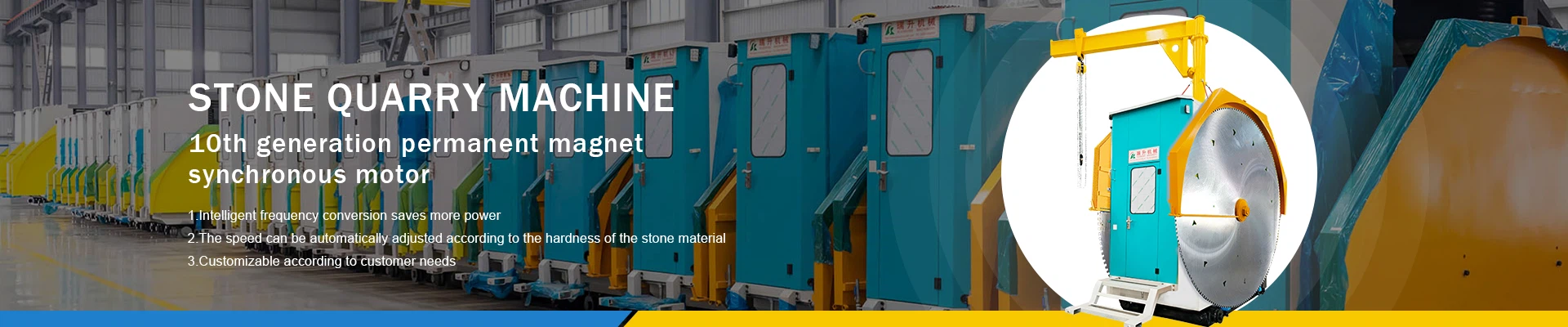
Granite miners determine where to quarry by carefully selecting sites based on several key factors:
Availability of High-Quality Rock:
Miners look for areas with large deposits of sound, high-quality granite that can be extracted in large quantities. The granite must be uniform in quality and free from significant flaws or fractures.
Proximity to Construction Sites:
Quarries should ideally be located near areas where construction is taking place to minimize transportation costs. However, they must also be situated away from populated areas to avoid hazards associated with quarrying operations, such as blasting.
Accessibility and Infrastructure:
The quarry site should be close to main roads or transportation networks to facilitate the movement of heavy equipment and stone. Access to water is also crucial for quarrying operations, as well as for the workforce.
Drainage and Waste Management:
Adequate drainage systems are necessary to manage groundwater and surface water. Additionally, space for dumping waste rock and debris is essential to ensure the quarry face is not obstructed.

Geological and Environmental Considerations:
Geologists conduct surveys to identify potential granite deposits. They look for exposed outcrops or use exploratory drilling to assess the quality and extent of the granite. Environmental impact assessments are also conducted to ensure that quarrying operations do not harm the surrounding ecosystem.
Economic Viability:
The site must be economically viable, meaning the cost of extracting and transporting the granite should be offset by the value of the stone. This includes considering the cost of labor, equipment, and infrastructure development.
By considering these factors, granite miners can identify suitable quarry sites that provide a sustainable and efficient source of high-quality granite for various applications.
What are the environmental risks associated with quarrying granite?
Granite quarrying, while essential for obtaining this valuable building material, poses several significant environmental risks:
1. Land Degradation and Habitat Destruction
Deforestation: Quarrying often involves clearing large areas of land, leading to deforestation and loss of biodiversity.
Soil Erosion: Removal of vegetation and topsoil increases the risk of soil erosion, reducing soil fertility and causing sediment runoff into nearby water bodies.
2. Water Pollution
Contamination: The extraction process uses large amounts of water for dust suppression and cooling machinery. This water can become contaminated with chemicals, heavy metals, and sediments, which can then pollute local water sources.
Groundwater Impact: In some regions, quarrying can affect groundwater levels and quality, leading to issues like subsidence and contamination.

3. Air Pollution
Dust and Particulates: The drilling, blasting, and cutting processes generate significant amounts of dust, including respirable crystalline silica, which poses health risks to workers and nearby communities.
Emissions: Heavy machinery used in quarrying releases pollutants such as nitrogen oxides, sulfur dioxide, and particulate matter, contributing to air pollution.
4. Noise Pollution
Mechanical Noise: The use of heavy machinery and equipment in quarrying generates high noise levels, which can disrupt wildlife habitats and affect the quality of life for nearby human populations.
5. Energy Consumption and Carbon Emissions
High Energy Use: Quarrying and processing granite require significant amounts of energy, primarily from fossil fuels, contributing to greenhouse gas emissions.
Transportation: The transportation of heavy granite blocks and slabs over long distances further increases carbon emissions.
6. Health Risks
Silicosis: Workers exposed to granite dust are at risk of developing silicosis, a severe lung disease caused by inhaling crystalline silica.
Radon Exposure: Some granite slabs may emit low levels of radon, a radioactive gas linked to lung cancer. Proper sealing and ventilation are necessary to mitigate this risk.
Mitigation Measures
To reduce the environmental impact of granite quarrying:
Sustainable Practices: Implementing sustainable quarrying practices, such as reforestation and habitat restoration, can help mitigate land degradation.
Water Management: Using closed-loop water systems and proper treatment of wastewater can reduce water pollution.
Dust Control: Employing effective dust suppression techniques, such as water sprays and air filtration systems, can minimize the release of harmful dust.
Local Sourcing: Choosing locally sourced granite can reduce transportation emissions and support local economies.
Regulation and Monitoring: Adhering to environmental regulations and conducting regular environmental impact assessments can help ensure responsible quarrying practices.
Can you explain the role of geologists in granite mining?
Geologists play a crucial role in granite mining, from the initial exploration and assessment of potential quarry sites to the ongoing management and optimization of mining operations. Their expertise helps ensure that granite mining is conducted efficiently, sustainably, and with minimal environmental impact. Here's a detailed look at the various roles geologists perform in granite mining:
1. Exploration and Site Selection
Geological Surveys: Geologists conduct detailed surveys to identify potential granite deposits. They use a combination of field observations, aerial photography, and remote sensing techniques to map out areas with high-quality granite.
Exploratory Drilling: To assess the quality and extent of the granite deposit, geologists perform exploratory drilling. Core samples are taken and analyzed to determine the stone's composition, texture, and potential for commercial use.
Geophysical Surveys: Techniques such as seismic surveys, magnetic surveys, and ground-penetrating radar (GPR) are used to gather detailed information about the subsurface geology. This helps in identifying the depth and extent of granite deposits.
2. Assessment and Planning
Reserve Estimation: Geologists estimate the size and quality of the granite reserves. This involves calculating the volume of extractable granite and assessing its commercial viability.
Feasibility Studies: They contribute to feasibility studies by providing data on the geological characteristics of the site. This includes information on rock strength, fault lines, and other geological features that could affect mining operations.
Environmental Impact Assessment: Geologists help in conducting environmental impact assessments (EIAs) to identify potential risks and develop mitigation strategies. They assess the impact of mining on local ecosystems, water resources, and soil quality.
3. Quarry Design and Development
Quarry Layout: Geologists assist in designing the quarry layout, including the placement of access roads, waste rock dumps, and processing areas. They ensure that the design minimizes environmental impact and maximizes operational efficiency.
Blasting and Extraction: They provide guidance on the best methods for blasting and extracting granite. This includes determining the optimal blast patterns, explosive types, and drilling depths to ensure efficient and safe extraction.
4. Quality Control
Material Testing: Geologists conduct regular tests on the extracted granite to ensure it meets the required quality standards. This includes assessing the stone's hardness, density, and durability.
Consistency Monitoring: They monitor the consistency of the granite throughout the quarry to ensure uniformity in the final product. This is crucial for applications like countertops and construction materials.
5. Environmental Management
Sustainable Practices: Geologists help develop and implement sustainable mining practices, such as reforestation, soil conservation, and water management.
Reclamation and Restoration: They play a key role in planning and executing the reclamation and restoration of the quarry site after mining operations are completed. This includes restoring natural habitats and ensuring the land is left in a usable condition.
6. Regulatory Compliance
Permitting: Geologists assist in obtaining the necessary permits and approvals from regulatory bodies. They provide detailed geological reports and data to support the application process.
Compliance Monitoring: They ensure that mining operations comply with environmental regulations and industry standards. This includes monitoring air and water quality, waste disposal practices, and overall environmental impact.
7. Research and Innovation
New Technologies: Geologists stay updated on the latest technological advancements in mining and geology. They help integrate new tools and techniques, such as advanced drilling equipment and remote sensing technologies, to improve efficiency and reduce environmental impact.
Collaboration: They collaborate with other experts, such as engineers, environmental scientists, and mining operators, to develop innovative solutions for challenges faced in granite mining.
Conclusion
Geologists are indispensable in granite mining operations. Their expertise in geology, environmental science, and engineering ensures that granite is extracted efficiently, sustainably, and with minimal environmental impact. By providing critical data and insights, geologists help optimize mining processes, ensure regulatory compliance, and contribute to the overall success of granite mining projects.
How does the quality of granite affect its value?
The quality of granite significantly affects its value, influencing its price, demand, and suitability for different applications. Here's a detailed look at how various factors related to quality impact the value of granite:
1. Color and Pattern
Uniformity: Granite with a consistent color and pattern is generally more valuable. Uniformity ensures that the stone can be used seamlessly in large projects without noticeable variations.
Rarity: Unique or rare colors and patterns, such as exotic granites like Blue Pearl or Calacatta, command higher prices due to their limited availability.
Aesthetic Appeal: Visually appealing patterns and colors are highly sought after for decorative purposes. For example, granites with striking veins or speckles are often preferred for countertops and flooring.
2. Durability and Hardness
Hardness: Granite is naturally hard, but some varieties are harder than others. Harder granites, such as those with a higher quartz content, are more durable and resistant to scratches and wear. This makes them more valuable for high-traffic areas like countertops and floors.
Durability: High-quality granite is less likely to crack or chip. It can withstand extreme temperatures and resist staining, making it suitable for both indoor and outdoor applications.
3. Purity and Clarity
Flaws and Imperfections: Granite with minimal flaws, cracks, or impurities is more valuable. Flaws can weaken the stone and affect its appearance, reducing its overall value.
Clarity: Clear, transparent granites are often more desirable than those with visible inclusions or cloudiness. Clarity is particularly important for applications where the stone's appearance is critical, such as in countertops and decorative elements.
4. Density and Porosity
Density: Higher density granite is generally more durable and less porous, making it less susceptible to water absorption and staining. Dense granites are preferred for applications where water resistance is important, such as bathrooms and kitchens.
Porosity: Lower porosity means the stone is less likely to absorb liquids and stains. Granite with low porosity requires less maintenance and is more suitable for high-moisture environments.
5. Polish and Finish
Polish Quality: A high-quality polish enhances the stone's appearance and durability. Well-polished granite has a smooth, reflective surface that is more resistant to scratches and stains.
Finish Options: Granite is available in various finishes, including polished, honed, leathered, and flamed. The finish chosen can affect the stone's value, with polished finishes often being the most valuable due to their high aesthetic appeal.

6. Sustainability and Environmental Impact
Sustainable Sourcing: Granite sourced from sustainable quarries with minimal environmental impact is becoming more valuable. Consumers and builders are increasingly interested in eco-friendly materials, driving up the demand for sustainably sourced granite.
Recycled Content: Granite products that incorporate recycled content can also have a higher value, as they align with environmental sustainability goals.
7. Market Demand and Supply
Rarity: Limited availability of certain granite types can drive up their value. Exotic granites with unique colors and patterns are often more expensive due to their rarity.
Market Trends: Current market trends and consumer preferences also affect the value of granite. For example, if a particular color or pattern becomes popular, its value may increase.
8. Size and Thickness
Large Slabs: Larger granite slabs are more valuable because they allow for fewer seams in applications like countertops. Large, continuous slabs are preferred for high-end projects.
Thickness: Thicker slabs are generally more durable and can be used for heavier applications. They are also more expensive due to the increased material and processing costs.


