

To buy granite directly from a quarry, you can follow these steps:
1. Identify Reliable Quarries and Suppliers
Research Quarries: Look for reputable quarries that produce the type of granite you need. Countries like Brazil, India, Italy, and the United States are known for high-quality granite.
Contact Quarries Directly: Reach out to quarries to inquire about their products, pricing, and availability. Some quarries may have websites or sales representatives you can contact.
2. Understand the Direct Purchase Process
One-Step Distribution: Some companies offer a one-step distribution approach, where granite is transported directly from the quarry to you, bypassing middlemen. This can save you money and ensure you get high-quality stone.
Bulk Orders: For larger projects, buying directly from the quarry can be more cost-effective. Some quarries require a minimum order size, such as a full truckload.
3. Inspect and Select the Granite
View Full Slabs: Whenever possible, visit the quarry or a supplier's warehouse to inspect full slabs. This allows you to see the exact stone you're purchasing, ensuring it meets your expectations.
Check for Quality: Look for consistency in color and pattern, absence of cracks or imperfections, and a high-quality polish.
4. Negotiate Pricing and Terms
Get Quotes: Obtain quotes from multiple quarries to compare prices and terms. Be sure to ask about any additional costs, such as shipping, handling, and processing.
Bulk Discounts: If you're ordering a large quantity, you may be able to negotiate better pricing. Some quarries offer discounts for bulk orders.

5. Arrange for Transportation and Logistics
Shipping: Coordinate with the quarry to arrange for transportation. Some quarries may have their own logistics services, while others may require you to organize shipping.
Lead Time: Be aware of lead times, which can vary depending on the quarry and the availability of the stone. For custom orders, you may need to allow several weeks or even months.
6. Work with a Reputable Wholesaler
Wholesaler Benefits: Working with a reputable wholesaler can simplify the process. They often have direct relationships with quarries and can offer a wide selection of stones at competitive prices.
Quality Assurance: Wholesalers typically handpick their stones to ensure quality and variety. They can also provide advice and guidance on selecting the right granite for your project.
7. Consider Local Regulations and Environmental Impact
Environmental Compliance: Ensure that the quarry you're purchasing from complies with local environmental regulations. Sustainable practices are increasingly important to many buyers.
Local Laws: Be aware of any local laws or regulations that may affect the import or use of granite in your area.
how do you cut and polish granite slabs in quarry
Granite slabs are cut and polished in quarries and processing facilities through a series of precise steps. Here's how the process typically works:
Cutting Granite Slabs
Initial Block Extraction:
Granite blocks are extracted from quarries using specialized equipment. Techniques like drilling and blasting are common. Small holes are drilled to outline the desired block size, and explosives are placed inside to separate the granite from the bedrock. Wire sawing is also used for primary block extraction, which involves a diamond-tipped wire fed through a series of pulleys.
Cutting into Slabs:
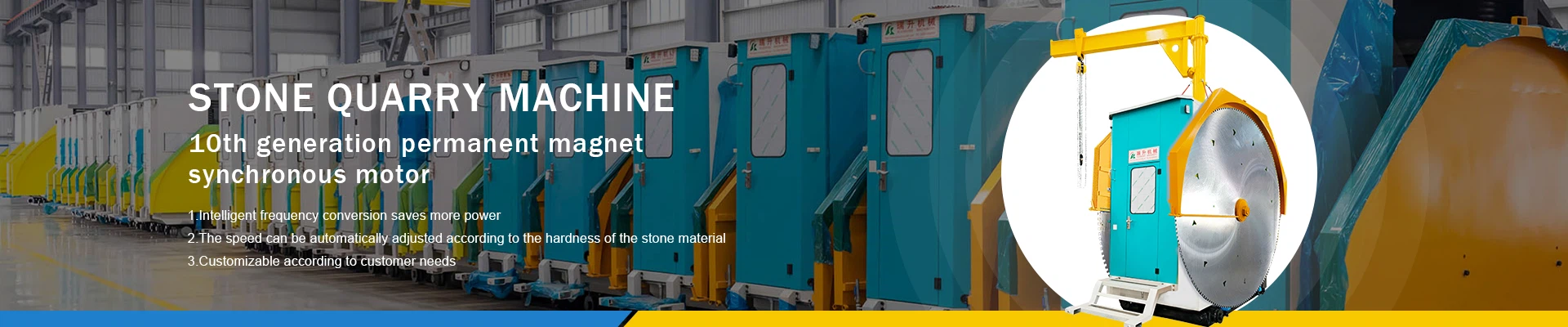
Once the large granite blocks are transported to the processing facility, they are cut into slabs using diamond-tipped saws or high-pressure water jets. The most effective tools for this job are circular diamond blades or diamond wire saws, which are designed with industrial-grade diamonds to cut through the tough granite.
Polishing Granite Slabs
Grinding and Resining:
After the initial cutting, the granite slabs undergo grinding to smooth the surface. Special grinding machines with multiple heads fitted with diamond abrasives are used to achieve a regular surface finish. The slabs are then treated with epoxy resin to fill any natural fissures, cracks, or voids. This process strengthens the stone and prepares it for the final polishing stage.
Polishing:
The final stage involves polishing the granite slabs to give them a glossy and reflective finish. This is done using special silicon carbide abrasives with a polishing machine. The process enhances the granite's natural beauty by revealing its distinctive colors and patterns. Polishing pads with varying grit levels are used, starting with coarser grits and moving to finer ones to achieve the desired shine.

Additional Steps
Shaping and Edging: Depending on the intended use, granite slabs may undergo additional shaping and edging procedures. This can include cutting the slabs into smaller pieces, shaping them into tiles or countertops, and applying edges like bullnose, beveled, or ogee.
Quality Control: Throughout the process, rigorous quality control measures are implemented to ensure the granite meets the required standards for strength, durability, and aesthetic appeal.
Packaging and Shipping: Once the granite slabs are processed and pass quality control checks, they are meticulously packaged and prepared for shipping to their final destination.
how do you find a good granite quarry site
To find a good granite quarry site, you need to consider several key factors that ensure the site is economically viable, geologically suitable, and environmentally responsible. Here are the steps and criteria to help you identify a good granite quarry site:
1. Geological Suitability
High-Quality Stone: Ensure that the site has a large deposit of high-quality granite. The stone should be uniform in quality and free from significant flaws or fractures.
Geological Data: Obtain geological information about the site. This includes understanding the rock formations, fault lines, and other geological features that could affect mining operations.
2. Proximity to Infrastructure
Transportation: The quarry should be close to transportation networks such as roads, railways, or ports. This reduces the cost of transporting the granite to processing facilities and construction sites.
Labor and Resources: The site should be near populated areas where labor, tools, and other materials are readily available.
3. Environmental Considerations
Water Source: Ensure there is a clean water source near the quarry site for use in mining operations.
Drainage: The site should have a suitable drainage system to manage groundwater and surface water, especially after rainfall.
Environmental Impact: Conduct an environmental impact assessment to ensure compliance with regulations and minimize negative effects on the environment.
4. Safety and Accessibility
Distance from Structures: The quarry should be located away from permanent structures like bridges and dams to avoid damage from blasting vibrations.
Dumping Space: There should be adequate space for dumping waste rock and debris to keep the quarry face clear.
5. Economic Viability
Market Demand: Assess the local and regional demand for granite. A site near areas with high construction activity is more economically viable.
Cost Analysis: Evaluate the costs associated with quarrying, including labor, equipment, transportation, and environmental compliance.

6. Regulatory Compliance
Permits and Regulations: Ensure that the site complies with local and national regulations regarding mining, environmental protection, and worker safety.
7. Site Inspection and Testing
Field Inspection: Conduct a thorough field inspection to assess the site's suitability. Look for signs of high-quality granite and any potential challenges.
Exploratory Drilling: Perform exploratory drilling to obtain core samples and assess the quality and extent of the granite deposit.
8. Community and Social Factors
Local Support: Engage with local communities to ensure that the quarrying operations have their support and that any potential social impacts are addressed.
how many people died in red granite quarry
According to the available information, at least 19 people have died at the Redgranite Quarry in Wisconsin since 1979. This number includes incidents involving swimmers, divers, and individuals engaging in risky behaviors such as jumping from cliffs. The quarry is known for its deep waters (up to 163 feet) and unique hazards, including cold water temperatures just below the surface and hidden rock ledges.
Several of these incidents occurred in recent years, including three drownings in the summer of 2015 alone. The local community and authorities have expressed concerns about the safety of the quarry, with some advocating for its closure due to the high number of fatalities.
how old is red granite quarry
The Red Granite Quarry in Redgranite, Wisconsin, has a rich history dating back to the late 19th century. The quarry was first established in 1889 when William Bannerman and other quarrymen from Berlin purchased a 126-acre farm in Sand Prairie (now known as Redgranite) to extract the high-quality mahogany-red granite. The quarry operated until the 1930s, primarily supplying paving blocks, riprap, and decorative stone.
The granite from this quarry was used in various cities across the United States for street paving and other construction purposes. After its closure, the quarry filled with water and became a popular local swimming hole and tourist attraction. In 1995, the water-filled quarry was designated as a village park. The granite from this quarry is approximately 1.76 billion years old, part of the Precambrian Waushara granite.
how rocks formed at tower hill granite quarry
The Tower Hill Granite Quarry is located in Glastonbury, Connecticut, and is known for its unique gray granite with salt-and-pepper crystals. The formation of rocks at the Tower Hill Granite Quarry can be understood through the broader geological history of the region:
Geological Formation Process
Ancient Volcanic Activity:
The granite found at Tower Hill Quarry was formed approximately 1.85 billion years ago during the Proterozoic Eon. This period was marked by significant volcanic activity and the formation of igneous rocks.
The granite originated from molten magma that cooled and crystallized deep within the Earth's crust. This process took millions of years and resulted in the formation of the hard, durable granite that is mined today.
Tectonic Activity:
The region where Tower Hill Quarry is located experienced tectonic activity that influenced the formation and positioning of the granite. The North American Craton, a stable continental core, played a significant role in the geological stability of the area.
The granite at Tower Hill is part of the larger geological formations that were shaped by the collision of tectonic plates and the subsequent cooling and solidification of magma.
Erosion and Exposure:
Over millions of years, erosion and glacial activity have exposed the granite at the surface. The quarry site reveals the underlying bedrock that has been shaped by these natural processes.
The unique characteristics of the granite, such as its salt-and-pepper appearance, are a result of the specific minerals and cooling processes that occurred during its formation.
Characteristics of Tower Hill Granite
Color and Texture: The granite from Tower Hill Quarry is known for its gray color with distinctive salt-and-pepper crystals. This gives it a luminous appearance in sunlight.
Durability: The granite is highly durable and resistant to weathering, making it suitable for various construction and decorative applications.
The Tower Hill Granite Quarry is a testament to the ancient geological processes that have shaped the landscape of Connecticut. Its high-quality granite is a valuable resource that continues to be used in modern construction and design.
how to set up a granite quarry
Setting up a granite quarry involves several steps, from conducting feasibility studies to obtaining permits and purchasing equipment. Here's a comprehensive guide based on the latest information:
1. Research and Feasibility Study
Market Analysis: Understand the demand for granite in your target market.
Granite Quality: Assess the quality and color variety available in the region you're interested in.
Competitors: Identify and evaluate existing competitors.
2. Business Plan
Objectives and Goals: Define your business goals and objectives.
Budget: Estimate initial setup costs and operational expenses.
Revenue Projections: Forecast expected revenues and profitability.
Marketing Strategy: Plan how to market and sell your granite.
3. Location
Site Selection: Choose a location with abundant granite reserves and convenient access.
Legal Compliance: Ensure the location complies with local zoning laws and environmental regulations.
4. Permits and Licenses
Environmental Impact Assessment (EIA): Conduct an EIA to get approval from relevant authorities.
Mining Lease: Apply for a mining lease or quarry permit from the local government.
Business Registration: Register your business with the necessary local and national authorities.
5. Funding
Initial Investment: Secure the necessary funding, whether through personal savings, investors, or loans.
Grants and Subsidies: Explore opportunities for grants or subsidies from governmental or non-governmental organizations.
6. Equipment and Machinery
Purchase or Lease: Acquire essential equipment such as excavators, loaders, crushers, and transport vehicles.
Maintenance: Set up a schedule for regular maintenance to ensure efficient operation.
7. Workforce
Hire Skilled Labor: Employ experienced and skilled workers for operations such as drilling, blasting, and cutting.
Training: Provide training on safety procedures and equipment handling.
8. Operations
Extraction: Develop a quarrying plan for systematic and sustainable extraction.
Processing: Set up facilities for cutting, polishing, and finishing the granite.
Quality Control: Implement quality control measures to maintain high standards.
9. Health and Safety
Safety Protocols: Establish comprehensive safety procedures and protocols.
Protective Gear: Ensure all workers are equipped with appropriate safety gear.
10. Marketing and Sales
Target Market: Focus on industries such as construction, monuments, and interior design.
Distribution Channels: Set up distribution channels to reach your customers effectively.
Networking: Build relationships with contractors, distributors, and retailers in the granite industry.
how to start a granite quarry
To start a granite quarry, you need to follow a series of steps that involve careful planning, significant investment, and compliance with legal and environmental regulations. Here's a comprehensive guide based on the latest information:
1. Conduct Market Research
Identify Demand: Understand the demand for granite in your target market, focusing on construction companies, infrastructure projects, and other potential customers.
Analyze Competition: Study existing quarries in your area to understand their operations, pricing, and market share.
Choose a Niche: Decide on the type of material you want to extract (e.g., granite, limestone, marble) based on local demand and geological surveys.
2. Develop a Business Plan
A solid business plan is essential for securing funding and guiding your operations. Include the following:
Executive Summary: Overview of your quarry business.
Market Analysis: Demand, competition, and target customers.
Operations Plan: Extraction methods, equipment, and daily operations.
Financial Plan: Startup costs, revenue projections, and funding requirements.
Marketing Strategy: How you will attract and retain customers.
Risk Analysis: Potential challenges and mitigation strategies.
3. Secure Funding
Starting a quarry business requires significant capital. Consider the following funding options:
Personal Savings: Use your own funds to cover initial costs.
Bank Loans: Apply for a business loan from a bank or financial institution.
Investors: Partner with investors who can provide capital in exchange for equity.
Government Grants: Check if there are any grants or subsidies available for mining or quarrying businesses.
4. Obtain Necessary Licenses and Permits
Quarrying is a regulated industry, and you will need to comply with local, state, and national laws. Key permits and licenses include:
Mining License: Required to legally extract minerals.
Environmental Permits: Ensure your operations comply with environmental regulations.
Land Use Permit: Obtain permission to use the land for quarrying.
Business Registration: Register your business with the appropriate government authorities.
5. Acquire Land
Location: Choose a site with high-quality mineral deposits and easy access to transportation routes.
Land Purchase or Lease: Buy or lease the land for your quarry. Ensure the land has clear ownership and no legal disputes.
Geological Survey: Conduct a thorough survey to confirm the quantity and quality of the mineral deposits.
6. Purchase Equipment and Machinery
Invest in the right equipment to ensure efficient operations. Key machinery includes:
Crushers: For breaking down large rocks into smaller pieces.
Excavators and Loaders: For digging and transporting materials.
Drilling Equipment: For extracting rocks from the quarry.
Conveyors and Screens: For sorting and transporting materials.
Dump Trucks: For transporting materials to customers or processing plants.

7. Hire and Train Staff
Skilled Workers: Hire experienced operators, geologists, and engineers.
Safety Training: Provide training on safety protocols and equipment operation.
Management Team: Hire or appoint managers to oversee daily operations, finances, and marketing.
8. Set Up Operations
Site Preparation: Clear the land, set up access roads, and install necessary infrastructure (e.g., offices, storage facilities).
Extraction Process: Begin extracting materials using the appropriate methods (e.g., drilling, blasting, crushing).
Processing: Crush, screen, and sort materials to meet customer specifications.
Quality Control: Ensure the final products meet industry standards.
9. Develop a Marketing Strategy
Target Customers: Focus on construction companies, contractors, and government projects.
Pricing Strategy: Offer competitive pricing based on market rates and production costs.
Distribution Channels: Establish reliable transportation and delivery systems.
Promotion: Use online marketing, trade shows, and partnerships to promote your business.
10. Ensure Environmental and Social Responsibility
Environmental Protection: Implement measures to minimize dust, noise, and water pollution.
Rehabilitation Plan: Restore the land after quarrying is complete.
Community Engagement: Build positive relationships with local communities and address their concerns.
Key Challenges
High Initial Investment: Quarrying requires significant capital for land, equipment, and permits.
Regulatory Compliance: Navigating environmental and mining regulations can be complex.
Environmental Impact: Quarrying can harm the environment if not managed responsibly.
Market Competition: Competing with established quarries can be difficult.
Tips for Success
Start small and scale up as your business grows.
Build strong relationships with customers and suppliers.
Stay updated on industry trends and technologies.
Prioritize safety and environmental sustainability.


