

An excavator rotates using a combination of hydraulic systems and mechanical components. Here's a detailed explanation of how this process works:
Key Components Involved
1.Swing Motor:
The swing motor is a hydraulic motor that powers the rotation of the excavator's upper structure (cab and boom). It is typically located at the base of the excavator, near the center of rotation.
2.Swing Bearing or Turntable:
This is a large, heavy-duty bearing that allows the upper structure to rotate smoothly around the lower undercarriage. It supports the weight of the upper structure and ensures precise rotation.
3.Hydraulic System:
The hydraulic system provides the power needed for rotation. It includes hydraulic pumps, valves, and hoses that transfer hydraulic fluid under pressure to the swing motor.
How the Rotation Works
1.Hydraulic Pressure:
When the operator moves the control lever to initiate rotation, hydraulic fluid is pumped from the hydraulic system to the swing motor. The pressure of the hydraulic fluid drives the motor, causing it to rotate.
2.Motor Rotation:
The swing motor converts the hydraulic pressure into mechanical rotation. The motor's output shaft is connected to the swing bearing or turntable, which allows the upper structure to rotate.
3.Smooth and Controlled Movement:
The hydraulic system ensures smooth and controlled rotation. The operator can adjust the speed and direction of rotation by manipulating the control lever. The hydraulic valves regulate the flow of fluid to the motor, allowing precise control over the rotation speed and direction.
4.360-Degree Rotation:
The swing bearing or turntable allows the excavator's upper structure to rotate a full 360 degrees. This complete rotation capability provides the operator with maximum flexibility and access to different work areas without needing to reposition the entire machine.

Safety and Precision
Safety Features: Modern excavators often include safety features to prevent over-rotation or unintended movement. These features can include electronic controls and emergency stop mechanisms.
Precision Control: The hydraulic system allows for precise control over the rotation, enabling the operator to make fine adjustments as needed.
Maintenance
Regular Inspection: To ensure smooth and reliable rotation, it's important to regularly inspect and maintain the hydraulic system, swing motor, and swing bearing. Check for leaks, wear, and proper lubrication.
Lubrication: Ensure that the swing bearing is properly lubricated to reduce friction and wear.
By understanding how the hydraulic system and mechanical components work together, you can better appreciate the precision and flexibility that excavators offer in construction and excavation tasks.
How do I register my mini excavator
To register your mini excavator, the process can vary depending on your location. Here are some general steps and specific guidelines based on the information available:
General Steps to Register a Mini Excavator
1.Determine Local Requirements:
Regulations for registering construction equipment like mini excavators can vary by region. Check with your local government or relevant authority to understand the specific requirements.
2.Gather Necessary Documentation:
Proof of Ownership: Purchase agreement, invoice, or bill of sale.
Serial Number: Ensure you have the machine's serial number, which is crucial for registration.
3.Apply for Registration:
Online Application: Many regions offer online registration services. Visit the official website of your local transportation or construction equipment registration authority.
In-Person Application: If online services are not available, you may need to visit a local office to submit your application.
4.Conditional Registration:
In some areas, like Queensland, Australia, you may need to apply for conditional registration. This process involves submitting an application and providing necessary documentation.
Specific Guidelines
TER – The Equipment Register:
The Equipment Register (TER) offers a platform for registering construction equipment. Registration can help in tracking and managing your equipment, and it may be required by some insurance providers.
Queensland Government:
For conditional registration in Queensland, you need to provide details about the machine, including its serial number, and complete the application process either online or in person.

Safety and Regulatory Considerations
Safety Standards:
Ensure your mini excavator meets local safety standards. In the EU, for example, machines must be CE certified to meet operational safety requirements.
ROPS/TOPS/FOPS:
Depending on your region, your mini excavator may need to meet specific safety structure requirements (ROPS, TOPS, FOPS) to protect the operator.
Summary
To register your mini excavator, first determine the local requirements by consulting your regional government or relevant authority. Gather necessary documentation, including proof of ownership and the machine's serial number. Then, apply for registration either online or in person, following the specific guidelines provided by your local authority. In some regions, conditional registration may be required, which involves submitting an application with the necessary details about the machine.
do mini excavators have titles
Mini excavators typically do not have titles in the same way that automobiles do. However, they do have documentation and identification that serve similar purposes. Here's what you need to know:
Identification and Documentation
1.Serial Number (SN):
Every mini excavator has a unique serial number that identifies the specific machine. This number is used for registration, maintenance records, and insurance purposes.
2.Registration:
In some regions, mini excavators may need to be registered with local authorities. This registration process often involves providing the machine's serial number and other details.
3.Ownership Verification:
While mini excavators don't have titles, ownership can be verified through purchase agreements, invoices, and registration documents. These documents are crucial for proving ownership, especially during resale.

Importance of Documentation
Maintenance and Service: Proper documentation helps in tracking maintenance schedules and ensuring the machine is serviced regularly.
Resale: When selling a mini excavator, having complete documentation can increase its value and make the transaction smoother.
Summary
Mini excavators do not have titles, but they do have unique identifiers and documentation that serve similar functions. These include serial numbers, registration documents, and purchase agreements, which are essential for ownership verification and maintenance tracking.
who makes case excavators
CASE Construction Equipment is a brand of CNH Industrial, which is an Italian-American manufacturer of construction machinery. The company was founded in 1842 in Racine, Wisconsin, by Jerome Increase Case. CASE produces a wide range of construction equipment, including excavators, motor graders, wheel loaders, vibratory compaction rollers, crawler dozers, skid steers, and compact track loaders.

In 1974, CASE acquired Poclain's excavator division, a French company known for its innovative hydraulic excavators. This acquisition expanded CASE's product line and strengthened its position in the global market. Today, CASE excavators are known for their durability, efficiency, and advanced technology, making them a popular choice in the construction industry.
how heavy are excavators
Excavators come in a wide range of weights, depending on their size and type. Here's a summary of the typical weight ranges for different classes of excavators:
Mini Excavators
Weight Range: 1,000 to 8,000 pounds (454 to 3,629 kg)
Characteristics: Compact and versatile, ideal for tight spaces and small projects like landscaping and utility work.
Midi Excavators
Weight Range: 15,400 to 22,000 pounds (7 to 10 metric tons)
Characteristics: Offer more dig depth, reach, and power, suitable for slightly larger projects.
Standard Excavators
Weight Range: 22,000 to 99,200 pounds (10 to 45 metric tons)
Characteristics: Common in commercial construction, these excavators provide a good balance of power and maneuverability.

Large Excavators
Weight Range: Over 99,200 pounds (45 metric tons) up to 200,000 pounds (90,718 kg) or more.
Characteristics: Used for heavy-duty applications such as large-scale construction, mining, and demolition.
Specialized Excavators
Long Reach Excavators: Weigh over 50 tons and can reach up to 60 feet away from the cab.
Dragline Excavators: Can weigh up to 1,000 tons, used for large-scale earthmoving.
When choosing an excavator, consider the specific requirements of your project, including the size of the job site, digging depth, and the type of work you'll be doing. This will help you select the right machine for the task at hand.
What are the typical training requirements for operating an excavator
To operate an excavator, you typically need to complete a training program that covers both theoretical knowledge and practical skills. Here are the typical training requirements:
Training Components
1.Classroom Instruction:
Learn about the basics of excavator operation, including machine controls, safety procedures, and terminology.
Understand rules and regulations, types of excavators, main parts and their functions, safety systems, pre-use inspection, safe operating procedures, limitations, hazards, and controls.
2.Hands-On Training:
Practice operating the excavator under the supervision of professional instructors. This includes digging trenches, grading slopes, lifting loads, and more.
Demonstrate your ability to safely maneuver the excavator through a series of obstacles and use attachments.
3.Practical Evaluation:
Complete a practical evaluation where your skills are assessed based on industry standards.
4.Written Test:
Pass a written test with a minimum score of 70% to demonstrate your knowledge of excavator operation and safety.
Certification
Upon successful completion of the training program, you will receive an operator's certificate and a wallet card.
Certifications are usually valid for a specific period, such as three years.
Course Duration
The duration of the training program can vary. For example, some courses last for half a day (blended learning) or a full day (instructor-led), with additional time for practical evaluation.
Some programs can be completed in as little as three weeks.

Online Options
There are also online training programs available that can be completed in less than two hours. These courses provide an OSHA-aligned curriculum with high-quality video lessons and real-world scenarios.
Benefits of Certification
Safety: Learn to operate the machine safely to protect yourself, fellow workers, and bystanders.
Skill Development: Refine existing skills and develop new ones that are valuable on the job.
Employment Opportunities: Certification makes you a more attractive candidate to potential employers.
Additional Requirements
Age: You must be at least 18 years old.
Education: Have a high school diploma or GED.
Physical Condition: Be in good physical condition with good vision.
Driver's License: Have a valid driver's license.
By completing a recognized training program and obtaining certification, you can demonstrate your competence in operating an excavator safely and efficiently.
do you need a license to rent an excavator
In general, you do not need a special license to rent an excavator, but there are several requirements and considerations you should be aware of:
Operator's License
Rental companies may ask for a driver's license, especially for equipment that travels on highways, for identification purposes. In some states, like Massachusetts, you may need to apply for a temporary permit through a state-approved equipment supplier to rent specific equipment like mini excavators.
Training and Certification
Due to the safety risks involved with operating heavy equipment, rental companies may request proof that users have received adequate training on using certain types of machinery to ensure compliance with Occupational Safety and Health Administration (OSHA) guidelines. Depending on the machine type, you may also need certification before operating it. Many rental companies offer classes that lead to certification.
Insurance
A reputable equipment rental provider will only allow you to take the machine from their property if you show acceptable proof of insurance. This coverage is essential for protecting the rental company's interests and yours in the event of an accident, theft, injury, or damage. General liability insurance is essential for safeguarding your assets if you're involved in an accident involving property damage or bodily injury while operating the equipment. An inland marine policy enables you to replace a damaged or stolen machine after paying a deductible. The rental agreement will specify the required coverage, so review it carefully.

State-Specific Requirements
Licensing and permit requirements vary by state and municipality. Familiarize yourself with the guidelines for your specific location.
Summary
While you typically don't need a special license to rent an excavator, you may need to provide a driver's license, proof of training or certification, and proof of insurance. Additionally, some states have unique requirements, so it's important to check local regulations and the rental company's specific requirements.
who makes john deere excavators
John Deere excavators are currently manufactured by John Deere itself, following the dissolution of its joint venture with Hitachi in February 2022. Prior to this, John Deere and Hitachi had a long-standing partnership where they jointly produced excavators under the Deere-Hitachi Construction Machinery Corporation.
After the split, John Deere acquired full ownership of three former joint venture factories:
John Deere Kernersville in Kernersville, North Carolina.
John Deere Specialty Products in Langley, British Columbia, Canada.
John Deere Brasil Escavadeiras in Indaiatuba, Brazil.
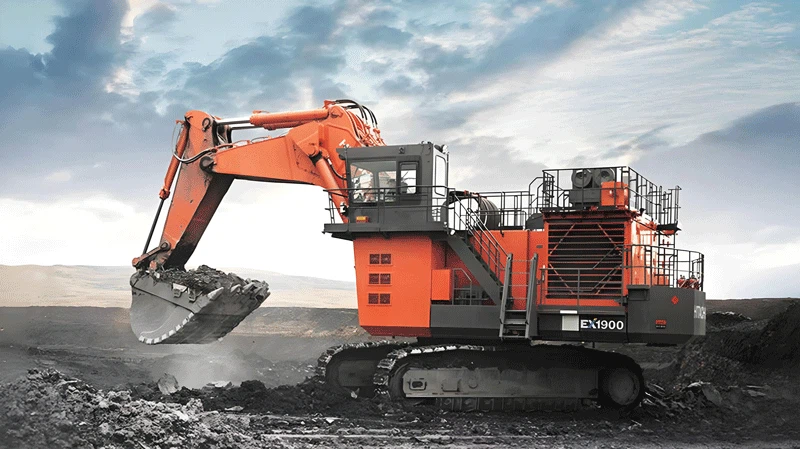
These facilities now exclusively manufacture Deere-branded construction excavators and forestry equipment. The transition has allowed John Deere to take full control over the design, production, and feature updates of its excavators.


