

The brand significantly influences the cost of excavators due to factors such as reputation, quality, technology, and after-sales support. Here's a detailed breakdown of how different brands impact the price of excavators:
1. Premium Brands
Premium brands like Caterpillar, Komatsu, and John Deere are known for their high-quality construction, reliability, and advanced technology. These brands often command higher prices but offer superior performance and durability.
Caterpillar (CAT):
Price Range: New models can cost between $100,000 and $600,000+, depending on the size and features.
Characteristics: Known for their durability, fuel efficiency, and extensive service network.
Komatsu:
Price Range: New models range from $100,000 to $500,000.
Characteristics: Advanced technology, high performance, and reliability.
John Deere:
Price Range: New models can cost between $100,000 and $400,000.
Characteristics: Known for their quality and versatility in various applications.
2. Mid-Tier Brands
These brands offer competitive pricing while still providing good quality and performance. They are often more budget-friendly compared to premium brands.
Volvo:
Price Range: New models range from $100,000 to $500,000.
Characteristics: Advanced technology, fuel efficiency, and operator comfort.
Hitachi:
Price Range: New models range from $100,000 to $400,000.
Characteristics: Robust performance and durability, suitable for heavy-duty applications.
Doosan:
Price Range: New models range from $80,000 to $300,000.
Characteristics: Cost-effective with good performance, suitable for medium-duty applications.
3. Budget Brands
Budget brands offer more affordable options without compromising too much on quality. They are ideal for buyers with limited budgets.
SANY:
Price Range: New models range from $60,000 to $250,000.
Characteristics: Affordable with good performance, suitable for a variety of construction tasks.
LiuGong:
Price Range: New models range from $50,000 to $200,000.
Characteristics: Cost-effective and reliable, suitable for smaller to medium-sized projects.
XCMG:
Price Range: New models range from $60,000 to $250,000.
Characteristics: Affordable with good performance, suitable for a variety of applications.
Factors Influencing Brand Pricing
Brand Premium: Premium brands like Caterpillar and Komatsu typically command 15-25% higher prices than mid-tier brands like Bobcat or Kubota.
Technology and Features: Advanced features like GPS grading systems, telematics, and intelligent control systems can add $15,000 to $30,000 to the base price.
Attachments: Additional attachments like compactors, grapples, augers, and hydraulic breakers can increase the cost by $5,000 to $25,000.
Cab Features: Advanced climate control, premium seating, and enhanced operator displays can add $3,000 to $8,000.
Warranty and Support: Extended warranty coverage and comprehensive after-sales support can add 5-10% to the purchase price.

Conclusion
When choosing an excavator, consider your budget, the specific requirements of your project, and the long-term value of the machine. Premium brands offer superior quality and reliability but come at a higher cost. Mid-tier and budget brands provide good value for money without compromising too much on performance. Always evaluate the total cost of ownership, including maintenance and operational costs, to make an informed decision.
how much are excavators
The cost of excavators can vary widely based on several factors, including the size, type, brand, and condition of the machine. Here's a detailed breakdown of the typical price ranges for different types and sizes of excavators:
New Excavator Prices
Mini Excavators (1-6 tons): $20,000 to $80,000
Popular models include the Bobcat E20z and JCB 30 Plus.
Compact Excavators (7-10 tons): $60,000 to $150,000
Popular models include the JCB 130 and Hyundai HX35Az.
Standard Excavators (11-30 tons): $100,000 to $300,000
Popular models include the Volvo EC210D and JCB NXT 140.
Large Excavators (31+ tons): $250,000 to $1,000,000+
Popular models include the Volvo EC380D and Sany SY580C-10HD.
Used Excavator Prices
Mini Excavators: $10,000 to $50,000
Compact Excavators: $30,000 to $100,000
Standard Excavators: $50,000 to $200,000
Large Excavators: $150,000 to $700,000+
Factors Influencing Excavator Prices
Brand: Well-known brands like Caterpillar, Komatsu, and John Deere often command higher prices due to their reputation for quality and reliability.
Size and Capacity: Larger excavators with higher digging capacity are generally more expensive.
Features and Technology: Advanced features like GPS tracking, telematics, and automated systems can increase the price.
Market Demand: Prices can fluctuate based on supply and demand in the market.
Location: Prices may vary depending on your geographical location and local market conditions.

Rental Options
If you're considering renting an excavator, daily rates typically range based on the size of the machine:
Mini Excavators: $200 to $500 per day, $600 to $1,500 per week
Standard Excavators: $400 to $1,200 per day, $1,500 to $4,000 per week
Large Excavators: $1,000 to $3,000 per day, $3,000 to $10,000 per week
When choosing an excavator, consider the specific requirements of your project, including the size of the job site, digging depth, and type of work you'll be doing. This will help you select the right machine for the task at hand.
how much does a small excavator weigh
Small excavators, also known as mini excavators, typically have operating weights ranging from 2,000 to 22,000 pounds (1 to 11 tons). Here's a detailed breakdown of the weight ranges for different sizes of mini excavators:
Mini Excavator Weight Ranges
Small Mini Excavators: 2,000 to 10,000 pounds (1 to 5 tons)
Medium Mini Excavators: 10,000 to 18,000 pounds (5 to 8 tons)
Large Mini Excavators: Over 18,000 pounds (8 tons and up)
Weight and Specifications for Popular Brands
Here are some examples of mini excavators from various brands and their respective weights:
Bobcat
Bobcat E10: 2,593 pounds
Bobcat E19: 4,147 pounds
Bobcat E20: 4,306 pounds
Bobcat E38: 7,893 pounds
Bobcat E60: 12,646 pounds
Bobcat E88: 19,600 pounds
CASE
CASE CX15EV: 3,186 pounds
CASE CX17C: 3,910 pounds
CASE CX26C: 5,520 pounds
CASE CX30C: 6,306 pounds
CASE CX42D: 9,259 pounds
CASE CX60C: 13,760 pounds
Develon (previously Doosan)
Develon DX17Z-7: 4,211 pounds
Develon DX27Z-7: 6,173 pounds
Develon DX35Z-7: 8,807 pounds
Develon DX42-7: 9,877 pounds
Develon DX50Z-7: 11,971 pounds
Develon DX89R-7: 21,025 pounds
Hitachi
Hitachi ZX17U-5N: 3,790 pounds
Hitachi ZX26U-5N: 5,560 pounds
Hitachi ZX30U-5N: 6,680 pounds
Hitachi ZX35U-5N: 7,584 pounds
Hitachi ZX50U-5N: 10,560 pounds
Hitachi ZX85USB-7: 19,500 pounds
Hyundai
Hyundai R17Z-9A: 3,920 pounds
Hyundai HX17AZ: 4,370 pounds
Hyundai R25Z-9AK: 5,360 pounds
Hyundai HX27AZ: 6,140 pounds
Hyundai R30Z-9AK: 6,625 pounds
Hyundai HX85A: 20,290 pounds
JCB
JCB 18Z-1: 3,856 pounds
JCB 19C-IE: 4,193 pounds
JCB 35Z-I: 7,840 pounds
JCB 48Z-I: 10,565 pounds
JCB 50Z-I: 11,089 pounds
JCB 100C-2: 21,495 pounds
John Deere
John Deere 17 P-Tier: 3,790 pounds
John Deere 26 P-Tier: 6,110 pounds
John Deere 30 P-Tier: 7,220 pounds
John Deere 35 P-Tier: 8,135 pounds
John Deere 50 P-Tier: 10,847 pounds
John Deere 60 P-Tier: 13,620 pounds

Komatsu
Komatsu PC30MR-5: 7,143 pounds
Komatsu PC35MR-5: 8,532 pounds
Komatsu PC45MR-5: 11,001 pounds
Komatsu PC55MR-5: 11,618 pounds
Komatsu PC88MR-11: 19,224 pounds
Kubota
Kubota K008-5: 2,025 pounds
Kubota U10-5: 2,646 pounds
Kubota U17: 3,693 pounds
Kubota KX018-4: 3,737 pounds
Kubota U27-4: 5,688 pounds
Kubota KX080-5: 18,760 pounds
New Holland
New Holland E15X: 2,899 pounds
New Holland E17C: 3,910 pounds
New Holland E26C: 5,520 pounds
New Holland E30C: 6,306 pounds
New Holland E57C: 12,050 pounds
New Holland E60C: 12,940 pounds
These weights can help you determine the right size of mini excavator for your specific project needs.
Which brand has the lightest mini excavator
The lightest mini excavator available in the market is the Kubota K008-5, which weighs just 2,200 pounds (1 ton). This ultra-compact model is designed for maneuverability in tight spaces and is ideal for residential construction, landscaping, and utility work.
Other notable lightweight mini excavators include:
Bobcat E10: Weighs 2,593 pounds. This model is known for its compact size and zero tail swing design, making it highly maneuverable in tight spaces.
Takeuchi TB210R: Weighs around 2,645 pounds. It features a hydraulically retractable track frame and a foldable ROPS frame, allowing it to pass through standard doorways.
Yanmar ViO17-A: Weighs approximately 3,748 pounds. This model is known for its true zero tail swing and retractable undercarriage, providing excellent stability and maneuverability.

These lightweight mini excavators are designed to provide high performance and efficiency in confined spaces, making them ideal for various applications such as landscaping, residential construction, and utility work.
how much are mini excavators
Based on the latest information from reliable sources, here are the typical costs for mini excavators:
New Mini Excavator Prices
1-2 tons: $30,000 – $60,000
3-4 tons: $60,000 – $85,000
5-6 tons: $85,000 – $110,000
Used Mini Excavator Prices
1-3 years old: $20,000 – $75,000
4-7 years old: $15,000 – $50,000
8+ years old: $10,000 – $30,000
Specific Examples
Caterpillar 305.5:
Year of Manufacture: 2022
Running Hours: 760 - 1,200 m/h
Fuel: Diesel
Digging Depth: 4 - 5 m
Digging Radius: 6 - 1,100 m
Price: €8,700 - €17,000
Hitachi ZX70:
Year of Manufacture: 2018
Running Hours: 2,200 - 3,000 m/h
Fuel: Diesel
Digging Depth: 4 m
Digging Radius: 6 m
Price: €11,000 - €14,000
Komatsu PC55:
Year of Manufacture: 2022
Running Hours: 2,000 - 2,400 m/h
Fuel: Diesel
Digging Depth: 4 - 6 m
Digging Radius: 6 - 7 m
Price: €8,900 - €25,000

Factors Affecting Mini Excavator Prices
1.Brand: Premium brands like Caterpillar, Komatsu, and Hitachi often command higher prices.
2.Size and Capacity: Larger mini excavators with higher digging capacity are generally more expensive.
3.Features and Attachments: Additional features and attachments can add to the overall cost.
4.Age and Condition: Used excavators are significantly cheaper but may require more maintenance.
5.Market Demand: Prices can fluctuate based on supply and demand in the market.
Additional Costs
Attachments: Additional attachments can add $5,000 to $25,000 to the final cost.
Maintenance and Insurance: Regular maintenance and insurance costs should also be considered.
For the most accurate and up-to-date pricing, it's always best to contact local dealers or rental companies directly.
how much does a cat 320 excavator weight
The Caterpillar 320 excavator is a versatile and powerful machine used in various construction and excavation projects. Here are the key details regarding its weight and specifications:
Operating Weight
Weight: The Caterpillar 320 excavator has an operating weight of approximately 22.5 tons (22,700 kg or 50,100 lbs) .
Technical Specifications
Engine: Cat C4.4 ACERT Twin Turbo
Net Power (ISO 9249): 121 kW (162 hp)
Net Power (SAE J1349): 121 kW (162 hp)
Gross Power (ISO 14396/SAE J1995): 122 kW (164 hp)
Bore: 105 mm (4 in)
Stroke: 127 mm (5 in)
Displacement: 4.4 L (269 in³)
Emission Level: U.S. EPA Tier 4 Final / EU IV
Dimensions and Reach
Transport Dimensions:
Length: 9.53 meters (31.25 feet)
Width: 3.17 meters (10.4 feet)
Height: 2.96 meters (9.71 feet)
Maximum Horizontal Reach: 9.86 meters (32.35 feet)
Dredging Depth: 6.72 meters (22.05 feet)
Bucket Capacity: 1.19 cubic meters (1.56 cubic yards)
Additional Features
Hydraulic System:
Maximum Swing Torque: 74 kN·m (54,440 lbf-ft)
Swing Speed: 11.25 rpm
Fuel Tank Capacity: 345 L (86.6 gallons)
Hydraulic Tank: 128 L (33.8 gallons)
Cooling System: 35 L (9.2 gallons)
Engine Oil: 15 L (4.0 gallons)
Safety and Environmental Standards
Sound Performance: 97 dB(A) (external)
Emission Standards: Meets U.S. EPA Tier 4 Final emission standards

Standard and Optional Equipment
Standard Equipment:
Cat C4.4 ACERT Twin Turbo engine
Three selectable power modes
Auto engine speed control
Auto engine idle shutdown
4500 m (14,760 ft) altitude capability with derate from 3000 m (9,840 ft)
52°C (125°F) high-ambient cooling capacity
Double element air filter with integrated pre-cleaner
Electric cooling fans with auto-reverse function
Optional Equipment:
Various counterweights (3.7 mt, 4.2 mt, 4.7 mt)
Different boom and stick configurations (HD Reach, Super Long Reach)
Hydraulic hammers, compactors, and other attachments
Conclusion
The Caterpillar 320 excavator is a robust and versatile machine suitable for a wide range of applications. Its operating weight of 22.5 tons and advanced features make it a reliable choice for construction and excavation projects. For more detailed information or specific configurations, consult your local Caterpillar dealer.
how much does a cat excavator cost
Based on the latest information from reliable sources, here are the typical costs for Caterpillar excavators:
New Caterpillar Excavator Prices
Cat 320GC: $58,000 - $60,000
Cat 336: Prices range from $176,800 to $320,400 depending on the model year and configuration
Cat 320D: Starting at $22,000,000 (₹22 Lakh)
Cat 320D3 GC: Starting at $86,250,000 (₹86.25 Lakh)
Used Caterpillar Excavator Prices
Cat 320GC: $45,000 - $50,000
Cat 336E: $59,000 - $61,000
Cat 323D3: $44,000 - $46,000
Cat 305.5E: $29,000 - $31,000
Cat 320D3: $25,000 - $28,000
Cat 320D: $22,000 - $24,000
Specific Models and Prices
Cat 336 (2019): $176,800 - $212,400
Cat 336 (2020): $232,800 - $261,000
Cat 336 (2021): $264,500 - $287,300
Cat 336 (2022): $279,300 - $320,400
Factors Affecting Prices
1.Model and Configuration: Different models and configurations have varying prices.
2.Year of Manufacture: Newer models are generally more expensive.
3.Condition: Used excavators are cheaper but may require maintenance.
4.Attachments and Features: Additional features and attachments can increase the cost.
Additional Information
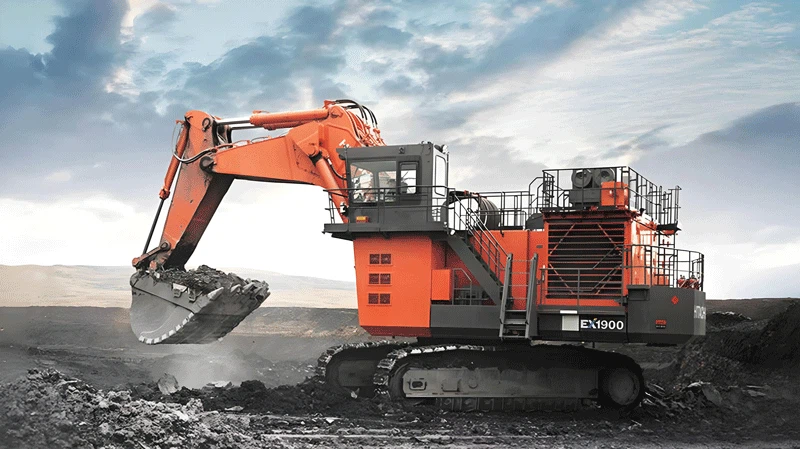
Cat 336 Tech Specs: Powered by the Caterpillar C9.3B engine, providing a net power output of 311 horsepower (232 kW) at 1,800 rpm .
Cat 336 Variants: The Cat 336 series includes several sub-models such as the Cat 336F, 336E, and 336 GC, each with distinct features and capabilities .
For the most accurate and up-to-date pricing, it's always best to contact local Caterpillar dealers or authorized sellers directly.
What is the main difference between new and used excavators
The main differences between new and used excavators lie in their cost, condition, reliability, and warranty coverage. Here's a detailed comparison:
Cost
New Excavators:
Higher Initial Cost: New excavators are significantly more expensive upfront. For example, a new mini excavator can cost between $30,000 and $110,000, while a large excavator can cost upwards of $250,000.
Financing Options: Many manufacturers offer financing options, which can make the initial purchase more manageable.
Used Excavators:
Lower Initial Cost: Used excavators are generally much cheaper. A used mini excavator can cost between $10,000 and $50,000, while a large used excavator might cost between $50,000 and $200,000.
Depreciation: Used excavators have already experienced significant depreciation, making them more affordable.
Condition and Reliability
New Excavators:
Latest Technology: New excavators come with the latest technology, including advanced hydraulic systems, fuel-efficient engines, and enhanced safety features.
Reliability: New excavators are less likely to have mechanical issues and are generally more reliable.
Warranty: New excavators come with a manufacturer's warranty, which can cover repairs and maintenance for a specified period.
Used Excavators:
Condition Variability: The condition of used excavators can vary widely. Some may have been well-maintained, while others may have significant wear and tear.
Maintenance History: It's crucial to review the maintenance history and service records of a used excavator to understand its condition.
No Warranty: Used excavators typically do not come with a warranty, although some sellers may offer limited warranties.
Performance and Features
New Excavators:
Advanced Features: New models often come with advanced features such as GPS systems, telematics, and automated controls.
Fuel Efficiency: Newer excavators are generally more fuel-efficient, which can save on operating costs over time.
Used Excavators:
Simpler Technology: Used excavators may have older technology and fewer advanced features.
Fuel Efficiency: Older models may be less fuel-efficient, leading to higher operating costs.
Market and Availability
New Excavators:
Availability: New excavators are readily available from dealers and manufacturers.
Customization: You can often customize new excavators with specific attachments and features.
Used Excavators:
Limited Availability: The availability of used excavators can be limited and depends on the local market.
Variety: Used excavators offer a wider range of models and sizes, which can be beneficial if you need a specific type of machine.

Summary
New Excavators: Higher initial cost, latest technology, more reliable, come with a warranty.
Used Excavators: Lower initial cost, variable condition, may require more maintenance, no warranty.
Choosing between a new and used excavator depends on your budget, project needs, and long-term goals. New excavators offer reliability and advanced features but come at a higher cost. Used excavators are more affordable but may require more maintenance and lack warranty coverage.


