

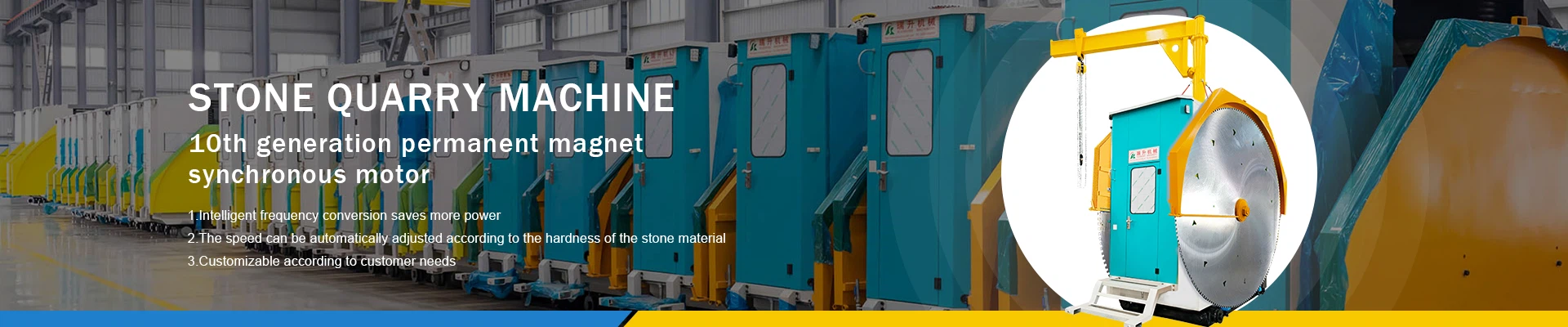
Marble mining has a significant impact on the environment, affecting various aspects of the ecosystem. Here are the key environmental impacts:
1. Deforestation and Habitat Destruction
Marble mining often requires clearing large areas of forest to create space for quarries. This deforestation leads to the loss of natural habitats for wildlife and plants, resulting in reduced biodiversity.
2. Soil Erosion and Land Degradation
The removal of topsoil during the mining process exposes underlying rocks, making the area more susceptible to soil erosion and land degradation. This can lead to landslides, flooding, and sedimentation in nearby waterways.
3. Air Pollution
Heavy machinery and explosives used in marble mining release dust and harmful pollutants such as carbon dioxide and sulfur dioxide. These emissions contribute to air pollution, which can have serious health effects on nearby communities.
4. Water Contamination
The extraction process can contaminate groundwater sources with chemicals and heavy metals. Additionally, the use of water in processing marble can lead to soil erosion and deforestation. Waste materials from mining can also pollute nearby water sources, affecting aquatic life and human health.
5. Energy Use and Carbon Footprint
Marble extraction and processing require significant amounts of energy, contributing to greenhouse gas emissions. The transportation of marble from quarries to processing plants and markets also adds to the overall carbon footprint.
6. Species Extinction
The disturbance of natural habitats due to quarrying can lead to the displacement and extinction of species. Some species may be unable to adapt to the new environment, leading to their extinction.

Mitigation Measures
To minimize the negative impact of marble mining on the environment, companies can implement sustainable practices such as:
Using eco-friendly technologies to reduce waste and protect the environment.
Reusing water and reducing the generation of waste.
Restoring the affected areas through reclamation and rehabilitation.
Implementing proper soil management practices.
By adopting these measures, the marble mining industry can operate more sustainably and reduce its environmental footprint.
is marble mining profitable
Marble mining can be profitable, but its profitability depends on several factors including market demand, operational costs, and the quality of the marble. Here are some key points based on recent information:
Profitability and Market Demand
High Demand for Quality Marble: There is a strong demand for high-quality marble in various industries, including construction, architecture, and interior design. This demand can drive profitability.
Export Potential: Marble exports have been highlighted as a highly profitable sub-sector. For example, in Pakistan, the potential for marble exports is estimated to be around $1 billion in the next two to three years.
Operational Costs
Initial Investment: The initial investment for setting up a marble mining operation can be high. This includes costs for land acquisition, equipment, and infrastructure.
Ongoing Costs: Operational costs include mining recovery, stripping, drilling, blasting, loading, and hauling. For example, the stripping cost can be around USD 18.65 per cubic meter.
Environmental and Regulatory Considerations
Environmental Impact: Marble mining can have significant environmental impacts, including deforestation, soil erosion, and water contamination. These factors can influence the long-term profitability and sustainability of the operation.
Regulatory Compliance: Compliance with environmental regulations can add to the costs but is essential for sustainable operations.
Case Studies
Profitable Marble Mine for Sale: A profitable yellow marble mine in Jabalpur, India, has a production capacity of 7,500 metric tons and generates a monthly revenue of approximately ₹70 lakhs. This mine is fully operational with all necessary government approvals and licenses in place.
Dual-Purpose Marble Quarrying and Solar Crypto Farm: A project in Queensland, Australia, combines marble quarrying with solar crypto farm operations, maximizing land utility and generating dual revenue streams. This innovative approach enhances profitability and aligns with sustainability goals.
Financial Analysis
Pre-Feasibility Study: A pre-feasibility study for a marble quarry project in Sindh, Pakistan, indicates an initial cost of 1.0236815 billion rupees, with a breakeven sales figure of 3863.1732 million rupees. The project has an internal rate of return (IRR) of 51% and a payback period of approximately 2 years and 8 months.

Conclusion
Marble mining can be profitable, especially with high-quality marble and strong market demand. However, it requires significant initial investment and careful management of operational costs and environmental impact. Innovations like dual-purpose operations can enhance profitability and sustainability.
what are mining sites for marble and slate known as
Marble Mining Sites
1.Carrara Marble Quarry, Italy
Location: Carrara, Tuscany, Italy
Description: The Carrara marble quarries are famous for their high-quality white marble, which has been used since Roman times. These quarries are located in the Apuan Alps and are known for their stunning landscapes and historical significance.
Visiting: You can visit the quarries independently or join guided tours that offer insights into the extraction process and the history of the site.
2.Ross Marble Quarry, USA
Location: Knoxville, Tennessee
Description: The Ross Marble Quarry, also known as Ross Impero Marble, is known for its unique rose-colored marble with delicate gold lines. This quarry has a rich industrial history and is now a recreational site.
3.Valsora Quarry, Italy
Location: Apuan Alps, Italy
Description: Located at an elevation of about 900 meters, this quarry is surrounded by nature and features a bio-lake. It combines historical mining methods with modern sustainable practices.
Slate Mining Sites
1.Honister Slate Mine, UK
Location: Lake District, Cumbria, UK
Description: Honister Slate Mine is one of the most well-known slate mines in the Lake District. It has a long history dating back to Roman times and is known for its high-quality slate.
2.Elterwater Quarry, UK
Location: Lake District, Cumbria, UK
Description: Elterwater Quarry is another significant slate mining site in the Lake District. It has been a major source of slate for roofing and other construction purposes.
3.Midnight Mine, USA
Location: Fairview Mining District, Churchill County, Nevada
Description: This slate mine is part of the Fairview Mining District and is known for its high-quality slate. The district has a rich history of mining various minerals.

Summary
Marble and slate mining sites are often referred to as quarries. These sites are known for their rich geological and historical significance. Notable marble quarries include the Carrara Marble Quarry in Italy and the Ross Marble Quarry in the USA. For slate, the Honister Slate Mine and Elterwater Quarry in the UK are prominent sites. These quarries not only provide valuable materials but also offer unique insights into the history and techniques of stone extraction.
is marble mining bad for the environment
Marble mining does have negative impacts on the environment, which are significant and multifaceted. Here are the key points:
Environmental Impacts of Marble Mining
1.Habitat Destruction and Biodiversity Loss:
Marble mining often involves clearing large areas of vegetation and removing topsoil, which leads to habitat destruction and loss of biodiversity. This can result in the displacement or extinction of local wildlife.
In areas like Romblon, Philippines, marble mining has led to barren hillsides and the disruption of aquatic ecosystems due to siltation.
2.Soil Erosion and Land Degradation:
The removal of topsoil during mining makes the area more susceptible to soil erosion and land degradation. This can lead to flooding and landslides.
3.Air and Water Pollution:
The use of heavy machinery and explosives in marble mining releases dust and harmful particles into the air, contributing to air pollution and respiratory health issues for nearby communities.
The extraction process can contaminate groundwater sources with chemicals and heavy metals, harming aquatic life and affecting human health.
4.Water Usage and Waste Management:
Marble mining consumes large amounts of water, which can strain local water resources. For example, quarrying one cubic meter of marble may require up to 20,000 liters of water.
The disposal of waste materials, such as marble slurry, can lead to land and water pollution.
5.Noise Pollution:
Mining operations generate high levels of noise, which can disturb wildlife and affect the quality of life for nearby residents.

Sustainable Practices
To mitigate these negative impacts, several sustainable practices can be implemented:
Reforestation and Land Reclamation: Restoring mined-out areas with native plants can help heal the landscape.
Water Recycling: Using water recycling systems can reduce water usage and prevent siltation.
Advanced Mining Technologies: Precision cutting tools and other advanced equipment can reduce waste and energy consumption.
Government Regulations and Community Involvement: Implementing and enforcing strict environmental regulations, as well as involving local communities in decision-making processes, can help ensure responsible mining practices.
In conclusion, while marble mining does have significant negative impacts on the environment, adopting sustainable practices and technologies can help reduce these effects and ensure a more environmentally friendly future for the industry.
what is the process of mining marble
The process of mining marble involves several meticulous steps, from locating the quarry to extracting and processing the stone. Here's a detailed overview of the marble mining process:
1. Locating and Selecting the Quarry
Site Selection: Geologists and mining experts identify potential quarry sites by analyzing geological maps and conducting site inspections. They look for veins with high purity, uniformity, and desirable color variations.
Core Sampling: Diamond-tipped drills are used to extract core samples from the bedrock. These samples are analyzed to evaluate the marble's composition, strength, and visual appeal.
2. Quarry Preparation
Clearing the Land: The area surrounding the quarry is cleared of vegetation and obstacles to prepare for heavy machinery.
Constructing Infrastructure: Roads and access points are constructed, and drainage systems are installed to prevent water accumulation.
3. Extraction Methods
Diamond Wire Sawing: This modern method uses diamond-tipped wires to cut through marble blocks with precision, minimizing waste.
Controlled Blasting: In some cases, controlled explosions are used to break large sections of rock, allowing for easier extraction.
Chain Saw Cutting: Specialized chain saws equipped with tungsten-carbide teeth are used to make precise cuts in marble.
4. Removing Marble Blocks
Separating Blocks: Hydraulic jacks or airbags are inserted to gently separate the blocks from the quarry wall.
Transportation: Large cranes or excavators carefully remove the blocks from the quarry walls. The blocks are then loaded onto trucks designed to minimize damage during transport.
5. Initial Processing
Trimming and Shaping: The raw blocks are trimmed into uniform sizes and undergo preliminary surface treatment to enhance durability.
Quality Inspection: Each block is checked for defects such as cracks, discoloration, or inconsistencies in veining.
6. Transporting to Processing Centers
Packaging and Shipping: Marble blocks are carefully packaged and transported to processing facilities using trucks or ships.
7. Final Processing and Finishing
Polishing: Enhances the natural shine and smoothness of the stone.
Honing: Provides a matte, non-reflective surface ideal for flooring.
Flaming: Creates a textured, slip-resistant finish for outdoor use.
Resin Filling: Strengthens the stone by filling in natural imperfections.
8. Distribution and Installation
Distribution: The finished marble is distributed to wholesalers, retailers, and construction firms worldwide.
Installation: Marble is used in various applications, including countertops, flooring, walls, and decorative elements.

Environmental Considerations
Marble mining has significant environmental impacts, including habitat destruction, soil erosion, and air and water pollution. To mitigate these effects, sustainable practices such as reforestation, water recycling, and advanced mining technologies are increasingly being adopted.
By following these steps and implementing sustainable practices, the marble mining industry can continue to provide high-quality stone while minimizing its environmental footprint.


