

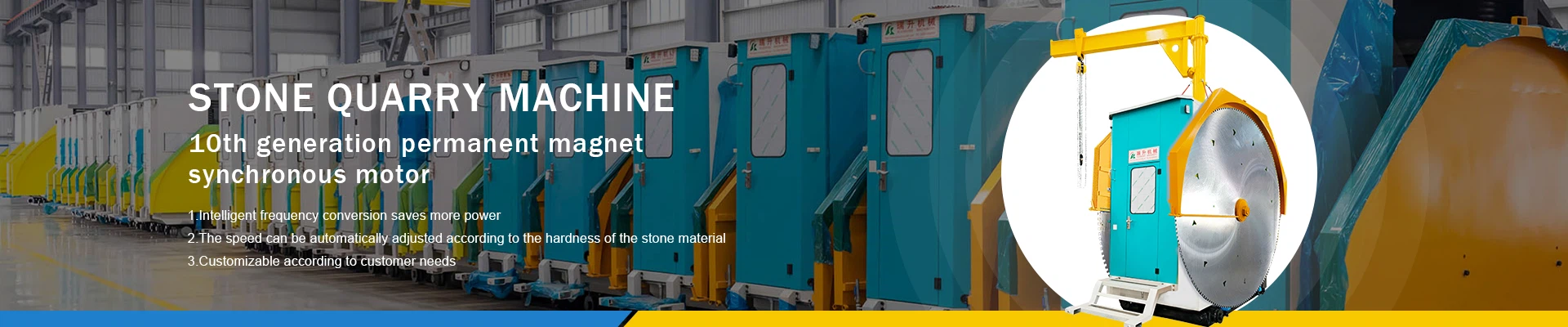
Quarry process stone refers to the various stages and methods involved in extracting and processing natural stone from quarries. This process is essential for providing raw materials used in construction, architecture, and other industries. Here's an overview of the key aspects of quarry process stone:
1. Extraction Methods
Open-Pit Quarrying: This is the most common method, where large stone blocks are removed from surface pits. It is particularly effective for stones like granite, limestone, marble, and sandstone. The process involves:
Removing the overburden (soil and vegetation) using heavy machinery.
Drilling holes into the stone face and filling them with explosives to separate the stone into manageable blocks.
Wire Sawing: This method uses a diamond-coated wire to cut through hard rock with precision. It is ideal for high-value stones like marble and granite, offering reduced environmental impact and minimal waste.
Channeling Machines: These machines cut deep channels into the quarry face, segmenting large blocks of stone. They are particularly effective for softer stones like limestone and sandstone.
Drilling and Blasting: This method involves drilling holes into the rock and filling them with explosives to break the rock into manageable pieces. It is highly efficient for hard stones like granite and basalt.
2. Processing Techniques
Cutting: Extracted stone slabs are cut into desired sizes and shapes using saws like circular saws, gang saws, and wire saws. Diamond blades are often used for cutting hard stones like granite.
Surface Finishing: This involves treating the stone's surface to achieve various textures and appearances, such as polishing, honing, sandblasting, and bush hammering.
Shaping and Carving: Stonemasons use chisels, hammers, and pneumatic tools to shape and carve stones into intricate designs and patterns.
Quality Control: Inspections are conducted throughout the extraction and processing stages to ensure the stones meet required specifications.
3. Types of Stone Extracted
Granite: Known for its durability and used in construction and decorative applications.
Limestone: Commonly used in construction aggregates and architectural applications.
Marble: Valued for its aesthetic appeal and used in decorative and architectural projects.
Sandstone: Often used in construction and landscaping due to its ease of cutting and shaping.
4. Environmental Considerations
Modern quarrying practices increasingly focus on sustainability, including:
Using advanced technologies for precision cutting to reduce waste.
Recycling water used in processing.
Rehabilitating quarry sites after extraction to restore natural habitats.
Conclusion
Quarry process stone involves a series of extraction and processing techniques designed to provide high-quality stone materials for various applications. The methods used depend on the type of stone, the quarry's geographical conditions, and the desired outcome. By integrating sustainable practices, the industry aims to minimize environmental impact while meeting the demands of construction and other sectors.
what is the process of engineered stone composite
Engineered stone composite, also known as engineered quartz or artificial stone, is a versatile material widely used in construction and interior design. It is a composite material made by binding crushed stone (primarily quartz) with adhesive, typically polyester resin. Here's a detailed breakdown of the manufacturing process:
1. Material Preparation
Selection of Raw Materials: The process begins with the careful selection of high-quality raw materials. Quartz crystals are mined from quarries worldwide and carefully inspected to ensure they meet the desired standards for color, clarity, and consistency.
Weighing and Mixing: The raw materials-quartz aggregates, polymer resins, and pigments-are weighed accurately according to specific formulations. This ensures that the material mix is consistent and adheres to the desired quality standards.
Ensuring Homogenous Distribution: The materials are thoroughly mixed to ensure the even distribution of quartz particles, resins, and pigments. This is essential for creating a uniform texture, color, and performance in the finished product.
2. Mold Filling & Compaction
Pouring Mixture into Molds: The prepared mixture is poured into large molds, typically made of stainless steel or other durable materials. The mold size and shape depend on the specific requirements of the project.
Vacuum & Vibration Process: To remove any trapped air bubbles and ensure that the mixture is dense and compact, a vacuum is applied, and the molds are subjected to vibration. This process helps in eliminating weak spots and contributes to the strength of the final product.
Importance of Pressure and Vibration Frequency: The right amount of pressure and vibration frequency are critical for ensuring that the material is compacted evenly, resulting in a consistent, high-density engineered stone slab.
3. Curing & Hardening
Heat Treatment in Industrial Ovens: The filled molds are transferred to industrial ovens, where they undergo a polymerization process. This heat treatment solidifies the resin, binding the quartz particles together to create a durable, cohesive material.
Temperature Control: The temperature is carefully controlled during this process, typically ranging from 80°C to 120°C, to ensure proper curing without compromising the quality of the engineered stone.
Cooling and Demolding: After curing, the molds are cooled gradually to room temperature, allowing the engineered stone to harden completely. Once cooled, the slabs are removed (demolded) from the molds, ready for the next phase of production.
4. Slab Cutting & Calibration
Cutting Large Blocks into Slabs: The hardened engineered stone blocks are cut into slabs using high-precision diamond wire saws. This ensures clean, accurate cuts with minimal material wastage.
Precision Calibration for Uniform Thickness: The slabs are then calibrated to achieve uniform thickness. Common thicknesses are typically 2cm or 3cm, depending on the intended use of the slabs.
Edge Profiling: Finally, the edges of the slabs are shaped or profiled to meet specific design requirements. Options include straight, beveled, or bullnose edges, depending on the desired appearance and application.
Key Characteristics of Engineered Stone Composite
Durability: Engineered stone is highly durable and resistant to stains, scratches, and heat.
Low Maintenance: Unlike natural stone, engineered stone does not require regular sealing and is highly resistant to staining.
Aesthetic Appeal: The manufacturing process allows for a wide range of colors and patterns, making it highly versatile for various design applications.
Non-Porous Surface: The non-porous nature of engineered stone makes it antifungal and antibacterial, making it suitable for commercial settings.
Applications
Engineered stone composite is widely used for:
Kitchen and bathroom countertops.
Wall cladding.
Stairs, window sills, and bar counters.
Flooring and decorative elements.
By combining natural minerals with polymer resins, engineered stone composite offers a durable, low-maintenance, and aesthetically pleasing alternative to natural stone, making it a popular choice for various applications in construction and interior design.
what process can turn lime stone into marble
The process of turning limestone into marble is called metamorphism. This natural transformation occurs when limestone is subjected to intense heat and pressure deep within the Earth's crust. Here's a detailed explanation of how this process works:
Key Factors in the Transformation
Heat and Pressure:
Heat: High temperatures, often provided by intrusions of magma, cause the calcite crystals in limestone to recrystallize. This recrystallization process involves the breakdown and reformation of calcite crystals, resulting in a denser and more stable crystalline structure.
Pressure: The immense pressure from overlying rock layers or tectonic movements compacts the calcite crystals, making them grow larger and interlock. This interlocking of crystals gives marble its characteristic texture and strength.
Chemical Reactions:
During metamorphism, impurities in the limestone, such as clay, silt, sand, or iron oxides, can react with the surrounding minerals. These reactions can produce new minerals like mica, quartz, or graphite, which contribute to the unique color and veining patterns found in marble.
Formation of Marble
Recrystallization: The combination of heat and pressure causes the calcite crystals in limestone to recrystallize, forming interlocking calcite crystals. This process alters the texture and structure of the stone, resulting in the formation of marble.
Color and Veining: The presence of impurities and the varying conditions during metamorphism give each marble its unique appearance. For example, pure white marble like Carrara marble is formed from limestone with few impurities, while richly colored marbles owe their hues to specific minerals and elements.
Types of Metamorphism
Regional Metamorphism: This occurs over large areas and results in more uniform changes throughout the limestone.
Contact Metamorphism: This happens when magma intrudes into limestone, causing localized changes. The effects vary by distance from the interface between the magma and limestone.
Summary
The transformation of limestone into marble is a natural process driven by metamorphism. The intense heat and pressure deep within the Earth cause the calcite crystals in limestone to recrystallize, forming interlocking crystals that give marble its distinctive texture and appearance. This process can also introduce new minerals and impurities, resulting in the wide variety of colors and patterns seen in marble.
what process causes such stones to become smooth
The process that causes stones to become smooth, especially in industrial or artisanal contexts, involves several techniques and methods. Here are some of the key processes used to achieve a smooth finish on stones:
1. Grinding
Grinding is the initial step in surface treatment aimed at removing irregularities from slab surfaces. This is done using metallic or resin-bonded grinding heads embedded with industrial diamonds. This step establishes a flat and even base for further processing.
2. Honing
Honing follows grinding and produces a smooth, matte finish. It enhances the natural color of the stone and is preferred in applications where a non-glossy, refined surface is desired, such as bathroom walls or floors with minimal glare.
3. Polishing
Polishing is one of the most common finishing techniques, involving the application of progressively finer abrasives-usually up to 8000 mesh-to create a mirror-like reflective surface. Polished stone is prized for interior flooring, countertops, and decorative panels.
4. Flaming
Flaming is a thermal treatment typically used on granite. High-temperature torches expose the stone surface to rapid heat followed by cold water, creating a rough, slip-resistant texture ideal for outdoor applications like pavements and stairs.
5. Bush Hammering
Bush hammering uses pneumatic tools with multiple pointed tips that systematically pound the stone surface to produce a coarse, pitted texture. This finish is favored for external facades and landscaping.
6. Sandblasting
Sandblasting employs high-pressure streams of silica or metal particles to erode the stone surface, resulting in a uniformly rough finish. It's a preferred method for monuments, signage, and contemporary rustic designs.
7. Brushing and Antiquing
These methods involve the use of nylon or wire brushes that gently wear down softer parts of the stone to give an aged, weathered appearance. They are often used for rustic or traditional architectural designs.
8. Leathering
Leather finishing uses diamond-tipped brushes to create a textured, non-reflective surface with a soft touch. It is popular in luxury kitchens and bathroom vanities.
9. Tumbling
Tumbling is an aging process where natural stone is placed in a vibrating drum-like machine with smaller, more resistant stones that wear the tile completely. This process simulates aging and generates soft surfaces and edges.
10. Brushed Finish
Brushed finish is achieved by brushing the stone surface with wire rotary brushes. This process slightly abrades the surface, creating a soft, textured look that exudes a sense of weathered elegance.
11. Sawn Finish
Sawn finish involves cutting the stone with a saw, leaving a smooth surface that may be further refined by grinding or honing.
Summary
The process of making stones smooth involves a combination of grinding, honing, polishing, and other specialized techniques like flaming, bush hammering, and sandblasting. Each method is chosen based on the desired final appearance and the specific application of the stone. These processes transform rough, irregular stones into smooth, polished surfaces suitable for various architectural and decorative uses.
what processing procs more polished stone
The process that produces more polished stone involves several stages of grinding and polishing. Here's a detailed breakdown of the techniques and methods used to achieve a high-gloss, polished finish on stone surfaces:
1. Initial Cutting and Block Preparation
After extraction from quarries, large stone blocks are transported to processing facilities where they undergo primary cutting using gang saws or diamond wire saws. These machines slice the block into slabs of uniform thickness (typically 2 cm or 3 cm).
2. Grinding
Grinding is the preliminary surface treatment aimed at removing irregularities from slab surfaces. This step uses metallic or resin-bonded grinding heads embedded with industrial diamonds to establish a flat and even base for further processing.
3. Honing
Honing follows grinding and produces a smooth, matte finish. It enhances the natural color of the stone and is preferred in applications where a non-glossy, refined surface is desired. Honing prepares the stone for the final polishing stage by creating a smooth surface.
4. Polishing
Polishing is one of the most common finishing techniques, involving the application of progressively finer abrasives-usually up to 8000 mesh-to create a mirror-like reflective surface. Key parameters in polishing include:
Pressure applied on polishing heads
Speed of the conveyor belt
Stone hardness
Use of water or polishing compounds
5. Mechanical Polishing Methods
Stone Polishing Machine: This versatile machine is equipped with a sharpening head that automatically moves in a specific pattern, allowing for precise and consistent grinding of stone surfaces. The machine presses the polishing head against the stone, grinding the surface until it reaches the desired gloss and smoothness.
Drill with Grinding Wheel: Another method involves using a drill equipped with a water-soaked grinding wheel. This method is effective for refining stone surfaces and achieving a high shine.
6. Advanced Techniques
Diamond Honing: This method uses a floor machine, plain water, and special floor pads with tiny diamonds to gently polish the stone surface. It smoothens the stone without causing significant damage.
Crystallisation: For high-traffic areas, a chemical polishing process called crystallisation is used. This method involves spraying a crystalliser polish liquid on the floor and buffing it in with a speed machine equipped with steel wool. It's particularly suitable for calcium-based surfaces like marble, travertine, or limestone.
7. Quality Control and Final Inspection
After the polishing process, the stone slabs undergo a final inspection to ensure they meet the required quality standards. This includes checking for uniform gloss, absence of scratches, and overall surface smoothness.
Summary
Achieving a polished stone surface involves a series of steps, including initial cutting, grinding, honing, and final polishing. The use of specialized machinery and techniques, such as diamond-impregnated pads and crystallisation processes, ensures a high-gloss, reflective finish. The entire process requires precision, attention to detail, and the right equipment to produce polished stone suitable for various architectural and decorative applications.
where to get a mass processing stone
If you are looking for mass processing stone suppliers, equipment manufacturers, or processing plants, here are some options based on the search results:
Mass Processing Stone Suppliers
Donghai Kindfull Crystal:
Location: Donghai, China
Features: High reliability with 100% on-time delivery and rapid response times (≤1 hour). Suitable for time-sensitive orders.
Reorder Rate: 38%
Production Area: 2,000m²
Yiwu Hongzhuo:
Location: Yiwu, China
Features: High customer retention rate of 48%, indicating consistent quality.
Reorder Rate: 48%
Production Area: Not specified
Guangdong Mushang Future:
Location: Guangdong, China
Features: Large production area of 4,800m², suitable for bulk orders.
Reorder Rate: Not specified
Production Area: 4,800m²
Mass Stone Processing Equipment Manufacturers
Breton:
Location: Italy
Features: Offers a wide range of equipment for stone processing, including single wire NC multiaxis shaping machines, numerically controlled stone slab handling robots, and resin treatment systems.
Products:
Single wire NC multiaxis shaping machine: Capable of complex profiling and roughing of blocks and slabs.
Numerically controlled stone slab handling robot: Suitable for highly automated plants.
Resin treatment systems: Ideal for marble and other natural stone slabs.
Denver S.p.a.:
Location: Italy
Features: Known for its innovative machines for stone and glass processing. Offers a range of equipment suitable for both artisan workshops and mass production.
Products:
Quasar machine: Single head edge polisher for marble, granite, and stone slabs.
SKEMA cutting machine: Modern cutting machine with upper movement, turning head, and fixed bench.
CNC QUOTA range: Compact working centers for various stone processing tasks.
Yongtao Machinery:
Location: China
Features: Specializes in manufacturing a full set of stone mosaic machines, including cutting machines, calibrating machines, and polishing machines.
Products:
Stone mosaic cutting machine
Marble mosaic calibrating machine
Marble mosaic polisher machine
Mass Stone Processing Plants
Hebei Kangshun Mineral:
Location: Hebei, China
Features: Achieves 100% on-time delivery with rapid response times (≤1 hour), making it ideal for time-sensitive orders.
Reorder Rate: Not specified
Production Area: Not specified
Hongkong YesGem:
Location: Hong Kong
Features: Strong performance despite being a newer player in the market.
Reorder Rate: Not specified
Production Area: Not specified
SHENZHEN UBIOTEK:
Location: Shenzhen, China
Features: Leading in revenue among newer players, indicating strong market performance.
Reorder Rate: Not specified
Production Area: Not specified
Recommendations
For reliable suppliers with high on-time delivery rates, consider Donghai Kindfull Crystal or Hebei Kangshun Mineral.
For large-scale production, Guangdong Mushang Future offers a substantial production area suitable for bulk orders.
For high-quality equipment, Breton and Denver S.p.a. provide advanced solutions for both artisan workshops and mass production.
For stone mosaic processing, Yongtao Machinery offers a comprehensive range of machines suitable for various processing needs.
These suppliers and manufacturers offer a range of options for mass processing stone, from reliable suppliers to advanced equipment manufacturers.
what is processed stone
Processed stone refers to natural or artificial stone materials that have been cut, shaped, and finished for various construction and decorative applications. Here's a detailed overview:
Definition
Processed stone is a type of aggregate that has been mechanically crushed and sorted by size and density. It is commonly used in construction, landscaping, and the manufacturing of concrete and cement. This material can be derived from various types of natural rock, such as granite, limestone, sandstone, and dolomite.
Types of Processed Stone
1.Crushed Stone: This is natural rock that has been blasted and processed into smaller pieces. Common types include limestone, dolomite, granite, and traprock.
2.Processed Gravel: Manufactured by crushing natural rock into smaller, uniform pieces. It is often used for driveways, paths, and as a base material.
3.Stone Dust: A byproduct of stone processing, used for filling gaps and creating a stable base in construction projects.
4.Artificial Quartz Stone: A composite material made from quartz crystals, resin, and other elements. It is highly durable and used for countertops and decorative purposes.
Uses
Construction: As a base material for roads, driveways, and foundations.
Landscaping: For decorative purposes, such as in flower beds, walkways, and retaining walls.
Manufacturing: Used in the production of concrete, cement, and other building materials.
Decorative Applications: Processed stone like bamboo marble is used for wall cladding and interior decoration.
Processing Methods
Crushing: Natural rock is blasted and mechanically crushed into smaller pieces.
Screening: The crushed stone is sorted by size to ensure uniformity.
Polishing and Finishing: Some stones undergo additional processing like polishing to enhance their appearance.
Processed stone is a versatile material with a wide range of applications in both construction and decorative projects.
what is the process of engineered stone
The process of manufacturing engineered stone involves several steps to create a durable and aesthetically pleasing product. Here's a detailed overview of the process:
Raw Materials
Engineered stone primarily consists of natural quartz aggregates, which make up 93-95% of the material. The quartz is sourced from natural deposits, crushed into fine aggregates, washed to remove impurities, and graded for uniformity. The remaining 5-10% consists of polymer resins, pigments, and additives. These resins, usually polyester or epoxy, act as binding agents that hold the quartz particles together.
Manufacturing Process
Material Preparation:
Weighing and Mixing: Quartz aggregates, polymer resins, and pigments are weighed accurately and mixed thoroughly to ensure a homogenous distribution. This step is crucial for achieving consistent texture, color, and performance in the final product.
Mold Filling & Compaction:
Pouring Mixture into Molds: The prepared mixture is poured into large molds, typically made of stainless steel.
Vacuum & Vibration Process: A vacuum is applied, and the molds are vibrated to remove air bubbles and ensure the mixture is dense and compact. This process helps eliminate weak spots and contributes to the strength of the final product.
Curing & Hardening:
Heat Treatment: The filled molds are transferred to industrial ovens where they undergo a polymerization process at temperatures typically ranging from 80°C to 120°C. This heat treatment solidifies the resin, binding the quartz particles together to create a durable, cohesive material.
Cooling and Demolding: After curing, the molds are cooled gradually to room temperature, allowing the engineered stone to harden completely. Once cooled, the slabs are removed from the molds.
Slab Cutting & Calibration:
Cutting Large Blocks into Slabs: The hardened engineered stone blocks are cut into slabs using high-precision diamond wire saws to ensure clean, accurate cuts.
Precision Calibration: The slabs are calibrated to achieve uniform thickness, typically 2cm or 3cm, depending on the intended use.
Edge Profiling: The edges of the slabs are shaped or profiled to meet specific design requirements, such as straight, beveled, or bullnose edges.
Surface Finishing:
Polishing Stages: The slabs undergo a series of polishing stages, starting with coarse abrasives and gradually moving to finer ones, to enhance the surface's smoothness and gloss.
Different Finishes: Engineered stone can be finished in various ways, including glossy, matte, leather, or textured surfaces, to meet different design preferences.
Quality Inspection: Before packaging and shipping, the slabs undergo a strict quality inspection to ensure they are free from cracks, defects, and color inconsistencies.
Environmental Impact
The manufacturing process of engineered stone is energy-intensive, involving crushing, mixing, vacuuming, compaction, and high-temperature curing. The use of petroleum-based resins also contributes to its carbon footprint. However, some manufacturers are exploring the use of bio-based resins to mitigate this impact.
In summary, the process of manufacturing engineered stone involves careful selection and processing of raw materials, precise mixing, compaction, curing, cutting, and finishing to create a durable and aesthetically pleasing product.
what is the process to make quartz stone
The process of making quartz stone involves several steps, from the extraction of raw materials to the final polishing of the slabs. Here's a detailed overview of the manufacturing process:
1. Extraction of Quartz
Quartz is primarily extracted via open-pit mining. Bulldozers and backhoes remove the surrounding soil and clay to expose the crystal veins. Once exposed, workers use hand tools like chisels to extract the quartz with precision.
2. Processing of Quartz
After extraction, the quartz undergoes a cleaning process to remove chemical impurities and visible flaws. It is then crushed, screened, and ground into varying sizes using crushers and milling equipment. Fine quartz powder is produced through grinder mills, ready for manufacturing applications.
3. Blending
The raw quartz is crushed and blended with other materials. Typically, the mixture consists of 93% quartz aggregates and 7% resin binder, along with other premium additives. This step ensures a uniform look and consistency in the final product.
4. Pressing of Slabs
The blended mixture is compacted into slabs using a vacuum and vibration method. This process applies high pressure (about 100 tons) for approximately 100 seconds to ensure uniformity and density. The vacuum helps remove any air bubbles or particles, resulting in a dense and uniform slab.
5. Heating Process (Curing)
The slabs are then placed in a kiln and heated at around 85 degrees Celsius for about half an hour. This curing process ensures the slabs attain the necessary properties for stain and impact resistance. Sometimes, steam or ovens are used to accelerate the curing process.
6. Cooling and Trimming
After curing, the slabs are held upright using clamps and cooled for 24-36 hours. The edges of the slabs are then trimmed and leveled to perfection.
7. Polishing
The final step involves polishing the slabs to achieve a smooth and shiny surface. Various methods are used to give the quartz slabs the desired finish, making the surface both aesthetically pleasing and functional.
Quality Assurance
The engineered quartz manufacturing process ensures consistency and uniformity in shade and dimension. This results in a more consistent color, pattern, and texture compared to natural stones. The ability to fabricate large slabs also means fewer joints and better aesthetics.
This manufacturing process combines natural materials with advanced techniques to produce durable and aesthetically appealing quartz stone products.
what process causes stones to become smooth
The process that causes stones to become smooth is primarily due to weathering and erosion. These natural processes break down and wear away rocks over time, resulting in smoother surfaces. Here's a detailed look at the key processes involved:
1. Weathering
Weathering is the breakdown of rocks, soils, and minerals through direct contact with the Earth's atmosphere, water, and biological organisms. There are two main types of weathering:
Physical Weathering: This involves the mechanical breakdown of rocks into smaller pieces without changing their chemical composition. Common types include:
Freeze-Thaw Weathering: Water seeps into cracks in rocks, freezes, expands, and eventually causes the rock to break apart.
Thermal Expansion and Contraction: Temperature changes cause rocks to expand and contract, leading to cracks and eventual breakdown.
Abrasion: Wind and water carry small particles that collide with rocks, gradually wearing them down.
Chemical Weathering: This involves the chemical breakdown of rocks through reactions with water, oxygen, and other substances. Common types include:
Hydration: Water reacts with minerals in the rock, causing them to expand and break apart.
Oxidation: Minerals in rocks react with oxygen, leading to the formation of new compounds that can weaken the rock.
Carbonation: Carbon dioxide in water reacts with minerals, especially in limestone, causing them to dissolve.
2. Erosion
Erosion is the process by which weathered rock and soil are transported from one place to another by natural agents like water, wind, ice, and gravity. Erosion contributes to the smoothing of stones in several ways:
Water Erosion: Rivers, streams, and waves carry rocks and pebbles, causing them to collide with each other and the riverbed or shoreline. Over time, these collisions smooth the surfaces of the stones.
Riverbeds: In riverbeds, the constant movement of water and the grinding action of sand and pebbles smooth the stones.
Beaches: Waves and tidal actions on beaches also smooth stones through constant abrasion.
Wind Erosion: Wind carries sand and small particles that collide with rocks, gradually wearing them down. This process is particularly effective in desert environments.
Sandblasting: Wind-blown sand can act like sandpaper, smoothing the surfaces of rocks over time.
Glacial Erosion: Glaciers moving over the landscape can pick up and transport rocks. The grinding action of the glacier against the bedrock smooths and polishes the stones.
3. Biological Weathering
Biological weathering involves the breakdown of rocks by living organisms. This can also contribute to the smoothing of stones:
Plant Roots: Plant roots grow into cracks in rocks, exerting pressure and causing the rock to break apart.
Lichens and Mosses: These organisms can secrete acids that chemically weather the rock surface, leading to smoother textures over time.
4. Human Activities
Human activities can also smooth stones, although this is less common in natural settings:
Polishing: In industrial settings, stones are polished using machines and abrasives to achieve a smooth surface.
Foot Traffic: In high-traffic areas, constant foot traffic can smooth stones over time.
Summary
The smoothing of stones is primarily a result of natural processes like weathering and erosion. Physical and chemical weathering break down rocks, while water, wind, and glacial erosion wear them down through constant abrasion. Over time, these processes result in the smooth, rounded stones often found in riverbeds, beaches, and deserts.
what process was used to shape the large sarsen stones
The large sarsen stones, such as those used in the construction of Stonehenge, were shaped using a combination of traditional techniques and tools. Here's a detailed overview of the process:
1. Initial Shaping and Roughing Out
Hammerstones and Mauls: The initial shaping of the sarsen stones was done using large sarsen and flint hammerstones, also known as "mauls." These tools were used to roughly flake and chip away at the stone to achieve the desired shape.
Wedge and Feather Technique: For splitting the stones into more manageable sizes, the wedge and feather (plug and feather) technique was employed. This involved drilling holes into the stone and inserting wedges and feathers to split the stone along its natural grain.
2. Refining and Smoothing
Smaller Hammerstones: After the initial rough shaping, smaller hammerstones were used to refine the surface and achieve a smoother finish.
Chisels and Files: Hand tools such as chisels and files were used for finer work and detailing, allowing the stonemasons to achieve precise contours and textures.
3. Creating Joints and Fittings
Mortise and Tenon Joints: To fit the upright stones with the horizontal lintels, mortise holes and protruding tenons were created. The lintels were slotted together using tongue and groove joints, similar to woodworking techniques.
Final Fitting: The final stage of shaping the tenons took place after the stones were raised into position, ensuring a good fit into the mortise holes of the lintel.
4. Polishing and Finishing
Surface Polishing: The surfaces of the stones were polished using finer abrasives, such as silicon carbide, to achieve a smooth and shiny finish.
Quality Inspection: The stones were inspected for accuracy and quality, with any irregularities or defects being corrected.
5. Erection and Placement
Digging Holes and Using Ramps: To erect the stones, large holes with sloping sides were dug. The stones were then moved into position and hauled upright using plant fiber ropes and wooden A-frames.
Timber Platforms: For placing the horizontal lintels, timber platforms were likely used to lift the stones into position.
Summary
The shaping of large sarsen stones, such as those used at Stonehenge, involved a combination of traditional techniques and tools. The process included initial rough shaping with hammerstones, refining with smaller tools, creating precise joints, and final polishing. These methods required significant skill and labor, reflecting the advanced stoneworking capabilities of the time.
where to buy processing stone bdo
In Black Desert Online (BDO), you can purchase Processing Stones from various NPCs. Here are the details:
Green Grade Processing Stones
Camellia Loggia in Loggia Farm sells Green Grade Processing Stones for 1,000,000 Silver.
Zaaira in Velia also sells Green Grade Processing Stones for 1,500,000 Silver.
Blue Grade Processing Stones
Zaaira in Velia sells Blue Grade Processing Stones for 15,000,000 Silver.
Techthon in Heidel sells Blue Grade Processing Stones for 10,000,000 Silver.
Marutuba in Ahib Conflict Zone sells Blue Grade Processing Stones for 10,000,000 Silver.
Hughol in Duvencrune sells Blue Grade Processing Stones for 10,000,000 Silver.
Yellow Grade Processing Stones
Yellow Grade Processing Stones can be crafted by players or purchased from the Central Market. The crafting recipe includes:
Moonlight Opal x30
Gem Polisher x15
Manos Stone x5
Magical Shard x50.
These stones are used for higher-level processing tasks and can significantly enhance your Processing Mastery in the game.


