

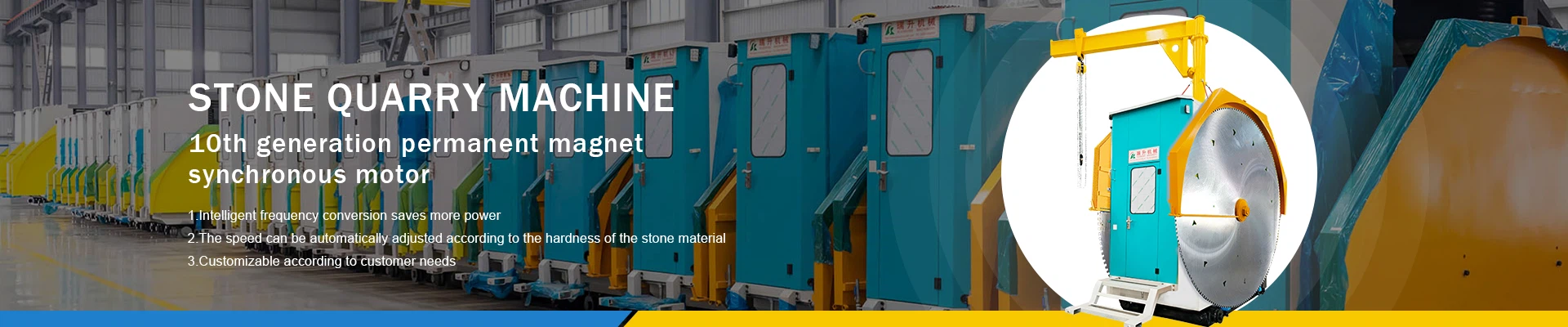
Huge diamond mining machines can vary significantly in cost depending on their size, capabilities, and the technology they employ. Here's a breakdown of the costs and factors influencing them:
Cost Range
Small to Medium-Sized Machines: These can cost anywhere from $1 million to $10 million.
Large and Advanced Machines: The cost can escalate to over $100 million for the largest and most technologically advanced machines.
Factors Influencing Cost
Size and Capacity:
Larger machines capable of handling deeper and more extensive mining operations are significantly more expensive. For example, the BelAZ 75710, one of the largest mining trucks in the world, costs around £5 million.
Technology and Features:
Advanced technologies such as automated drilling systems, high-pressure water jets, and advanced sorting mechanisms can significantly increase the cost.
Durability and Maintenance:
Machines designed for harsh conditions and requiring less maintenance are more expensive. High-quality steel wire ropes, for instance, can enhance the durability and efficiency of these machines.
Operational Efficiency:
Machines that offer higher cutting efficiency and lower operational costs are more expensive upfront but can be more cost-effective in the long run.
Examples of High-Cost Machines
Aikhal Diamond Mine Equipment: The Aikhal mine in Russia, one of the largest diamond mines in the world, uses highly advanced and expensive equipment for both open-pit and underground mining.
Jwaneng Diamond Mine Equipment: The Jwaneng mine in Botswana, known for its high-value diamond production, employs state-of-the-art machinery that can cost tens of millions of dollars.
Financing and Maintenance
Financing: Many mining companies finance the purchase of these machines through long-term loans or leasing agreements.
Maintenance: Regular maintenance is crucial to ensure the longevity and efficiency of these machines. This can add to the overall cost but is necessary for optimal performance.
In summary, the cost of huge diamond mining machines can range from $1 million to over $100 million, depending on their size, technology, and operational capabilities.

What are the main factors affecting the price of huge diamond mining machines?
The price of huge diamond mining machines can vary significantly, ranging from $1 million to over $100 million. Several key factors contribute to this high cost:
Size and Capacity: Larger machines with higher capacities are more expensive due to the increased amount of materials and engineering required.
Advanced Technology: Modern diamond mining machines often incorporate advanced technologies such as remote sensing, geophysical surveys,
and automated equipment, which enhance efficiency and safety but also increase costs.
Durability and Materials: High-quality, durable materials are used to withstand harsh mining conditions, contributing to the overall cost.
Complexity and Customization: Machines designed for specific mining conditions or customized for particular operations can be more expensive.
Environmental and Safety Features: Incorporating features to minimize environmental impact and ensure worker safety adds to the cost.
Market Dynamics: Fluctuations in global diamond prices, currency exchange rates, and geopolitical factors can influence the cost of mining machines.
Labor and Operational Costs: The cost of labor for manufacturing and maintaining these machines, as well as operational costs like fuel and maintenance, also play a role.
These factors collectively determine the high price tag of diamond mining machines, reflecting their complexity, technological sophistication, and the demanding conditions they operate in.
How do maintenance costs compare to the initial investment?
For large diamond mining machines, both the initial investment and maintenance costs are crucial factors in assessing their economic viability. Here's a detailed comparison:
1. Initial Investment
Cost Range: The initial investment for large diamond mining machines can range from $1 million to over $100 million. These machines are typically used for deep mining operations and require advanced technology and complex mechanical structures.
Key Factors:
Machine Size and Capacity: Larger machines capable of handling deeper mines and more complex geological conditions come with higher costs.
Technological Complexity: Advanced automation systems, high-precision drilling equipment, and environmental technologies significantly increase the cost.
Durability and Reliability: High-quality materials and advanced designs enhance the machine's durability and reliability, which can reduce long-term maintenance costs.
2. Maintenance Costs
Annual Maintenance Costs: Maintenance costs typically account for 10% to 15% of the equipment's value. For example, a diamond mining machine valued at $5 million might incur annual maintenance costs of $500,000 to $750,000.
Key Maintenance Items:
Regular Inspections and Calibration: Monthly inspections costing around $300.
Component Replacement: Quarterly replacements costing around $1,500.
Cleaning and Maintenance: Weekly cleaning and maintenance costing around $200.
Software Updates: Annual updates costing around $2,000.
Other Factors:
Labor Costs: The wages of the maintenance team are a significant part of maintenance costs, typically accounting for 30% to 50% of total maintenance costs.
Equipment Wear and Tear: In harsh mining environments, equipment wears out faster, requiring more frequent maintenance.
Downtime Costs: Equipment failures leading to downtime can significantly impact production efficiency and add to indirect costs.
Comparison Summary
Initial Investment: While the initial investment is high, high-quality equipment generally offers higher efficiency and lower long-term maintenance costs.
Maintenance Costs: Although maintenance costs are ongoing, effective maintenance strategies can significantly reduce equipment failures and downtime, thereby enhancing overall operational efficiency.
Conclusion
For large diamond mining machines, both the initial investment and maintenance costs need to be carefully weighed. High-quality equipment, despite the higher initial investment, can lead to greater efficiency and lower long-term maintenance costs. Maintenance costs, while continuous, can be minimized through effective maintenance practices, reducing equipment failures and downtime, and ultimately improving overall operational efficiency.
How can businesses reduce maintenance costs in diamond mining operations?
To reduce maintenance costs in diamond mining operations, businesses can implement several strategies that focus on optimizing processes, leveraging technology, and improving maintenance practices. Here are some effective approaches based on recent insights:
1. Implement Predictive Maintenance
Predictive maintenance uses AI-based monitoring and real-time operator data to forecast equipment failures. By using condition-based maintenance tools, mining companies can reduce downtime, extend asset lifespan, and cut repair costs. This proactive approach helps detect issues before they escalate into costly repairs.
2. Optimize Fleet Management
Using advanced fleet management systems like Hexagon's OP Pro can significantly enhance operational efficiency. These systems provide real-time insights into production, optimize equipment assignments, and reduce unnecessary downtime. For example, a trial with OP Pro Optimizer increased productivity by 11.56% and reduced loader hangtime.
3. Adopt Lean Six Sigma Principles
Lean Six Sigma methodologies can help identify and address inefficiencies in mining operations. De Beers, for instance, implemented these principles to reduce cycle times, optimize equipment dimensions, and improve overall efficiency, resulting in significant cost reductions.
4. Regular Equipment Servicing
Regular servicing of machinery is crucial to prevent minor issues from turning into costly repairs. Poorly maintained equipment leads to higher repair costs and increased downtime. Implementing a preventive maintenance program can improve safety, lower costs, and enhance operational efficiency.
5. Utilize Real-Time Monitoring Tools
Real-time monitoring tools provide continuous updates on equipment condition and performance metrics. This allows maintenance teams to identify issues early, schedule repairs proactively, and optimize asset management, reducing overall maintenance expenses.
6. Optimize Material Handling
Efficient material handling can reduce wear and tear on equipment. For example, a drive-over grid system implemented in a quarry operation reduced damage caused by reversing trailers by 96% and saved 4.6 million liters of water per year. Such innovations can significantly lower maintenance costs.
7. Implement Mobile Work Order Management
Mobile work order management software digitizes maintenance workflows, allowing field technicians to track work orders in real-time, access digital work instructions, and report issues instantly. This improves efficiency and ensures timely maintenance.
8. Train Maintenance Staff
Proper training for maintenance staff ensures they are equipped to handle equipment efficiently and detect potential issues early. Skilled workers can perform maintenance tasks more effectively, reducing downtime and repair costs.
9. Control Spare Parts Inventory
Effective inventory management of spare parts can reduce costs associated with emergency repairs. By integrating inventory management into the maintenance program, companies can ensure timely availability of parts and tools.
10. Use Technology for Cost Reduction
Leveraging technology, such as IoT-enabled maintenance solutions and digital work orders, can streamline maintenance operations and mitigate risks associated with traditional processes. For example, using automated invoicing and receipting processes can improve efficiency and reduce administrative costs.
By implementing these strategies, diamond mining businesses can significantly reduce maintenance costs while enhancing operational efficiency and equipment lifespan.

What are the long-term benefits of investing in high-quality mining equipment?
Investing in high-quality mining equipment offers several long-term benefits that can significantly enhance the efficiency, safety, and profitability of mining operations:
1. Increased Efficiency
High-quality mining equipment is designed to operate at optimal levels, reducing downtime and increasing productivity. For example, advanced drilling machines can achieve higher drilling speeds and precision, leading to faster extraction rates. According to research by Global Mining Equipments, high-quality equipment can boost production efficiency by over 30%.
2. Reduced Operating Costs
While the initial investment in high-quality equipment may be higher, the long-term operating costs are often lower. Durable materials and advanced engineering reduce the frequency of repairs and maintenance, lowering overall maintenance costs. High-quality steel wire ropes and drill bits, for instance, have longer lifespans, reducing the need for frequent replacements.
3. Enhanced Safety
Safety is paramount in mining operations. High-quality equipment often comes with advanced safety features such as automated emergency braking systems and collision avoidance technology. These features can significantly reduce the risk of accidents and injuries. Studies by Duty Insider suggest that high-quality equipment can lower accident rates by over 40%.
4. Adaptability and Flexibility
High-quality mining equipment is designed to be adaptable to various mining conditions and tasks. This adaptability ensures that the equipment can operate efficiently in different environments, from extreme temperatures to challenging terrains. This flexibility not only increases the equipment's utilization rate but also reduces downtime due to environmental factors.
5. Advanced Technology
Modern high-quality mining equipment often incorporates the latest technological advancements, such as automation and data analytics. These technologies can optimize mining processes by providing real-time data and predictive maintenance capabilities, further enhancing operational efficiency and reducing unexpected breakdowns.
6. Long-Term Value
High-quality mining equipment typically has a longer lifespan compared to lower-quality alternatives. This extended lifespan means fewer replacements over time, reducing the total cost of ownership (TCO). For example, high-quality equipment can last 30% longer, significantly lowering the frequency of equipment replacements.
Data-Driven Insights
Productivity Increase: High-quality equipment can enhance production efficiency by over 30%.
Accident Rate Reduction: High-quality equipment can lower accident rates by over 40%.
Extended Lifespan: High-quality equipment can last 30% longer, reducing the need for frequent replacements.
Conclusion
Investing in high-quality mining equipment, despite the higher initial costs, provides substantial long-term benefits. These benefits include increased efficiency, reduced operating costs, enhanced safety, adaptability, advanced technology, and long-term value. By prioritizing high-quality, durable, and technologically advanced equipment, mining companies can achieve higher returns on investment and sustainable operational success.


