

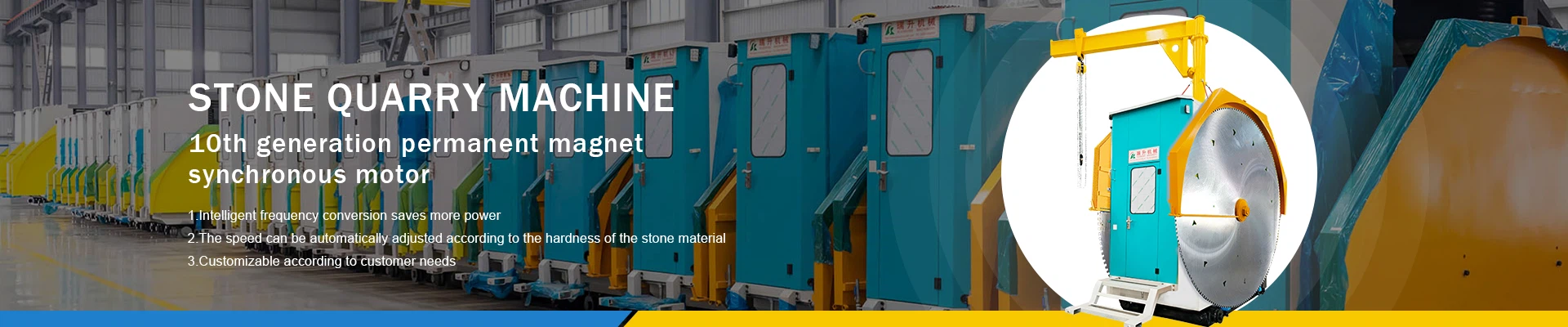
Hydraulic mining machines are specialized equipment used in the mining industry to extract minerals and materials using high-pressure water jets. Here's an overview of what hydraulic mining machines are and how they work:
What is Hydraulic Mining?
Hydraulic mining, also known as hydraulicking, is a method of extracting minerals by using high-pressure jets of water to dislodge and move large quantities of earth, gravel, and rock. This method is particularly effective for placer mining of minerals like gold and tin.
Key Components of Hydraulic Mining Machines
High-Pressure Water Jets (Monitors or Giants): These are the nozzles or cannons that direct powerful water jets at the mining face to dislodge material.
Dams and Reservoirs: These structures store and supply the large volumes of water required for the high-pressure jets.
Canals and Pipelines: These transport water from the reservoir to the mining site.
Sluices and Tailings Ponds: Sluices are used to separate valuable minerals from the slurry, while tailings ponds manage the waste material.
How Hydraulic Mining Machines Work
Surveying and Infrastructure Setup: Miners first survey the deposit to determine its viability. Then, the necessary infrastructure, including dams, reservoirs, and pipelines, is constructed.
Water Jet Operation: High-pressure water jets, controlled by monitors, are directed at the mining face to dislodge material. The resulting slurry is carried away by the water flow.
Material Separation: The slurry is directed through sluices where heavier minerals like gold are separated from lighter materials.
Waste Management: The residual materials, known as tailings, are directed to tailings ponds for disposal.
Advantages of Hydraulic Mining Machines
High Efficiency: Hydraulic mining can efficiently extract minerals from areas that are difficult to access using traditional methods.
Power and Precision: Hydraulic systems offer high power density and precise control, making them suitable for heavy-duty mining tasks.
Durability: Hydraulic equipment is built to withstand harsh mining environments, ensuring long-term reliability.
Environmental Considerations
Hydraulic mining has significant environmental impacts, including erosion, sedimentation, and potential contamination of waterways. These concerns have led to increased regulation and the need for better waste management practices.
Applications
Hydraulic mining is used in various mining operations, including surface and underground mining. It is particularly effective for extracting minerals like gold, tin, and kaolin.
In summary, hydraulic mining machines use high-pressure water jets to dislodge and transport mining materials, offering high efficiency and precision. However, they also come with environmental challenges that require careful management.
How does hydraulic mining impact the environment?
Hydraulic mining, while effective for extracting valuable minerals, has significant environmental impacts that can be long-lasting and severe:
Habitat Destruction
Hydraulic mining involves the massive removal and displacement of earth, leading to the destruction of natural habitats and ecosystems. Rivers and streams can be diverted or filled, and landscapes are reshaped. This process can lead to the loss of biodiversity and the disruption of local ecosystems.
Sedimentation and Water Pollution
The large amounts of sediment released during hydraulic mining are carried into rivers and streams, causing increased turbidity. This harms fish, aquatic plants, and other wildlife, and impacts water quality for downstream communities. In California, sediment-laden rivers led to major flooding and riverbed shifts, affecting agricultural lands and urban areas.
Increased Flooding Risk
Increased sedimentation in waterways can elevate the risk of flooding as riverbeds lose their capacity to carry water. This was a significant issue in cities like Marysville, California, where elaborate levee systems had to be constructed to combat floods exacerbated by hydraulic mining.
Mercury Contamination
Historically, mercury was used in hydraulic mining to separate gold, leading to significant environmental contamination. This mercury persists in waterways and ecosystems, posing a risk to human and animal health. In California, mercury contamination from 19th-century mining operations continues to affect local wildlife and water quality.
Landscape Degradation
The physical alteration of landscapes leaves behind bare, eroded areas that are slow to recover. This degradation can negatively impact biodiversity and the aesthetic value of an area. The scars of hydraulic mining are still visible in places like Malakoff Diggins State Historic Park, where the eroded landscape remains a testament to the mining's impact.
Long-Term Effects
Many of the negative impacts from hydraulic mining are long-term and can outlast the economic benefits. These impacts can be extremely difficult or costly to remediate. For example, mercury contamination in California's waterways is expected to persist for another century.
Conclusion
While hydraulic mining played a crucial role in resource extraction, particularly during the California Gold Rush, its widespread use has left a legacy of severe environmental consequences. These impacts highlight the importance of sustainable mining practices and the need for careful consideration of the long-term effects on the environment.

What are the common minerals extracted by hydraulic mining?
Hydraulic mining is a technique that uses high-pressure water jets to dislodge and move rock material or sediment, particularly effective for extracting minerals from unconsolidated deposits. The common minerals extracted by hydraulic mining include:
Gold: Hydraulic mining has been extensively used for gold extraction, especially from placer deposits and alluvial gravels. The process involves directing water-sediment slurry through sluice boxes to separate gold particles.
Tin: This method is also used for tin mining, particularly in alluvial deposits.
Kaolin: Hydraulic mining is a principal method for extracting kaolin clay, as seen in regions like Cornwall and Devon in South-West England.
Coal: Hydraulic techniques are used to break down coal seams and transport the material to collection points.
Phosphate Rock: In areas like Polk County, Florida, hydraulic mining has been used to mine phosphate rock.
Other Minerals: Hydraulic mining can also be applied to extract minerals from laterites (soil rich in iron oxides) and saprolites (soil rich in clay).
Hydraulic mining is particularly suitable for soft rock mining and can be used for precious stones such as diamonds, emeralds, amethysts, and tanzanite.However, the method requires significant water resources and has historically caused environmental issues such as increased flooding, erosion, and sedimentation in waterways.

Can you explain the process of material separation in hydraulic mining?
In hydraulic mining, the process of material separation is crucial for extracting valuable minerals from the slurry created by high-pressure water jets. Here's a detailed explanation of how this separation process works:
1. High-Pressure Water Jets (Monitors or Giants)
High-pressure water jets, often referred to as "monitors" or "giants," are used to dislodge and move large quantities of earth, gravel, and rock. These jets break down the mining face, creating a slurry that is then transported for further processing.
2. Sluices and Riffles
The slurry is directed through sluices, which are troughs on a slight incline. The bottom of the sluice may have embedded ridges or riffles. As the slurry flows down the sluice, heavier minerals like gold or tin settle to the bottom due to their higher density, while lighter materials are carried away by the water flow.
3. Gravity Separation
Gravity separation is a key technique used in hydraulic mining. This process leverages the different densities of minerals to separate valuable materials from waste. There are several methods of gravity separation used in hydraulic mining:
Hydraulic Classification: This method separates minerals based on their sedimentation speeds in moving water. It is effective for processing ore particles less than 2-3 mm in size.
Mineral Washing: This process is used to separate and remove clay-bound minerals. It involves dispersing clay through soaking and rinsing, followed by separating the mineral sludge from clay using hydraulic classification.
4. Further Processing of Concentrates
The concentrates obtained from sluices often require further processing to extract valuable minerals:
Panning: This is a simple method used for small-scale operations, where the concentrate is placed in a pan and agitated in water to separate heavier minerals.
Rocking: Larger quantities of concentrate can be processed using a rocker, which is a larger version of a pan. The rocker is gently rocked back and forth while water is poured over the concentrate, allowing heavier minerals to settle.
Amalgamation: This process involves mixing the concentrate with mercury to form an amalgam, which helps in collecting fine gold particles. The amalgam is then retorted to recover the gold.
5. Environmental Considerations
The separation process in hydraulic mining has significant environmental impacts. The use of water and the creation of tailings ponds require careful management to minimize erosion, sedimentation, and contamination of waterways.
In summary, the material separation process in hydraulic mining involves using high-pressure water jets to create a slurry, which is then directed through sluices where gravity separation occurs. Further processing methods like panning, rocking, and amalgamation are used to extract valuable minerals from the concentrate. This process is both efficient and complex, requiring careful management to optimize mineral recovery and minimize environmental impacts.


