

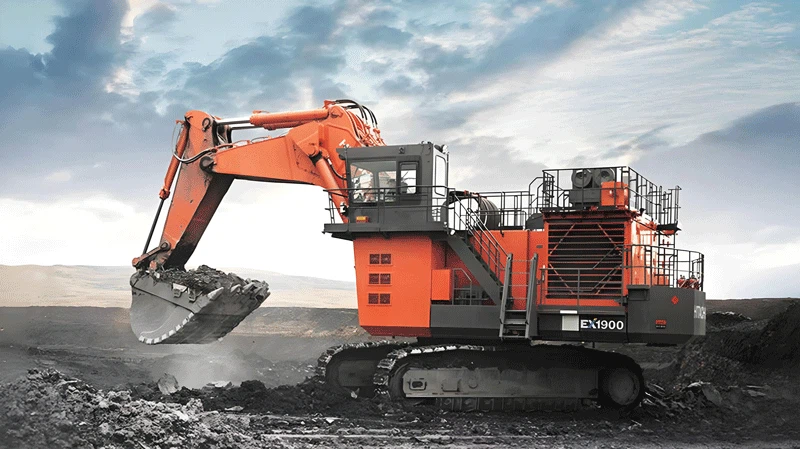
The weight of an excavator bucket can vary significantly based on the size of the excavator, the type of bucket, and its intended use. Here are some general weight ranges and considerations:
Mini Excavator Buckets
Weight Range: 100 kg to 300 kg (220 lbs to 660 lbs)
Capacity: 0.1 to 0.4 cubic meters
Features: Mini excavator buckets are designed for compact machines and are typically lighter to match the smaller size and lifting capacity of these machines.
Medium-Sized Excavator Buckets (4.5-20+ Tonnes)
Weight Range: 300 kg to 1,000 kg (660 lbs to 2,200 lbs)
Capacity: 0.4 to 1.2 cubic meters
Features: These buckets are designed for a wide range of applications and are typically used in construction, landscaping, and utility work.
Large Excavator Buckets (20+ Tonnes)
Weight Range: 1,000 kg to over 2,000 kg (2,200 lbs to 4,400 lbs)
Capacity: 1.2 to 5.0 cubic meters
Features: Large excavator buckets are designed for heavy-duty applications such as mining and quarrying. They are made from high-strength, wear-resistant steel to withstand demanding conditions.
Specific Examples
Caterpillar Mini Excavator Bucket: A standard digging bucket for a mini excavator might weigh around 227 kg (500 lbs) with a capacity of 0.17 cubic meters.
Peterson Cat Heavy Duty Capacity Bucket: For mini excavators, these buckets can weigh around 103 kg (227 lbs) with a capacity of 0.5 cubic meters.
Factors Affecting Bucket Weight
1.Bucket Size and Capacity: Larger buckets require more material and thus weigh more.
2.Material Construction: High-strength, wear-resistant steel is commonly used, which can increase weight.
3.Specialized Features: Features like reinforced cutting edges, wear plates, and quick coupler systems can add to the overall weight.
Understanding the weight of the excavator bucket is crucial for ensuring proper machine balance, operational safety, and maximizing productivity. It's important to select a bucket that matches the excavator's lifting capacity and the specific requirements of the job.
How do I know if my excavator's lifting capacity is enough
To determine if your excavator's lifting capacity is sufficient for a particular task, follow these steps:
1. Check the Operator's Manual or Load Chart
Load Chart: Every excavator comes with a load chart that specifies the lifting capacity at different radii and boom angles. This chart is crucial for understanding the machine's capabilities.
Manufacturer's Specifications: Ensure you have the correct load chart for your specific model. The chart will show the rated lift capacity at various distances from the center of rotation.
2. Determine the Weight of the Load
Know the Load Weight: Before lifting, you must know the exact weight of the load. If the weight is unknown, it should not be lifted until it is determined.
3. Calculate the Lifting Radius
Lifting Radius: Measure the distance from the center of the excavator's swing bearing to the center of the load. This radius will affect the lifting capacity.
4. Check the Excavator's Stability
Tipping Stability: Ensure that the load does not exceed the tipping stability of the excavator. The tipping load is the maximum weight that can be lifted at a specific radius without causing the machine to tip.
5. Consider Dynamic vs. Static Lifting
Static Lifting: This is lifting while the excavator is stationary. The rated capacity is based on this condition.
Dynamic Lifting: If the excavator is moving while lifting (pick and carry), the rated capacity should be reduced to account for dynamic effects. Typically, the dynamic rated capacity is 66% of the static capacity.
6. Use Appropriate Attachments
Lifting Attachments: Ensure that the excavator is fitted with the appropriate lifting attachment. Some buckets have lifting eyes or other attachments specifically designed for lifting operations.
7. Plan the Lift
Risk Assessment: Conduct a risk assessment to plan the entire lifting operation. This includes understanding the load path, ground conditions, and ensuring that the operator is trained and competent.
8. Follow Safety Guidelines
Operator Training: Ensure the operator is trained and understands how to read the load chart and operate the machine safely.
Regular Inspections: Regularly inspect the excavator and its attachments to ensure they are in good condition.

Example Calculation
Determine the Load Weight: Suppose the load weighs 2,000 lbs.
Check the Load Chart: Refer to the load chart for your excavator. If the chart indicates that the excavator can lift 2,000 lbs at the required radius, then it is safe to proceed.
Adjust for Dynamic Lifting: If the lift involves moving the excavator, reduce the rated capacity to 66% of the static capacity. For example, if the static capacity is 2,000 lbs, the dynamic capacity would be 1,320 lbs.
By following these steps and consulting the appropriate load charts, you can ensure that your excavator's lifting capacity is sufficient for the task at hand, maintaining safety and efficiency.
how much does it cost to rent a small excavator
Based on the latest information from reliable sources, here are the rental costs for small and mini excavators:
Mini Excavator Rental Costs
| Weight (lbs) | Daily Rental Cost | Weekly Rental Cost | Monthly Rental Cost |
| 4,000 | $197 | $520 | $1,456 |
| 8,000 | $242 | $728 | $1,966 |
| 12,000 | $312 | $907 | $2,466 |
| 16,000 | $416 | $1,278 | $3,048 |
| 18,000 | $416 | $1,005 | $3,009 |
General Rental Costs for Mini Excavators
Daily Rental: $150 - $350
Weekly Rental: $600 - $1,400
Monthly Rental: $1,800 - $3,675
Specific Examples
John Deere 35D Mini Excavator:
Daily: $295
Weekly: $1,195
Monthly: $2,825
Kubota K008 Mini-Excavator:
Daily: $220
Weekly: $880
Monthly: $2,340
Factors Affecting Rental Costs
1.Type and Size of Excavator: Larger and more specialized machines typically have higher rental rates.
2.Rental Duration: Daily rates are higher, while weekly or monthly rentals often offer discounted rates.
3.Geographical Location: Rental costs can vary based on regional demand and availability.
4.Equipment Age and Condition: Newer models or those in better condition may cost more to rent.
5.Additional Costs and Fees: Delivery charges, insurance, fuel costs, and operator fees can add to the total rental expense.

Tips to Reduce Rental Costs
Negotiate and Bundle: Inquire about bulk discounts for longer rental periods or multiple machines.
Time Your Project: Schedule your project during off-peak seasons to secure lower rates.
Inspect Equipment: Conduct a thorough inspection before renting to avoid unexpected fees.
For the most accurate and up-to-date pricing, it's always best to contact local rental companies directly.
How can I get a good deal on excavator rental
To get a good deal on excavator rental, consider the following strategies:
1. Negotiate Rental Rates
Commit to Weekly or Monthly Rentals: Daily rates are higher, but committing to a week or month can significantly reduce the daily rate.
Bundle Rentals: Rent multiple machines at once to get bulk discounts.
Ask for Discounts: Don't hesitate to negotiate. Rental companies often offer discounts for long-term rentals or multiple units.
2. Choose the Right Time
Off-Peak Seasons: Rent during off-peak seasons (November to March) when demand is lower and rates are more competitive.
Avoid Peak Construction Seasons: Rates are higher during peak construction seasons (spring and summer), so plan your project accordingly.
3. Inspect and Compare Rental Companies
Research Rental Companies: Compare rates and services from different rental companies. Look for promotions and special offers.
Check for Additional Fees: Be aware of extra costs like delivery, fuel, and insurance. These can add 15-30% to your rental cost.
4. Right-Size Your Excavator
Match the Machine to the Task: Choose an excavator that fits the job size. Larger machines cost more, so avoid paying for unused capacity.
5. Consider Location and Availability
Geographical Location: Rental costs can vary by region. High-demand areas may have higher rates.
Local Rentals: Rent from a local company to avoid transportation costs.
6. Use Rental Marketplaces
Rental Marketplaces: Websites like Discount Lift Rental and United Rentals offer a variety of excavators and can help you find the best deals.
7. Take Advantage of Promotions
Special Offers: Look for promotions and discounts. For example, Van-Ed Equipment is currently offering a 15% discount on all excavator rentals until March 31, 2025.
8. Plan Your Rental Timeline
Set Clear Dates: Provide the rental company with specific dates and durations to get the best rates.
Avoid Idle Time: Ensure the excavator is used efficiently to avoid paying for idle time.
9. Budget for Additional Costs
Factor in Hidden Costs: Include delivery, fuel, and maintenance costs in your budget to avoid unexpected expenses.
10. Build Relationships with Rental Companies
Loyalty Discounts: Building a relationship with a rental company can lead to better deals and discounts in the future.
By following these strategies, you can secure a good deal on excavator rental and ensure your project stays within budget. Always compare quotes from multiple rental companies to get the best possible rate.

Example Rental Costs
Mini Excavator: Daily rates from $150 to $350, weekly rates from $600 to $1,400.
Large Excavator: Daily rates from $750 to $1,500.
Rental Companies to Consider
United Rentals: Offers a wide range of excavators with flexible rental terms.
The Cat Rental Store: Known for quality and reliability, with a large inventory of Cat excavators.
Sunbelt Rentals: Provides a diverse fleet of excavators for various applications.
By planning ahead and negotiating effectively, you can find the best rental rates and ensure your project is completed efficiently and cost-effectively.
how much does a volvo 750 excavator cost
The price of a Volvo EC750 excavator can vary significantly based on factors like the model year, operating hours, and the seller's location. Here are some recent market prices for the Volvo EC750 excavator:
New and Used Volvo EC750 Excavator Prices
New Volvo EC750 Excavator: The price for a new Volvo EC750 excavator typically ranges from $600,000 to $700,000.
Used Volvo EC750 Excavator: Used models can range from $140,916 for older or higher-hour units to $775,000 for low-hour or well-maintained units.
Specific Listings
2021 Volvo EC750EL: A 2021 model with 22 hours of use is priced at $639,950.
2022 Volvo EC750EL: A 2022 model with 1,900 hours of use is priced at $545,576.
2018 Volvo EC750: A 2018 model with 12,418 hours of use is priced at $359,500.

Factors Affecting Price
Operating Hours: Machines with fewer operating hours typically command higher prices.
Condition: Well-maintained units with complete service records are more valuable.
Attachments: Excavators equipped with additional attachments or features may have a higher price.
Location: Prices can vary based on the seller's location and local market conditions.
If you are looking to purchase a Volvo EC750 excavator, it is recommended to check multiple listings from reputable sellers to get the best deal. Websites like MachineryTrader, Ritchie Bros, and Mascus are good places to start.
how much does excavator cost
The cost of an excavator can vary widely based on several factors, including the type, size, age, and brand of the machine. Here's a breakdown of the typical price ranges for different types of excavators in 2025:
New Excavator Price Ranges
Mini/Compact Excavators (1-5 tons): $20,000 – $90,000
Mid-Sized Excavators (6-20 tons): $90,000 – $200,000
Large Excavators (21-45 tons): $200,000 – $400,000
Extra-Large Excavators (45+ tons): $400,000 – $1,500,000+
Used Excavator Price Ranges
Mini/Compact Excavators: $10,000 – $50,000
Mid-Sized Excavators: $30,000 – $120,000
Large Excavators: $80,000 – $250,000
Extra-Large Excavators: $150,000 – $500,000+
Factors Affecting Excavator Costs
1.Size and Weight: Larger and heavier excavators generally cost more due to their increased power and capabilities.
2.Brand and Model: Popular brands like Caterpillar, Komatsu, and Volvo often command higher prices but offer superior quality and resale value.
3.Features and Technology: Advanced features such as GPS grade control, advanced telematics, and climate-controlled cabs can add significantly to the cost.
4.Age and Condition: Used excavators are generally cheaper, with prices decreasing based on age, operating hours, and overall condition.
5.Regional Variations: Prices can vary by region due to differences in demand, regulatory costs, and transportation expenses.

Additional Costs
Maintenance: Annual maintenance costs can range from $1,500 for mini excavators to $12,000 for large machines.
Insurance: Required insurance coverage can add 1-3% of the equipment value annually.
Fuel: Operating costs for fuel can range from $8,000 to $25,000 per year.
When considering the purchase of an excavator, it's important to factor in not just the initial purchase price but also the total cost of ownership, including maintenance, insurance, and fuel costs.
How does the fuel efficiency of excavators compare
The fuel efficiency of excavators can vary significantly based on the brand, model, and specific features. Here's a comparison of fuel consumption and efficiency among different excavator brands and models:
Fuel Efficiency Comparison
Caterpillar
CAT 336 GC: Fuel consumption ranges from 18-21 liters per hour (L/h). This model features the C9.3B engine and energy-saving hydraulics, making it highly efficient for heavy-duty construction.
CAT 320: Fuel consumption is approximately 17-19 L/h. It has a fuel-efficient engine and low maintenance requirements, making it suitable for medium-duty projects.
Komatsu
PC360LC-11: Fuel consumption ranges from 19-22 L/h. This model includes an Economy Mode and Tier 4 engine, which help reduce fuel consumption in lighter tasks.
PC220-8: Fuel consumption is approximately 17-20 L/h. It features high-efficiency hydraulics and is well-suited for medium-duty projects.
Hyundai
Hyundai excavators have been noted to reduce fuel consumption by more than 10% compared to other brands in actual construction scenarios.
Volvo
EC220: Fuel consumption is approximately 11 L/h. Volvo excavators are known for their advanced hydraulic systems and fuel-efficient engines.
LiuGong
920F: This 20-ton hydraulic excavator features a full-electronic hydraulic system, which delivers high operational performance and maximizes fuel economy.
Factors Affecting Fuel Efficiency
1.Operating Environment: Excavators working in muddy or loose soil require more power, increasing fuel consumption.
2.Operating Habits: Frequent rapid acceleration and hard braking can lead to increased fuel use. Good operating habits can significantly enhance fuel efficiency.
3Machine Maintenance: Regular maintenance, including cleaning air filters and checking hydraulic systems, is crucial for maintaining low fuel consumption.

Conclusion
When choosing an excavator, consider the specific needs of your project, including the type of work, operating conditions, and expected fuel efficiency. Brands like Caterpillar, Komatsu, and Volvo offer models with advanced fuel-saving technologies, while Hyundai and LiuGong provide cost-effective options with notable fuel efficiency improvements.
how much is a cat excavator
The price of a Caterpillar (Cat) excavator can vary widely based on the model, age, and condition of the machine. Here are some recent market prices for various Caterpillar excavators:
New Caterpillar Excavators
Cat 320GC: Prices range from $58,000 to $150,000, depending on the year and features.
Cat 336GC: A new 2024 model is priced at $394,900.
Cat 336: Prices for new models range from $279,300 to $320,400, depending on the year.
Used Caterpillar Excavators
Cat 320GC: Used models can range from $15,000 to $58,000, depending on the year and operating hours.
Cat 336: Used models range from $63,800 to $270,400, depending on the year and condition.
Cat 336GC: A 2021 model with 766 hours of use is priced at $26,836.
Specific Models and Prices
Cat 320D: Prices range from $15,000 to $28,000 for used models.
Cat 336D: Used models range from $31,000 to $110,000.
Cat 305.5: Prices range from $10,000 to $18,000 for used models.

Factors Affecting Price
1.Model and Size: Larger and more powerful models like the Cat 336 are more expensive than smaller models like the Cat 305.5.
2.Year of Manufacture: Newer models command higher prices, while older models are more affordable.
3.Operating Hours: Machines with fewer operating hours tend to be more expensive.
4.Condition: Well-maintained units with complete service records are more valuable.
5.Attachments and Features: Additional attachments and advanced features can increase the price.
Conclusion
When purchasing a Caterpillar excavator, it's important to consider your specific needs, including the type of work you'll be doing, your budget, and the expected lifespan of the machine. New models offer the latest technology and features but come at a higher price, while used models can be more cost-effective but may require more maintenance. Always ensure you buy from a reputable dealer to get the best quality and support.


