

The cost to rent an excavator can vary based on several factors, including the size and type of the machine, the duration of the rental, and the location. Here are some general rental rates for excavators:
Daily Rental Costs
Mini Excavator: $300 to $650 per day.
18,000-19,000 lb. Excavator: $750 per day.
30,000-33,000 lb. Excavator: $800 to $1,200 per day.
78,000-79,000 lb. Excavator: $1,200 to $1,800 per day.
Weekly Rental Costs
Mini Excavator: $800 to $1,500 per week.
18,000-19,000 lb. Excavator: $2,500 per week.
30,000-33,000 lb. Excavator: $3,000 to $5,000 per week.
Monthly Rental Costs
Mini Excavator: $3,000 to $6,000 per month.
18,000-19,000 lb. Excavator: $10,000 per month.
30,000-33,000 lb. Excavator: $12,000 to $20,000 per month.

Additional Considerations
Operator Costs: If you need an operator, the cost will be higher. For example, a mini excavator with an operator can cost $100 to $200 per hour.
Location and Delivery: Rental costs can vary by location, and delivery fees may apply. Delivery and pickup fees can range from $60 to $100 for areas within 10 miles of the rental company.
These rates provide a general idea of what to expect when renting an excavator. For the most accurate and up-to-date pricing, it's best to contact local rental companies directly.
how to operate a mini excavator
To operate a mini excavator, follow these steps and guidelines:
1. Pre-Operation Checks
Check Surroundings: Ensure the area is clear of obstacles and bystanders.
Inspect the Machine: Check for any visible damage or leaks.
2. Starting the Excavator
Enter the Cab: Use three points of contact to safely enter the cab.
Start the Engine: Turn the key or press the ignition button.
Warm Up: Allow the engine to warm up for 2–3 minutes.
3. Basic Controls
Joysticks: The left joystick controls swing and arm movement, while the right joystick controls the boom and bucket.
Foot Pedals: Control the tracks for movement.
Throttle: Adjust for engine speed.
4. Operating the Excavator
Moving the Machine: Use the joysticks to move the excavator forward, backward, and to turn.
Swing the Cab: Push the left joystick left or right to rotate the cab.
Lowering the Blade: If equipped, push the control lever to lower the bulldozer blade.
5. Excavation Process
Lower the Boom: Push the right joystick forward to lower the boom.
Curl the Bucket: Tilt the right joystick right to curl the bucket.
Pull the Arm: Pull the left joystick back to retract the arm.
Swing and Dump: Use the left joystick to swing the excavator and the right joystick to control the bucket.

6. Safety Considerations
Avoid Overloading: Do not exceed the excavator's weight capacity.
Keep the Bucket Low: When transporting, keep the bucket low to maintain stability.
Watch for Slopes: Be cautious on slopes and avoid sudden movements.
7. Shutting Down
Park Safely: Park on level ground, lower the bucket, and turn off the engine.
Remove the Key: Ensure the machine is in neutral and remove the key.
By following these steps, you can safely and effectively operate a mini excavator. Always refer to the specific operator's manual for your model for detailed instructions and safety guidelines.
How can I maintain the mini excavator for optimal performance
To maintain your mini excavator for optimal performance, follow these essential tips and schedules:
Daily Maintenance Checks
1.Fluid Levels: Check engine oil, hydraulic fluid, coolant, and fuel levels.
2.Air Filter: Inspect and clean the air filter for dirt accumulation.
3.Hydraulic System: Check for leaks in hydraulic hoses and connections.
4.Undercarriage: Inspect tracks or tires for wear and proper tension.
5.Safety Features: Ensure backup alarms, warning lights, and fire extinguishers are functioning.
Weekly Maintenance Checks
1.Fluid Levels: Recheck engine oil, hydraulic fluid, and coolant levels.
2.Air Filter: Clean or replace the air filter if it's dirty.
3.Undercarriage: Clean the undercarriage to remove dirt and debris.
4.Attachments: Inspect attachments for wear or damage.
Monthly Maintenance Checks
1.Engine Oil and Filter: Replace the engine oil and filter.
2.Hydraulic Oil Filter: Replace the hydraulic oil filter.
3.Fuel Filter: Clean or replace the fuel filter.
4.Cooling System: Clean the radiator and cooling system.
5.Track Tension: Adjust track tension as needed.
Semi-Annual and Annual Maintenance
1.Hydraulic Oil: Replace hydraulic oil every 1,000 hours.
2.Final Drive Oil: Change final drive and swing motor gear oil.
3.Hydraulic Hoses: Inspect and replace worn hydraulic hoses.
4.Turbocharger: Service or replace the turbocharger (if applicable).
5.Complete Inspection: Perform a thorough inspection of the hydraulic pump and cylinders.

Additional Tips
Follow the Manual: Always refer to the manufacturer's maintenance manual for specific guidelines.
Visual Inspections: Conduct a thorough visual inspection for dents, bends, or cracks.
Track Tension: Ensure proper track tension to prevent wear and tear.
Greasing: Regularly grease pivot points to prevent premature wear.
Attachments: Regularly inspect and maintain attachments for optimal performance.
By adhering to these maintenance schedules and tips, you can ensure your mini excavator operates efficiently and safely, reducing downtime and repair costs.
Can you explain the safety features of mini excavators
Mini excavators are equipped with a variety of safety features to protect operators and those working nearby. Here are some key safety features and guidelines:
Key Safety Features
1.Backup and Side-View Cameras:
These cameras enhance visibility, especially in busy work environments, helping operators avoid collisions with people or objects.
2.Safety Interlocks:
Prevent accidental movement of the excavator when the operator exits the machine, ensuring it remains stationary.
3.Stability Control Systems:
Adjust the machine's balance to reduce the risk of tipping during operation.
4.Auto-Leveling Features:
Some mini excavators have automatic leveling systems to help maintain proper balance on uneven surfaces.
5.Safety Seatbelts:
Critical for protecting operators against uneven terrain and sudden stops. Some models come with fluorescent retractable seat belts to enhance visibility.
6.Cab Comfort and Safety:
Modern mini excavators offer features like adjustable wrist rests, suspension seats, and enclosed or pressurized cabs to reduce fatigue and increase safety.
7.Travel Alarms:
These alarms alert others when the machine is in motion, reducing the risk of accidents on busy worksites.
8.Rear-View Mirrors and Cameras:
Enhance visibility when reversing, helping operators see what's behind them.

Safety Guidelines
Personal Protective Equipment (PPE):
Operators should wear hard hats, safety glasses, gloves, steel-toed boots, and reflective vests.
Training and Familiarization:
Proper training is crucial for both new and experienced operators. It ensures they understand the machine's controls and capabilities.
Work Area Inspection:
Thoroughly inspect the work area for obstacles, debris, and underground utilities before operating.
Proper Blade Positioning:
For mini excavators lighter than three tons, the blade should be at the back for stability. For heavier machines, the blade should be in the front.
Drive at Safe Speeds:
Always drive at a safe speed, especially on rough terrain or when carrying heavy loads.
Avoid Overloading:
Do not exceed the excavator's weight capacity to prevent tipping or loss of control.
By adhering to these safety features and guidelines, operators can significantly reduce the risk of accidents and ensure a safer working environment.
how much does it cost to rent an excavator
The cost to rent an excavator can vary significantly based on the size, type, and duration of the rental. Here are some general rental rates based on recent data:
Daily Rental Rates
Mini Excavators (1-6 tons): $150 to $350 per day.
Compact Excavators (7-10 tons): $200 to $600 per day.
Medium Excavators (11-25 tons): $350 to $1,200 per day.
Large Excavators (26-45 tons): $750 to $1,800 per day.
Weekly Rental Rates
Mini Excavators: $600 to $1,400 per week.
Compact Excavators: $800 to $2,000 per week.
Medium Excavators: $1,500 to $3,000 per week.
Large Excavators: $3,000 to $5,000 per week.
Monthly Rental Rates
Mini Excavators: $2,600 to $3,675 per month.
Compact Excavators: $3,200 to $5,200 per month.
Medium Excavators: $6,000 to $9,000 per month.
Large Excavators: $12,000 to $27,000 per month.
Factors Affecting Rental Costs
Equipment Age and Condition: Newer and better-maintained machines often command higher rental rates.
Geographical Location: Rental rates can vary based on regional demand and availability.
Rental Duration: Longer rental periods typically offer lower daily rates.
Season and Demand: Rental rates may be higher during peak construction seasons.
Additional Attachments: The inclusion of specialized attachments can increase rental costs.

Tips for Renting an Excavator
Commit to Weekly Rentals: Weekly rentals often offer better rates than daily rentals.
Right-Size Your Excavator: Choose the appropriate size for your project to avoid paying for unused capacity.
Book During Off-Season: Rental rates are often lower during the off-season (November to March).
Budget for Hidden Costs: Additional costs such as delivery, fuel, and attachments can add 15-30% to your rental cost.
Bundle Multiple Rentals: Renting multiple machines at once can sometimes result in discounts.
For the most accurate and up-to-date rental rates, it is recommended to contact local rental companies directly.
what is excavator
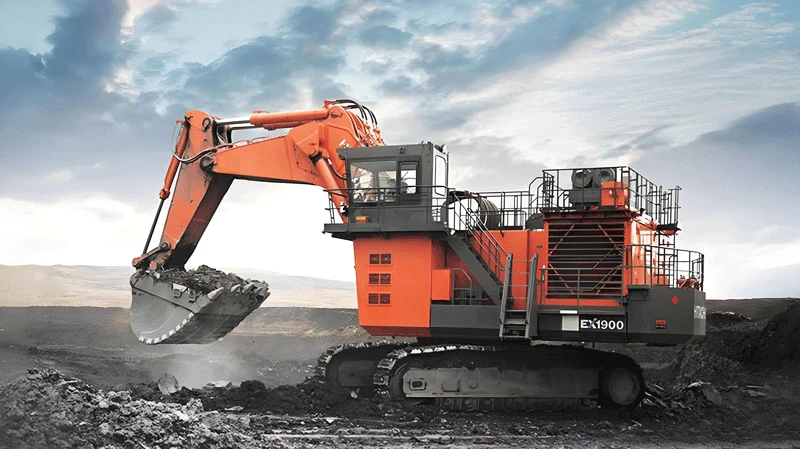
An excavator is a large machine used for digging, moving, or transporting loose gravel, sand, or soil. It typically features a boom, stick, and bucket arm attachment at the front, which extends to dig through materials and retracts to lift them. Excavators are essential in various industries, including construction, mining, and landscaping, due to their versatility and ability to handle heavy-duty tasks.
Types of Excavators
1.Standard Excavators (Crawler Excavators): These are the most common type, mounted on tracks for stability and mobility in rugged terrain. They are ideal for heavy lifting, excavation, and earthmoving tasks.
2.Wheeled Excavators: Similar to standard excavators but equipped with wheels, making them faster and more suitable for urban construction or roadwork.
3.Long-Reach Excavators: These have an extended arm and boom, allowing them to reach difficult areas, often used in demolition or tight excavation jobs.
4.Dragline Excavators: Used for large-scale projects like harbor construction and strip mining, these excavators drag material along the surface using a bucket system.
5.Backhoe Excavators: Often confused with crawler excavators, backhoes have the boom attached to the back and can only rotate 200 degrees.
6.Hydraulic Shovels: Suited for heavy-duty tasks in the mining industry, these machines have powerful lifting arms and large buckets.
7.Suction Excavators: These use water pressure to loosen soil and a suction pipe to remove it, ideal for precise excavation without damaging surrounding areas.
Working Principle
Excavators operate using hydraulic power. The engine powers a hydraulic pump, which generates pressurized fluid. This fluid is directed to various parts of the machine, including the boom, arm, and bucket, allowing the operator to control the machine's movements. The operator uses joysticks or pedals to manipulate the boom, arm, and bucket for precise digging and lifting.

Applications
Excavators are used in a variety of applications, including:
Construction: For digging foundations, trenches, and moving materials.
Mining: For extracting minerals and moving large amounts of earth and rock.
Landscaping: For grading, leveling, and moving soil.
Waste Management: For loading and unloading waste materials.
Demolition: For breaking and removing debris.
Choosing the Right Excavator
When selecting an excavator, consider the specific needs of your project, including the type of terrain, the size of the job site, and the tasks you need to perform. Different types and sizes of excavators are available to suit various applications.
How does an excavator work with hydraulic power
Excavators work with hydraulic power through a complex system that converts mechanical energy from the engine into hydraulic energy, enabling precise and powerful movements. Here's a detailed breakdown of how this system operates:
Key Components and Their Functions
1.Hydraulic Pump:
The hydraulic pump, powered by the excavator's engine, generates pressurized fluid. This pressurized fluid is the driving force behind all the excavator's movements. The pump converts mechanical energy from the engine into hydraulic energy, which is then used to power the machine's various functions.
2.Hydraulic Fluid:
Hydraulic fluid is the medium through which power is transmitted. It is non-compressible, which allows it to efficiently transfer force and motion. The fluid also serves to lubricate and cool the system, preventing wear and tear.
3.Control Valves:
These valves regulate the flow and direction of the hydraulic fluid. They are crucial for controlling the speed and force of the excavator's movements. Operators use control levers or joysticks to manipulate these valves, allowing for precise control over the machine's actions.
4.Hydraulic Cylinders and Motors:
Hydraulic cylinders convert the fluid's pressure into linear motion, enabling the boom, arm, and bucket to extend and retract. Hydraulic motors, on the other hand, convert hydraulic energy into rotational motion, powering the excavator's tracks or wheels and the rotation of the cab.
How the System Works Together
Power Generation: The engine drives the hydraulic pump, which pressurizes the hydraulic fluid stored in the reservoir.
Control and Direction: The operator uses the control valves to direct the pressurized fluid to the desired actuators (cylinders and motors). The valves control both the flow rate (which determines speed) and the pressure (which determines force).
Actuation: The hydraulic fluid reaches the actuators, where it is converted into mechanical motion. For example, fluid entering a hydraulic cylinder causes the piston to move, extending or retracting the boom or arm.
Precision and Efficiency: The hydraulic system allows for precise control and high efficiency. Modern excavators often feature advanced hydraulic systems that optimize performance, such as Volvo's electric-over-hydraulic system, which enhances precision and fuel efficiency.
Benefits of Hydraulic Systems in Excavators
High Power Output: Hydraulic systems can generate significant force, enabling excavators to perform heavy-duty tasks like lifting and breaking through tough materials.
Precision Control: Operators can make fine adjustments to the excavator's movements, crucial for tasks requiring accuracy.
Versatility: The hydraulic system allows excavators to perform multiple tasks simultaneously, such as digging and swinging.
In summary, excavators rely on hydraulic power to perform their functions. The hydraulic system, consisting of the pump, fluid, control valves, and actuators, converts engine power into precise and powerful movements, making excavators indispensable in construction and mining.
What are the different applications of excavators in construction
Excavators play a crucial role in construction projects due to their versatility and ability to handle a wide range of tasks. Here are some common applications of excavators in construction:
1. Excavation and Trenching
Excavators are primarily used for digging and removing soil, rock, and other materials. They are essential for creating trenches for utility lines, foundations, and other underground structures.
2. Material Handling
Excavators can be equipped with various attachments such as buckets, grapples, and magnets to handle and move materials. This makes them useful for loading and unloading trucks, as well as moving heavy objects.
3. Demolition
In demolition projects, excavators fitted with hydraulic breakers or shears can efficiently break down structures. They can also remove debris and clear rubble from the site.
4. Grading and Landscaping
Excavators can be used for grading and leveling land, making them valuable for site preparation and landscaping projects.
5. Piling and Foundation Work
Excavators can assist in piling operations by driving piles into the ground. They can also be used to dig holes for foundation work.
6. Pipeline Installation
Excavators are used to dig trenches for pipeline installation. They can also be equipped with special attachments to handle and install pipes.
7. Road and Bridge Construction
In road and bridge construction, excavators are used for excavation, grading, and material handling. They can also assist in the construction of embankments and other earthworks.
8. Tunneling
Excavators can be used in tunneling projects to remove soil and rock. They can also assist in the installation of tunnel supports.
9. Water and Sewage Projects
Excavators are used in the construction of water and sewage systems. They can dig trenches for pipelines and assist in the construction of treatment plants.
10. Smart Construction
With advancements in technology, excavators are increasingly being integrated with smart systems for more efficient and precise operations. For example, autonomous excavators can perform material loading tasks with high accuracy.

Conclusion
Excavators are indispensable in construction due to their ability to perform a wide range of tasks. From excavation and material handling to demolition and grading, excavators are versatile machines that can adapt to various construction needs. Their integration with smart technologies further enhances their efficiency and precision in modern construction projects.


