

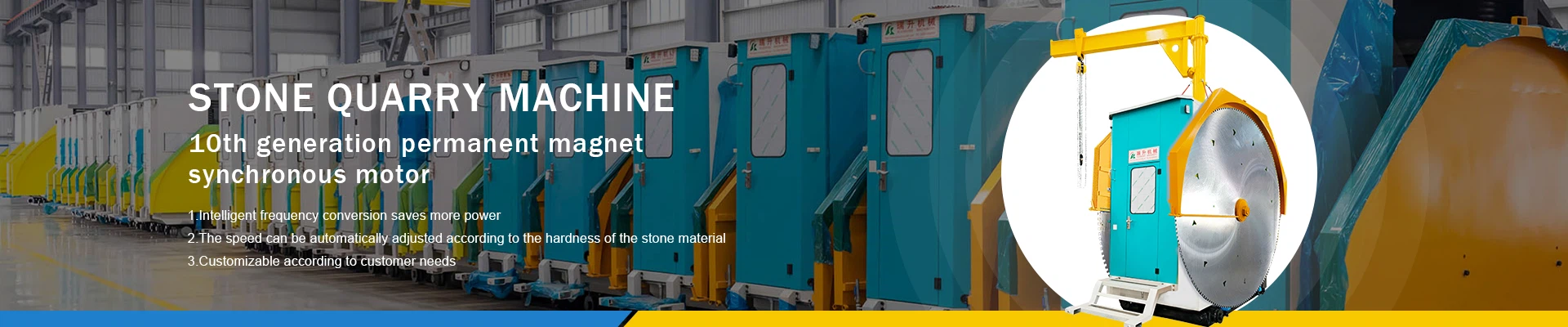
Dislodging a block of marble from a quarry is a complex process that requires precision, specialized equipment, and careful planning. Here's a step-by-step overview of how it is typically done, especially when using advanced machinery like a double blade quarry machine:
1. Site Preparation
Surveying and Planning: Geologists and engineers survey the quarry to identify the best locations for extracting marble blocks. They assess the quality, size, and orientation of the marble veins.
Marking the Block: The desired block is marked on the rock face. This involves defining the dimensions (length, width, and depth) of the block to be extracted.
2. Cutting the Block
Initial Cuts: The double blade quarry machine is positioned at the marked block. The machine's cutting blades are used to make initial cuts along the sides of the block. These cuts are typically made to a depth of several centimeters to define the boundaries of the block.
Horizontal and Vertical Cuts: The machine then makes horizontal cuts at the base of the block and vertical cuts along the sides. The double blades allow for simultaneous cutting, which speeds up the process.
Drilling Holes: In some cases, additional holes may be drilled along the planned cut lines to weaken the rock further. These holes can be filled with wedges or explosives (though the latter is less common due to environmental and safety concerns).

3. Separating the Block
Undercutting: Once the cuts are made, the machine or other specialized tools are used to undercut the block. This involves removing material from beneath the block to free it from the rock face.
Wedge Insertion: Wedges are inserted into the cuts and holes to gradually separate the block from the surrounding rock. The wedges are driven in progressively, causing the block to loosen.
Hydraulic Tools: In some cases, hydraulic splitting tools are used to apply pressure along the cuts, helping to separate the block more efficiently.
4. Lifting and Transporting the Block
Crane or Winch: Once the block is fully separated, it is carefully lifted using a crane or winch. The block is often secured with chains or slings to ensure it is safely lifted without damage.
Transportation: The marble block is then transported to a processing area, where it will be further cut into slabs or other desired shapes.
Advantages of Using a Double Blade Quarry Machine
Precision: The machine allows for precise cuts, ensuring that the marble block is extracted with minimal damage.
Efficiency: The dual cutting blades and advanced technology enable faster extraction compared to traditional methods.
Safety: Modern quarry machines reduce the need for manual labor and minimize the risks associated with blasting or manual extraction.
Environmental Impact: The use of cutting machines produces less dust and waste compared to traditional methods, making it more environmentally friendly.
Traditional Methods vs. Modern Machinery
While modern machinery like the double blade quarry machine is now the preferred method for extracting marble blocks, traditional methods such as manual splitting or blasting were once common. These methods had several drawbacks, including:
Safety Risks: Blasting could cause shock waves that might damage the marble or pose a risk to workers.
Quality Issues: Manual methods often resulted in irregular cuts and lower-quality marble blocks.
Environmental Impact: Blasting and manual extraction could produce more waste and dust, affecting air quality and the surrounding environment.
Products Description
The time required to dislodge a marble block from a quarry can vary significantly depending on several factors, including the size of the block, the type of machinery used, and the specific conditions of the quarry. Here are some general timeframes and considerations:
Time Estimates for Dislodging Marble Blocks
Using a Double Blade Quarry Machine:
A double blade quarry machine can cut through marble relatively quickly. For example, the 2QYK-3600 model can cut approximately 200 meters per day for marble, assuming 20 hours of operation. This means that a common-sized marble block (typically around 2.2 to 3 meters in length, 1.2 to 1.5 meters in width, and 0.9 to 1.2 meters in height) can be dislodged in about 8 hours.
The actual time may vary based on the hardness of the marble and the depth of the cuts required.
Traditional Methods:
In the past, when manual tools like chisels, hammers, and wooden wedges were used, extracting a single block of marble could take several months. This was due to the labor-intensive nature of the process and the lack of advanced machinery.
Even with older mechanical methods, such as wire sawing or channeling, the process could still take several days to weeks, depending on the block size and the efficiency of the equipment.
Factors Affecting Extraction Time
Block Size: Larger blocks require more time to cut and separate from the rock face.
Marble Quality and Hardness: Softer marble may be easier to cut, while harder varieties can slow down the process.
Machinery Efficiency: Modern machines like double blade quarry machines are significantly faster than traditional methods.
Quarry Conditions: The depth of the marble deposit, the presence of faults or cracks, and the overall geological conditions of the quarry can all impact extraction time.
Modern vs. Traditional Methods
Modern Machinery: Using advanced equipment like double blade quarry machines can significantly reduce extraction time and improve efficiency. These machines can also minimize damage to the marble block, resulting in higher-quality end products.
Traditional Methods: Manual extraction or the use of explosives (though less common now) were time-consuming and often resulted in lower-quality marble blocks.

Can you explain the difference between modern and traditional marble extraction methods?
Modern and traditional marble extraction methods differ significantly in terms of technology, efficiency, environmental impact, and precision. Here's a detailed comparison based on the latest information:
Traditional Marble Extraction Methods
1.Manual Tools and Wedges:
Description: Historically, workers used chisels, hammers, and wooden or metal wedges to fracture and separate marble blocks. This method relied on manual labor and the natural cracks in the rock.
Efficiency: Very low. The process was labor-intensive and time-consuming, often taking weeks or months to extract a single block.
Environmental Impact: Minimal immediate impact, but the lack of precision led to significant waste and potential damage to the quarry.
Precision: Low. The manual nature of the process often resulted in irregular cuts and damaged blocks.
2.Drilling and Blasting:
Description: Holes were drilled into the marble deposit, and explosives were used to break off large sections. This method was faster than manual labor but still imprecise.
Efficiency: Higher than manual methods, but still inefficient compared to modern techniques. It often produced a lot of waste material.
Environmental Impact: High. Blasting caused air and noise pollution, habitat destruction, and potential damage to the surrounding rock.
Precision: Low. The use of explosives often resulted in unwanted fractures and damage to the marble.
Modern Marble Extraction Methods
1.Wire Cutting (Diamond Wire Saws):
Description: This method uses diamond-embedded wires to cut through the marble. The wire is fed through drilled holes and powered by a motor to create precise cuts.
Efficiency: High. Modern wire saws can cut large blocks quickly and with minimal waste. For example, a typical marble block can be extracted in a matter of hours.
Environmental Impact: Lower than traditional methods. Wire cutting produces less dust and noise pollution and does not involve explosives.
Precision: Very high. The diamond wire ensures clean, precise cuts, resulting in higher-quality marble blocks.
2.Chain Cutting and Multi-Wire Cutting:
Description: Chain cutters use toothed chains to cut through the marble, while multi-wire cutters use multiple diamond wires to produce multiple slabs simultaneously.
Efficiency: Extremely high. These methods allow for rapid extraction and processing of marble blocks.
Environmental Impact: Lower than traditional methods. These machines are more energy-efficient and produce less waste.
Precision: High. Both methods provide precise cuts and can be adjusted for different block sizes and shapes.
3.Hydraulic Tools and Wedges:
Description: After initial cuts are made, hydraulic jacks or airbags are used to separate the marble blocks from the rock face.
Efficiency: High. These tools provide controlled separation, reducing the risk of damage to the block.
Environmental Impact: Low. This method avoids the use of explosives and minimizes environmental disruption.
Precision: High. The controlled separation ensures that the marble block is extracted intact.
Summary of Differences
Efficiency: Modern methods are significantly faster and more efficient, allowing for quicker extraction and processing of marble blocks.
Environmental Impact: Modern techniques are more environmentally friendly, producing less waste, pollution, and habitat disruption.
Precision: Modern machinery provides much higher precision, resulting in higher-quality marble blocks with fewer defects.
Safety: Modern methods, especially wire cutting and hydraulic tools, are safer for workers and the environment.
what is double blade quarry machine
A double blade quarry machine is a specialized piece of equipment designed for efficient and precise extraction of stone blocks from quarries. Here's a detailed overview of its features, functions, and advantages based on the latest information:
Features
1.All-Wheel-Drive Mechanism: This machine uses a new all-wheel-drive walking mechanism that requires no daily maintenance. It avoids the security risks associated with chain breaks and improves cutting speed while reducing power consumption.
2.Direct Motor Connection: The spindle box is directly connected to the motor without a belt, maximizing the motor's effective power.
3.Advanced Electrical Control: Equipped with Siemens technology, the electrical control box automatically tracks and decelerates in advance when the motor is overworked or the blade is caught. This prevents motor burnout and extends its lifespan.
4.Sealed Cylindrical Guide Rail: The fully sealed guide rail ensures it is free from contamination. The machine also has an original lubrication system that increases service life and reduces maintenance costs.
5.Hydraulic Elevator and Wide Chassis: The unique cylindrical guide, hydraulic elevator design, and super-wide chassis provide a stable structure and longer service life.
Functions
Oversized Quarrying: This machine is specifically designed for extracting large, high-quality, and uniform blocks from quarries. It is suitable for materials like granite, marble, limestone, and sandstone.
High Productivity: The double blade design allows for simultaneous cutting, which significantly increases productivity and reduces labor costs.
Environmental Protection: The machine is environmentally friendly, avoiding slag dust and smoke pollution during the extraction process.
Safety: The lack of shock and blasting makes it safer for workers in open-pit quarry mining.
Advantages
Increased Productivity: The machine works efficiently, allowing for higher output and reduced labor costs.
Cost-Effective: Designed for long-term operation with minimal maintenance, making it an economical choice for quarry operators.
Safety Features: Equipped with features like backup cameras and automatic braking systems to prevent accidents and protect workers.
Precision: The machine cuts through stone with high precision, allowing for accurate cuts and shaping of materials.
Versatility: Suitable for a wide range of applications, including cutting, drilling, and shaping stone.

What's the typical lifespan of a double blade quarry machine?
The typical lifespan of a double blade quarry machine can vary depending on several factors, including the quality of the machine, the frequency of use, maintenance practices, and the working conditions. Based on the available information, here are some key points:
1.Quality and Durability: Modern double blade quarry machines are designed with high-quality components and advanced features to ensure durability and long-term performance. For example, the use of permanent magnet motors, fully enclosed guide rails, and automatic lubrication systems can significantly extend the lifespan of the machine.
2.Maintenance Practices: Regular maintenance is crucial for extending the lifespan of any machinery. Proper maintenance, including lubrication, inspection, and timely replacement of wear parts, can help prevent breakdowns and prolong the machine's life.
3.Warranty and Support: Some manufacturers offer a 1-year warranty for the entire machine, which indicates that they expect the machine to perform reliably for at least this period under normal use and maintenance.
4.Expected Lifespan: While specific lifespan data can vary, a well-maintained double blade quarry machine can last for several years, often exceeding the warranty period. The use of high-quality components and advanced technologies, such as those found in modern machines, can contribute to a lifespan of 5 to 10 years or more.
How often should I service my quarry machine?
The frequency of servicing for a double blade quarry machine depends on several factors, including the manufacturer's guidelines, the intensity of use, and the operating conditions. Here are some general recommendations based on the latest information:
Daily Maintenance
Inspection: Check for visible signs of wear or damage.
Wire Tension: Ensure the cutting wire or blades are properly tensioned.
Cleaning: Remove dust and debris to prevent interference with operations.
Lubrication: Lubricate all moving parts as per the manufacturer's recommendations.
Cooling System: Verify that the cooling system is functioning properly to prevent overheating.
Weekly Maintenance
Wire Inspection: Check for fraying or damage and replace if necessary.
Alignment Check: Ensure the saw head is properly aligned for accurate cuts.
Hydraulic System: Inspect for leaks or wear in hoses and fittings.
Filters: Clean or replace filters to ensure proper fluid flow.
Safety Features: Verify that emergency stops and other safety features are functioning.
Monthly Maintenance
Electrical System: Check for loose connections or signs of wear.
Sensor Calibration: Ensure all sensors and controls are functioning correctly.
Corrosion Check: Inspect for signs of rust or corrosion, especially in moisture-exposed areas.
Lubrication: Re-lubricate components that may not have been addressed in daily or weekly maintenance.
Quarterly Maintenance
Wiring Harness: Inspect for damage or wear and replace any frayed wires.
Hydraulic Pressure: Test and adjust hydraulic pressure for optimal performance.
Motor and Drive System: Conduct a thorough inspection for signs of wear or damage.
Bearing and Seal Replacement: Replace bearings or seals if necessary to prevent future breakdowns.
Annual Maintenance
Professional Servicing: Have the machine professionally serviced by trained technicians.
Disassembly and Inspection: Disassemble the machine for a thorough cleaning and inspection.
Component Replacement: Replace any worn or damaged components and consider upgrading parts for improved performance.
Operational Review: Analyze the machine's operational history to identify and address recurring issues.
Additional Considerations
Manufacturer Guidelines: Always follow the manufacturer's recommendations for specific servicing intervals and tasks.
Usage Intensity: Machines used heavily or continuously will require more frequent maintenance.
Operating Conditions: Harsh conditions, such as exposure to extreme temperatures, dust, or moisture, can accelerate wear and tear.
Predictive Maintenance: Using sensors and condition-monitoring technologies can help identify issues early and extend maintenance intervals.
What are the most common issues with quarry machines?
Quarry machines are subject to a variety of common issues due to the harsh working conditions and heavy use. Here are the most frequent problems and related troubleshooting tips:
1. Mechanical and Structural Issues
Wear and Tear: Quarry machines, especially those with moving parts like cutting blades, drills, and conveyors, experience significant wear and tear. This can lead to misalignment, reduced efficiency, and eventual breakdown.
Subsidence: Uneven ground or subsidence can cause machinery parts to misalign, leading to additional stress and potential damage.
Rubber Component Damage: Conveyor belts and off-road tires are prone to tearing, ripping, and splitting due to the abrasive materials and harsh operating conditions.
2. Maintenance and Operational Challenges
Dust and Debris Accumulation: Dust and debris can clog filters, reduce the efficiency of dust extraction systems, and cause machinery to overheat or malfunction.
Lubrication and Fluid Issues: Inadequate lubrication or contaminated fluids can lead to increased friction and wear, reducing the lifespan of components.
Brake Failure: Quarry vehicles often operate in extreme conditions, and faulty brakes can lead to serious accidents.
3. Safety and Environmental Concerns
Slips, Trips, and Falls: Uneven terrain and loose materials increase the risk of accidents.
Fire and Explosion Risks: The presence of fuel, lubricants, and hydraulic fluids can pose fire and explosion hazards.
Noise and Vibration: High levels of noise and vibration from machinery can lead to hearing loss and other health issues.
4. Technical and Equipment-Specific Issues
Crusher and Drill Problems: Jaw crushers and drills may experience issues like uneven wear, misaligned holes, or excessive fallback, which can disrupt operations.
Ground Engineering Issues: Subsidence or uneven ground can cause machinery to malfunction, leading to costly downtime.
Troubleshooting Tips
Regular Maintenance: Follow a structured maintenance schedule to inspect, clean, and lubricate all critical components.
Proper Training: Ensure operators are well-trained to recognize and address potential issues early.
Ground Stabilization: Address subsidence issues promptly using modern techniques like resin injection to stabilize the ground.
Dust Control: Regularly maintain dust extraction systems to prevent clogging and ensure a safer working environment.

What are some modern techniques to stabilize ground for quarry operations?
Modern techniques for stabilizing ground in quarry operations have evolved significantly to address the challenges of uneven terrain, subsidence, and harsh working conditions. Here are some of the most effective and commonly used methods:
1. Chemical Stabilization
Lime Stabilization: Lime is mixed into the soil to reduce moisture content and plasticity, improving workability and strength. This method is effective for clay soils but not suitable for non-cohesive soils or those with high sulfate levels.
Cement Stabilization: Portland cement is mixed with soil and water to bind soil particles together, creating a stronger material. It is effective for cohesive soils but requires careful control of water content.
Calcium Chloride Stabilization: Calcium chloride is added to increase soil density and reduce evaporation, which helps maintain moisture content and control dust.
Fly Ash Stabilization: Fly ash, a byproduct of coal combustion, can be used to stabilize soils by improving their strength and reducing permeability.
2. Mechanical Stabilization
Geogrids and Reinforcement: Geogrids are used to mechanically stabilize soil by providing a reinforcing layer that distributes loads more evenly and prevents soil movement.
Soil Nailing: This technique involves reinforcing soil with steel bars (nails) to increase tensile and shear strength, making it more stable. It is particularly useful for temporary and permanent cut slopes.
Compaction: Surface and deep compaction techniques, such as using rollers or vibratory equipment, can densify soil and improve its load-bearing capacity.
3. Dynamic and Vibratory Techniques
Vibrofloatation: This method uses vibration to densify granular soils, improving their strength and stability.
Dynamic Compaction: Heavy weights are dropped onto the ground to compact soil and reduce settlement.
4. Grouting and Injection Techniques
Compaction Grouting: A stiff mortar is injected into loose soils to form a grout bulb, which densifies the surrounding soil without penetrating soil pores.
Lime/Fly Ash Injection: This technique improves low-strength soils by injecting a lime or lime/fly ash slurry to enhance bearing capacity and trafficability.
5. Preloading and Drainage
Preloading: Applying a surcharge load or lowering the water table can precompress the soil, reducing settlement and improving stability.
Vertical Drains: Installing vertical drains accelerates soil consolidation by reducing the time it takes for soils to settle and strengthen under load.
6. Advanced Solutions
Vacuum Preloading: This method involves applying a vacuum to a sand layer on soft clay soils, which acts as an equivalent overload and accelerates consolidation.
Polyurethane Grouting: This technique uses polyurethane foam to fill voids and stabilize ground, providing a quick and effective solution for subsidence.


