

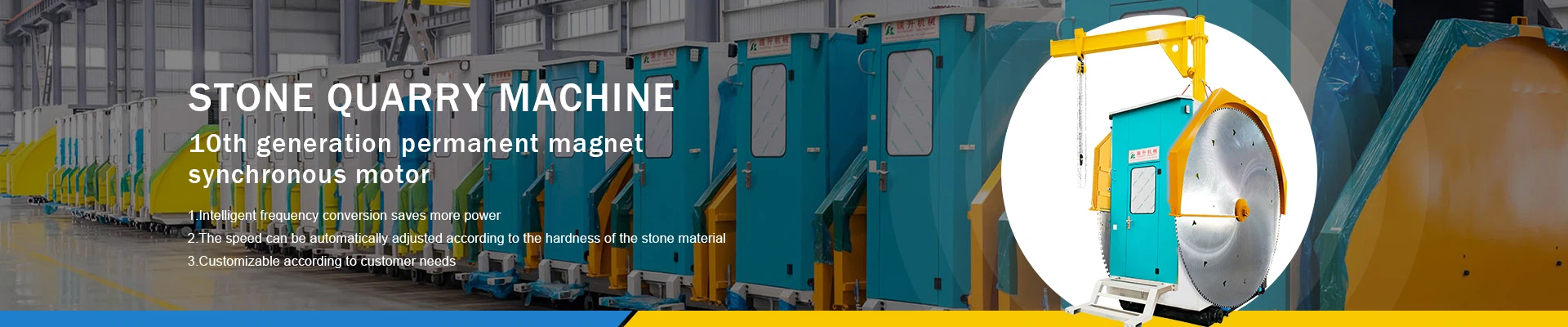
Quarrying marble involves a series of carefully planned and executed steps to extract the stone from the earth. Here's a detailed look at the process:
1. Site Selection and Preparation
Geological Survey: Geologists conduct surveys to identify the best locations for extraction. They assess the quality, depth, and extent of the marble deposits.
Permitting: Obtain necessary permits and approvals from local and national authorities.
Quarry Development: Clear the area of vegetation and topsoil. Excavate to expose the marble deposits, often removing large amounts of overburden (the material above the marble layer).
2. Extraction Process
Drilling and Blasting: Drill holes into the rock and insert explosives to break the marble into manageable pieces. Controlled blasting is used to minimize damage to the surrounding rock and ensure safety.
Cutting with Diamond Wire Saws: Modern quarries often use diamond wire saws to cut large blocks of marble from the quarry face. These saws are highly efficient and precise, allowing for clean cuts and minimal waste.
Manual Tools: In smaller or more traditional quarries, workers may still use manual tools like chisels and hammers to carve out marble blocks. This method is labor-intensive but can be more precise for certain applications.
3. Transportation
Loading and Hauling: Once the marble blocks are cut, they are loaded onto specialized trucks or conveyors for transportation. Large blocks are often moved using cranes or heavy machinery.
Processing Facilities: The blocks are transported to processing facilities where they are cut into slabs, tiles, or other finished products. These facilities may be located near the quarry or at a separate location.
4. Processing at the Fabrication Facility
Sawing and Shaping: At the fabrication facility, the marble blocks are cut into slabs using advanced diamond saws. This process can take several hours to a day, depending on the size and number of slabs being produced.
Polishing and Finishing: Polishing the marble slabs to achieve the desired finish can take anywhere from 45 minutes to several hours per slab, depending on the size and finish quality.
5. Post-Extraction Activities
Rehabilitation: After extraction, the quarry site is often rehabilitated to minimize environmental impact. This can involve reforestation, soil restoration, and other measures to restore the landscape.
Waste Management: Proper management of waste materials, such as slurry and unusable stone fragments, is crucial to minimize environmental impact.

How long does it take to polish a marble slab?
The time it takes to polish a marble slab depends on several factors, including the size of the slab, the type of polishing equipment used, and the desired level of finish. Here's a detailed breakdown of the process and the time involved:
1. Preparation
Cleaning the Slab: The marble slab is first cleaned to remove any dust, debris, or imperfections. This step can take anywhere from 15 minutes to an hour, depending on the size of the slab and the cleaning method used.
Grinding and Shaping: If the slab has rough edges or imperfections, it may need to be ground down to a smooth surface. This step can take several hours, depending on the size and condition of the slab.
2. Polishing Process
Grinding and Honing: The slab is first ground and honed to remove any surface imperfections. This step typically takes several hours, depending on the size and condition of the slab.
Polishing: The actual polishing process involves multiple stages, each with a finer grit to achieve a smooth and shiny finish. The time required for polishing can vary:
Initial Polishing: This step can take anywhere from 1 to 3 hours, depending on the size and thickness of the slab.
Final Polishing: This step can take an additional 1 to 2 hours to achieve a high-gloss finish.
3. Total Time
Small Slab (1-2 square meters): The entire process, from cleaning to final polishing, can take approximately 3 to 5 hours.
Large Slab (10-20 square meters): The process can take anywhere from 8 to 12 hours, depending on the size and thickness of the slab.
Factors Affecting Polishing Time
Size and Thickness: Larger and thicker slabs take longer to polish due to the increased surface area and material thickness.
Condition of the Slab: Slabs with more imperfections or rough edges will require more time for grinding and honing.
Polishing Equipment: Advanced polishing equipment can significantly reduce the time required for the process.
Desired Finish: A high-gloss finish requires more time and multiple stages of polishing compared to a matte finish.
Example: Polishing a 2-Square-Meter Slab
Cleaning: 30 minutes
Grinding and Honing: 2 hours
Initial Polishing: 1 hour
Final Polishing: 1 hour
Total Time: Approximately 4 hours


