

To become an excavator operator, you typically need to complete a combination of formal training and practical experience. Here's a step-by-step guide to help you get started:
1. Meet Basic Requirements
Age: You must be at least 18 years old.
Health: You need to be in good physical health, with adequate vision and hearing to safely operate the machinery.
Education: Basic literacy and numeracy skills are required to understand safety procedures and operate the equipment.
2. Enroll in a Training Program
Training Schools: Look for reputable heavy equipment operator schools or vocational training centers that offer excavator operator courses. These programs typically include both classroom instruction and hands - on training.
Course Content: Training covers the basics of excavator operation, safety procedures, maintenance, and relevant laws and regulations.
3. Complete the Training Course
Theoretical Knowledge: This includes understanding the mechanical principles, safety protocols, and operational techniques of excavators.
Practical Skills: You will practice operating the excavator under supervision, learning how to dig, load, and transport materials efficiently.
4. Pass the Certification Exam
Written Exam: Tests your theoretical knowledge of excavator operation and safety.
Practical Exam: Assesses your ability to operate the excavator safely and effectively in real - world scenarios.
5. Obtain Necessary Certifications
Operation Certificate: Upon passing the exams, you will receive an excavator operator certification, which is often required by employers.
Safety Cards: In some regions, you may also need additional safety certifications, such as a Construction Safety Card.
6. Gain Practical Experience
On - the - Job Training: Many employers offer on - the - job training programs where you can gain practical experience while working.
Internships: Look for internship opportunities to build your skills and make industry connections.
7. Apply for Jobs
Job Search: Use your certification and experience to apply for excavator operator positions in construction, mining, or other relevant industries.
Networking: Connect with industry professionals and attend job fairs to find opportunities.

Additional Tips
Continuous Learning: Stay updated with the latest industry practices and safety regulations to maintain your skills and certifications.
Safety First: Always prioritize safety when operating heavy machinery to protect yourself and others on the job site.
By following these steps, you can become a certified and skilled excavator operator, ready to work in a variety of industries.
how much to rent mini excavator
The cost to rent a mini excavator can vary based on the size and weight of the machine, as well as the rental duration. Here are some general rental rates:
Daily Rental Rates
Mini Excavator (≤5T): $150 - $350 per day.
Mini Excavator (4,000 lb): $197 per day.
Mini Excavator (8,000 lb): $242 per day.
Weekly Rental Rates
Mini Excavator (≤5T): $600 - $1,400 per week.
Mini Excavator (4,000 lb): $520 per week.
Mini Excavator (8,000 lb): $728 per week.
Monthly Rental Rates
Mini Excavator (≤5T): $1,500 - $2,500 per month.
Mini Excavator (4,000 lb): $1,456 per month.
Mini Excavator (8,000 lb): $1,966 per month.

These prices can vary based on location, supplier, and current market conditions. For the most accurate and up - to - date pricing, it's recommended to contact local rental agencies or check online platforms like BigRentz, Antbuildz, and United Rentals.
what do excavators do
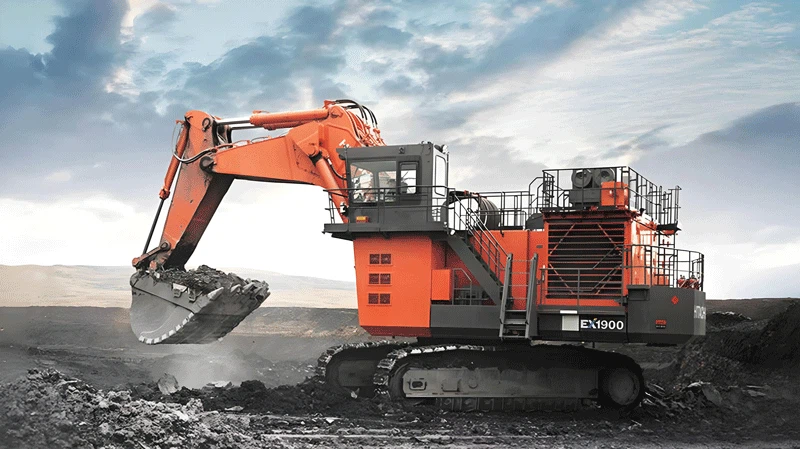
Excavators are versatile heavy machines used across various industries for a wide range of tasks. Here are the primary functions and applications of excavators:
Primary Functions
1.Digging and Excavation:
Excavators are primarily used for digging trenches, holes, and foundations. They can efficiently remove soil, rocks, and other materials.
2.Material Handling:
They can lift and move heavy materials such as soil, rocks, and construction debris. This is crucial for loading materials onto trucks or moving them around a construction site.
3.Demolition:
With specialized attachments like hydraulic breakers, excavators can be used for demolition work. They can break up concrete structures, tear down buildings, and clear rubble.
4.Grading and Landscaping:
Excavators can level and grade land, making them useful for landscaping projects. They can also create drainage systems and shape terrain.
5.Dredging:
Amphibious excavators are used for underwater dredging, removing sediment and debris from rivers, lakes, and harbors. This helps maintain waterways and install underwater infrastructure.
6.Compacting and Leveling:
Excavators can compact soil and level surfaces, preparing the ground for construction.
Applications Across Industries
1.Construction:
Excavators are essential for laying utility lines, preparing construction sites, and building foundations. They are also used for clearing land and debris.
2.Mining:
In the mining industry, excavators are used to extract ore and remove overburden. They can load mined materials onto trucks or conveyors.
3.Landscaping:
Excavators help in creating ponds, installing drainage systems, and shaping terrain for gardens and outdoor spaces.
4.Demolition Projects:
Excavators equipped with specialized attachments can tear down structures and sort demolition debris.
5.Water Management:
Excavators are used for dredging rivers and lakes to control sedimentation and ensure safe navigation.
6.Forestry:
Excavators can remove obstacles like tree stumps and prepare land for forestry projects.
Advantages of Using Excavators
Power and Efficiency: Excavators can move large volumes of material quickly.
Versatility: With a wide range of attachments, excavators can perform multiple tasks.
Precision: Despite their size, excavators can perform precise digging and lifting operations.
Safety: The enclosed cab and long reach protect operators from hazardous areas.
Cost-Effective: Excavators can reduce the need for additional specialized equipment by performing multiple tasks.
Excavators are indispensable in modern construction and earthmoving operations due to their versatility, power, and precision. Their applications span across various industries, making them a crucial piece of heavy equipment.
How do excavators handle different soil types
Excavators handle different soil types by adapting their digging techniques, selecting appropriate attachments, and considering the specific characteristics of each soil type. Here's how excavators manage various soil conditions:
1. Soft and Sandy Soils
Characteristics: Soft, granular, and prone to shifting.
Techniques:
Use a bucket with wide teeth to prevent excessive soil disturbance and cave - ins.
Lower the digging speed and scoop out material in small increments to ensure stability.
Consider using tracks with wider shoes to reduce ground pressure and minimize the risk of sinking.
2. Clay and Compact Soils
Characteristics: Cohesive, sticky, and dense.
Techniques:
Use a bucket with smooth edges and teeth designed to cut through the material cleanly.
Maintain steady and controlled movements to avoid unnecessary wear on the bucket.
An adjustable arm and boom can help maneuver around tight spots and maintain stability.
3. Rocky and Hard Soils
Characteristics: Dense and difficult to penetrate.
Techniques:
Use a hydraulic breaker or ripper attachment to break up the tough surface before digging with the bucket.
Keep a close eye on the bucket's teeth and replace them promptly if they show signs of wear.
4. Gravel and Loam
Characteristics: Gravel consists of larger particles, while loam is a mixture of sand, silt, and clay.
Techniques:
Use standard buckets for efficient scooping and moving of materials.
Be cautious of large rocks in gravel, which may require specialized equipment.
5. Wet or Waterlogged Soils
Characteristics: Moisture - rich and prone to instability.
Techniques:
Use dewatering systems to lower the water table and pump excess water away.
Apply waterproofing and shoring to stabilize excavation walls.
Consider using specialized equipment designed for wet conditions.
6. Mixed Conditions
Characteristics: Combination of different soil types.
Techniques:
Adapt the bucket type and digging technique based on the predominant soil type in the area.
Use skeleton buckets for sorting materials or cleaning rocks from soil.

Summary
The key to efficient excavation lies in understanding the soil type and adapting the excavator's techniques and attachments accordingly. By selecting the right bucket, maintaining controlled movements, and using specialized equipment when needed, excavators can handle a wide range of soil conditions effectively.
how much to rent an excavator near me
Based on the latest information available, here are the rental costs for excavators in different regions and sizes:
Rental Costs by Type and Duration
Mini Excavator:
Daily: $150 - $350
Weekly: $600 - $1,400
Monthly: $2,700 - $5,600
Standard Excavator:
Daily: $450 - $1,200
Weekly: $1,800 - $4,800
Monthly: $6,000 - $12,000
Heavy Excavator:
Daily: $1,200 - $2,000
Weekly: $4,800 - $8,000
Monthly: $12,000 - $20,000
Rental Costs by Region
United States:
Daily: $350 - $600
Weekly: $1,400 - $3,000
Monthly: $5,600 - $12,000
Canada:
Daily: $400 - $650
Weekly: $1,600 - $3,250
Monthly: $6,400 - $13,000
Europe:
United Kingdom:
Daily: $350 - $650
Weekly: $1,400 - $3,250
Monthly: $5,600 - $13,000
Germany:
Daily: $400 - $700
Weekly: $1,600 - $3,500
Monthly: $6,400 - $14,000
France:
Daily: $380 - $680
Weekly: $1,520 - $3,400
Monthly: $6,080 - $13,600
Asia:
China:
Daily: $250 - $550
Weekly: $1,000 - $2,200
Monthly: $4,000 - $8,800
India:
Daily: $200 - $450
Weekly: $800 - $1,800
Monthly: $3,200 - $7,200
Japan:
Daily: $400 - $700
Weekly: $1,600 - $3,500
Monthly: $6,400 - $14,000

Additional Costs
Delivery and Pickup: $60 - $100 for areas within 10 miles of the rental company.
Operator Fees: $100 - $150 per hour.
Special Attachments: Additional costs may apply.
Tips for Renting an Excavator
1.Determine Your Needs: Consider the size of the job, the terrain, and the specific tasks you need the excavator to perform.
2.Get Multiple Quotes: Prices can vary significantly between rental companies, so it's a good idea to get quotes from multiple suppliers.
3.Check for Discounts: Some rental companies offer discounts for long-term rentals or bulk bookings.
For the most accurate and up-to-date pricing, it's always best to contact a local rental company directly.
What are the factors affecting excavator rental prices
Several key factors can influence the cost of renting an excavator. Here's a detailed breakdown based on the latest information:
1. Type and Size of Excavator
Mini Excavators: These are more affordable to rent due to their compact size and lower operating costs. Daily rates can range from $150 to $350, while weekly rates might be between $600 and $1,400.
Standard Excavators: These larger machines are more expensive. Daily rates can be between $450 and $1,200, with weekly rates ranging from $1,800 to $4,800.
Heavy Excavators: The largest models, often used for heavy-duty projects, have daily rates from $1,200 to $3,000.
2. Rental Duration
Daily Rates: Short-term rentals are typically more expensive per day. For example, a mid-sized excavator might rent for $500 per day.
Weekly Rates: Renting for a week can reduce the daily rate significantly. A mid-sized excavator might cost $2,000 per week.
Monthly Rates: Long-term rentals offer the best value. Monthly rates for mid-sized excavators can range from $5,000 to $10,000.
3. Brand and Model
High-end brands like Caterpillar, Komatsu, and John Deere often command premium rates due to their reliability and advanced features. Newer models with the latest technology and better fuel efficiency can also be more expensive.
4. Geographical Location
Rental costs can vary widely based on regional demand and supply. In high-demand areas, such as major metropolitan cities, rental rates can be significantly higher. For example, renting an excavator in London might be more expensive than in a rural area.
5. Seasonal Demand
Peak construction seasons, such as summer in temperate climates, can lead to higher rental prices due to increased demand. Conversely, off-season periods might offer discounted rates.
6. Additional Costs and Services
Delivery and Pickup Fees: These can add to the overall cost, especially if the rental site is remote.
Operator Fees: If you need an operator, this can add an additional $100 - $150 per hour.
Special Attachments: Additional tools or attachments can increase the rental price.
7. Equipment Age and Condition
Newer models are generally more expensive to rent due to their advanced features and better condition. Older machines might be cheaper but could require more maintenance.

Tips to Manage Rental Costs
Negotiate and Bundle: Inquire about bulk discounts for renting multiple machines or booking for extended periods.
Time Your Project: Schedule major excavation tasks during off-peak periods to score lower rates.
Inspect Equipment: Always inspect the machine before signing the rental agreement to avoid additional fees for pre-existing damage.
By understanding these factors, you can better plan your project budget and negotiate the best rental rates for your needs.
what does an excavator do
An excavator is a versatile piece of heavy construction equipment designed to perform a wide range of tasks on construction sites, mining operations, and other industrial projects. Here's a detailed look at what excavators do and their various applications:
Primary Functions
1.Excavation:
Soil and Rock Removal: Excavators are primarily used to dig and remove soil, rock, and other materials. They are essential for creating foundations, trenches, and holes.
Grading and Leveling: They can be used to grade land, preparing it for construction or landscaping projects.
2.Material Handling:
Loading and Unloading: Excavators can load materials such as soil, gravel, and sand into trucks or other vehicles.
Material Movement: They can move materials around a construction site efficiently.
3.Demolition:
Structure Demolition: Excavators equipped with demolition attachments can be used to tear down buildings and other structures.
Debris Removal: They can clear debris from demolition sites.
4.Trenching:
Utility Trenches: Excavators are commonly used to dig trenches for laying pipes, cables, and other utilities.
Drainage Systems: They can create drainage ditches and channels.
5.Landscaping:
Site Preparation: Excavators can prepare land for landscaping projects by removing vegetation, leveling ground, and creating slopes.
Water Features: They can dig ponds, lakes, and other water features.
Secondary Functions
1.Compaction:
Soil Compaction: Some excavators come with attachments that can compact soil, ensuring a stable base for construction.
2.Piling:
Pile Driving: Excavators can be fitted with pile drivers to drive piles into the ground for foundation work.
3.Crushing:
Material Crushing: With the right attachments, excavators can crush rocks and other materials on-site.
Types of Excavators and Their Uses
1.Mini Excavators:
Compact Spaces: Ideal for small construction sites, landscaping, and utility work in tight spaces.
Ease of Transport: Easier to transport and maneuver in confined areas.
2.Standard Excavators:
Versatility: Suitable for a wide range of construction tasks, including foundation work, trenching, and grading.
Power and Reach: Provide more power and reach compared to mini excavators.
3.Heavy Excavators:
Large-Scale Projects: Used in mining, large construction projects, and heavy-duty demolition.
High Capacity: Can handle large volumes of material and perform heavy lifting.

Attachments and Tools
Excavators can be fitted with a variety of attachments to enhance their functionality:
Buckets: For digging and moving materials.
Breakers: For breaking rocks and concrete.
Grapples: For handling large objects.
Compactors: For compacting soil.
Augers: For drilling holes.
Ripper Teeth: For breaking up hard surfaces.
Safety and Efficiency
Operator Training: Proper training is essential for safe and efficient operation.
Regular Maintenance: Regular maintenance ensures the excavator performs optimally and reduces the risk of breakdowns.
Safety Protocols: Adhering to safety protocols helps prevent accidents and injuries on the job site.
Conclusion
Excavators are indispensable in the construction and mining industries due to their versatility and power. They can perform a wide range of tasks, from digging and grading to demolition and material handling, making them a valuable asset on any job site.
How does an excavator differ from a bulldozer
Excavators and bulldozers are both heavy construction machines, but they have distinct differences in terms of function, design, and application. Here's a detailed comparison:
Primary Functions
Excavators:
Digging: Excavators are primarily used for digging holes, trenches, and foundations.
Material Handling: They can also move and load materials, making them versatile for various tasks.
Demolition: Excavators are often used for demolition work, thanks to their ability to reach and break down structures.
Bulldozers:
Land Clearing: Bulldozers are excellent for clearing land and moving large amounts of soil.
Grading: They are used to level land and create slopes, making them ideal for site preparation.
Pushing Materials: Bulldozers push materials like soil and debris, which is useful for grading and leveling.
Design and Attachments
Excavators:
Articulated Arm and Bucket: Excavators have a long, articulated arm with a bucket at the end, which allows for precise digging and material handling.
Versatile Attachments: They can be fitted with various attachments such as breakers, grapples, and augers, making them highly versatile.
Bulldozers:
Wide Blade: Bulldozers feature a large, flat blade at the front for pushing materials.
Ripper: Some bulldozers have a ripper attachment at the back for breaking up hard ground.
Mobility and Terrain
Excavators:
Tracked or Wheeled: Excavators can be either tracked or wheeled, with tracked models offering better stability on uneven terrain.
360-Degree Rotation: The operator's cab can rotate 360 degrees, providing flexibility and precision.
Bulldozers:
Tracked Design: Most bulldozers are tracked, which provides stability and traction on rough or muddy ground.
Flat Terrain: Bulldozers are generally more efficient on flat, stable terrain.
Applications
Excavators:
Trenching: Ideal for digging trenches for utility installations.
Demolition: Used for tearing down structures.
Mining: Excavators are used for mining operations, especially for moving large amounts of material.
Bulldozers:
Site Preparation: Excellent for clearing and leveling land for construction projects.
Road Building: Used in road construction for grading and leveling.
Landscaping: Bulldozers can reshape land and create slopes.

Cost and Efficiency
Excavators:
Higher Operating Cost: Generally have higher operating costs due to their versatility and complexity.
Fuel Efficiency: Excavators are often more fuel-efficient compared to bulldozers.
Bulldozers:
Lower Operating Cost: Typically have lower operating costs.
High Fuel Consumption: Bulldozers generally consume more fuel.
Conclusion
Choosing between an excavator and a bulldozer depends on the specific needs of your project. If you need to dig, perform precise tasks, or require versatility, an excavator is the better choice. For land clearing, grading, and moving large amounts of material, a bulldozer is more suitable.


