


When choosing a drill bit for drilling into granite, it's essential to select the right type and material to ensure clean, precise holes without damaging the granite. Here are some key factors and recommendations to help you choose the best drill bit for granite:
1. Material of the Drill Bit
Diamond-Tipped Bits: These are the most effective for drilling into granite. Diamond-tipped bits are highly durable and can withstand the hardness and density of granite, ensuring clean and precise holes.
Carbide-Tipped Bits: Carbide bits are also suitable for granite, especially for smaller holes or less demanding applications. They are more affordable but may wear out faster than diamond bits.
2. Type of Drill Bit
Core Drill Bits: These are hollow and designed to cut a ring around the material, leaving an inner core. They are ideal for large, precise holes in granite and produce less dust and debris.
Non-Core Drill Bits: These are solid and remove all material within the hole diameter. They are suitable for smaller holes and general-purpose drilling.
3. Size of the Drill Bit
Small Bits (less than 1/4 inch): Ideal for detailed drilling, such as creating small holes for hardware or attachments.
Medium Bits (1/4 inch to 3/8 inch): Useful for most general-purpose drilling, including anchor holes or setting fixtures.
Large Bits (over 3/8 inch): Needed for larger holes, often for professional applications such as installing large fittings or fasteners.
4. Shank Design
Hex Shank: Offers enhanced grip and minimizes slipping, making it useful for hard materials like granite.
SDS Shank: Designed for rotary hammers and heavy-duty drills, providing high stability for tough stones.
5. Drill Bit Tip Design
Flat-Tips: Suitable for softer stones like marble, providing clean entry and reduced chipping.
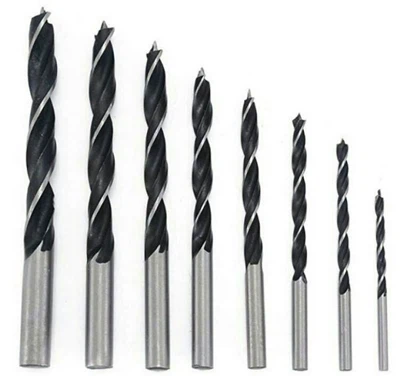
Pointed Tips: Ideal for hard stones such as granite and quartz.
Diamond Core Tips: These hollow tips are ideal for large holes in hard stones like granite, preventing cracking or shattering.
6. Durability and Cost
Diamond-Tipped Bits: More expensive but provide superior durability, especially for quartz and granite.
Carbide-Tipped Bits: A more budget-friendly choice for softer stones like marble.
Tips for Drilling Granite
Use a Pilot Hole: Start with a smaller pilot hole to guide the drill bit and prevent it from wandering.
Drill Slowly: Use a slower drilling speed to avoid overheating and ensure clean, precise holes.
Cool the Bit: Periodically cool the drill bit with water to prevent overheating and extend its life.
Secure the Material: Clamp the granite to a stable surface to prevent it from moving while drilling.
Wear Protective Gear: Always wear safety goggles and gloves to protect yourself from flying debris.
how to clean rusty drill bits
To clean rusty drill bits, you can use several effective methods. Here's a step-by-step guide based on the latest information:
Method 1: Vinegar Soak
1.Gather Supplies: You will need white vinegar, a container large enough to submerge the drill bits, a wire brush or steel wool, and a clean cloth.
2.Soak the Bits: Place the rusty drill bits in the container and cover them completely with white vinegar. Let them soak for at least 30 minutes to several hours, depending on the severity of the rust.
3.Scrub the Bits: After soaking, use a wire brush or steel wool to scrub away any remaining rust.
4.Rinse and Dry: Rinse the drill bits thoroughly with water and dry them completely with a clean cloth.
Method 2: Commercial Rust Remover
1.Choose a Product: Select a commercial rust remover suitable for metal tools.
2.Apply the Remover: Follow the manufacturer's instructions to apply the rust remover to the drill bits.
3.Wait for the Remover to Work: Allow the rust remover to sit for the recommended time, usually 10-15 minutes.
4.Scrub and Rinse: Use a wire brush or steel wool to scrub away the loosened rust, then rinse the bits thoroughly.
Method 3: Penetrating Oil
1.Apply Oil: Spray penetrating oil, such as WD-40, generously onto the rusted parts of the drill bits.
2.Let It Sit: Allow the oil to penetrate the rust for a few minutes.
3.Scrub and Wipe: Use a wire brush or steel wool to scrub away the rust, then wipe the bits clean with a cloth.
Method 4: Sandpaper or Steel Wool
1.Start Coarse, Finish Fine: Begin with coarse sandpaper (80-100 grit) to remove heavy rust, then switch to finer grit (200-300) for a smoother finish.
2.Buff the Bits: Gently buff the rusted areas to remove rust without damaging the metal.
Post-Cleaning Care
1.Dry Completely: Ensure the drill bits are completely dry to prevent new rust from forming.
2.Protective Coating: Apply a thin layer of machine oil or a rust-inhibiting spray to protect the bits from future rust.
3.Store Properly: Keep the drill bits in a dry, cool place to minimize moisture exposure.
Prevention Tips
Store in a Dry Place: Keep your drill bits in a dry environment to reduce moisture exposure.
Wipe After Use: Wipe the bits with a clean cloth after each use to remove any moisture or debris.
Apply Oil Occasionally: Give your drill bits a light coating of oil before storing them to create a protective barrier against rust.
how to disinfect nail drill bits
To disinfect nail drill bits effectively, follow these steps to ensure they are clean and safe for use:
Materials Needed
Disinfectant Solution: Acetone, isopropyl alcohol (70% or higher), or a professional-grade disinfectant like Barbicide.
Soft Brushes: A small brush or toothbrush for scrubbing.
Container: A bowl or container large enough to submerge the drill bits.
Clean Towels: For drying the bits.
Steps to Disinfect Nail Drill Bits
1. Initial Cleaning
Remove Debris: Use a soft brush to remove any visible dust and debris from the drill bits.
Scrub Gently: Scrub the bits with a soft brush to remove any stubborn residue.
2. Soak in Disinfectant
Prepare the Solution: Fill a container with enough disinfectant solution to fully submerge the drill bits.
Soak the Bits: Submerge the drill bits in the solution for 10-15 minutes. Acetone and isopropyl alcohol are effective for dissolving residue and killing germs.
3. Rinse Thoroughly
Rinse with Water: After soaking, rinse the drill bits under running water to remove any residual disinfectant.

4. Dry Completely
Pat Dry: Use a clean towel to pat the bits dry.
Air Dry: Allow the bits to air dry completely before storing them to prevent rust.
5. Storage
Store in a Clean Container: Keep the drill bits in a clean, dry container to prevent contamination.
how to maintain granite drill bits
To maintain granite drill bits and prevent them from rusting, follow these steps:
Cleaning and Maintenance
1.Clean After Use:
Remove Debris: After each use, clean the drill bits thoroughly to remove any dust, stone particles, or other debris. Use a soft brush or compressed air to blow out any residual material.
Wipe with a Cloth: Use a clean, dry cloth to wipe the bits dry. This helps remove any moisture that could lead to rust.
2.Store Properly:
Dry Environment: Store the drill bits in a dry, cool place to minimize moisture exposure. High humidity can cause rust to form on the bits.
Protective Coating: Apply a thin layer of machine oil or a rust-inhibiting spray to the bits before storing them. This creates a protective barrier against moisture.
3.Regular Inspection:
Check for Damage: Periodically inspect the drill bits for any signs of wear, damage, or rust. Address any issues promptly to prevent further damage.
Preventing Rust
1.Avoid Moisture:
Keep Bits Dry: Ensure the drill bits are completely dry after cleaning. Moisture is a primary cause of rust, so keeping the bits dry is crucial.
2.Use Rust-Resistant Products:
Rust Inhibitors: Consider using rust inhibitors or anti-rust sprays specifically designed for metal tools. These products can help prevent rust from forming on the drill bits.
3.Proper Handling:
Handle with Care: When handling the drill bits, avoid touching them with wet hands or gloves. Oil from your skin can also contribute to rust formation.
how to magnetize drill bits
To magnetize drill bits, you can follow these steps:
Using a Permanent Magnet
1.Clean the Drill Bit: Remove any rust or dirt from the drill bit.
2.Check for Magnetic Attraction: Hold the drill bit near a magnet. If it is attracted to the magnet, it is made of a ferromagnetic material and can be magnetized.
3.Magnetize the Bit: Run the magnet along the length of the drill bit from the base to the tip. Rotate the bit 1/4 turn and repeat the motion in the same direction, going from the base to the tip. Continue until you have turned the bit through a complete rotation.
4.Test the Magnetization: Use the drill bit to pick up a small piece of metal to test the magnetization.
Using a Magnetizer Tool
1.Clean the Drill Bit: Ensure the drill bit is free of rust and dirt.
2.Use a Magnetizer: Place the drill bit into a magnetizer tool and activate it. The tool will apply a magnetic field to the bit.
3.Test the Magnetization: After magnetizing, test the bit by picking up a small piece of metal.
Tips
Strong Magnets: Neodymium magnets work best for magnetizing drill bits.
Re-magnetize as Needed: The magnetic field may wear off over time, so re-magnetize the bit as needed.
how to put in drill bit
Putting a drill bit into a drill is a straightforward process, but it needs to be done correctly to ensure the bit is secure and the drill operates safely. Here's a step-by-step guide on how to insert a drill bit into a drill:
For Keyless Chucks (Most Modern Drills)
1.Prepare the Drill:
Turn Off the Drill: Ensure the drill is turned off and the battery is removed (for cordless drills) or the power cord is unplugged (for corded drills).
Secure the Drill: Place the drill in a vise or hold it firmly with one hand to prevent it from moving.
2.Loosen the Chuck:
Grip the Chuck: Firmly grip the chuck with your fingers and thumb.
Turn Counterclockwise: Rotate the chuck counterclockwise to loosen it. Apply steady pressure and turn until the chuck is fully open.
3.Insert the Drill Bit:
Align the Bit: Place the drill bit into the chuck, ensuring it is fully seated and centered. The shank (the non-cutting end) of the bit should fit snugly into the chuck.
Check Alignment: Ensure the drill bit is perpendicular to the workpiece. This is crucial for drilling a straight hole.
4.Tighten the Chuck:
Grip the Chuck: Firmly grip the chuck again.
Turn Clockwise: Rotate the chuck clockwise to tighten it. Apply steady pressure and turn until the bit is securely held in place.
5.Check the Bit:
Pull the Bit: Gently pull on the bit to ensure it is firmly in place. The bit should not move when pulled.
For Keyed Chucks (Older Drills)
1.Prepare the Drill:
Turn Off the Drill: Ensure the drill is turned off and the battery is removed (for cordless drills) or the power cord is unplugged (for corded drills).
Secure the Drill: Place the drill in a vise or hold it firmly with one hand to prevent it from moving.
2.Insert the Chuck Key:
Locate the Key: Find the chuck key that came with your drill. It is usually stored on the side of the drill or in the drill case.
Insert the Key: Insert the key into one of the holes on the side of the chuck.
3.Loosen the Chuck:
Turn Counterclockwise: Turn the chuck key counterclockwise to loosen the chuck. Apply steady pressure and turn until the chuck is fully open.
4.Insert the Drill Bit:
Align the Bit: Place the drill bit into the chuck, ensuring it is fully seated and centered. The shank (the non-cutting end) of the bit should fit snugly into the chuck.
Check Alignment: Ensure the drill bit is perpendicular to the workpiece. This is crucial for drilling a straight hole.
5.Tighten the Chuck:
Insert the Key: Insert the key into one of the holes on the side of the chuck.
Turn Clockwise: Turn the chuck key clockwise to tighten the chuck. Apply steady pressure and turn until the bit is securely held in place.
Move to Next Hole: Move the key to the next hole and repeat the process. Continue until the bit is fully tightened.
6.Check the Bit:
Pull the Bit: Gently pull on the bit to ensure it is firmly in place. The bit should not move when pulled.
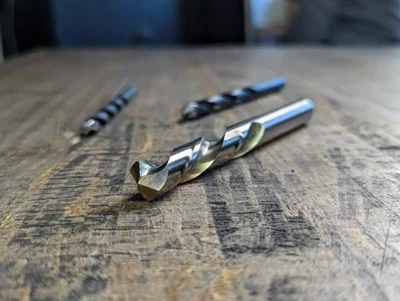
Tips for Inserting Drill Bits
Safety First: Always wear safety goggles and gloves when working with power tools.
Secure the Drill: Ensure the drill is firmly held or clamped to prevent it from moving.
Avoid Over-Tightening: While it's important to secure the bit firmly, avoid over-tightening the chuck, as this can damage the bit or the chuck itself.
Regular Maintenance: Periodically inspect the chuck for wear or damage. A worn chuck may not grip the bit properly, leading to slipping or reduced performance.
how to remove stuck drill bit
Removing a stuck drill bit can be a frustrating task, but there are several effective methods you can use to safely and efficiently extract it. Here's a comprehensive guide based on the latest information:
Method 1: Using Pliers
Secure the Material: Clamp the material to prevent it from moving.
Grip the Bit: Use needle-nose or locking pliers to firmly grip the protruding part of the drill bit.
Twist Counterclockwise: Gently twist the bit counterclockwise to unscrew it. Apply steady pressure to avoid breaking the bit further.
Method 2: Using a Drill Bit Extractor
Create an Indentation: Use a center punch and hammer to create a small indentation at the center of the broken bit.
Insert the Extractor: Attach the extractor to a T-handle and insert it into the indentation.
Twist Counterclockwise: Rotate the extractor slowly; the reverse threads will grip the broken bit and unscrew it.
Method 3: Drilling Out the Bit
Drill a Pilot Hole: Use a drill bit slightly smaller than the stuck bit to create a pilot hole.
Use a Larger Bit: Once the pilot hole is drilled, switch to a larger bit if needed.
Extract the Bit: After drilling, use pliers to grip and remove the broken piece.
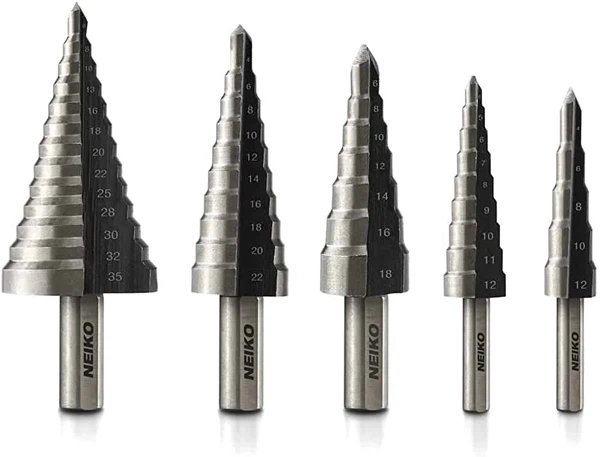
Method 4: Applying Lubricant
Apply Penetrating Oil: Use a lubricant like WD-40 around the bit and let it sit for 10-15 minutes.
Tap Gently: After applying the lubricant, gently tap the chuck with a rubber mallet to help break any binding.
Method 5: Using Heat
Heat the Bit: Use a heat gun or torch to apply heat to the chuck. The heat can cause the metal to expand, making it easier to remove the bit.
Cool Down: Allow the bit to cool slightly before attempting to remove it.
how to sharpen masonry drill bits
Sharpening masonry drill bits is essential to maintain their effectiveness and extend their lifespan. Here's a detailed guide on how to sharpen masonry drill bits using various methods:
Tools You Will Need
Bench Grinder or Angle Grinder: Equipped with a diamond grinding wheel.
Safety Gear: Safety goggles and gloves to protect yourself from flying debris.
Vise or Clamp: To securely hold the drill bit while sharpening.
Sharpening Guide or Jig (Optional but recommended): Helps maintain a consistent angle.
Step-by-Step Guide to Sharpening Masonry Drill Bits
1. Inspect the Drill Bit
Check for Damage: Examine the drill bit for any chips or significant damage. If the bit is severely damaged, it may be more cost-effective to replace it.
2. Secure the Drill Bit
Hold the Bit: Use a vise or clamp to hold the drill bit securely. This ensures stability and prevents the bit from moving during sharpening.
3. Determine the Correct Angle
Standard Angles: Most masonry drill bits have a point angle of 118-130 degrees. The exact angle may vary depending on the material you are drilling:
Concrete: 118-120 degrees.
Brick: 120-125 degrees.
Stone: 125-130 degrees.
4. Start Sharpening
Freehand Sharpening:
Hold the Bit at an Angle: Position the drill bit at the correct angle to the grinding wheel.
Grind the Edges: Move the drill bit back and forth across the grinding wheel, applying light pressure. Ensure you maintain the correct angle and avoid overheating the bit.
Jig Sharpening:
Use a Jig: Attach the drill bit to a sharpening jig to maintain the correct angle. Follow the jig's instructions to pass the bit over the grinding wheel.
5. Check for Sharpness
Test the Bit: After sharpening, gently run your fingernail along the cutting edges. The edges should feel sharp and smooth. If they still feel dull or rough, repeat the sharpening process.
6. Clean and Lubricate
Remove Debris: Use a brush or cloth to clean off any metal shavings or residue from the drill bit.
Apply Lubricant: Apply a small amount of lubricant or cutting oil to the drill bit to prevent rust and ensure smooth drilling.
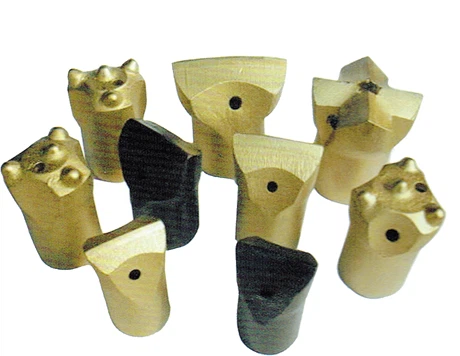
Safety Precautions
Wear Safety Gear: Always wear safety goggles and gloves to protect yourself from flying debris.
Use a Sharp Wheel: Ensure the grinding wheel is sharp to avoid creating excessive heat.
Work in a Well-Ventilated Area: This helps avoid inhaling dust and fumes.
Frequency of Sharpening
Regular Maintenance: It's recommended to sharpen your masonry drill bits after every 10-15 holes drilled in concrete. This helps maintain their effectiveness and prolongs their lifespan.
how to store drill bits
Proper storage of drill bits is essential for maintaining their condition and ensuring they are ready for use when needed. Here are some effective methods and tips for storing drill bits:
1. Use a Drill Bit Organizer
A drill bit organizer is a tool specifically designed to hold and protect your drill bits. These organizers come in various forms:
Plastic Cases: These cases have compartments for different sizes and types of bits.
Magnetic Strips: Magnetic strips can hold metal bits securely and are often used in toolboxes.
Tool Roll: A tool roll with pockets can keep your bits organized and prevent them from rolling around.
2. Label Your Bits
Labeling your drill bits can help you quickly identify the size and type of each bit. You can use:
Permanent Marker: Write the size directly on the bit or on a label.
Color-Coded Labels: Use different colors to indicate different types or sizes of bits.
3. Sort by Size and Type
Organize your drill bits by size and type to make it easier to find the one you need:
Fractional Sizes: Group bits by their fractional sizes (e.g., 1/16 inch, 1/8 inch).
Decimal Sizes: Group bits by their decimal sizes (e.g., 0.0135 inch, 0.019 inch).
Metric Sizes: Group bits by their metric sizes (e.g., 1.0 mm, 1.5 mm).
4. Use a Magnetic Bit Holder
A magnetic bit holder can keep your bits organized and within reach. These holders are often mounted on toolboxes or workbenches and can hold a variety of bits securely.
5. Store in a Toolbox or Drawer
Keep your drill bits in a designated toolbox or drawer to prevent them from getting lost or damaged. Use dividers or compartments to separate different sizes and types of bits.
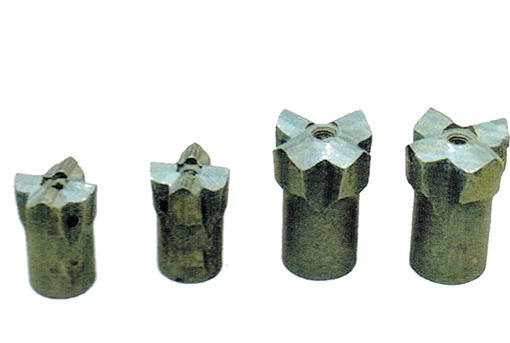
6. Hang Bits on a Pegboard
If you have a pegboard in your workshop, you can hang your drill bits using hooks or pegs. This method keeps your bits visible and easily accessible.
7. Use a Bit Rack
A bit rack is a simple and effective way to organize your drill bits. These racks can be mounted on walls or placed on workbenches and have slots for different sizes of bits.
8. Regular Maintenance
Regularly inspect your drill bits for wear and damage. Sharpen or replace bits as needed to ensure they are in good condition. Keeping your bits clean and free of debris can also extend their lifespan.
how to tell a masonry drill bit
To identify a masonry drill bit, look for the following key features:
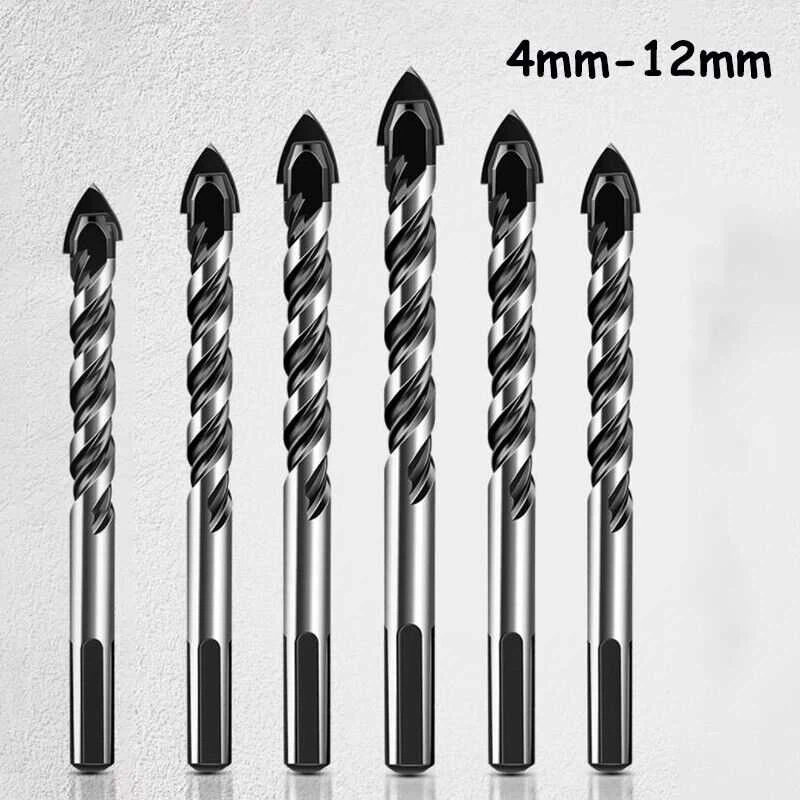
1.Carbide or Diamond-Tipped: Masonry drill bits typically have a carbide or diamond tip, which is much harder than the steel used in regular drill bits. This allows them to easily drill through tough materials like concrete or brick.
2.Conical or Triangular Shape: Masonry drill bits often have a conical or triangular shape at the tip, tapering to a point. This design allows them to easily penetrate hard materials without slipping.
3.Aggressive Flute Design: Masonry drill bits usually have deeper, wider, and more pronounced flutes compared to regular drill bits. These flutes help remove debris while drilling, preventing clogging and ensuring smooth drilling.
4.Color and Coatings: Masonry drill bits are often black or copper in color due to special coatings that enhance their durability and heat resistance.
5.Markings and Labels: Check for markings on the shank of the bit. Masonry drill bits are often labeled or engraved with their size in millimeters or inches. Look for labels such as "masonry," "concrete," or "brick" to further confirm that it is indeed a masonry drill bit.
how to tell a masonry drill bit
To identify a masonry drill bit, look for the following key features:
1.Carbide or Diamond-Tipped: Masonry drill bits typically have a carbide or diamond tip, which is much harder than the steel used in regular drill bits. This allows them to easily drill through tough materials like concrete or brick.
2.Conical or Triangular Shape: Masonry drill bits often have a conical or triangular shape at the tip, tapering to a point. This design allows them to easily penetrate hard materials without slipping.
3.Aggressive Flute Design: Masonry drill bits usually have deeper, wider, and more pronounced flutes compared to regular drill bits. These flutes help remove debris while drilling, preventing clogging and ensuring smooth drilling.
4.Color and Coatings: Masonry drill bits are often black or copper in color due to special coatings that enhance their durability and heat resistance.
5.Markings and Labels: Check for markings on the shank of the bit. Masonry drill bits are often labeled or engraved with their size in millimeters or inches. Look for labels such as "masonry," "concrete," or "brick" to further confirm that it is indeed a masonry drill bit.
how to tell difference between wood and metal drill bits
Distinguishing between wood and metal drill bits is essential for selecting the right tool for your project. Here are some key differences to help you identify the type of drill bit:
Visual Differences
1.Color and Coating:
Wood Bits: Typically silver or gold if coated with titanium nitride. They may also have a brad point tip, which is a small spur at the center of the bit.
Metal Bits: Often have a darker, more matte finish. They may be coated with black oxide or have a gold coating if they are titanium-coated.
2.Tip Design:
Wood Bits: Often have a brad point tip, which helps prevent the bit from wandering and ensures clean, precise holes.
Metal Bits: Usually have a more aggressive cutting edge and may have a split point or a 135-degree point angle to cut through metal more effectively.
Material Differences
1.Wood Bits:
Material: Made from high-speed steel (HSS) or sometimes coated with titanium nitride for added durability.
Flexibility: More flexible to prevent breaking when drilling through wood.
Flutes: Designed to remove wood chips efficiently.
2.Metal Bits:
Material: Made from high-speed steel (HSS) or cobalt steel for added hardness and durability.
Flexibility: Less flexible and more brittle to withstand the hardness of metal.
Flutes: Designed to remove metal shavings efficiently.
Performance Differences
1.Wood Bits:
Speed: Can be used at higher speeds due to the softer nature of wood.
Heat Resistance: Lower heat resistance compared to metal bits.
2.Metal Bits:
Speed: Require slower speeds to prevent overheating and dulling.
Heat Resistance: Higher heat resistance to withstand the friction and heat generated when drilling metal.
Tips for Identification
Inspect the Tip: Look for a brad point on wood bits and a more aggressive cutting edge on metal bits.
Check the Coating: Wood bits often have a shiny gold or silver coating, while metal bits may have a darker, matte finish.
Feel the Flexibility: Wood bits are more flexible, while metal bits are stiffer and more brittle.


