

To unlock a drill bit from a drill, follow these steps based on the type of chuck your drill has:
For Keyless Chucks:
Ensure Safety: Make sure the drill is turned off and unplugged.
Loosen the Chuck: Grip the chuck sleeve with one hand and turn it counterclockwise to loosen it.
Remove the Bit: Once the chuck is loose, pull the drill bit out.
Test the Lock: Gently tug on the drill bit to ensure it's free.
For Keyed Chucks:
Insert the Chuck Key: Place the chuck key into one of the holes on the side of the chuck.
Loosen the Chuck: Turn the chuck key counterclockwise to loosen the chuck.
Remove the Bit: Pull the drill bit out once the chuck is loose.
Check the Bit: Gently pull on the bit to ensure it's completely free.
Additional Tips:
Clean the Chuck: Before inserting a new bit, ensure the chuck jaws are clean and free of debris.
Align the Bit: Insert the drill bit shank fully into the chuck jaws and align it properly.
Tighten Securely: Use the chuck key or keyless mechanism to tighten the chuck securely around the bit.
Test the Bit: After tightening, tug on the bit to ensure it's firmly locked in place.
how to use square drill bits
Using square drill bits can significantly enhance your woodworking and drilling projects by allowing you to create precise square holes. Here's a comprehensive guide on how to effectively use square drill bits:
What Are Square Drill Bits Used For?
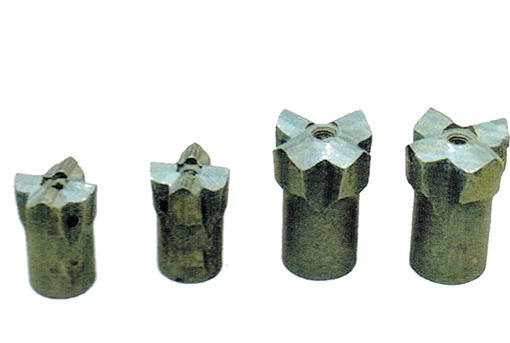
Square drill bits are designed to create square holes with precision and ease. They are particularly useful for woodworking projects, such as installing hinges, creating mortise and tenon joints, and other tasks where square holes are required. These bits can be used on a variety of materials, including wood, plastic, and soft metals.
How to Insert a Square Drill Bit into Your Drill
1.Choose the Right Size Bit: Select the appropriate size square drill bit for your project. The size should be clearly marked on the bit or its packaging.
2.Prepare Your Drill: Ensure your drill is turned off and unplugged. Place it on a stable surface.
3.Loosen the Chuck: Locate the chuck (the part that holds the drill bit) and loosen it by turning it counterclockwise.
4.Insert the Bit: Align the flat sides of the square drill bit with the chuck jaws and push the bit in as far as it will go. Ensure it is centered and securely held.
5.Tighten the Chuck: Turn the chuck clockwise to tighten it around the bit. Make sure it is tight to prevent slipping.
6.Test the Bit: Gently wiggle the bit to ensure it is securely held. If it feels loose, tighten the chuck further.
Tips for Using Square Drill Bits
Material Compatibility: Square drill bits are suitable for wood, plastic, and soft metals. For harder materials like ceramic or porcelain, use a slower drilling speed and apply constant pressure to prevent cracking.
Drilling Technique: Start drilling at a low speed and gradually increase as needed. Periodically lift the bit to clear out debris and prevent overheating.
Safety Precautions: Always wear protective eyewear and follow the manufacturer's safety instructions.
Projects Best Suited for Square Drill Bits
Square drill bits are ideal for projects that require precise square holes, such as:
Woodworking projects involving mortise and tenon joints.
Installing hinges or handle screws.
Creating recessed holes for screws or dowels.
Maintaining Your Drill Bits
To ensure your square drill bits remain sharp and effective:
Choose the Right Bit for the Material: Using the appropriate bit for the material reduces wear and tear.
Use the Correct Speed and Pressure: Avoid high-speed drilling with excessive force to prevent overheating.
Keep the Bit Cool: Use lubricants or cutting fluids to reduce heat and extend the bit's lifespan.
Clean and Inspect Regularly: Remove debris after each use and inspect the bit for wear or damage.
how to use step drill bits
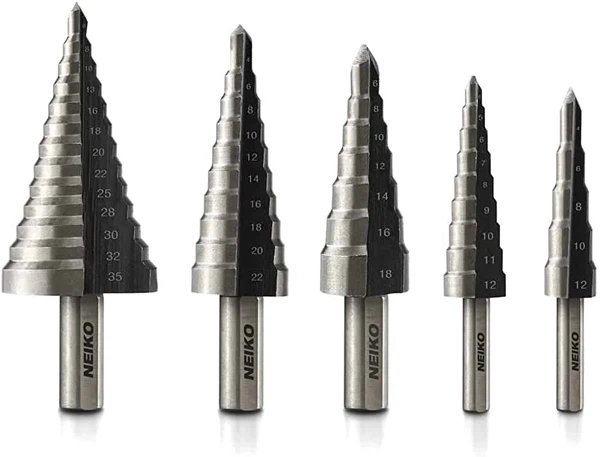
To use a step drill bit effectively, follow these steps:
Preparation
Secure the Workpiece: Clamp the material to prevent it from moving.
Mark the Spot: Use a marker or center punch to mark the spot where you want to drill.
Drilling Process
Align the Drill Bit: Position the step drill bit perpendicular to the material's surface, with the tip directly over the marked spot.
Start Drilling: Begin drilling at a low speed to avoid overheating, especially when working with metals. Apply steady, even pressure.
Gradually Increase Size: As the bit penetrates the material, it will gradually increase the hole size with each step. Stop drilling once you reach the desired diameter.
Tips for Optimal Drilling
Use Lubricant: For metal surfaces, apply cutting fluid to reduce friction and heat.
Clear Chips Regularly: Periodically retract the bit to clear out chips and debris.
Maintain Bit Sharpness: Dull bits can lead to inefficient drilling. Sharpen or replace them as needed.
Safety Precautions
Wear Protective Gear: Always wear safety goggles and gloves.
Work in a Well-lit Area: Ensure good visibility to avoid mistakes.
what are carbide drill bits
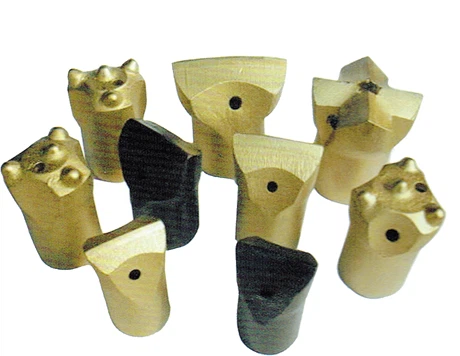
Carbide drill bits are specialized cutting tools designed for drilling through extremely hard materials such as concrete, brick, stone, and certain metals. They are known for their exceptional durability and ability to withstand high levels of wear and tear. Here's a detailed look at what carbide drill bits are, their key features, and their applications:
Key Features of Carbide Drill Bits
1.Material:
Tungsten Carbide: Carbide drill bits are made from tungsten carbide, which is an extremely hard and durable material. Tungsten carbide is significantly harder than high-speed steel (HSS) and can maintain its cutting edge longer, even when drilling through tough materials.
Composite Material: Tungsten carbide is often combined with cobalt to form a composite material. The cobalt acts as a binder, enhancing the toughness and durability of the carbide.
2.Design:
Carbide Tips: Many carbide drill bits have carbide tips welded onto a steel shank. This design combines the hardness of carbide with the flexibility and strength of steel.
Flutes: The flutes (spiral grooves) on carbide drill bits are designed to efficiently remove debris while drilling. This helps prevent clogging and ensures smooth drilling.
3.Point Angle:
118-Degree Point Angle: Most carbide drill bits have a standard point angle of 118 degrees, which is suitable for general-purpose drilling in various materials.
135-Degree Split Point: Some carbide bits have a 135-degree split point, which helps the bit self-center and reduces bit walking, especially when drilling into harder materials.
Applications of Carbide Drill Bits
1.Masonry Work:
Concrete: Carbide bits are ideal for drilling holes in concrete, making them essential for construction and home improvement projects.
Brick and Stone: They are also used for drilling into brick and stone, providing precise and clean holes.
2.Metalworking:
Hard Metals: Carbide bits are suitable for drilling into hard metals like stainless steel, cast iron, and hardened steel. Their durability and heat resistance make them ideal for these challenging materials.
General Metal Drilling: They can also be used for general-purpose drilling in softer metals like aluminum and mild steel.
3.Woodworking:
Hardwoods: Carbide bits can be used for drilling through hardwoods, providing clean and precise holes.
Composite Materials: They are also effective for drilling into composite materials like plywood and particleboard.
Advantages of Carbide Drill Bits
1.Durability: Carbide bits are extremely durable and can maintain their cutting edge longer than HSS bits, reducing the need for frequent replacements.
2.Heat Resistance: Tungsten carbide can withstand high temperatures, making it suitable for drilling through hard materials without overheating.
3.Precision: Carbide bits provide precise and clean holes, making them ideal for applications where accuracy is crucial.
4.Versatility: They can be used for drilling through a wide range of materials, including concrete, brick, stone, metal, and wood.
Limitations
Cost: Carbide bits are generally more expensive than HSS bits due to their superior material and manufacturing process.
Brittleness: While carbide is extremely hard, it is also more brittle than steel. This means carbide bits can chip or break if not used properly.
Specialized Tools: Sharpening carbide bits requires specialized tools and techniques, making maintenance more challenging compared to HSS bits.
Tips for Using Carbide Drill Bits
Use the Right Drill: For drilling into concrete or masonry, use a hammer drill or rotary hammer drill to take advantage of the hammering action.
Wear Safety Gear: Always wear safety goggles, gloves, and a dust mask when drilling with carbide bits.
Start Slow: Begin drilling at a low speed and gradually increase as needed. This helps prevent the bit from overheating and reduces the risk of chipping.
Clear Debris: Periodically withdraw the bit to clear out debris and prevent clogging.
Lubricate: For metal drilling, use cutting fluid or lubricant to reduce heat and friction.
what are drill bits for
Drill bits are essential tools used to create holes in various materials. They come in a wide range of sizes, types, and materials to suit different applications. Here's a comprehensive overview of what drill bits are used for and some common types:
General Uses of Drill Bits
1.Creating Holes:
Wood: For drilling pilot holes, mounting hardware, or creating decorative elements.
Metal: For making holes for screws, bolts, or dowels in metal components.
Plastic: For drilling holes in plastic materials, such as for mounting or assembly.
Masonry: For drilling into concrete, brick, or stone, often for installing anchors or fixtures.
2.Countersinking:
Flat-Head Screws: Creating conical holes to allow flat-head screws to sit flush with the surface.
Decorative Work: For creating chamfers or beveled edges in wood or plastic.
3.Specialized Applications:
Electrical Work: Drilling holes for running wires or installing electrical fixtures.
Plumbing: Creating holes for pipes, fittings, or mounting brackets.
Automotive Repair: Drilling holes for installing or repairing automotive parts.
Common Types of Drill Bits
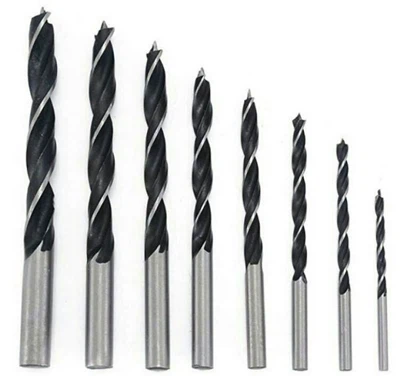
1.Twist Drill Bits:
Material: High-Speed Steel (HSS) or Cobalt.
Usage: General-purpose drilling in wood, metal, and plastic.
Features: Spiral flutes for efficient material removal.
2.Masonry Drill Bits:
Material: Carbide-tipped.
Usage: Drilling into concrete, brick, and stone.
Features: Carbide tips for durability and heat resistance.
3.Forstner Drill Bits:
Material: High-Speed Steel (HSS).
Usage: Creating flat-bottomed holes in wood.
Features: Circular cutting edge for precise, clean holes.
4.Step Drill Bits:
Material: High-Speed Steel (HSS) or Carbide.
Usage: Drilling holes in thin materials like sheet metal, plastic, or wood.
Features: Multiple steps for creating holes of different diameters with a single bit.
5.Countersink Drill Bits:
Material: High-Speed Steel (HSS) or Carbide.
Usage: Creating conical holes for countersinking flat-head screws.
Features: Conical shape with cutting edges for precise countersinking.
6.Diamond-Coated Drill Bits:
Material: Diamond coating on a steel shank.
Usage: Drilling into glass, ceramic, and stone.
Features: Diamond coating for extreme hardness and durability.
7.Carbide Drill Bits:
Material: Tungsten Carbide.
Usage: Drilling into very hard materials like stainless steel, hardened steel, and masonry.
Features: Extremely hard and durable, with carbide tips for longevity.
Tips for Choosing the Right Drill Bit
Material Compatibility: Match the drill bit material to the material you are drilling (e.g., HSS for wood, carbide for masonry).
Bit Size and Type: Choose the correct size and type of bit for your specific task.
Coating and Durability: Consider drill bits with coatings like titanium or cobalt for enhanced durability and performance.
Brand Reputation: Opt for reputable brands known for quality and reliability.
what does a drill bit do
A drill bit is a cutting tool used to create holes in various materials. It is designed to be attached to a drill, which powers the bit to rotate and cut through the material. Here's a detailed look at what a drill bit does and its primary functions:
Primary Functions of a Drill Bit
1.Creating Holes:
General Drilling: Drill bits are primarily used to create holes in materials such as wood, metal, plastic, concrete, and stone.
Pilot Holes: They are often used to create pilot holes for screws or dowels, preventing the material from splitting or cracking.
2.Material Removal:
Cutting and Removing Material: As the drill bit rotates, it cuts through the material, removing small chips or debris to create a hole.
Efficient Debris Removal: The flutes (spiral grooves) on the drill bit help remove debris from the hole, ensuring smooth and continuous drilling.
3.Precision Work:
Accurate Hole Sizes: Drill bits come in a variety of sizes, allowing for precise and accurate hole sizes to be drilled.
Clean Edges: High-quality drill bits can create clean, smooth edges, which is essential for applications requiring precision, such as woodworking or metalworking.
4.Versatility:
Multiple Materials: Different types of drill bits are designed for specific materials, making them versatile tools for various applications.
Specialized Tasks: Some drill bits are designed for specialized tasks, such as countersinking, reaming, or tapping.
Types of Drill Bits and Their Uses
1.Twist Drill Bits:
General-Purpose: Suitable for drilling holes in wood, metal, and plastic.
Features: Spiral flutes that help remove chips and guide the bit.
2.Brad Point Drill Bits:
Woodworking: Ideal for creating precise holes in wood.
Features: Sharp, pointed tip with spurs that create clean, smooth holes.
3.Masonry Drill Bits:
Concrete and Brick: Designed for drilling into hard materials like concrete, brick, and stone.
Features: Carbide tips for durability and wear resistance.
4.Tile and Glass Drill Bits:
Ceramic and Glass: Used for drilling holes in ceramic tiles, porcelain, glass, and other brittle materials.
Features: Diamond or carbide tips for precision and durability.
5.Auger Bits:
Wood: Used for drilling deep, clean holes in wood.
Features: Spiral flutes and a wide cutting edge that efficiently remove wood chips.
6.Forstner Bits:
Wood: Ideal for creating wide, flat-bottomed holes in wood.
Features: Circular cutting edges that create clean, accurate holes.
7.Hole Saws:
Wood, Metal, and Plastic: Used for cutting large-diameter holes in various materials.
Features: Cylindrical saw blades with teeth around the circumference.
Importance of Choosing the Right Drill Bit
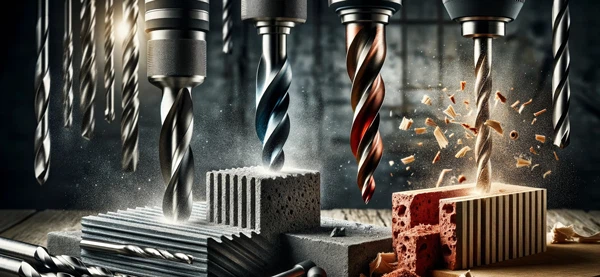
Material Compatibility: Selecting the right drill bit for the material ensures efficient drilling and prevents damage to the bit or the material.
Task-Specific Bits: Using specialized drill bits for specific tasks (e.g., countersinking or reaming) ensures better results and reduces the risk of errors.
Safety and Efficiency: Properly chosen drill bits can improve safety by reducing the risk of the bit slipping or breaking, and they can also enhance drilling efficiency.
what does hss mean on a drill bit
"HSS" stands for High-Speed Steel. It is a type of steel alloy that is specifically designed for cutting tools, including drill bits, due to its excellent hardness, toughness, and resistance to heat. HSS drill bits are widely used for general-purpose drilling in a variety of materials, such as wood, metal, and plastic.
Key Properties of HSS Drill Bits
Hardness: HSS is harder than standard carbon steel, which allows it to maintain a sharp cutting edge even when drilling through tough materials.
Heat Resistance: HSS can withstand high temperatures without losing its hardness or cutting ability, making it suitable for continuous drilling operations.
Durability: HSS bits are more durable than standard steel bits, which means they last longer and require less frequent replacement.
Applications of HSS Drill Bits
Woodworking: Ideal for drilling holes in wood for screws, dowels, and other joinery.
Metalworking: Suitable for drilling into softer metals like aluminum, mild steel, and some stainless steels.
Plastic Fabrication: Effective for creating holes in plastic materials without causing excessive melting or damage.

Coatings for Enhanced Performance
Titanium Nitride (TiN): A common coating for HSS bits, which further enhances durability, reduces friction, and improves heat resistance.
Black Oxide: Another coating that provides corrosion resistance and reduces friction, making the bit easier to clean and maintain.


