


Drilling a hole in granite rock requires the right tools, techniques, and safety precautions. Here's a comprehensive guide to help you drill through granite effectively:
Preparation and Safety
1.Select the Right Drill Bit:
Use a diamond-tipped drill bit for granite. Diamond bits are highly durable and can withstand the hardness of granite.
2.Choose the Appropriate Drill:
A hammer drill or a rotary hammer drill is ideal as they provide both rotation and percussive action. For very hard rocks like granite, a Down-The-Hole (DTH) hammer drill is highly effective.
3.Gather Safety Gear:
Wear safety glasses to protect your eyes from flying debris. Use work gloves for a firm grip and hand protection. Consider hearing protection due to the noise generated.
4.Mark the Spot:
Clearly mark the desired location for the hole on the granite surface using a marker or tape.
5.Prepare for Cooling:
Have a water source nearby for cooling the bit and suppressing dust, especially for deeper holes.
Drilling Techniques
1.Percussion Drilling:
This technique involves repeatedly striking the rock surface with a drill bit using impact force to fracture the material. It is effective for medium to hard rock and is commonly used in mining and quarrying for creating blast holes.
2.Rotary Drilling:
Rotary drilling employs rotational force and downward pressure to grind away the rock. A rotating drill bit with cutting elements shears or crushes the rock. This method is well-suited for softer to medium-hard rock.
3.Rotary-Percussive Drilling:
Combining both impact and rotation, this technique delivers rapid penetration in hard and abrasive rock. The percussive action fractures the rock, while the rotation helps clear cuttings and advance the bit.
Drilling Process
1.Starting the Hole:
Position the drill bit on the marked spot and start drilling at a slow speed with light, consistent pressure. Engage the hammer function from the beginning to help break down the rock. Avoid pushing too hard to prevent damaging the bit or overloading the drill motor.
2.Maintain Pressure:
As the bit begins to penetrate the rock, maintain a steady grip and continue applying consistent pressure.
3.Cooling and Lubrication:
Apply water gently around the drilling area to keep the bit cool and prolong its life.
4.Clear Debris:
Periodically withdraw the drill bit slightly to allow dust and debris to escape the hole.
5.Finishing the Hole:
Once you have reached the desired depth, reduce the pressure on the drill and slowly withdraw the bit while it's still rotating.

Tips for Success
Start Slow: Begin with a slow speed to create a pilot hole and gradually increase the speed.
Use Water for Cooling: Water helps to cool the bit and reduce friction, preventing the rock from cracking.
Secure the Rock: Ensure the rock is stable to prevent it from moving during drilling.
Safety First: Always wear safety goggles and gloves to protect yourself from flying debris.
By following these steps and using the right tools, you can successfully drill a hole in granite for various applications. Patience and precision are key to achieving clean and accurate results.
how to drill a hole in a polished rock
Drilling a hole in a polished rock requires precision and the right tools to avoid damaging the stone. Here's a step-by-step guide based on the latest information:
Tools and Materials Needed
Drill: A rotary tool like a Dremel or a small drill press is ideal for precision.
Drill Bit: Use a diamond-tipped drill bit for polished rocks. Diamond bits are highly durable and can withstand the hardness of the rock.
Safety Gear: Safety glasses to protect your eyes from flying debris, work gloves for a firm grip, and hearing protection due to the noise generated.
Water: A container of water to cool the bit and reduce dust, especially for deeper holes.
Clamp or Vise: To securely hold the rock in place.
Marker: To mark the drilling spot.
Step-by-Step Guide
1. Prepare the Work Area
Water Tray Preparation: Fill a container with enough water to completely submerge the rock. This acts as a lubricant and heat-sink, keeping the bit cool and prolonging its life.
2. Secure the Rock
Mark the Spot: Clearly mark the desired location for the hole on the polished rock surface using a marker.
Secure the Rock: Place the rock in a clamp or vise to hold it firmly. This prevents the rock from moving during drilling.
3. Set Up the Drill
Insert the Bit: Choose the appropriate diamond-tipped drill bit and insert it into the drill. Tighten the chuck securely.
Adjust the Drill: Set the drill to a low speed to start. This helps in creating a stable starting point.
4. Start Drilling
Position the Drill: Lower the drill bit to about 1/8 to 1/4 inch above the water level.
Begin Drilling: Start the drill at a low speed and gently lower the bit onto the marked spot. Apply light, consistent pressure.
Cooling: Periodically dip the drill bit and the rock into the water to keep them cool.
5. Drilling and Progress
Maintain Pressure: Continue drilling at a moderate speed with consistent, firm pressure. Periodically withdraw the drill bit slightly to clear debris.
Check for Damage: Inspect the bit for any signs of wear or damage. Replace if necessary.
6. Finishing the Hole
Withdraw the Bit: Once the hole is drilled to the desired depth, reduce the pressure and slowly withdraw the bit while it's still rotating.
Inspect the Hole: Clean any debris from the hole and inspect it to ensure it meets your requirements.

Tips for Success
Start Slow: Begin with a slow speed to create a pilot hole and gradually increase the speed.
Use Water for Cooling: Water helps to cool the bit and reduce friction, preventing the rock from cracking.
Secure the Rock: Ensure the rock is stable to prevent it from moving during drilling.
Safety First: Always wear safety goggles and gloves to protect yourself from flying debris.
By following these steps and using the right tools, you can successfully drill a hole in a polished rock for various applications. Patience and precision are key to achieving clean and accurate results.
how to drill a hole in a sandstone rock
Drilling a hole in sandstone rock can be done effectively with the right tools and techniques. Here's a step-by-step guide to help you through the process:
Tools and Materials Needed
Drill: A rotary hammer drill or a regular power drill with a hammer function.
Drill Bit: Use a carbide-tipped masonry bit for sandstone.
Safety Gear: Safety glasses, work gloves, and a dust mask.
Water: For cooling the bit and reducing dust.
Clamp or Vise: To securely hold the rock in place.
Marker: To mark the drilling spot.
Step-by-Step Guide
1. Prepare the Work Area
Water Tray Preparation: Fill a container with enough water to completely submerge the rock. This acts as a lubricant and heat-sink, keeping the bit cool and prolonging its life.
2. Secure the Rock
Mark the Spot: Clearly mark the desired location for the hole on the sandstone surface using a marker.
Secure the Rock: Place the rock in a clamp or vise to hold it firmly. This prevents the rock from moving during drilling.
3. Set Up the Drill
Insert the Bit: Choose the appropriate carbide-tipped masonry drill bit and insert it into the drill. Tighten the chuck securely.
Adjust the Drill: Set the drill to a low speed to start. This helps in creating a stable starting point.
4. Start Drilling
Position the Drill: Lower the drill bit to about 1/8 to 1/4 inch above the water level.
Begin Drilling: Start the drill at a low speed and gently lower the bit onto the marked spot. Apply light, consistent pressure.
Cooling: Periodically dip the drill bit and the rock into the water to keep them cool.
5. Drilling and Progress
Maintain Pressure: Continue drilling at a moderate speed with consistent, firm pressure. Periodically withdraw the drill bit slightly to clear debris.
Check for Damage: Inspect the bit for any signs of wear or damage. Replace if necessary.
6. Finishing the Hole
Withdraw the Bit: Once the hole is drilled to the desired depth, reduce the pressure and slowly withdraw the bit while it's still rotating.
Inspect the Hole: Clean any debris from the hole and inspect it to ensure it meets your requirements.

Tips for Success
Start Slow: Begin with a slow speed to create a pilot hole and gradually increase the speed.
Use Water for Cooling: Water helps to cool the bit and reduce friction, preventing the rock from cracking.
Secure the Rock: Ensure the rock is stable to prevent it from moving during drilling.
Safety First: Always wear safety goggles and gloves to protect yourself from flying debris.
By following these steps and using the right tools, you can successfully drill a hole in sandstone for various applications. Patience and precision are key to achieving clean and accurate results.
how to drill a hole in a large limestone rock
Drilling a hole in a large limestone rock requires the right tools and techniques to ensure efficiency and safety. Here's a step-by-step guide based on the latest methods and tools available:
Tools and Materials Needed
Rotary Hammer Drill: Suitable for drilling into hard materials like limestone.
Carbide-Tipped Masonry Bit: Designed for drilling through rock, these bits are durable and effective.
Safety Gear: Safety glasses, gloves, and a dust mask.
Water Source: For cooling the bit and suppressing dust.
Step-by-Step Guide
Preparation
1.Mark the Spot: Clearly mark the spot on the limestone where you want to drill.
2.Secure the Rock: Ensure the rock is stable and won't shift during drilling.
Drilling Process
1.Position the Bit: Place the tip of the drill bit on your marked spot.
2.Start Drilling: Begin at a slow speed with light, consistent pressure. Engage the hammer function to help break down the rock.
3.Maintain Pressure: As the bit penetrates, maintain steady pressure and avoid pushing too hard.
Progress and Maintenance
1.Clear Debris: Periodically withdraw the bit to clear dust and debris. Use water for cooling and dust suppression.
2.Inspect the Bit: Check the bit for wear and replace if necessary.
Finishing the Hole
1.Withdraw the Bit: Slowly withdraw the bit while it's still rotating to clear any remaining debris.
2.Inspect the Hole: Ensure the hole is clean and the correct size.

Additional Tips
Cooling and Lubrication: Water helps keep the bit cool and prolongs its life.
Avoid Forcing the Bit: Let the drill do the work to prevent bit damage.
Clean Out the Hole: Use a shop vacuum to remove dust and debris.
Drilling Methods for Large Rocks
Percussive Drilling: Effective for soft to medium-hard rocks like limestone.
Rotary Drilling: Suitable for deeper holes and larger projects.
Down-The-Hole (DTH) Drilling: Highly efficient for hard rock and deep holes.
By following these steps and using the appropriate tools, you can effectively drill a hole in a large limestone rock. Always prioritize safety and take your time to ensure a clean and accurate hole.
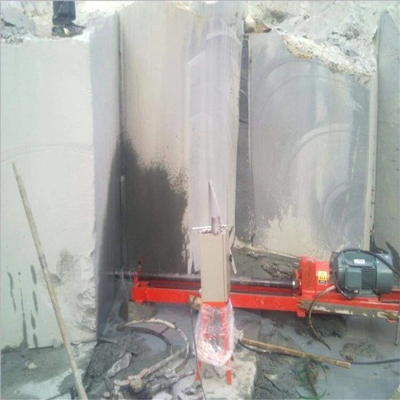
how to drill a hole in a rock wall
Drilling a hole in a rock wall requires careful planning and the right tools to ensure success and safety. Here's a detailed guide based on the latest techniques and tools available:
Preparation and Safety
1.Select the Right Tools:
Use a carbide-tipped masonry bit or a diamond drill bit designed for rock drilling. These bits are engineered to withstand the hardness of rock.
A hammer drill or rotary hammer drill that provides both rotation and percussive action is ideal for drilling through rock.
2.Gather Safety Gear:
Wear safety glasses to protect your eyes from flying debris.
Use work gloves for a firm grip and hand protection.
Consider hearing protection due to the noise generated.
3.Mark the Spot:
Clearly mark the desired location for the hole on the rock wall.
4.Prepare for Cooling:
If drilling a deep hole, have a water source nearby for cooling the bit and suppressing dust.
Starting the Hole
1.Position the Bit:
Place the tip of the drill bit on your marked spot.
2.Begin Drilling:
Start drilling at a slow speed with light, consistent pressure. Engage the hammer function from the beginning to help break down the rock. Drilling too fast initially can cause the bit to skate across the surface or overheat quickly.
3.Maintain Pressure:
As the bit begins to penetrate the rock, maintain a steady grip and continue applying consistent pressure.
Drilling and Progress
1.Continue Drilling:
Once the hole is initiated, continue drilling at a moderate speed with consistent, firm pressure.
2.Clear Debris:
Periodically withdraw the drill bit slightly to allow dust and debris to escape the hole. If using water for cooling and dust suppression, apply it gently around the drilling area.
3.Inspect the Bit:
Check the bit tip for any signs of damage or excessive wear.
Finishing the Hole
1.Withdraw the Bit:
Slowly withdraw the bit while it's still rotating to clear any remaining debris.
2.Inspect the Hole:
Ensure the hole is clean and the correct size.
Additional Tips
Cooling and Lubrication:Using water to cool the drill bit and reduce dust can be helpful.
Avoid Forcing the Bit:Drilling in rock is inherently slow, especially in hard formations. Take your time and let the drill do the work.
Clean Out the Hole:Use a shop vacuum to remove dust and masonry chips before using the hole for any purpose.
By following these steps and using the appropriate tools, you can effectively and safely drill through rocks. Always prioritize safety by wearing protective gear and adhering to proper drilling procedures.
how to drill a hole in big rock
Drilling a hole in a large rock can be a challenging task, but with the right tools and techniques, it can be done efficiently and safely. Here's a comprehensive guide based on the latest methods and tools available:
Tools and Materials Needed
Rotary Hammer Drill or DTH Hammer Drill: These drills provide both rotation and percussive action, making them ideal for drilling through rock.
Carbide-Tipped or Diamond Drill Bits: Designed for rock drilling, these bits are durable and effective.
Safety Gear: Safety glasses, gloves, and a dust mask.
Water Source: For cooling the bit and suppressing dust.
Step-by-Step Guide
Preparation
1.Mark the Spot: Clearly mark the desired location for the hole on the rock surface.
2.Secure the Rock: Ensure the rock is stable and won't shift during drilling.
3.Set Up Water Source: If drilling a deep hole, have a water source nearby for cooling the bit and suppressing dust.
Starting the Hole
1.Position the Bit: Place the tip of the drill bit on your marked spot.
2.Begin Drilling: Start drilling at a slow speed with light, consistent pressure. Engage the hammer function from the beginning to help break down the rock.
3.Maintain Pressure: As the bit begins to penetrate the rock, maintain a steady grip and continue applying consistent pressure.
Drilling and Progress
1.Continue Drilling: Once the hole is initiated, continue drilling at a moderate speed with consistent, firm pressure.
2.Clear Debris: Periodically withdraw the drill bit slightly to allow dust and debris to escape the hole. Use water for cooling and dust suppression.
3.Inspect the Bit: Check the bit tip for any signs of damage or excessive wear.
Finishing the Hole
1.Withdraw the Bit: Slowly withdraw the bit while it's still rotating to clear any remaining debris.
2.Inspect the Hole: Ensure the hole is clean and the correct size.

Additional Tips
Cooling and Lubrication: Using water to cool the drill bit and reduce dust can be helpful.
Avoid Forcing the Bit: Drilling in rock is inherently slow, especially in hard formations. Take your time and let the drill do the work.
Clean Out the Hole: Use a shop vacuum to remove dust and masonry chips before using the hole for any purpose.
Drilling Methods for Large Rocks
Percussive Drilling: Effective for soft to medium-hard rocks like limestone.
Rotary Drilling: Suitable for deeper holes and larger projects.
Down-The-Hole (DTH) Drilling: Highly efficient for hard rock and deep holes.
By following these steps and using the appropriate tools, you can effectively and safely drill through large rocks. Always prioritize safety by wearing protective gear and adhering to proper drilling procedures.


