

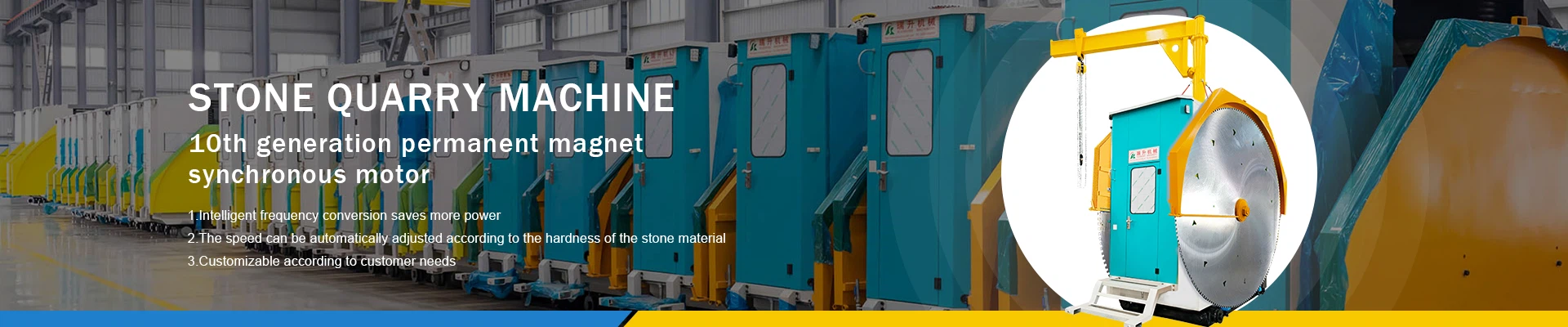
Drilling holes in rocks using a drill press can be a precise and efficient method, especially for small to medium-sized rocks. Here's a detailed guide on how to do it safely and effectively:
Tools and Materials Needed
Drill Press: A drill press provides stability and control, making it ideal for drilling holes in rocks.
Diamond or Carbide-Tipped Drill Bits: These bits are designed to handle the hardness and abrasiveness of rocks.
Safety Gear: Safety glasses, gloves, and a dust mask to protect against flying debris and dust.
Water: To cool the bit and reduce dust.
Vise or Clamp: To securely hold the rock in place.
Marking Tools: A Sharpie or pencil to mark the drilling spot.
Step-by-Step Guide
1.Prepare the Work Area:
Clear your workspace and ensure it is well-lit.
Set up a container with water to submerge the rock. The water level should be just above the rock.
2.Secure the Rock:
Place the rock in the container and mark the spot where you want to drill using a Sharpie.
Use a vise or clamp to hold the rock securely. This is crucial to prevent the rock from moving during drilling.
3.Set Up the Drill Press:
Insert the diamond or carbide-tipped drill bit into the drill press and tighten the chuck.
Adjust the drill press to the lowest speed setting to start.
4.Begin Drilling:
Lower the drill bit to about 1/8 to 1/4 inch above the water level.
Position the drill bit on the marked spot and start the drill press at a low speed.
Once the bit bites into the rock, slowly increase the speed to medium or high, depending on the rock type.
5.Drill Halfway Through:
Hold the rock firmly and allow the bit to penetrate the rock. The bit should be moving in and out slightly to allow rock fragments to clear the hole and for water to enter.
If the water becomes cloudy, change it to maintain visibility and cooling.
6.Complete the Hole:
Continue drilling until you reach the desired depth or halfway through the rock. If drilling from both sides, flip the rock and repeat the process from the other side.
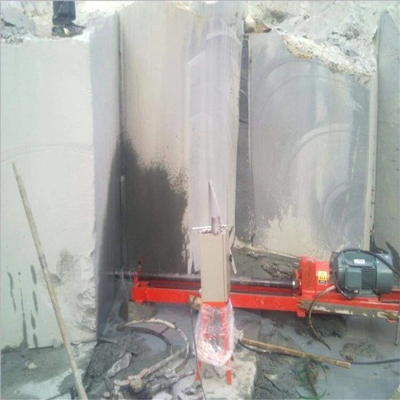
Tips for Success
Cooling and Lubrication: Keep the bit cool by using water. This helps in reducing wear and tear on the bit and prevents overheating.
Bit Selection: Use diamond bits for harder rocks like granite and carbide bits for softer rocks like limestone.
Safety First: Always wear safety glasses and gloves. Keep your hands clear of the drill bit to avoid injury.
Conclusion
Using a drill press to drill holes in rocks provides precision and control, making it suitable for a variety of applications, from crafting to construction. By following these steps and using the right tools, you can achieve clean and accurate holes in rocks safely and efficiently.
how to drill into quartz rock
Drilling into quartz rock can be challenging due to its hardness and abrasiveness, but with the right tools and techniques, it can be done effectively. Here's a step-by-step guide on how to drill holes in quartz rock:
Preparation and Safety
Select the Right Drill Bit:
Use a diamond drill bit designed specifically for drilling into quartz. Diamond bits are highly durable and can withstand the hardness of quartz.
For very hard rocks like quartz, consider using a bit with a higher number designation, which has a softer matrix and more exposed diamonds for better cutting power.
Choose the Right Drill:
A rotary hammer drill or a rock drill (jackhammer) is ideal as they provide both rotation and percussive action.
For very hard rocks like quartz, a Down-The-Hole (DTH) hammer drill is highly effective.
Gather Safety Gear:
Wear safety glasses to protect your eyes from flying debris.
Use work gloves for a firm grip and hand protection.
Consider hearing protection due to the noise generated.
Mark the Spot:
Clearly mark the desired location for the hole on the quartz surface using a marker or tape.
Prepare for Cooling:
Have a water source nearby for cooling the bit and suppressing dust, especially for deeper holes.
Starting the Hole
Position the Bit:
Place the tip of the drill bit on your marked spot.
Begin Drilling:
Start drilling at a slow speed with light, consistent pressure. Engage the hammer function from the beginning to help break down the rock.
Maintain Pressure:
As the bit begins to penetrate the quartz, maintain a steady grip and continue applying consistent pressure. Avoid pushing too hard to prevent damaging the bit or overloading the drill motor.
Drilling and Progress
Continue Drilling:
Once the hole is initiated, continue drilling at a moderate speed with consistent, firm pressure.
Clear Debris:
Periodically withdraw the drill bit slightly to allow dust and debris to escape the hole. Use water for cooling and dust suppression.
Inspect the Bit:
Che
1ck the bit tip for any signs of damage or excessive wear. Allow the bit to cool if necessary.
Finishing the Hole
Withdraw the Bit:
Slowly withdraw the bit while it's still rotating to clear any remaining debris.
Inspect the Hole:
Remove any loose debris from the opening. If the hole needs to be a specific size or shape, you may need to use specialized tools for finishing.

Additional Tips
Bit Configuration: For hard rock, consider using a turbo configuration bit, which has less surface area in contact with the rock, giving it a very free cutting bit.
Water Flow: Keep a close eye on water flow. Too little water flow will cause the bit to burn, but too much can prevent the bit from sharpening.
By following these steps and using the right tools, you can effectively drill holes in quartz rock. Always prioritize safety and take necessary precautions to avoid injury or damage to the equipment.
how to drill slate rock
Drilling into slate requires careful consideration of the material's unique properties and the use of appropriate techniques and tools. Here's a comprehensive guide on how to drill holes in slate rock effectively:
1. Understand Slate's Structure
Slate is a fine-grained, foliated metamorphic rock known for its durability and aesthetic appeal. It is often used for roofing, flooring, countertops, and various decorative projects. However, slate's layered structure can make it prone to cracking or chipping if not handled properly.
Advantage: Slate can be split along its natural cleavage planes, which is useful for projects requiring thin, flat pieces.
Challenge: If not handled properly, slate can fracture unexpectedly during cutting or drilling.
Tip: Always inspect the slate slab for visible layers or fissures before cutting or drilling. Plan your work around these weaknesses to avoid breakage.
2. Use the Right Drill Bit
To drill into slate, you need a diamond-tipped drill bit or carbide-tipped masonry bit. These bits are designed to handle the hardness and density of slate, and they will dull quickly if not used.
Diamond Drill Bits: These are ideal for drilling through hard materials like slate. The diamonds on the bit's tip are highly effective at grinding through tough rock surfaces.
Carbide-Tipped Drill Bits: These are another option for drilling through slate, though they may not last as long as diamond bits for multiple holes.
Tip: Use wet drilling to keep the slate cool and prevent it from cracking due to heat buildup during the drilling process. You can apply water directly to the drill site or use a wet drilling system.
3. Mark the Drilling Location
Before drilling, always mark the location of the hole carefully to ensure accuracy. Use a pencil, chalk, or masking tape to mark the drilling point clearly.
Tip: If you're drilling multiple holes, use a square or level to ensure your markings are aligned and consistent across your project.
4. Start with a Pilot Hole
For larger holes or more precise drilling, start with a smaller pilot hole. This will guide the larger drill bit and prevent the slate from cracking or splintering as the bit makes initial contact.
Tip: Use a smaller diamond bit (around 1/8 inch or 3mm) for the pilot hole, then gradually increase to the desired hole size.
5. Drill Slowly and Steadily
When drilling into slate, take your time. Rushing the drilling process can lead to cracks or an uneven hole.
Tip: Apply light pressure to the drill, and let the bit do the work. Too much pressure can lead to chipping or shattering.
Tip: Use a low drill speed to minimize the risk of heat buildup and allow the drill bit to make steady progress without damaging the slate.
6. Use Water for Cooling
Heat buildup from drilling can cause slate to crack or even break entirely. Using water to cool the area while drilling is essential, particularly for larger holes or deeper drilling.
Tip: Keep the drill bit wet by periodically applying water to the drill site. You can use a small sponge or drip bottle to keep the area moist during drilling.

7. Prevent Cracking When Shaping
Slate can easily crack or splinter if too much pressure is applied, especially when making intricate shapes or sharp angles.
Tip: When cutting or shaping slate, always use controlled pressure. If using a grinder or wet saw, avoid pressing too hard or too fast, as this can cause the material to break.
8. Sanding and Polishing Slate Edges
Once you've drilled or shaped your slate, it's important to smooth out any rough edges or surfaces to create a finished, professional look.
Tip: Start by using coarse sandpaper or a diamond hand pad to smooth the edges, then gradually move to finer grits to create a smooth, polished surface.
9. Clean Up After Drilling and Shaping
After drilling or shaping, clean the slate to remove any dust, debris, or stone chips that may have accumulated.
Tip: Use a soft brush or a vacuum with a hose attachment to remove dust and stone particles. If any slurry has built up from water and grinding, wipe down the surface with a damp cloth.
By following these steps and using the right tools, you can successfully drill holes in slate rock without damaging the material. Always prioritize safety and take necessary precautions to avoid injury or damage to the equipment.
how to drill holes into rocks
Drilling holes into rocks can be challenging due to the hardness and density of the material. Here's a step-by-step guide to help you drill holes into rocks efficiently and safely:
Preparation and Safety
Choose the Right Tools: Use a carbide-tipped masonry bit designed for rock drilling. A hammer drill that provides both rotation and percussive action is ideal.
Safety Gear: Wear safety glasses to protect your eyes from flying debris, work gloves for a firm grip and hand protection, and hearing protection due to the noise generated.
Mark the Spot: Clearly mark the desired location for the hole on the rock surface.
Water Source: If drilling a deep hole, have a water source nearby for cooling the bit and suppressing dust.
Starting the Hole
Position the Bit: Place the tip of the masonry bit on your marked spot.
Begin Drilling: Start drilling at a slow speed with light, consistent pressure. Engage the hammer function of the drill from the beginning. Drilling too fast initially can cause the bit to skate across the surface or overheat quickly.
Steady Grip: As the bit begins to penetrate the rock, maintain a steady grip and continue applying consistent pressure. Avoid pushing too hard to prevent damaging the bit or overloading the drill motor.
Drilling and Progress
Maintain Speed and Pressure: Continue drilling at a moderate speed with consistent, firm pressure. Periodically withdraw the drill bit slightly to allow dust and debris to escape the hole.
Cooling and Lubrication: If using water for cooling and dust suppression, apply it gently around the drilling area. This helps keep the bit cool and prolongs its life.
Check for Debris: If the drilling slows significantly, the bit may be overheating or clogged with debris. Withdraw the bit completely to clear any accumulated material and allow it to cool briefly.
Finishing the Hole
Withdraw the Bit: Once you have reached the desired depth, reduce the pressure on the drill and slowly withdraw the bit while it's still rotating to clear any remaining debris from the hole.
Inspect the Hole: Remove any loose debris from the opening. If the hole needs to be a specific size or shape, you may need to use specialized tools for finishing, depending on the application.
Types of Rock Drilling Methods
Percussion Drilling: Effective for soft and medium-soft rock, but not suitable for hard or abrasive formations.
Rotary Drilling: Fast drilling in soft to medium formations, capable of reaching great depths.
Down-the-Hole (DTH) Drilling: High penetration rate in hard rock, energy-efficient, and produces straighter boreholes.
Top Hammer Drilling: Good control in directional drilling, efficient in fractured or jointed rock.
Diamond Core Drilling: Provides high-quality, undisturbed core samples, ideal for exploratory work.

Conclusion
Drilling holes into rocks requires patience, the right tools, and a systematic approach. By following these steps and using the appropriate drilling method for the type of rock you're working with, you can achieve efficient and safe results. Always prioritize safety by wearing appropriate protective gear and adhering to proper drilling procedures.
how to drill rocks
Drilling into rocks can be challenging due to the hardness and density of the material, but with the right tools and techniques, it can be done efficiently and safely. Here's a comprehensive guide on how to drill rocks:
Preparation and Safety
1.Choose the Right Tools: Use a carbide-tipped masonry bit designed for rock drilling. A hammer drill that provides both rotation and percussive action is ideal.
2.Safety Gear: Wear safety glasses to protect your eyes from flying debris, work gloves for a firm grip and hand protection, and hearing protection due to the noise generated.
3.Mark the Spot: Clearly mark the desired location for the hole on the rock surface.
4.Water Source: If drilling a deep hole, have a water source nearby for cooling the bit and suppressing dust.
Starting the Hole
1.Position the Bit: Place the tip of the masonry bit on your marked spot.
2.Begin Drilling: Start drilling at a slow speed with light, consistent pressure. Engage the hammer function of the drill from the beginning. Drilling too fast initially can cause the bit to skate across the surface or overheat quickly.
3.Steady Grip: As the bit begins to penetrate the rock, maintain a steady grip and continue applying consistent pressure. Avoid pushing too hard to prevent damaging the bit or overloading the drill motor.
Drilling and Progress
1.Maintain Speed and Pressure: Continue drilling at a moderate speed with consistent, firm pressure. Periodically withdraw the drill bit slightly to allow dust and debris to escape the hole.
2.Cooling and Lubrication: If using water for cooling and dust suppression, apply it gently around the drilling area. This helps keep the bit cool and prolongs its life.
3.Check for Debris: If the drilling slows significantly, the bit may be overheating or clogged with debris. Withdraw the bit completely to clear any accumulated material and allow it to cool briefly.
Finishing the Hole
1.Withdraw the Bit: Once you have reached the desired depth, reduce the pressure on the drill and slowly withdraw the bit while it's still rotating to clear any remaining debris from the hole.
2.Inspect the Hole: Remove any loose debris from the opening. If the hole needs to be a specific size or shape, you may need to use specialized tools for finishing, depending on the application.
Types of Rock Drilling Methods
1.Percussion Drilling: Effective for soft and medium-soft rock. Uses repeated vertical impacts to fracture the rock surface.
2.Rotary Drilling: Fast drilling in soft to medium formations, capable of reaching great depths.
3.Down-the-Hole (DTH) Drilling: High penetration rate in hard rock, energy-efficient, and produces straighter boreholes.
4.Top Hammer Drilling: Good control in directional drilling, efficient in fractured or jointed rock.
5.Diamond Core Drilling: Provides high-quality, undisturbed core samples, ideal for exploratory work.
6.Auger Drilling: Easy to set up and operate, suitable for short-depth boreholes in soft formations.
7.Air Core Drilling: Fast drilling in soft or weathered rock, produces dry, uncontaminated samples.
8.Hydraulic Rotary Drilling: Exact drilling control, suitable for deep, complex geology.

Factors Influencing Drilling Performance
Rock Type: Hard, fractured, or soft formations require different techniques.
Project Depth: Some methods are best suited for shallow holes, while others can reach extreme depths.
Budget Constraints: Simpler methods like auger or percussion drilling are more cost-effective, whereas methods like diamond core drilling offer precision but at a higher cost.
Purpose of Drilling: The purpose of drilling, whether it's collecting core samples, blasting rock, or installing foundations, will influence the ideal method.
By matching the drilling approach to your project's geological and operational needs, you can improve efficiency, reduce costs, and ensure successful outcomes.
how to drill through masonry rocks
Drilling through masonry rocks requires the right tools and techniques to ensure success and safety. Here's a comprehensive guide on how to drill through masonry rocks:
Preparation and Safety
1.Select the Right Tools:
Use a carbide-tipped masonry bit or a diamond core drill bit, which are designed for drilling into hard materials like rock.
A hammer drill or rotary hammer drill is ideal for this task. These drills provide both rotation and percussive action, which is essential for breaking down the rock.
2.Safety Gear:
Wear safety glasses to protect your eyes from flying debris.
Use work gloves for a firm grip and hand protection.
Consider hearing protection due to the noise generated by the drill.
3.Mark the Spot:
Clearly mark the spot on the rock where you want to drill the hole.
4.Secure the Rock:
Ensure the rock is stable and won't shift during drilling. If possible, clamp the rock to a stable surface.
5.Prepare the Area:
Lay down a protective covering underneath the rock to prevent damage to the surface beneath it.
Starting the Hole
1.Position the Bit:
Position the tip of the drill bit on your marked spot. Start drilling at a slow speed with light, consistent pressure. Engage the hammer function of the drill from the beginning.
Allow the drill to do the work. Avoid pushing too hard, as this can damage the bit or overload the drill motor.
2.Initiate the Hole:
As the bit begins to penetrate the rock, maintain a steady grip and continue applying consistent pressure. If the bit starts to wander, stop, reposition it carefully, and resume drilling at a slow speed.
Drilling and Progress
1.Maintain Speed and Pressure:
Continue drilling at a moderate speed with consistent, firm pressure. Periodically withdraw the drill bit slightly to allow dust and debris to escape the hole.
If using water for cooling and dust suppression, apply it gently around the drilling area. The water will help to keep the bit cool, prolonging its life, and will bind the rock dust, preventing it from becoming airborne.
2.Check for Debris:
If the drilling slows significantly, the bit may be overheating or clogged with debris. Withdraw the bit completely to clear any accumulated material and allow it to cool briefly.
Finishing the Hole
1.Withdraw the Bit:
Once you have reached the desired depth, reduce the pressure on the drill and slowly withdraw the bit while it's still rotating to clear any remaining debris from the hole.
2.Inspect the Hole:
Remove any loose debris from the opening. If the hole needs to be a specific size or shape, you may need to use specialized tools for finishing, depending on the application.

Additional Tips
Cooling and Lubrication: Using water to cool the drill bit and reduce dust can be helpful.
Avoid Forcing the Bit: Drilling in masonry is inherently slow, especially in concrete when you hit a lot of stone. Take your time and work your way through.
Clean Out the Hole: Use a shop vacuum to remove dust and masonry chips before driving a Tapcon screw, using a wall anchor, or embedding
materials such as epoxy, grout, or mortar to hold a threaded stud.
By following these steps and using the appropriate tools, you can effectively and safely drill through masonry rocks.


