

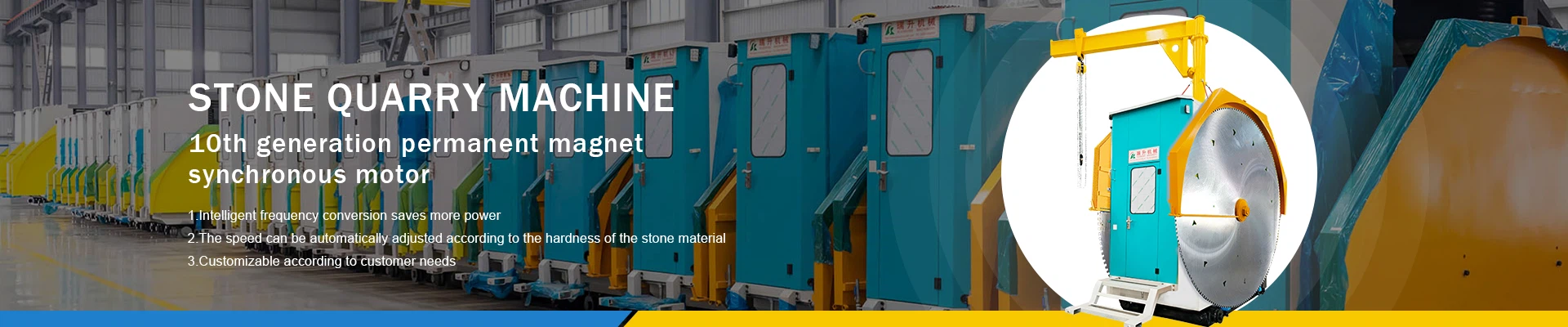
Rock drilling is the process of creating holes or excavating in rock formations using specialized tools and techniques. It is a fundamental activity in various industries, including mining, construction, civil engineering, geotechnical exploration, and environmental monitoring. Here's a detailed overview of what rock drilling is, its applications, and the methods involved:
What is Rock Drilling?
Rock drilling involves using mechanical force to penetrate rock formations to create holes or excavate material. This process is essential for a variety of applications, from extracting minerals and constructing foundations to installing utility lines and conducting geological surveys.
Applications of Rock Drilling
1.Mining:
Ore Extraction: Creating holes for blasting to break up rock and extract minerals.
Exploration: Obtaining rock samples for geological analysis to determine the location and quality of mineral deposits.
2.Quarrying:
Stone Extraction: Creating holes for blasting or splitting large blocks of stone.
Dimension Stone: Preparing rock for cutting into smaller pieces for construction and landscaping.
3.Construction:
Foundation Work: Creating holes for anchor bolts, rebar, or piles in rocky ground.
Tunneling: Creating pilot holes and enlarging tunnel openings.
Road and Railway Construction: Preparing the ground for roadbeds and railway tracks.
4.Civil Engineering:
Geotechnical Investigations: Obtaining core samples for soil and rock analysis.
Drainage and Utility Installation: Creating holes for installing drainage pipes and utility lines.
5.Geotechnical and Environmental:
Groundwater Monitoring: Creating boreholes for installing monitoring wells.
Geothermal Drilling: Creating deep holes for geothermal energy extraction.
6.Demolition:
Controlled Demolition: Creating holes for explosive charges in controlled demolition projects.
7.Landscaping and Sculpting:
Rock Shaping: Creating holes for splitting or shaping large rock formations.
Sculpture: Carving and shaping stone sculptures.
Types of Rock Drilling Methods
1.Rotary Drilling:
Description: Uses rotational force to cut through rock. The drill bit rotates continuously, and cuttings are removed by a fluid (mud or water) circulated through the drill string.
Applications: Suitable for a wide range of rock types, especially softer formations.
2.Percussion Drilling:
Description: Uses a hammering action to break the rock. The drill bit is repeatedly struck by a pneumatic or hydraulic hammer.
Applications: Effective for hard and abrasive rock formations.
3.Down-The-Hole (DTH) Drilling:
Description: Combines rotation with a percussive action at the bit tip. The hammer mechanism is located directly behind the bit.
Applications: High penetration rates in very hard rock formations, commonly used in mining and civil engineering.
4.Diamond Core Drilling:
Description: Uses diamond-impregnated bits to create precise, smooth holes. The bits are typically annular (ring-shaped) to obtain core samples.
Applications: Essential for detailed geological analysis and obtaining high-quality rock samples.
5.Hydraulic Drilling:
Description: Uses hydraulic power to provide high torque and continuous operation.
Applications: Suitable for heavy-duty applications like tunneling and large-scale excavation.
Tools and Equipment
1.Drill Bits:
Carbide-Tipped Bits: Suitable for general rock drilling.
Diamond Bits: Used for precise, high-quality core sampling.
Percussion Bits: Designed for hard rock formations.
2.Drill Rigs:
Hand-Held Drills: Portable and suitable for smaller projects.
Truck-Mounted Rigs: Used for large-scale drilling operations.
DTH Hammers: Provide high penetration rates in hard rock.
3.Auxiliary Equipment:
Water or Air Supply: For cooling the bit and removing cuttings.
Safety Gear: Safety glasses, gloves, ear protection, and dust masks.

Factors Influencing Rock Drilling
1.Rock Hardness and Abrasiveness:
Harder rocks require more durable bits and higher impact forces.
2.Drilling Method:
The type of drilling method (rotary, percussion, DTH) affects the choice of equipment and technique.
3.Hole Diameter and Depth:
Larger and deeper holes require more robust equipment and longer drilling times.
4.Geological Formation:
The specific characteristics of the rock formation influence the drilling strategy.
5.Cost vs. Performance:
Balancing the cost of equipment and drilling time with the desired performance.
Safety Considerations
1.Personal Protective Equipment (PPE):
Always wear safety glasses, ear protection, gloves, and dust masks.
2.Secure the Work Area:
Ensure the rock or workpiece is securely anchored to prevent movement.
3.Proper Maintenance:
Regularly inspect and maintain the drill and bits to ensure optimal performance and safety.
4.Follow Manufacturer's Instructions:
Always follow the manufacturer's guidelines and safety recommendations.
Conclusion
Rock drilling is a versatile and essential process used across various industries to penetrate, excavate, and analyze rock formations. By understanding the different methods, tools, and factors involved, you can choose the right approach for your specific needs and ensure successful and safe drilling operations.
can a dremel drill through a rock
A Dremel can be used to drill through rocks, but it requires the right setup and technique. Here's how you can do it effectively:
Tools and Materials Needed
Dremel Rotary Tool: A versatile tool suitable for drilling small holes in rocks.
Diamond Drill Bits: These bits are essential for drilling through hard materials like rock.
Water Tray: A shallow container filled with water to cool the bit and rock during drilling.
Safety Gear: Safety glasses and a dust mask to protect against flying debris and dust.
Marker Pen or Chinagraph Pencil: To mark the spot where you want to drill.
Piece of Wood or Rubber: To rest the rock on while drilling.
Steps to Drill Through Rocks with a Dremel
1.Prepare Your Work Area:
Clear your workspace and ensure you have good lighting.
Fill the water tray with enough water to submerge the rock.
2.Secure the Rock:
Place the rock in the water tray and secure it with a piece of wood or rubber to prevent it from moving.
3.Mark the Spot:
Use a marker pen or Chinagraph pencil to mark the spot where you want to drill.
4.Choose the Right Bit:
Select a diamond drill bit suitable for the hardness of the rock.
5.Set Up the Dremel:
Insert the diamond bit into the Dremel's chuck and secure it.
Adjust the speed setting to the lowest (around 5,000 RPM for most Dremel models).
6.Start Drilling:
Begin drilling at a 45-degree angle to create a small indentation, which will help guide the bit.
Once the indentation is made, adjust the angle to 90 degrees and continue drilling.
Move the bit up and down periodically to allow water to flow into the hole, which helps cool the bit and remove debris.
7.Drill Through:
Continue drilling until the bit penetrates through the rock. If drilling from both sides, flip the rock and repeat the process from the opposite side.

Tips for Success
Use Water: Water acts as a lubricant and heat-sink, preventing the bit from overheating and reducing the risk of burning your fingers.
Apply Minimal Pressure: Let the Dremel and the bit do the work. Applying too much pressure can cause the bit to slip or break.
Be Patient: Drilling through rock can be time-consuming, especially with harder materials. Take breaks to cool the bit and rock.
Safety Considerations
Wear Safety Gear: Always wear safety glasses and a dust mask to protect against flying debris and dust.
Work in a Well-Ventilated Area: Drilling rock can produce dust, so ensure your workspace is well-ventilated.
By following these steps and using the right tools, you can successfully drill through rocks using a Dremel. This method is particularly useful for creating holes in small rocks for jewelry or decorative purposes.
can a sds bit be used to drill rock
A hammer drill with the appropriate bit can effectively drill through rocks, including slate. Here's how to do it:
Choosing the Right Drill Bit
To drill through rocks like slate, you need a carbide-tipped masonry bit or a diamond-tipped drill bit. These bits are designed to handle the hardness and abrasiveness of rock surfaces.
Drilling Process
Mark the Spot: Clearly mark the drilling location on the slate using a pencil or masking tape.
Secure the Slate: If possible, secure the slate to prevent it from moving while drilling.
Start Drilling: Begin at a slow speed with light pressure. Engage the hammer function if your drill has one, as it helps in breaking through the rock.
Cooling: Keep the drilling area wet with water to cool the bit and reduce dust.
Progress: Continue drilling at a moderate speed, periodically withdrawing the bit to clear debris.
Finish: Once the hole is drilled, inspect it for smoothness and make any necessary adjustments.

Tips for Success
Bit Maintenance: Regularly inspect and clean the bit to ensure optimal performance.
Bit Selection: For very hard rocks, consider using a diamond core bit.
Safety: Always wear safety glasses and gloves to protect against flying debris.
By following these steps and using the right tools, you can successfully drill through slate and other types of rock.
how to drill slate rock
Drilling into slate requires careful consideration of the material's unique properties and the use of appropriate techniques and tools. Here's a comprehensive guide on how to drill holes in slate rock effectively:
1. Understand Slate's Structure
Slate is a fine-grained, foliated metamorphic rock known for its durability and aesthetic appeal. It is often used for roofing, flooring, countertops, and various decorative projects. However, slate's layered structure can make it prone to cracking or chipping if not handled properly.
Advantage: Slate can be split along its natural cleavage planes, which is useful for projects requiring thin, flat pieces.
Challenge: If not handled properly, slate can fracture unexpectedly during cutting or drilling.
Tip: Always inspect the slate slab for visible layers or fissures before cutting or drilling. Plan your work around these weaknesses to avoid breakage.
2. Use the Right Drill Bit
To drill into slate, you need a diamond-tipped drill bit or carbide-tipped masonry bit. These bits are designed to handle the hardness and density of slate, and they will dull quickly if not used.
Diamond Drill Bits: These are ideal for drilling through hard materials like slate. The diamonds on the bit's tip are highly effective at grinding through tough rock surfaces.
Carbide-Tipped Drill Bits: These are another option for drilling through slate, though they may not last as long as diamond bits for multiple holes.
Tip: Use wet drilling to keep the slate cool and prevent it from cracking due to heat buildup during the drilling process. You can apply water directly to the drill site or use a wet drilling system.
3. Mark the Drilling Location
Before drilling, always mark the location of the hole carefully to ensure accuracy. Use a pencil, chalk, or masking tape to mark the drilling point clearly.
Tip: If you're drilling multiple holes, use a square or level to ensure your markings are aligned and consistent across your project.
4. Start with a Pilot Hole
For larger holes or more precise drilling, start with a smaller pilot hole. This will guide the larger drill bit and prevent the slate from cracking or splintering as the bit makes initial contact.
Tip: Use a smaller diamond bit (around 1/8 inch or 3mm) for the pilot hole, then gradually increase to the desired hole size.
5. Drill Slowly and Steadily
When drilling into slate, take your time. Rushing the drilling process can lead to cracks or an uneven hole.
Tip: Apply light pressure to the drill, and let the bit do the work. Too much pressure can lead to chipping or shattering.
Tip: Use a low drill speed to minimize the risk of heat buildup and allow the drill bit to make steady progress without damaging the slate.
6. Use Water for Cooling
Heat buildup from drilling can cause slate to crack or even break entirely. Using water to cool the area while drilling is essential, particularly for larger holes or deeper drilling.
Tip: Keep the drill bit wet by periodically applying water to the drill site. You can use a small sponge or drip bottle to keep the area moist during drilling.
7. Prevent Cracking When Shaping
Slate can easily crack or splinter if too much pressure is applied, especially when making intricate shapes or sharp angles.
Tip: When cutting or shaping slate, always use controlled pressure. If using a grinder or wet saw, avoid pressing too hard or too fast, as this can cause the material to break.

8. Sanding and Polishing Slate Edges
Once you've drilled or shaped your slate, it's important to smooth out any rough edges or surfaces to create a finished, professional look.
Tip: Start by using coarse sandpaper or a diamond hand pad to smooth the edges, then gradually move to finer grits to create a smooth, polished surface.
9. Clean Up After Drilling and Shaping
After drilling or shaping, clean the slate to remove any dust, debris, or stone chips that may have accumulated.
Tip: Use a soft brush or a vacuum with a hose attachment to remove dust and stone particles. If any slurry has built up from water and grinding, wipe down the surface with a damp cloth.
By following these steps and using the right tools, you can successfully drill holes in slate rock without damaging the material. Always prioritize safety and take necessary precautions to avoid injury or damage to the equipment.
how to drill through slate rock
Drilling through slate rock requires careful handling due to slate's layered structure, which can make it prone to cracking or chipping. Here are the steps and tips to effectively drill through slate rock:
Preparation and Safety
1.Inspect the Slate: Look for visible layers or fissures and plan your drilling to avoid these weaknesses.
2.Mark the Spot: Clearly mark the drilling location using a pencil, chalk, or masking tape.
3.Safety Gear: Wear safety glasses, gloves, and consider hearing protection due to the noise.
Tools and Materials Needed
Drill Bit: Use a diamond-tipped drill bit or carbide-tipped masonry bit. Diamond bits are ideal for their durability and precision.
Drill: A rotary hammer drill or a regular drill with a masonry bit can be used. Avoid the hammer setting if using a hammer drill.
Water: Keep the drilling area wet to cool the bit and reduce dust.
Drilling Process
1.Start with a Pilot Hole: For larger holes, begin with a smaller pilot hole (around 1/8 inch or 3mm) to guide the larger bit.
2.Drill Slowly: Apply light pressure and let the bit do the work. Use a low drill speed to minimize heat buildup.
3.Cooling: Periodically apply water to the drill site to keep the bit cool and prevent the slate from cracking.
Finishing the Hole
Withdraw the Bit: Slowly withdraw the bit while it's still rotating to clear any remaining debris.
Inspect the Hole: Ensure the hole is smooth and free of any rough edges.

Additional Tips
Avoid Hammer Setting: Do not use the hammer function on your drill as it can cause the slate to crack.
Use a Backer: Place a piece of wood behind the slate to provide support and prevent breakage when drilling.
Multiple Holes for Larger Openings: If you need a larger hole, consider drilling several smaller holes and then connecting them.
By following these steps and using the right tools, you can effectively drill through slate rock without causing damage to the material. Always take your time and apply steady, controlled pressure to achieve the best results.
can a hammer drill drill bit drill through rocks
A hammer drill with the appropriate bit can effectively drill through rocks, including slate. Here's how to do it:
Choosing the Right Drill Bit
To drill through rocks like slate, you need a carbide-tipped masonry bit or a diamond-tipped drill bit. These bits are designed to handle the hardness and abrasiveness of rock surfaces.
Drilling Process
1.Mark the Spot: Clearly mark the drilling location on the slate using a pencil or masking tape.
2.Secure the Slate: If possible, secure the slate to prevent it from moving while drilling.
3.Start Drilling: Begin at a slow speed with light pressure. Engage the hammer function if your drill has one, as it helps in breaking through the rock.
4.Cooling: Keep the drilling area wet with water to cool the bit and reduce dust.
5.Progress: Continue drilling at a moderate speed, periodically withdrawing the bit to clear debris.
6.Finish: Once the hole is drilled, inspect it for smoothness and make any necessary adjustments.

Tips for Success
Bit Maintenance: Regularly inspect and clean the bit to ensure optimal performance.
Bit Selection: For very hard rocks, consider using a diamond core bit.
Safety: Always wear safety glasses and gloves to protect against flying debris.
By following these steps and using the right tools, you can successfully drill through slate and other types of rock.


