

Loading an excavator onto a trailer is a task that requires careful planning and adherence to safety protocols. Here are the detailed steps to safely load an excavator onto a trailer:
Preparation
1.Choose the Right Trailer
Ensure the trailer has enough capacity to handle the weight of the excavator and its attachments. Common types include removable gooseneck trailers (RGN), step deck trailers, and flatbed trailers.
Verify the trailer's weight rating and ensure it complies with state, local, and federal regulations.
2.Inspect the Equipment
Check for any pre-existing damage on the excavator, including windows, paint, panels, and hydraulic cylinders.
Ensure all doors and panels are securely closed and locked.
3.Prepare the Site
Park the trailer on a firm, level surface to prevent tilting or shifting during loading.
Apply the parking brake, place wheel chocks behind the trailer wheels, and deploy trailer support jacks.
4.Clean the Equipment and Ramps
Remove any mud, grease, or debris from the excavator, trailer, and ramps to prevent slipping.
Loading the Excavator
1.Align the Excavator with the Ramps
Position the excavator so that its tracks are aligned with the loading ramps.
Ensure the ramps are securely attached and have a slope no steeper than 15 degrees.
2.Drive the Excavator onto the Trailer
Start the excavator and ensure you are familiar with its controls.
Drive the excavator slowly and steadily up the ramps, maintaining a straight trajectory.
Keep the excavator's boom low and extended forward to shift the center of gravity for better stability.
3.Position the Excavator on the Trailer
Center the excavator on the trailer to ensure even weight distribution.
Position the excavator so that its weight is centered right in front of the trailer's rear axle and centered on the trailer's width.
Securing the Excavator
1.Lower and Secure the Blade
Lower the excavator's blade and secure it to the trailer's tie-down points using crossing chains.
2.Secure the Boom
Swing the boom to the rear, lower it, and chain it to the trailer bed.
3.Use Proper Securement Equipment
Use chains or straps rated for at least 50% of the cargo weight.
Apply X-pattern chains at both the front and rear for added stability.
4.Check and Double-Check
Ensure all chains and straps are properly tightened but not overly tight.
Conduct a final inspection to verify that everything is secure.

Final Checks
1.Verify Driver Visibility
Ensure the driver has a clear view of the load and any potential obstacles.
2.Check Electrical Connections
Ensure all trailer lights (indicators, brake lights, and headlights) are working properly.
3.Remove Ramps
Remove the loading ramps from the trailer and secure them to the excavator to prevent them from slipping during transport.
By following these steps, you can safely and efficiently load an excavator onto a trailer, ensuring the equipment arrives at its destination without incident.
how wide is a bobcat excavator
The width of a Bobcat excavator can vary depending on the specific model. Here are some examples:
Compact (Mini) Excavators
Bobcat E10: The undercarriage can retract to just 28 inches (71 cm) for transport, and expand to 43 inches (109 cm) for operation.
Bobcat E17: The undercarriage can be hydraulically retracted to a width of 98 cm (38.6 inches) for transport.
Bobcat E20: The undercarriage can retract to 39 inches (99 cm) and expand to 53.5 inches (136 cm) for operation.
Bobcat E19: The transport width is 0.98 meters (38.6 inches), and the track width is 230 mm (9 inches).
Bobcat 324: The standard operating width is 3 ft 3 in (39 inches).

Larger Excavators
Bobcat E145: The exact width is not specified in the provided search results, but it is a larger excavator designed for heavy-duty tasks.
These dimensions are important for planning transport and maneuvering the excavator in tight spaces.
what is the biggest excavator
The largest excavator in the world is the Caterpillar 6090FS, which is a powerful mining machine designed for heavy-duty operations. It has a bucket capacity of up to 52 cubic meters and an operating weight of approximately 1,000 tons. This massive machine is equipped with a Caterpillar C27 ACERT engine that delivers up to 1,919 horsepower, making it capable of excavating large amounts of material efficiently.
Key Specifications of Caterpillar 6090FS
Operating Weight: 1,000 tons
Bucket Capacity: 52 cubic meters
Engine Power: 3,356 kW (1,919 horsepower)
Dimensions:
Height: 9.99 meters
Width: 9.72 meters
Length: 13.53 meters
Fuel Tank Capacity: 16,390 liters
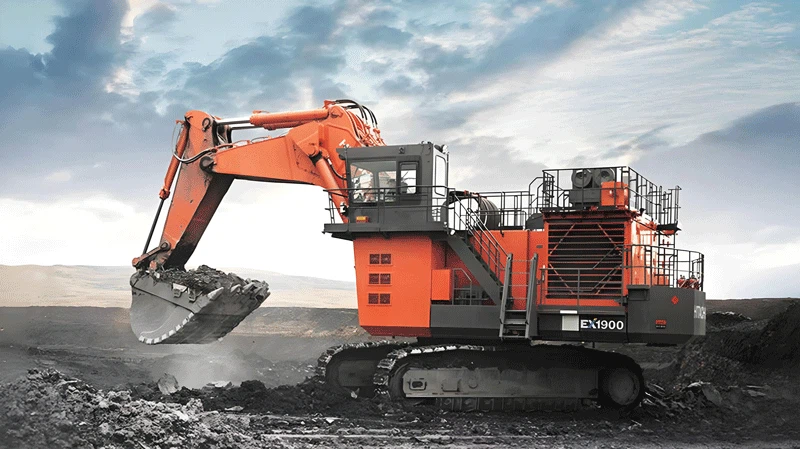
This excavator is primarily used in large-scale mining operations due to its immense size and power.
how to operate an excavator
To operate an excavator safely and effectively, follow these detailed steps and tips:
Pre-Operation Safety Checks
1.Read the Operator's Manual:
Familiarize yourself with the controls, safety features, and specific instructions for your excavator.
2.Inspect the Machine:
Check fluid levels (engine oil, hydraulic fluid, coolant).
Inspect the boom, stick, and bucket for damage.
Ensure all safety equipment, including seat belts and ROPS (Rollover Protective Structures), are in good condition.
3.Check the Site:
Identify any underground utilities, power lines, or other hazards.
Ensure the ground is stable and level.
Starting the Excavator
1.Enter the Cab:
Use the three points of contact to enter the cab safely.
Fasten the seatbelt for safety.
2.Start the Engine:
Ensure all control levers are in neutral position.
Turn the key to start the engine and allow it to idle for a few minutes to warm up.
Basic Operation
1.Control Patterns:
ISO Controls: The left joystick controls the swing and boom, while the right joystick controls the stick and bucket.
SAE Controls: The right joystick controls the boom and stick, while the left joystick controls the swing and bucket.
2.Moving the Excavator:
Use the foot pedals or track controls to move the excavator forward, backward, or turn.
3.Operating the Boom and Bucket:
Use the joysticks to control the boom, stick, and bucket for digging, lifting, and loading tasks.
Safety Tips During Operation
1.Maintain Clear Visibility:
Ensure mirrors are clean and properly adjusted.
2.Drive at Safe Speeds:
Adjust speed according to the terrain and job conditions.
3.Keep Workers Safe:
Ensure no unauthorized personnel are in the work area.
4.Avoid Overloading:
Do not exceed the excavator's lifting capacity.
Post-Operation Safety
1.Shut Down the Engine:
Allow the engine to idle for a few minutes before turning it off.
2.Lower the Bucket:
Lower the bucket to the ground before exiting the cab.
3.Lock the Cab:
Ensure the cab is locked when exiting the machine.

Additional Tips
Regular Maintenance: Follow the manufacturer's maintenance schedule to keep the excavator in good condition.
Training and Certification: Ensure you are trained and certified to operate the excavator safely.
By following these steps and adhering to safety protocols, you can operate an excavator effectively and safely. Always refer to the operator's manual for specific instructions related to your machine.
how to put a track back on an excavator
To put a track back on an excavator, follow these steps:
Tools and Equipment Needed
Safety glasses or goggles
Work gloves
Power washer
Square wood block (6x6x24-36 inches)
Grease gun
Open-end wrench
Socket wrench
Adjustable wrench
Paper towels
Step-by-Step Guide
Step 1: Removing the Track Tension
1.Locate the Grease Valve: Find the grease valve cover on the track frame and remove it to access the grease fitting.
2.Inspect Tensioner Cleanliness: Ensure the tensioner slides are clean and free of debris.
3.Release Tension: Unscrew the grease fitting to release tension from the track.
4.Install Wood Block: Place the wood block in front of the track to push and recoil the idler.
5.Recoil Tensioner: Use the excavator arm to slowly push on the wood block and recoil the idler.
Step 2: Lifting the Mini-Excavator
1.Lift the Machine: Turn the excavator arm to 90 degrees and lift the undercarriage. Raise it just enough to allow track removal (about the thickness of the track plus 2 inches).
2.Support the Machine: Secure the machine in the lifted position using jack stands.
Step 3: Removing the Old Track
1.Remove the Track: Use pry bars to remove the track from one idler side and then from the sprocket side.
Step 4: Inspecting Undercarriage Components
1.Remove Tensioner: Clean the tensioner slides and remove any debris.
2.Clean Undercarriage: Power wash the undercarriage to remove dirt and mud.
3.Check for Damage: Inspect the undercarriage components for wear or damage. Replace any damaged parts.
4.Grease Tensioning Slides: Grease the tensioner slides and reinstall the tensioner in the maximum recoil position.
Step 5: Installing the New Rubber Track
1.Position the Track: Place the new rubber track around the rear sprocket first, then slide it onto the front idler wheel and under the rollers using pry bars.
2.Align the Track: Ensure the track is properly aligned to prevent premature wear.
Step 6: Adjusting Track Tension
1.Grease Cylinder: Use the grease gun to add grease through the grease fitting, pushing the idler wheel outward to tighten the track.
2.Check Sag: Refer to the machine service manual for the correct sag recommendation (usually 1-2 inches between the rollers and the track).
3.Adjust Tension: Adjust the tension using the grease gun to achieve the correct balance. Avoid over-tensioning.
4.Test Run: Conduct a test run to verify the performance of the new track. Listen for any unusual noises and make final adjustments as needed.
Step 7: Final Check
1.Recheck Tension: Recheck the track tension after 10-20 hours of operation.
2.Lower the Machine: Remove the jack stands and carefully lower the excavator back to the ground.

Maintenance Tips
Regular Inspection: Check track tension regularly and adjust as needed.
Clean Undercarriage: Regularly clean the undercarriage to remove debris and inspect for damage.
Monitor Wear: Replace worn tracks promptly to prevent damage to other components.
Use High-Quality Tracks: Invest in high-quality rubber tracks for durability and performance.
By following these steps, you can successfully reinstall the track on your mini excavator and ensure it operates smoothly and efficiently.
what is the largest excavator
The largest excavator in the world is the Caterpillar 6090FS. Here are its key specifications:
Operating Weight: 1,000 tons (2,204,622 lbs)
Bucket Capacity: Up to 52 cubic meters
Engine Power: 4,500 horsepower (3,356 kW)
Dimensions:
Length: 13.53 meters (44.4 feet)
Width: 9.72 meters (31.9 feet)
Height: 9.99 meters (32.8 feet)

This massive machine is designed for heavy-duty mining operations and is equipped with advanced features such as an automatic rollback limiter to prevent spillage and support maximum bucket capacity. The Caterpillar 6090FS is currently the largest hydraulic excavator in the world .
what is a mini excavator
A mini excavator is a compact, versatile piece of heavy construction equipment designed for small to medium-sized projects. It is smaller in size compared to standard excavators, making it ideal for tasks that require precision and maneuverability in confined spaces. Here's a detailed look at what a mini excavator is and its key features:
Key Features of Mini Excavators
1.Size and Weight:
Weight Range: Mini excavators typically weigh between 1,000 and 8,000 pounds (0.5 to 4 tons).
Compact Design: Their small size allows them to fit through narrow passages and operate in tight spaces.
2.Versatility:
Attachments: Mini excavators can be fitted with a variety of attachments, including buckets, breakers, augers, and grapples, making them highly versatile.
Applications: They are used for a wide range of tasks, including excavation, grading, landscaping, utility work, and demolition.
3.Ease of Operation:
User-Friendly Controls: Mini excavators are designed to be easy to operate, with intuitive controls and comfortable cabs.
360-Degree Rotation: The operator's cab can rotate 360 degrees, providing flexibility and precision.
4.Mobility:
Tracked or Wheeled: Mini excavators can be either tracked or wheeled, with tracked models offering better stability and traction on uneven terrain.
Transportation: Their compact size makes them easier to transport compared to larger excavators.
Common Uses of Mini Excavators
1.Excavation:
Trenching: Digging trenches for utility lines, drainage systems, and foundations.
Foundation Work: Creating holes and foundations for small to medium-sized construction projects.
2.Landscaping:
Site Preparation: Clearing land, grading, and leveling for landscaping projects.
Water Features: Digging ponds, lakes, and other water features.
3.Utility Work:
Pipeline Installation: Laying pipes and cables for utility projects.
Drainage Systems: Creating drainage ditches and channels.
4.Demolition:
Small-Scale Demolition: Tearing down small structures and removing debris.
Site Clearance: Clearing land and removing obstacles.
5.Material Handling:
Loading and Unloading: Moving and loading materials such as soil, gravel, and sand.
Material Movement: Transporting materials around a construction site.

Advantages of Mini Excavators
1.Cost-Effective: Mini excavators are generally less expensive to purchase or rent compared to larger excavators.
2.Fuel Efficiency: Their smaller engines and compact design make them more fuel-efficient.
3.Ease of Transport: Their size makes them easier to transport to and from job sites.
4.Versatility: The ability to use various attachments increases their functionality and adaptability to different tasks.
Maintenance Tips
1.Regular Inspections: Check fluid levels, track tension, and attachment points regularly.
2.Clean the Machine: Remove dirt and debris to prevent wear and damage.
3.Follow Maintenance Schedule: Adhere to the manufacturer's maintenance schedule to ensure optimal performance and longevity.
Conclusion
Mini excavators are essential tools for a variety of construction, landscaping, and utility projects. Their compact size, versatility, and ease of operation make them ideal for tasks that require precision and maneuverability in confined spaces. Whether you're working on a small residential project or a medium-sized commercial job, a mini excavator can significantly enhance your productivity and efficiency.
What are some common brands of mini excavators
1. Caterpillar
Popular Models: Caterpillar 305 CR, Caterpillar 301.8C, Caterpillar 302.5C.
Features: Known for their durability and high performance in heavy-duty applications. The 305 CR offers more power to the pumps, higher bucket breakout forces, and deeper standard digging depths.
2. Kubota
Popular Models: Kubota KX040-5, Kubota KX41-2 V, Kubota U55-4.
Features: Renowned for their reliability and compact size, making them ideal for small-scale construction and landscaping projects.
3. Bobcat
Popular Models: Bobcat E40, Bobcat E10.
Features: The Bobcat E40 offers impressive digging power, depth, and reach, paired with a wide range of attachments for versatility.
4. Takeuchi
Popular Models: Takeuchi TB20e, Takeuchi TB125.
Features: The TB20e is a battery-powered excavator, offering zero exhaust emissions and reduced noise/vibration levels, making it environmentally friendly.
5. JCB
Popular Models: JCB 19C-1, JCB 19C-1E.
Features: Available in both diesel and electric models, offering power, reliability, and flexibility. The electric variant is perfect for indoor work and eco-conscious projects.
6. John Deere
Popular Models: John Deere 35 P-Tier.
Features: Known for their impressive dig depth and comfortable, ergonomic cab spaces focused on operator experience.
7. Komatsu
Features: Known for balancing brute strength with advanced efficiency innovations and integrated telematics for intelligent machine utilization.
8. SANY
Features: Recognized for their high-end quality, powerful breakout force, and low cost of ownership over decades of reliable usage.

9. Hitachi
Popular Models: Hitachi ZX35U-5N.
Features: Equipped with a hydraulic quick-coupler for easy attachment swapping and fuel-efficient engine with Eco and Power modes.
10. Volvo
Popular Models: Volvo ECR40.
Features: Focuses on operator comfort, better fuel efficiency, and easier maintenance with customizable hydraulic flow settings and work modes.
11. Yanmar
Features: Known for their compact size and versatility, making them suitable for residential and small-scale projects.
12. New Holland
Popular Models: New Holland Construction E90D.
Features: High horsepower engine and impressive hydraulic system for running multiple attachments simultaneously.
These brands are highly regarded in the industry for their quality, performance, and reliability, making them popular choices for a variety of applications.


