


Securing a drill bit properly is crucial for ensuring accurate drilling and preventing the bit from slipping or breaking. Here's a step-by-step guide on how to secure a drill bit:
For Keyless Chucks (Most Modern Drills)
1.Prepare the Drill:
Turn Off the Drill: Ensure the drill is turned off and the battery is removed (for cordless drills) or the power cord is unplugged (for corded drills).
Secure the Drill: Place the drill in a vise or hold it firmly with one hand to prevent it from moving.
2.Loosen the Chuck:
Grip the Chuck: Firmly grip the chuck with your fingers and thumb.
Turn Counterclockwise: Rotate the chuck counterclockwise to loosen it. Apply steady pressure and turn until the chuck is fully open.
3.Insert the Drill Bit:
Align the Bit: Place the drill bit into the chuck, ensuring it is fully seated and centered. The shank (the non-cutting end) of the bit should fit snugly into the chuck.
Check Alignment: Ensure the drill bit is perpendicular to the workpiece. This is crucial for drilling a straight hole.
4.Tighten the Chuck:
Grip the Chuck: Firmly grip the chuck again.
Turn Clockwise: Rotate the chuck clockwise to tighten it. Apply steady pressure and turn until the bit is securely held in place.
5.Check the Bit:
Pull the Bit: Gently pull on the bit to ensure it is firmly in place. The bit should not move when pulled.
For Keyed Chucks (Older Drills)
1.Prepare the Drill:
Turn Off the Drill: Ensure the drill is turned off and the battery is removed (for cordless drills) or the power cord is unplugged (for corded drills).
Secure the Drill: Place the drill in a vise or hold it firmly with one hand to prevent it from moving.
2.Insert the Chuck Key:
Locate the Key: Find the chuck key that came with your drill. It is usually stored on the side of the drill or in the drill case.
Insert the Key: Insert the key into one of the holes on the side of the chuck.
3.Loosen the Chuck:
Turn Counterclockwise: Turn the chuck key counterclockwise to loosen the chuck. Apply steady pressure and turn until the chuck is fully open.
4.Insert the Drill Bit:
Align the Bit: Place the drill bit into the chuck, ensuring it is fully seated and centered. The shank (the non-cutting end) of the bit should fit snugly into the chuck.
Check Alignment: Ensure the drill bit is perpendicular to the workpiece. This is crucial for drilling a straight hole.
5.Tighten the Chuck:
Insert the Key: Insert the key into one of the holes on the side of the chuck.
Turn Clockwise: Turn the chuck key clockwise to tighten the chuck. Apply steady pressure and turn until the bit is securely held in place.
Move to Next Hole: Move the key to the next hole and repeat the process. Continue until the bit is fully tightened.
6.Check the Bit:
Pull the Bit: Gently pull on the bit to ensure it is firmly in place. The bit should not move when pulled.
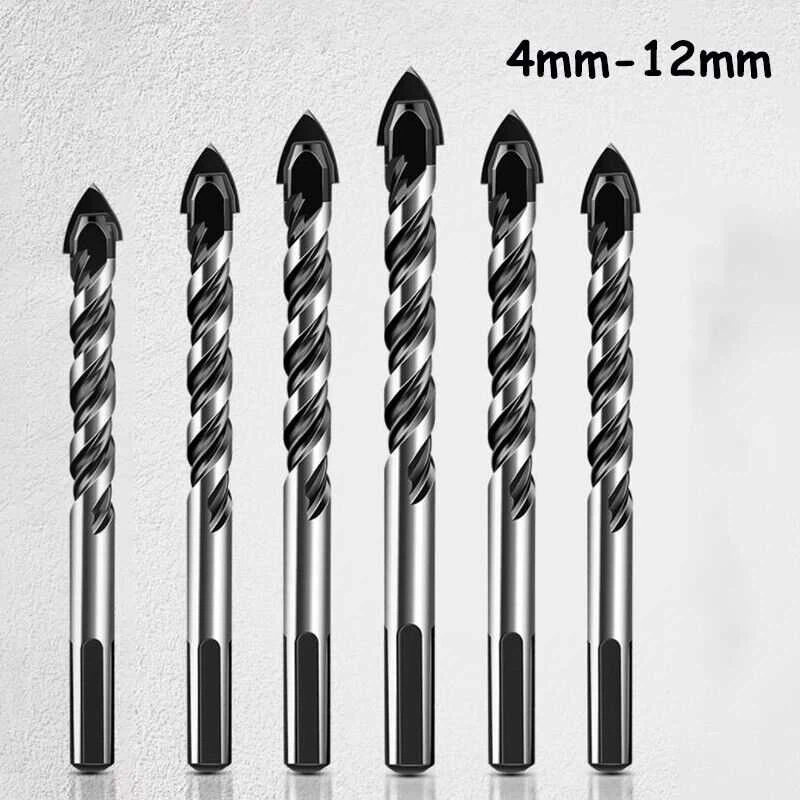
Tips for Securing Drill Bits
Safety First: Always wear safety goggles and gloves to protect yourself from flying debris.
Secure the Drill: Ensure the drill is firmly held or clamped to prevent it from moving.
Avoid Over-Tightening: While it's important to secure the bit firmly, avoid over-tightening the chuck, as this can damage the bit or the chuck itself.
Regular Maintenance: Periodically inspect the chuck for wear or damage. A worn chuck may not grip the bit properly, leading to slipping or reduced performance.
how to sanitize nail drill bits
To sanitize nail drill bits properly, follow these steps:
Initial Cleaning
1.Remove Debris: After each use, use a soft brush or cloth to remove any visible dust and debris.
2.Soak in Soapy Water: Fill a small bowl with warm water and mild soap. Submerge the drill bits and let them soak for a few minutes to loosen any stuck-on gunk.
3.Scrub the Bits: Use a soft brush or sponge to scrub each drill bit, paying extra attention to grooves and crevices where nail debris tends to collect.
4.Rinse Thoroughly: Rinse the drill bits under running water to wash away all the soap.
Disinfection
1.Acetone Disinfection: Soak the drill bits in acetone for 5 to 10 minutes. Acetone will dissolve any nail product residue and kill germs.
2.Alternative Disinfectants: If you don't want to use acetone, you can soak your drill bits in isopropyl alcohol (70% or higher) for the time recommended on the product label.Another option is to use Barbicide, following the instructions for dilution and soak time.
3.Post-Disinfection Rinse: After disinfecting, rinse the drill bits in water to remove any disinfectant residue.
Drying and Storage
1.Dry Thoroughly: Use a clean cloth or let the bits air dry completely to prevent rust.
2.Inspect for Damage: Check the bits for any signs of wear or damage. Replace them if necessary.
3.Store Properly: Store the cleaned and dry nail drill bits in a designated container to keep them protected and organized.
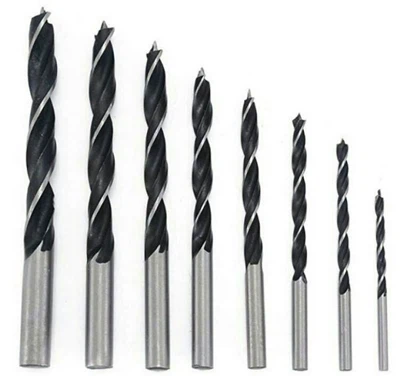
Additional Tips
Regular Cleaning: Clean the bits after each use to prevent buildup and maintain sharpness.
Avoid Cross-Contamination: Keep the storage container clean and avoid storing nail drill bits with other tools or metal objects that could cause damage.
Proper Hand Hygiene: Wash your hands thoroughly before and after handling the drill bits to minimize the risk of cross-contamination.
how to select drill bit size
Selecting the right drill bit size is crucial for achieving precise and efficient drilling results. Here's a detailed guide on how to choose the appropriate drill bit size for your specific needs:
1. Determine the Purpose of the Hole
Pilot Holes: For screws or dowels, use a drill bit slightly smaller than the diameter of the screw or dowel.
Clearance Holes: For bolts or fasteners, use a drill bit that matches the diameter of the bolt.
Counterbored Holes: For flush-mounted screws or bolts, use a counterbore bit to create a recessed hole.
2. Material Considerations
Wood: Use bits designed for wood, such as brad point bits or twist bits. Common sizes include 1/16 inch, 1/8 inch, 3/16 inch, 1/4 inch, 5/16 inch, 3/8 inch, 7/16 inch, and 1/2 inch.
Metal: Use high-speed steel (HSS) or cobalt bits. For example, a 3/16-inch bit is suitable for drilling through thin metal sheets.
Masonry: Use carbide-tipped masonry bits. For example, a 1/2-inch bit is suitable for drilling large holes in concrete or brick.
3. Check the Specifications
Thread Size: For tapping threads, use a drill bit that matches the tap size. For example, a #21 drill bit is suitable for a 10-32 tap.
Anchor Size: For masonry anchors, use a drill bit that matches the anchor size. For example, a 3/16-inch bit is suitable for a 3/16-inch anchor.
4. Common Drill Bit Sizes
Fractional Inches: 1/16 inch, 1/8 inch, 3/16 inch, 1/4 inch, 5/16 inch, 3/8 inch, 7/16 inch, 1/2 inch.
Decimal Inches: 0.0625 inch, 0.125 inch, 0.1875 inch, 0.250 inch, 0.3125 inch, 0.375 inch, 0.4375 inch, 0.500 inch.
Metric Sizes: 1.0 mm, 2.0 mm, 3.0 mm, 4.0 mm, 5.0 mm, 6.0 mm, 7.0 mm, 8.0 mm.
5. Measure Accurately
Use a Caliper: For precise measurements, use a caliper to measure the diameter of the drill bit.
Check the Bit Size: Most drill bits have the size marked on the shank. Ensure the size matches your requirements.
6. Safety and Precision
Secure the Drill Bit: Ensure the drill bit is securely tightened in the chuck to prevent slipping.
Drill Slowly: Start drilling at a low speed to prevent the bit from wandering. Apply steady pressure and let the bit do the work.

Example Scenarios
Woodworking: For a 1/4-inch dowel, use a 1/4-inch drill bit to create a pilot hole.
Metalworking: For a 3/8-inch bolt, use a 3/8-inch drill bit to create a clearance hole.
Masonry: For a 1/2-inch anchor, use a 1/2-inch carbide-tipped masonry bit to drill the hole.
how to set up a drill bit
Setting up a drill bit involves properly attaching it to your drill and ensuring it is secure and ready for use. Here's a detailed guide on how to set up a drill bit for the three most common types of chucks: keyed, keyless, and quick-change.
For a Keyed Chuck:
1.Unplug the Drill:
Always unplug the drill or remove the battery to prevent accidental activation.
2.Locate the Chuck Key:
The chuck key is usually stored on the side of the drill or in a compartment on the drill case.
3.Loosen the Chuck:
Insert the key into one of the holes on the chuck.
Turn the key counterclockwise to loosen the chuck. You should feel the chuck getting looser as you turn the key.
4.Insert the Drill Bit:
Place the new drill bit into the chuck. Ensure it is centered and aligned properly.
5.Tighten the Chuck:
Use the chuck key again, but this time turn it clockwise to tighten the chuck around the new drill bit. Make sure it is snug and secure.
6.Test the Bit:
Plug in the drill or insert the battery, and give it a quick test to ensure the bit is spinning properly and not wobbling.
For a Keyless Chuck:
1.Unplug the Drill:
Always unplug the drill or remove the battery to prevent accidental activation.
2.Loosen the Chuck:
Grip the collar or sleeve on the chuck and turn it counterclockwise to loosen the chuck.
3.Insert the Drill Bit:
Place the new drill bit into the chuck, making sure it is centered.
4.Tighten the Chuck:
Twist the collar clockwise to tighten the chuck around the new drill bit. You may need to apply some force to get it tight enough.
5.Test the Bit:
Plug in the drill or insert the battery and give it a quick test to ensure the bit is secure and spinning smoothly.
For a Quick-Change Chuck:
1.Unplug the Drill:
Always unplug the drill or remove the battery to prevent accidental activation.
2.Press the Release Button:
Quick-change chucks usually have a button or lever that you press to release the bit.
3.Insert the Drill Bit:
Push the new bit into the holder until it clicks into place.
4.Test the Bit:
Plug in the drill or insert the battery and give it a quick test to ensure the bit is secure and spinning smoothly.
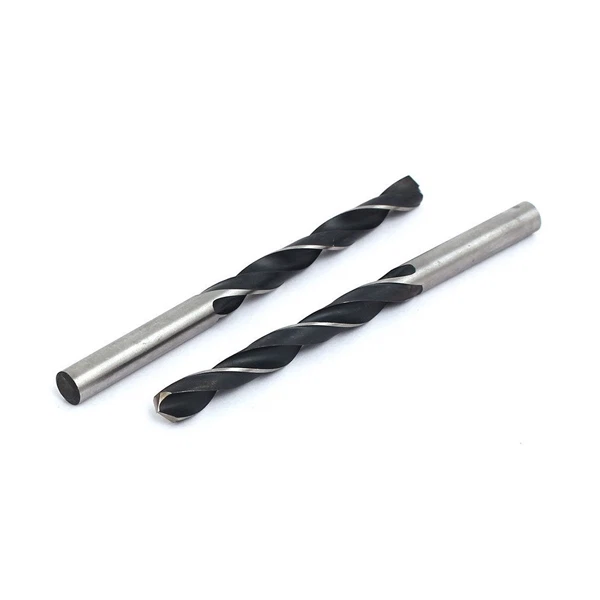
Additional Tips for Setting Up a Drill Bit
Safety First: Always unplug the drill or remove the battery before changing bits.
Store the Chuck Key Safely: If you have a keyed chuck, keep the key in a safe place. Losing it can make it difficult to change bits.
Keep the Chuck Clean: Over time, debris can build up in the chuck. Clean it out periodically to ensure smooth operation.
Match the Bit to the Task: Ensure the new drill bit is the correct size and type for your project.
how to store loose drill bits
Storing loose drill bits properly is essential for maintaining their condition and ensuring they are ready for use when needed. Here are some effective methods and tips for storing drill bits:
1. Use a Drill Bit Storage Case
Organized Storage: Invest in a drill bit storage case or organizer. These cases often have compartments or slots designed to hold drill bits securely.
Labeling: Use labels or markers to identify the size and type of each bit for quick and easy access.
2. Magnetic Storage
Magnetic Strips or Racks: Use magnetic strips or racks to hold your drill bits. These can be mounted on a workshop wall or placed in a drawer.
Magnetic Jars: Store smaller bits in magnetic jars to keep them organized and prevent them from rolling around.
3. Tool Roll or Pouch
Tool Roll: Use a tool roll with pockets to store your drill bits. This is especially useful for portable storage and organization.
Pouch: A small, zippered pouch with compartments can keep bits organized and protected.
4. DIY Storage Solutions
Wooden Block: Create a wooden block with drilled holes that match the sizes of your bits. This provides a secure and organized storage solution.
Plastic Container: Use a plastic container with dividers to separate and store different sizes of drill bits.
5. Protective Coating
Oil or Lubricant: Apply a thin layer of machine oil or lubricant to the bits to prevent rust and corrosion.
Desiccant: Place silica gel packets or desiccant in your storage container to absorb moisture and keep the environment dry.
6. Regular Inspection
Inspect Bits: Periodically check your drill bits for signs of wear or damage. Replace any bits that are dull or chipped.
Clean Bits: Ensure bits are clean and free of debris before storing them.
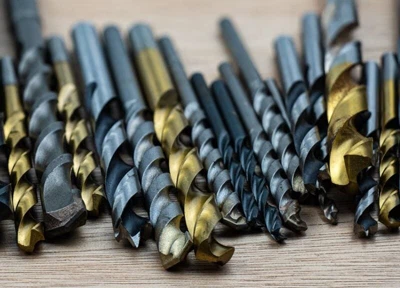
Tips for Effective Storage
Keep Dry: Store drill bits in a dry, low-humidity environment to prevent rust.
Avoid Clutter: Keep the storage area organized to prevent bits from getting tangled or damaged.
Label Clearly: Clearly label each bit with its size and type for easy identification.
how to switch a drill bit
Switching a drill bit is a straightforward process, but the exact steps depend on the type of chuck (the part that holds the drill bit) your drill has. Here's a detailed guide for switching a drill bit in the three most common types of chucks: keyed, keyless, and quick-change.
For a Keyed Chuck:
1.Unplug the Drill:
Always unplug the drill or remove the battery to prevent accidental activation.
2.Locate the Chuck Key:
The chuck key is usually stored on the side of the drill or in a compartment on the drill case.
3.Loosen the Chuck:
Insert the key into one of the holes on the chuck.
Turn the key counterclockwise to loosen the chuck. You should feel the chuck getting looser as you turn the key.
4.Remove the Old Drill Bit:
Once the chuck is loose, pull out the old drill bit. It might be a bit tight, so you may need to wiggle it gently.
5.Insert the New Drill Bit:
Place the new drill bit into the chuck. Ensure it is centered and aligned properly.
6.Tighten the Chuck:
Use the chuck key again, but this time turn it clockwise to tighten the chuck around the new drill bit. Make sure it is snug and secure.
7.Test the Bit:
Plug in the drill or insert the battery, and give it a quick test to ensure the bit is spinning properly and not wobbling.
For a Keyless Chuck:
1.Unplug the Drill:
Always unplug the drill or remove the battery to prevent accidental activation.
2.Loosen the Chuck:
Grip the collar or sleeve on the chuck and turn it counterclockwise to loosen the chuck.
3.Remove the Old Drill Bit:
Once the chuck is loose, pull out the old drill bit. It should come out easily.
4.Insert the New Drill Bit:
Place the new drill bit into the chuck, making sure it is centered.
5.Tighten the Chuck:
Twist the collar clockwise to tighten the chuck around the new drill bit. You may need to apply some force to get it tight enough.
6.Test the Bit:
Plug in the drill or insert the battery and give it a quick test to ensure the bit is secure and spinning smoothly.
For a Quick-Change Chuck:
1.Unplug the Drill:
Always unplug the drill or remove the battery to prevent accidental activation.
2.Press the Release Button:
Quick-change chucks usually have a button or lever that you press to release the bit.
3.Remove the Old Drill Bit:
Pull out the old bit. It should come out easily once the release button is pressed.
4.Insert the New Drill Bit:
Push the new bit into the holder until it clicks into place.
5.Test the Bit:
Plug in the drill or insert the battery and give it a quick test to ensure the bit is secure and spinning smoothly.
Additional Tips:
Safety First: Always unplug the drill or remove the battery before changing bits.
Store the Chuck Key Safely: If you have a keyed chuck, keep the key in a safe place. Losing it can make it difficult to change bits.
Keep the Chuck Clean: Over time, debris can build up in the chuck. Clean it out periodically to ensure smooth operation.
Match the Bit to the Task: Ensure the new drill bit is the correct size and type for your project.
how to take a drill bit off
To remove a drill bit from a drill, follow these step-by-step instructions based on the type of chuck your drill has:
For Keyless Chucks (Most Modern Drills)
1.Ensure Safety:
Turn Off the Drill: Make sure the drill is turned off and the battery is removed (for cordless drills) or the power cord is unplugged (for corded drills).
Secure the Drill: Place the drill in a vise or hold it firmly with one hand to prevent it from moving.
2.Loosen the Chuck:
Grip the Chuck: Firmly grip the chuck with your fingers and thumb.
Turn Counterclockwise: Rotate the chuck counterclockwise to loosen it. Apply steady pressure and turn until the bit is loose.
3.Remove the Bit:
Pull the Bit Out: Once the bit is loose, carefully pull it out of the chuck.
4.Check the Bit:
Inspect the Bit: Gently pull on the bit to ensure it is completely free. Inspect the bit for any damage or wear.
For Keyed Chucks (Older Drills)
1.Ensure Safety:
Turn Off the Drill: Make sure the drill is turned off and the battery is removed (for cordless drills) or the power cord is unplugged (for corded drills).
Secure the Drill: Place the drill in a vise or hold it firmly with one hand to prevent it from moving.
2.Insert the Chuck Key:
Locate the Key: Find the chuck key that came with your drill. It is usually stored on the side of the drill or in the drill case.
Insert the Key: Insert the key into one of the holes on the side of the chuck.
3.Loosen the Chuck:
Turn Counterclockwise: Turn the chuck key counterclockwise to loosen the chuck. Apply steady pressure and turn until the bit is loose.
Move to Next Hole: Move the key to the next hole and repeat the process. Continue until the bit is fully loosened.
4.Remove the Bit:
Pull the Bit Out: Once the bit is loose, carefully pull it out of the chuck.
5.Check the Bit:
Inspect the Bit: Gently pull on the bit to ensure it is completely free. Inspect the bit for any damage or wear.
Tips for Removing Drill Bits
Wear Safety Gear: Always wear safety goggles and gloves to protect yourself from flying debris.
Regular Maintenance: Periodically inspect the chuck for wear or damage. A worn chuck may not grip the bit properly, leading to slipping or reduced performance.
Avoid Over-Tightening: While it's important to secure the bit firmly, avoid over-tightening the chuck, as this can damage the bit or the chuck itself.


